2027 What Can You Do With a Public Administration Degree in Public Finance?

Co-Founder and Chief Data Scientist
Organizations often struggle to manage budgets transparently while meeting community needs and regulatory demands. Professionals with knowledge in public finance play a critical role in addressing these challenges by efficiently allocating resources and ensuring fiscal responsibility. A public administration degree in public finance equips students with skills to analyze financial data, develop budgets, and implement policy decisions that promote sustainable growth. This article explores practical career options, essential competencies, and how such a degree can enable a successful transition into public finance roles, helping readers understand the real-world impact and opportunities within this vital sector.
Key Things You Should Know
- A public administration degree equips graduates with skills in budgeting, policy analysis, and financial management essential for managing government and nonprofit finances.
- Employment in public finance is projected to grow 8% by 2028, reflecting increased demand for transparent fiscal oversight.
- Careers often include roles such as budget analysts, financial managers, and fiscal policy advisors, with a median salary of approximately $78,000 as of 2024.
What is a public administration degree with a concentration in public finance, and how does it differ from general public administration programs?
A public administration degree with a concentration in public finance explained offers specialized training focused on managing financial operations within government agencies, nonprofits, and public institutions. Unlike broader public administration programs, this concentration emphasizes budgeting, fiscal policy, taxation, and financial reporting in the public sector. Students gain expertise in analyzing budgets, overseeing expenditures, and developing strategies for revenue generation and cost control.
The differences between public administration and public finance programs are significant: general programs cover organizational theory, policy analysis, human resources, and program evaluation, while the finance concentration dives deeply into fiscal mechanics and government accounting standards. This equips graduates for roles such as budget analysts, financial managers, and fiscal policy advisors who work on municipal budgets or design financial frameworks for large-scale public projects.
With the public administration industry employing over 7.6 million workers and an average salary exceeding $84,000, specializing in public finance can enhance career prospects and meet the high accountability demands of public sector financial systems.
For those exploring career options related to public finance, it's helpful to also consider complementary fields. Students interested in related management roles might explore construction management degrees online as a potential pathway to roles involving financial oversight in infrastructure projects.
What jobs can you get in government and public service with a public finance-focused public administration degree?
A public administration degree with a focus on public finance offers diverse government public service jobs with a public finance degree, such as budget analysts, financial managers, policy advisors, and grant coordinators across local, state, and federal agencies. These roles involve analyzing funding requests, allocating resources, overseeing accounting systems, and developing fiscal policies to guide strategic government decisions.
Additional career options include treasury analysts managing cash flow and debt, procurement officers handling government contracts, and economic development specialists facilitating public investments to stimulate growth. Essential skills encompass knowledge of government accounting standards, fiscal policy, and regulatory frameworks, supported by certifications like Certified Government Financial Manager (CGFM) to improve career prospects.
The Government Finance Officers Association notes that entry-level state and local public finance roles often pay more than similar private-sector finance jobs, with benefits of lower turnover and higher tenure. This highlights job stability and financial rewards as key advantages, particularly in public administration careers in government finance management.
Strong analytical abilities, ethical judgment, and effective communication with stakeholders are critical to navigating challenges such as balancing budgets amid economic fluctuations and meeting public demands for transparency and accountability. For individuals interested in further education, an MHA degree can also complement public sector management skills.
How much can you make with a public administration degree in public finance, and what is the job outlook?
Graduates with a public administration degree specializing in public finance can expect competitive salaries and promising career prospects. The job outlook for public administration graduates in finance is strong, with a projected 6% growth rate from 2023 to 2033, driven by increased demand for skilled professionals in managing government budgets and financial operations.
Typical roles include budget analysts, finance directors, and program managers. Entry-level positions such as budget analysts earn between $50,000 and $70,000 annually, varying by location and experience. Mid-career professionals managing larger teams or complex projects often earn over $90,000, while senior leadership roles in municipal, state, or federal agencies can exceed six figures. Administrative services and facilities managers earn an average salary of $106,470, illustrating strong earning potentials in this field.
Locations with higher living costs generally offer higher salaries but come with competitive job markets. Certifications like Certified Government Financial Manager (CGFM) can enhance both salary and employment opportunities. Additionally, professionals interested in advancing their qualifications might consider a healthcare MBA to expand their expertise and career options.
Overall, earning a public administration degree focused on public finance prepares graduates for roles that offer solid financial rewards and stable employment growth in the public sector.
What courses and skills are typically included in a public administration curriculum focused on public finance?
Curricula for public administration degree courses in public finance emphasize developing quantitative, analytical, and managerial skills vital for effective fiscal management in government and nonprofit sectors. Core subjects include government budgeting and financial management, teaching students to prepare, analyze, and control budgets. Public sector economics courses focus on how policy influences economic outcomes and allocation of public goods.
Advanced coursework covers public financial reporting and auditing to promote transparency and accountability, along with taxation policy and revenue systems detailing government revenue generation. Risk management and program evaluation equip students with tools to analyze financial risks and assess the cost-effectiveness of public initiatives. Essential skills for public administration in public finance include financial modeling, critical thinking, regulatory knowledge, and communication tailored to public sector stakeholders.
Students gain proficiency in data analysis, quantitative methods such as statistics and econometrics, and public policy analysis to support evidence-based decisions. Management topics cover organizational behavior, leadership, and ethics to prepare graduates for public sector leadership roles. According to the U.S. Bureau of Labor Statistics, management analysts-a common career path for graduates-are projected to grow 11% from 2021 to 2031, outpacing average job growth rates.
Prospective students interested in efficient degree paths may explore options through an accelerated business degree.
What education level do you need in public administration and public finance for roles like budget analyst or finance director?
Roles in public administration and public finance, such as budget analyst or finance director, generally require at least a bachelor's degree in public administration, accounting, public finance, or related fields. Entry-level positions emphasize foundational skills in budgeting, governmental regulations, and financial reporting. However, advanced and supervisory roles increasingly favor candidates holding a master's degree like a Master of Public Administration (MPA) or a Master of Public Policy (MPP).
Certifications, including Certified Government Financial Manager (CGFM) and Certified Public Finance Officer (CPFO), significantly enhance career prospects and salary potential. Strong experience in government or nonprofit sectors is critical, given the specialized knowledge needed in public sector budgeting, compliance, municipal bonds, grant management, and public auditing.
Finance director roles demand extensive professional experience combined with graduate education due to managing large-scale budgets and overseeing fiscal policies. Full-time public administration workers earn an average salary of approximately $84,436 annually, while part-time workers earn about $28,838, highlighting the financial benefits of advanced qualifications and career growth in the field.
Public administration professionals who build expertise through education, certification, and public sector experience position themselves for rewarding roles in managing government and nonprofit finances.
How do online public administration programs in public finance compare to on-campus options for flexibility and quality?
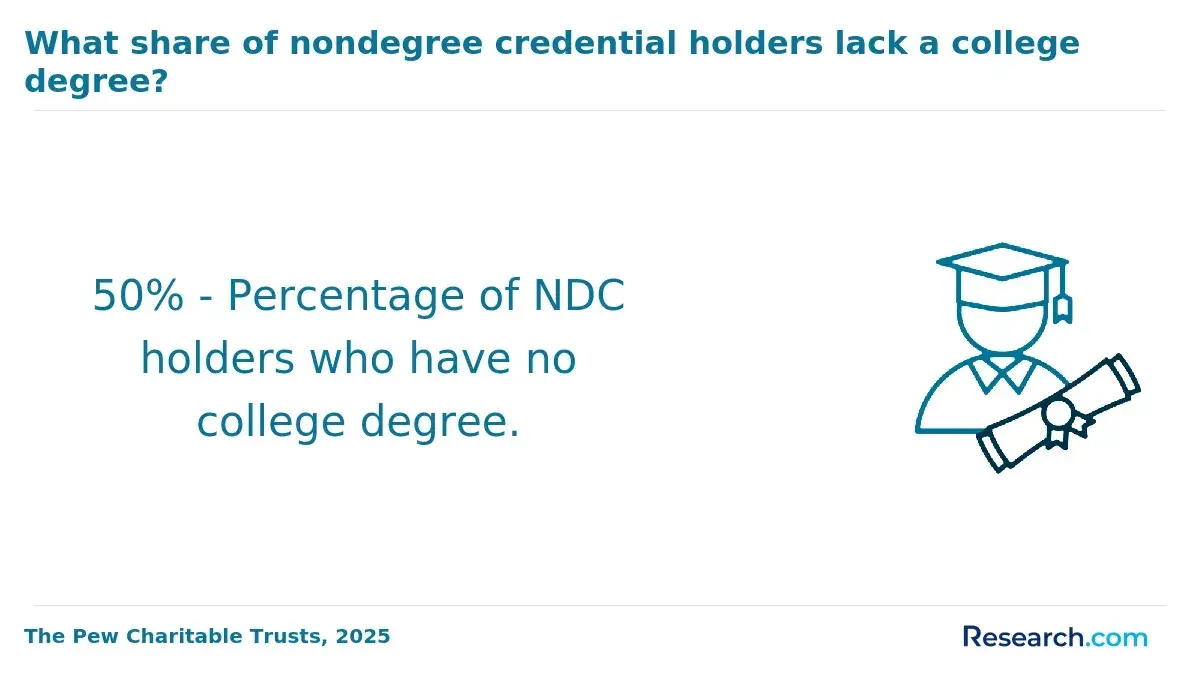
Online public administration programs in public finance offer greater flexibility than traditional on-campus options, allowing students to balance work or personal commitments through asynchronous coursework. This mode particularly benefits working professionals aiming for career advancement without interrupting their employment. Some programs, however, may require synchronous sessions or campus visits, affecting convenience.
Many accredited online programs maintain the same curriculum, faculty expertise, and rigorous assessments as their on-campus counterparts. Students receive comparable training in budgeting, fiscal policy, and government accounting. Meanwhile, on-campus programs often provide enhanced networking opportunities, face-to-face interaction, and access to campus resources. Hybrid formats blend these approaches by combining online learning with occasional in-person sessions to meet diverse student needs.
When comparing programs, prospective students should consider accreditation, faculty credentials, and graduate outcomes. For instance, Cornell University's MPA Class of 2023 reported an average salary of $84,000, which is approximately $17,000 higher than the national average for individuals holding only a bachelor's degree, according to National Center for Education Statistics data. This underscores the value of high-quality public administration education, regardless of delivery method.
How long does it take to earn a public administration degree in public finance, and what does it cost?
Earning a public administration degree with a focus on public finance generally takes between two and four years, depending on the degree level and program format. An associate degree typically requires about two years of full-time study, while a bachelor's degree takes around four years. For working professionals, many institutions provide part-time, evening, or online options that add flexibility but may extend the total duration. Graduate degrees, such as a Master of Public Administration (MPA) specializing in public finance, usually take one to two years to complete and often accommodate those balancing work and study.
Costs vary significantly based on institution type and location. In-state tuition at public universities generally ranges from $5,000 to $15,000 annually, while out-of-state and private universities can charge between $20,000 and $40,000 per year. Online programs might offer more affordable fees, and additional expenses like textbooks and technology fees should also be considered. Financial aid, scholarships, and employer tuition assistance are valuable resources to help reduce overall costs.
The Government Finance Officers Association's (GFOA) workforce analysis emphasizes rising demand for public finance professionals at state and local levels, driven by low turnover and high tenure. This situation creates strong opportunities for graduates but highlights the importance of completing education in a timely manner to capitalize on workforce needs.
What accreditation and program quality standards should you look for in public administration and public finance degrees?
Accreditation plays a crucial role in evaluating public administration and public finance degree programs to ensure their quality and employer recognition. Prospective students should prioritize regional accreditation from agencies like the Higher Learning Commission or Middle States Commission on Higher Education. Equally important is program-specific accreditation by organizations such as the Network of Schools of Public Policy, Affairs, and Administration (NASPAA), which enforces rigorous standards for curriculum relevance, faculty expertise, and student outcomes in public service education.
Programs accredited by NASPAA or those maintaining similar quality benchmarks typically cover essential topics such as budgeting, financial management, and policy analysis, all aligned with the needs of today's public sector. This accreditation guarantees that graduates possess the competencies needed for government finance and nonprofit leadership roles.
Look for curricula that include practical elements like case studies, internships, or capstone projects focused on public finance to develop applied skills in financial reporting, grant management, and fiscal policy. Faculty expertise in both academic research and professional practice further enhances program quality.
Programs offering specialized tracks or certificates in public finance or nonprofit financial management add targeted value for specific career pathways.
Touro University Worldwide reports that nonprofit executive directors earn an average annual compensation of $123,731, reflecting the sector's recognition of advanced skills in public administration and finance.
Do public finance roles in government require any licenses or professional certifications, and how can this degree help you qualify?
Public finance roles in government generally do not mandate specific licenses, but professional certifications greatly improve job prospects and career growth. A public administration degree offers essential knowledge in budgeting, fiscal policy, and economic analysis, forming a strong foundation for public finance careers.
Key certifications that enhance a public administration degree include the Certified Government Financial Manager (CGFM), Certified Public Finance Officer (CPFO), and Certified Public Accountant (CPA) credentials. These certifications demonstrate expertise in government accounting principles, financial reporting, and public budgeting, often required for advanced roles in federal, state, or municipal finance departments.
For instance, the CGFM certification aligns closely with skills learned in public administration programs by focusing on governmental accounting and auditing standards. Additionally, a public administration degree helps meet eligibility criteria for federal positions such as foreign service officers or financial analysts, where international finance knowledge and diplomacy skills are valuable. According to Touro University Worldwide, foreign service officers earn average annual compensation of $132,350, highlighting lucrative salaries in international public finance and diplomacy.
Further credentials like the Government Finance Officers Association certifications or a Master of Public Administration (MPA) degree bolster qualifications for leadership tracks. Experience with budgeting software and financial management systems, often part of public administration curricula, prepares graduates for technical demands in public finance roles. Combining a public administration degree with targeted certifications provides a clear pathway to professional credibility and higher pay in government finance.
How can you choose the best public administration program in public finance based on your career goals?
Choosing a public administration program with a focus on public finance means aligning its curriculum and faculty strengths with your career goals. Identify if you want to specialize in budgeting, financial analysis, debt management, or policy development. Programs emphasizing municipal finance benefit those targeting local government roles, while those centered on state budget processes better suit careers at state agencies.
Evaluate the program's connections with employers and internships in public finance. Access to internships at government finance offices or public sector agencies provides valuable hands-on experience and professional networking opportunities. This practical exposure is especially important due to the talent shortage highlighted by the Government Finance Officers Association: as demand rises and experienced staff retire, many state and local governments face a critical talent pipeline challenge.
Look for programs balancing public policy insights with strong quantitative skills-such as financial modeling, forecasting, and statistical analysis-essential tools in today's public finance field.
Compare graduate outcomes like job placement rates and starting salaries. Programs whose alumni hold influential financial roles in government demonstrate effective career preparation.
For working professionals, consider flexible scheduling options, including part-time or hybrid formats, that allow you to advance your education without interrupting your career.
Other Things You Should Know About Public Administration
In 2027, a public administration degree with a focus on public finance can lead to careers such as budget analyst, financial manager in government agencies, policy advisor, fiscal officer, and municipal finance director. These positions involve managing public funds, developing budgets, and advising on financial policies to improve economic efficiency within governmental operations. ---
Yes, many graduates advance to leadership roles such as finance director, budget manager, or city treasurer. The degree equips students with management and policy evaluation skills that are crucial for supervising teams and making high-level financial decisions in public agencies.
Public administration professionals in finance ensure transparent budgeting and fiscal responsibility, which directly enhance government accountability. They help develop frameworks for auditing and reporting that prevent mismanagement of public funds, thereby increasing public trust.
Practical experience through internships or cooperative education is highly valuable. It provides hands-on exposure to budgeting processes and financial management in governmental settings, improving career readiness and networking opportunities for students.
References
- How to Become a Public Administrator https://teach.com/careers/government/become-public-administrator/
- Official Master’s Degree in Public Finance and Financial and Tax Administration https://www.ciat.org/master-public-finance-financial-tax-administration-6ed/
- University of South Africa https://www.unisa.ac.za/sites/corporate/default/Register-to-study-through-Unisa/Subjects-&-modules/All-subjects/PUBLIC-ADMINISTRATION
- What Does a Public Administrator Do? https://www.allbusinessschools.com/public-administration/career-paths/
- Top 10 Public Administration Careers https://www.pointloma.edu/resources/accelerated-undergraduate/top-10-public-administration-careers
- Online MPA Programs with a Specialization in Public Financial Management https://www.onlinempaprograms.com/specializations/public-financial-management
- Postgraduate studies in Administration and public finance https://we.sggw.edu.pl/postgraduate-studies-in-administration-and-public-finance/
- What Can You Do With a Master’s in Public Administration? https://claremontlincoln.edu/news-blog/what-can-you-do-with-a-masters-in-public-administration/
- 2025-2026 Catalog https://catalog.monroeu.edu/catalog/course-descriptions/graduate-course-descriptions/mp/
- Best Online Master’s in Public Administration (MPA) Programs https://www.onlinemastersdegrees.org/best-programs/public-administration-mpa/