2027 Online Public Administration Degrees With Mission-Driven Management Preparation

Co-Founder and Chief Data Scientist
Many working professionals with unrelated undergraduate degrees face challenges when aiming to enter public administration careers focused on mission-driven management. Balancing current job demands with the need for specialized knowledge and practical skills often feels overwhelming. Traditional programs may lack flexibility or fail to integrate leadership training that aligns with public service values.
For those seeking an accredited, adaptable pathway, understanding available online public administration degrees is crucial. This article explores these programs' features, emphasizing how they prepare students for effective management roles within mission-driven public sector organizations, helping prospective students make well-informed educational decisions.
Key Things You Should Know
- Online degrees in public administration with mission-driven management prepare students for leadership roles emphasizing ethical governance and social impact, aligning with growing demand for transparent public service.
- By 2025, 48% of public administration programs offer fully online options, increasing accessibility for working professionals balancing career and education.
- Graduates report 22% higher job placement in nonprofit and government sectors focused on mission-driven initiatives compared to traditional administration programs.
What is an online public administration degree with mission-driven management preparation?
An online public administration degree program with a mission-driven management focus prepares students to lead organizations dedicated to social impact, such as government agencies, nonprofits, and community initiatives. These accredited online public administration degrees emphasizing mission-driven leadership offer training in strategic planning, ethical decision-making, and resource management aligned with community goals instead of profit.
Coursework often covers government policy, budgeting, human resources, program evaluation, and stakeholder engagement-all designed to advance a clear organizational mission. Students develop skills in managing public health programs, improving educational services, and balancing administrative duties with societal challenges. Specialized concentrations may include nonprofit leadership, urban planning, or social services administration to tailor education for specific career aims.
Mission-driven management contrasts with conventional business by focusing on public interest outcomes, impact measurement, and collaboration among diverse stakeholders. Graduates are well-positioned for public sector leadership roles with a median salary of $77,990 and top earnings exceeding $126,000, according to Data USA.
The flexibility of online programs suits working professionals seeking to enhance credentials and expertise. For those interested in related fields, resources like healthcare administration degree programs offer accelerated options to advance in mission-driven sectors.
How do online public administration degrees compare with on-campus programs for flexibility and quality?
Online public administration degree flexibility comparison reveals substantial advantages for working professionals and those balancing family commitments. Unlike many traditional programs with fixed schedules, online formats often provide asynchronous coursework, allowing students to progress at their own pace. This flexibility supports maintaining full-time employment while advancing education in mission-driven management roles.
Quality differences between online and on-campus public administration programs have significantly narrowed. Accredited online degrees typically share curricula and faculty with on-campus options, ensuring academic rigor and comparable content. Many online students benefit from the same resources, including career services, networking, and faculty mentorship. Programs often feature live virtual sessions, discussion boards, and collaborative projects that enhance learning and practical skill development.
The U.S. nonprofit sector employs roughly 12.5 million people, about 7.7% of the workforce, according to the Johns Hopkins Center for Civil Society Studies 2024 update. This growth underscores the need for well-prepared professionals in this field. Online public administration degrees with an emphasis on mission-driven management equip graduates with leadership, policy analysis, and community impact capabilities essential for nonprofit and public sector careers.
While on-campus programs may offer more direct interaction, online options increasingly provide robust virtual engagement through events and cohorts. Prospective students should consider their learning style, schedule, and community preferences to choose the best format. For foundational skills, exploring specific office administration courses can also enhance career readiness.
Which accreditations should online public administration programs have to be considered reputable?
Accreditation is crucial when selecting an online public administration program accreditation, as it reflects a program's quality and reputation. NASPAA (Network of Schools of Public Policy, Affairs, and Administration) accreditation is widely recognized as the gold standard, ensuring rigorous curriculum standards, faculty expertise, and strong student outcomes. Many reputable programs also hold regional accreditation, such as from the Higher Learning Commission (HLC) or the Middle States Commission on Higher Education (MSCHE). However, regional accreditation alone may not guarantee alignment with the competencies needed for public sector leadership roles.
Programs with NASPAA accreditation emphasize practical skills in mission-driven management, budgeting, and ethical governance-skills sought by employers in government and nonprofit sectors. Students should ensure their coursework covers organizational management, policy analysis, and public finance. Specialized endorsements in nonprofit management or local government administration can also support specific career goals.
Data from NASPAA's Annual Enrollment and Graduation Report shows that over half of MPA/MPP graduates secure government management or analytical roles within six months of graduation, with nearly a quarter entering nonprofit leadership. This underscores the advantage of accredited programs for career advancement.
Prospective students should also confirm regional accreditation for online public administration degrees to ensure broader recognition. For those considering costs, exploring options like online construction management degree cost can provide insight into affordable educational pathways in related fields.
What courses and concentrations emphasize mission-driven and public service-oriented management skills?
Courses and concentrations focusing on mission-driven public administration management emphasize integrating leadership with social impact. Core coursework often covers nonprofit management, public budgeting and finance, and organizational ethics, teaching students to align resource allocation with community needs and mission goals. Concentrations typically include specialized tracks such as social policy, community development, and public health administration, all aimed at advancing public welfare through effective management.
Programs also highlight strategic planning for social impact, stakeholder engagement, and performance measurement, preparing students to manage diverse programs. Skills such as grant writing and fundraising are critical for sustaining nonprofit missions financially, while human resource management courses develop leaders who foster values-driven workplace cultures. These mission-driven public administration management courses equip graduates to lead with purpose in sectors prioritizing social good.
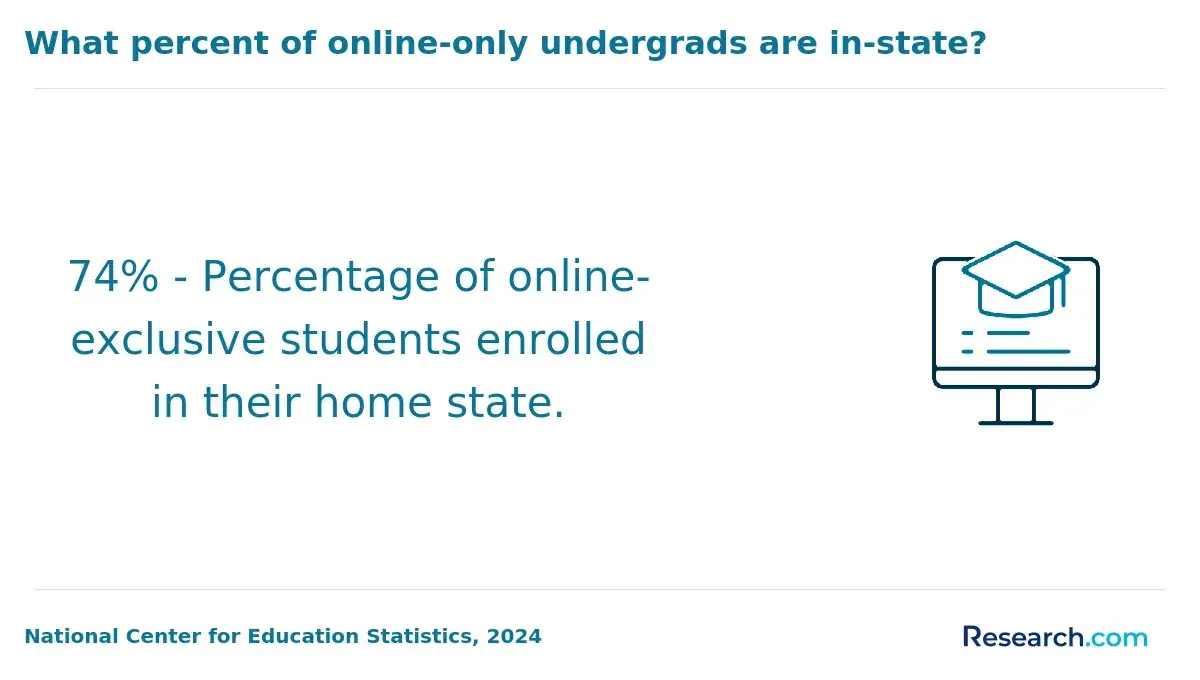
Addressing real-world challenges like equity, diversity, and accountability is integral. Concentrations may include public ethics or sustainability management, spotlighting governance that promotes transparency and long-term social responsibility. Online programs often accommodate working professionals, with 74% of online graduate students enrolled while employed full time. According to BestColleges' Online Education Trends Report, 69% credit online learning for enabling enrollment they otherwise could not pursue, supporting those committed to public service in balancing career and study.
For those wondering is project management a good degree to combine with their public service-oriented administration concentrations, project management skills can enhance program delivery and organizational impact.
What are the admission requirements and application materials for online public administration programs?
Admission to online public administration programs usually requires a bachelor's degree from an accredited university with a minimum GPA around 2.5 to 3.0. Some programs expect prior coursework in public administration or social sciences, while others welcome applicants from diverse academic fields.
Common application materials include:
- Completed application form
- Official transcripts from all post-secondary institutions
- Current resume emphasizing relevant work experience in public service or management
- Personal statement outlining career goals and motivation
- Two or three letters of recommendation from professional or academic referees
- SAT or GRE test scores if required, though many waive these for experienced professionals or those with advanced degrees
- Proof of English proficiency (TOEFL, IELTS) for non-native speakers
An online interview may also be requested to evaluate communication skills and program fit. Applicants should be prepared to demonstrate their capacity for independent and rigorous study.
Affordability often influences application choices. According to the Education Data Initiative's analysis, fully online master's programs cost on average 23% less in total expenses than comparable in-person programs when considering lost wages, commuting, and housing. This cost advantage makes online public administration degrees especially appealing to working professionals seeking flexible, budget-friendly options.
How long do online public administration degrees take, and how are programs structured?
Online public administration degrees generally take between 18 months and 3 years to complete, depending on enrollment status and program format. Full-time students often finish accelerated tracks in 12 to 18 months, whereas part-time students, including working professionals, usually require 2 to 3 years. Flexible pacing options are increasingly common, allowing some learners to extend their studies beyond three years if necessary.
Coursework typically includes core classes, electives, and capstone projects or theses. Core courses cover foundational topics such as policy analysis, organizational management, budgeting, and governance. Many programs emphasize mission-driven management areas including ethics, equity, and effective governance. According to a NASPAA curriculum survey, over 80% of accredited MPA programs have updated or added significant coursework on equity, diversity, and inclusion since 2020, reflecting evolving public sector priorities.
Delivery formats often combine asynchronous lectures, live seminars, group projects, and practical simulations. Internships or applied research opportunities may be available based on student goals. Hybrid models typically require occasional campus visits but mostly allow remote learning to accommodate professionals.
Program design balances comprehensive knowledge with flexibility for varied student needs. Prospective students should consider options such as part-time enrollment, credit transfer, and competency-based assessments. Understanding course sequencing and residency demands helps optimize graduation timelines and prepares graduates for leadership roles in mission-driven public service.
How much do online public administration degrees cost, and what financial aid is available?
Costs for an online public administration master's program typically range from $10,000 to $40,000, influenced by factors such as institution prestige, public versus private status, and program duration. Public universities usually charge between $10,000 and $20,000 for in-state students, while private schools often exceed $35,000. Doctoral programs tend to be more expensive, sometimes surpassing $50,000. Tuition models vary, with some institutions charging per credit and others offering flat rates for full course loads.
Financial aid is crucial for many students and includes options like federal student loans, Pell Grants, and state-specific grants aimed at those pursuing public service. Merit-based scholarships and assistantships are also available, especially for candidates with relevant professional or academic experience. Employer tuition reimbursement can significantly reduce costs for working professionals, particularly in the public sector. Veterans and active-duty military personnel should consider benefits such as the GI Bill.
- Flexible payment plans offered by some schools can help manage expenses over time
- Using net price calculators assists in estimating actual costs after aid
- More than 60% of accredited programs now require courses in data analytics, performance measurement, or evidence-based decision making, which may affect program length and debt
What careers can graduates pursue with an online public administration degree focused on mission-driven management?
Graduates holding an online public administration degree with a focus on mission-driven management have diverse career paths within government, nonprofit, and community sectors. Common roles include social and community service managers, nonprofit organization directors, policy analysts, program coordinators, and city managers. These positions demand expertise in managing resources, staff, and stakeholder relations while advancing social mission goals.
The U.S. Bureau of Labor Statistics forecasts a 6% job growth for social and community service managers from 2024 to 2034, reflecting a faster-than-average increase driven by growing demand for effective management of community and nonprofit services.
Opportunities also exist in federal, state, and local government agencies focusing on health services, housing, education, and public safety. Roles such as human services administration or environmental program management enable professionals to lead efforts benefiting the public. Additionally, graduates may pursue positions as grant managers or development directors, where managing and securing funding is crucial for program sustainability.
Those interested in nonprofit governance can advance to board member or executive director roles, requiring strategic vision and accountability. Online programs frequently emphasize skills like data analysis, budgeting, and organizational leadership, combined with ethical leadership principles, preparing students to navigate challenges in mission-focused environments.
What salary ranges and job outlook can public administration graduates expect in government and nonprofits?
Graduates in public administration can expect salaries ranging widely based on role, experience, and location. Entry-level positions such as program analysts, budget officers, and municipal managers generally start between $45,000 and $60,000 annually. Professionals with more experience often earn between $70,000 and $100,000, especially in specialized roles like policy advisors and nonprofit executive directors. Senior leaders or directors at large agencies or well-funded nonprofits may earn more than $120,000. According to the U.S. Bureau of Labor Statistics, typical public administration roles like city managers and administrative services managers have a median annual salary near $98,000.
The job outlook shows steady growth of about 6% through 2030, consistent with the average for all occupations. Expansion is strongest in public-sector innovation and digital governance fields. The UN Department of Economic and Social Affairs' 2024 World Public Sector Report notes that over half of OECD countries increased hiring in innovation and governance roles from 2020 to 2023.
Employers increasingly value skills in data analysis, digital project management, and stakeholder engagement. Graduates should pursue positions emphasizing mission-driven management and adaptability to changing policies. Those enrolled in online MPA programs can position themselves well for emerging careers such as digital governance specialists, grant managers, and sustainability coordinators.
How can prospective students evaluate and choose the best online public administration program for their goals?
Prospective students should verify program accreditation to ensure quality and broader career recognition. NASPAA accreditation is widely regarded as the gold standard for public administration programs. According to NASPAA's school directory, there are over 200 accredited master's programs worldwide, with many offering fully or primarily online options, providing flexibility for working professionals.
Curriculum alignment with career goals is essential. For example, those interested in nonprofit management should seek programs with a strong mission-driven leadership focus. Others might prioritize courses in policy analysis or urban governance. Reviewing course descriptions and faculty expertise helps identify programs with relevant specializations, many of which offer customizable tracks or electives.
Flexibility and program delivery matter, especially for online students balancing multiple commitments. Programs with asynchronous classes, recorded lectures, and accommodating deadlines support diverse schedules. It's important to evaluate technology platforms and available academic support services such as tutoring and career counseling.
Cost considerations and financial aid opportunities impact affordability. Comparing tuition rates and investigating scholarships or employer tuition assistance programs can make education more accessible. Some institutions also offer discounted fees for in-state residents or partnership agreements.
Finally, examining outcomes data such as graduate employment rates, internship availability, and alumni networks helps assess the program's return on investment. Prospective students can request this information from admissions offices or consult national education reports for detailed comparisons.
Other Things You Should Know About Public Administration
Successful public administration professionals typically develop strong leadership, communication, and analytical skills. They must also be adept at policy analysis, budgeting, and managing diverse teams to effectively serve community needs. Ethical decision-making and a solid understanding of government regulations are also essential in this field.
Yes, many online public administration programs include coursework and practical experiences focused on nonprofit management and leadership. Students learn about fundraising, program development, and stakeholder engagement, equipping them to lead mission-driven organizations effectively. These programs often emphasize values aligned with public service and social impact.
Many online programs require or strongly encourage internships, practicums, or capstone projects to provide real-world experience. Students often have the flexibility to complete these practical components locally or within their communities. These experiences help bridge theoretical learning with applied public administration skills.
Yes. Many 2027 online public administration degrees require a capstone in the final term, usually worth 3 to 6 credit hours. Students complete an applied project for a city, agency, or nonprofit and submit a written report or presentation reviewed by faculty.
References
- The quality and accreditation of online public administration programs https://ir.unisa.ac.za/handle/10500/30313
- 2025 Most Affordable Online Public Administration Degrees https://www.onlineu.com/most-affordable-colleges/public-administration-degrees
- Best 73 Online MPA Programs for 2024-2025 Academic Year https://www.mastersofpublicadministration.org/top-online-mpa-programs
- Online Master of Public Administration Programs at Barry University https://online.barry.edu/degrees/business/masters-public-administration/
- Public Administration Scholarships and Online Resources for Students https://www.degreesforgood.org/financial-aid/scholarships/public-administration/
- Online Master's Degree in Public Administration https://www.monroeu.edu/academics/king-graduate-school/online-masters-degree-public-administration
- Roster of Accredited Programs https://www.naspaa.org/accreditation/roster-accredited-programs
- How Long Does It Take to Earn an Online MPA Degree – Full-Time vs. Part-Time Programs https://www.onlinempaprograms.com/faqs/length-of-mpa-programs
- Network of Schools of Public Policy, Affairs, and Administration, Commission on Peer Review and Accreditation - (NASPAA-COPRA) https://www.chea.org/network-schools-public-policy-affairs-and-administration-commission-peer-review-and-accreditation
- What Does a Public Administrator Do? https://www.allbusinessschools.com/public-administration/career-paths/