2027 How to Choose Between Public Administration, Public Policy, and Nonprofit Management Degrees

Co-Founder and Chief Data Scientist
Choosing the right graduate degree can be daunting for those aiming to enter public service, especially when options like public administration, public policy, and nonprofit management overlap in career outcomes. Many prospective students struggle to identify which program best suits their skills, interests, and professional goals. The challenge intensifies for individuals transitioning from unrelated fields seeking flexible, accredited paths to a meaningful career in public service. This article clarifies the distinctions among these degrees, explores their core focuses, and guides readers in selecting a program aligned with their aspirations and the demands of the evolving public sector landscape.
Key Things You Should Know
- Public administration focuses on managing government agencies, public policy centers on analyzing and crafting policies, while nonprofit management emphasizes leading charitable organizations.
- According to 2025 data, job growth for public administration roles is projected at 8%, with policy analysts growing 10%, and nonprofit managers at 9%, reflecting diverse career trajectories.
- Choosing between these degrees depends on career goals: administrative leadership, policy research, or nonprofit sector impact, with overlapping skills but distinct professional applications.
What are the key differences between public administration, public policy, and nonprofit management degrees?
The key distinctions between public administration and public policy degree differences lie in their core emphasis and career outcomes. Public administration degrees focus on managing government agencies, implementing programs, and overseeing budgeting and human resources. The 2024 NASPAA Alumni Survey reveals that 58% of MPA graduates reported working primarily in government roles, highlighting this practical orientation. Students interested in pathways like city management might explore options such as the best online MPA programs for accelerated learning.
Public policy degrees, by contrast, center on policy analysis, evaluation, and the design of social, economic, and environmental policies. They train students in research methods, statistical analysis, and economic modeling. According to the same survey, 62% of MPP graduates work mainly in policy analysis or research-focused positions, making it suitable for those seeking roles in think tanks or legislative analysis.
Nonprofit management degrees emphasize sector-specific leadership skills, including fundraising, volunteer coordination, and nonprofit financial management. Graduates typically pursue careers in charitable organizations, foundations, or advocacy groups.
When comparing public administration vs public policy degree differences and the key distinctions between public policy and nonprofit management degrees, consider career goals:
- Public administration suits those focused on government operations and leadership.
- Public policy is ideal for policy creation, evaluation, and analytical expertise.
- Nonprofit management benefits those committed to mission-driven nonprofit leadership.
This clarity helps prospective students align their education with targeted job functions and sectors to maximize skill relevance and career success.
Which degree is best for my career goals in government, policy, or the nonprofit sector?
Choosing between public administration vs public policy career paths depends on your focus area. A public administration degree suits those seeking leadership and management roles in government agencies, emphasizing budgeting, organizational management, and public service delivery. Graduates often pursue careers as city managers or agency administrators. In contrast, a public policy degree is ideal for individuals interested in designing, researching, and evaluating policies, fitting roles in think tanks, legislative settings, or advocacy groups.
For those targeting nonprofit careers, the best degree for nonprofit management careers focuses on fundraising, program development, and volunteer coordination. This pathway is designed for leadership positions in mission-driven organizations such as charitable foundations and community outreach programs.
The U.S. Bureau of Labor Statistics projects 9.1% employment growth for social and community service managers from 2022 to 2032, with about 16,000 openings annually, reflecting strong demand in both public administration and nonprofit leadership sectors. When deciding which path to pursue, consider:
- Whether policy analysis or organizational leadership fits your interests.
- The sector you want to impact: government, policy advocacy, or nonprofit causes.
- Skills you want to acquire, like statistical analysis in public policy or fundraising in nonprofit management.
- Long-term career flexibility, as public administration degrees often offer broader opportunities across sectors.
Prospective students should evaluate program curricula carefully and seek internships aligned with their goals. For professionals interested in healthcare administration as part of public sector service, exploring an MHA degree can also offer valuable skills and career options.
How do job prospects and salary ranges compare for public administration, public policy, and nonprofit management careers?
Job prospects and salary comparison for public administration and policy careers show notable variation across different roles. Social and community service managers, common among public administration and nonprofit management graduates, earned a national median salary of $86,100 in May 2024, with top earners exceeding $100,600. Public administration positions, often found in government agencies or city management, typically provide stable employment with salaries from $60,000 to $100,000, especially for mid-level managers in large urban areas.
Career growth and earning potential in nonprofit management and public administration often come through managerial roles. Nonprofit management professionals may start near $45,000 but can earn salaries close to or above the median as they gain experience and work in larger organizations with stronger funding. Public policy graduates frequently work as policy analysts, consultants, or researchers, with starting salaries between $55,000 and $75,000 and potential to exceed $90,000 in federal or think tank positions. These salaries vary based on specialization and sector.
Prospective students should consider their career goals and local job markets carefully. For those interested in affordable pathways, exploring the cheapest construction management degree options may offer additional financial flexibility when planning education and training.
What admission requirements and prior experience do these master's and bachelor's programs typically expect?
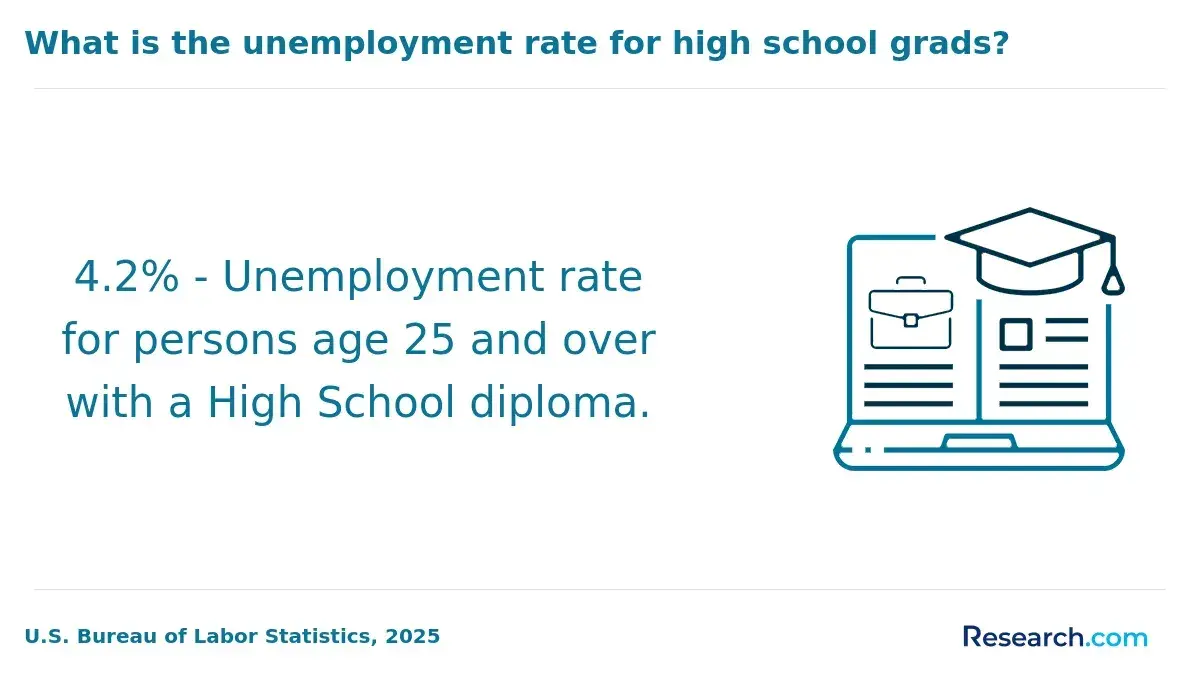
Admission criteria for bachelor's programs in public administration, public policy, and nonprofit management usually include a high school diploma or equivalent, competitive GPA (around 3.0 or higher), and standardized test scores like the SAT or ACT. Many programs value demonstrated interest through community service or extracurricular activities related to governance or social impact.
Master's programs such as the Master of Public Administration (MPA) or Master of Public Policy (MPP) typically require a bachelor's degree from an accredited institution with a minimum GPA of 3.0. Letters of recommendation, a statement of purpose, and relevant work experience are often required. Many programs prefer candidates with 1-3 years of professional experience in government, nonprofits, or related sectors, reflecting the required experience for public policy and nonprofit management programs. Nonprofit management degrees may emphasize previous nonprofit involvement or volunteer leadership roles.
Standardized tests like the GRE are often optional but may be required by some programs. International applicants must meet English proficiency standards such as TOEFL or IELTS. Selective programs might also request portfolio submissions or interviews. Graduates of NASPAA-accredited public affairs programs who earned an MPA at public institutions and worked in government demonstrate a lower median student-loan payment-to-salary ratio of about 6-8% compared to 10-12% in other professional fields, indicating favorable debt-to-income dynamics.
Those exploring options for flexible education can consider an online project management degree as a complementary skill set for careers in public administration and policy.
How do online, hybrid, and on-campus programs in these fields compare for flexibility and quality?
Programs in public administration, public policy, and nonprofit management come in online, hybrid, and on-campus formats, each offering distinct advantages. Online options provide unmatched flexibility, ideal for working professionals and those in remote locations. This format allows students to juggle work, family, and study without geographic restrictions, though it can limit direct networking and real-time faculty interaction, impacting engagement.
Hybrid programs blend online learning with scheduled on-campus sessions, balancing convenience with face-to-face interaction. This approach suits those who value practical experiences like workshops, internships, or live seminars while maintaining flexibility for part-time study.
On-campus programs offer immersive experiences with immediate feedback, access to faculty, networking events, and student organizations. They often require relocation or commuting and full-time commitment, which can reduce accessibility for working adults but enhance depth of engagement.
Quality depends on accreditation, faculty expertise, and curriculum rigor rather than delivery mode. Prospective students should verify these elements and choose programs aligned with their career goals. Considering employment outcomes, about 40% of recent MPA graduates from NASPAA member schools work in government, 26% in nonprofit organizations, and 19% in the private sector, highlighting the importance of selecting programs with strong sector connections.
What core courses and specializations are common in public administration, public policy, and nonprofit management programs?
Core courses in public administration, public policy, and nonprofit management programs develop essential skills in governance, policy analysis, and organizational leadership. Typical classes cover financial management and budgeting, human resources administration, ethics in public service, and quantitative research methods. Students also learn program evaluation techniques to effectively assess government or nonprofit initiatives.
Public administration programs focus on managing public organizations with coursework in public sector leadership, intergovernmental relations, and administrative law. Public policy degrees emphasize policy formation and analysis, including econometrics, microeconomic theory, and policy design. Nonprofit management integrates topics such as fund development, volunteer coordination, and nonprofit governance.
Specializations help tailor expertise to various career goals. Examples include healthcare administration, environmental policy, urban planning, and social justice advocacy. Nonprofit leaders may specialize in grant writing or financial sustainability, while public policy students might focus on economic policy or globalization. Public administration students often choose emergency management or public finance.
About 49% of nonprofit and social services managers held a master's degree or higher, with MPA, MPP, and nonprofit management master's programs as the primary graduate credentials for executive roles (U.S. Bureau of Labor Statistics Occupational Requirements Survey 2024).
Examining program curricula to balance theoretical knowledge with applied skills is key for students aiming for leadership in public and nonprofit sectors.
How long do these degrees take to complete, and what tuition, fees, and financial aid should I expect?
Degrees in public administration, public policy, and nonprofit management require two to four years of study, depending on the degree level and format. Bachelor's programs usually take four years of full-time study, while master's degrees often require 1.5 to 2 years for full-time students. Part-time and accelerated options can affect these timelines.
Tuition costs vary widely based on whether the institution is public or private and on residency status. Public universities typically charge in-state students between $8,000 and $15,000 annually, whereas private institutions often have yearly tuition ranging from $20,000 to $40,000. Online programs may offer savings and greater flexibility, but their prices can differ significantly.
Financial aid resources, including federal FAFSA grants and loans, scholarships, fellowships, and employer tuition assistance programs, can substantially reduce expenses. Prospective students should explore specific programs for available funding options like assistantships and scholarships.
The U.S. Bureau of Labor Statistics reports that state and local government and nonprofit sectors account for nearly 80% of social and community service manager jobs, with the highest concentration in major metropolitan areas. This highlights the strong demand for public administration and nonprofit leadership roles in urban regions.
Balancing program length, cost, and financial aid options is essential for an effective educational path toward careers in these sectors.
What accreditations and institutional quality indicators should I look for when comparing programs?
Accreditation by NASPAA (Network of Schools of Public Policy, Affairs, and Administration) remains the key marker of quality for degrees in public administration, public policy, and nonprofit management. NASPAA's standards ensure programs deliver rigorous curriculum, expert faculty, and strong student outcomes. According to the NASPAA Online Education in Public Affairs Report 2024, online and hybrid MPA graduates achieve nearly 90% full-time employment within six months of graduation, comparable to on-campus peers. This highlights consistent program quality across delivery modes.
Institutional quality also depends on factors such as faculty credentials, research output, and practicum or internship opportunities. Programs with doctoral-level professors and relevant professional experience equip students with valuable insights and updated knowledge. Hands-on internships in government or nonprofit sectors boost graduate competitiveness in the job market.
When choosing a program, consider overall university reputation, regional accreditation, and alignment with your career goals. Look for specialized tracks or partnerships with local agencies that can enhance career prospects. Verify graduate employment rates and networking support available to students.
Flexible learning options benefit working professionals balancing education with other commitments. Research confirms that program mode of delivery does not negatively impact employment outcomes when NASPAA accreditation and program quality are assured.
Which jobs, sectors, and advancement pathways are most common for each type of degree?
Graduates with a public administration degree typically find roles in government agencies at local, state, or federal levels. Common positions include budget analysts, policy advisors, city managers, and program administrators. Career advancement often moves from analyst or coordinator roles into senior management or agency leadership, with some professionals transitioning to elected office or executive roles.
Those holding nonprofit management degrees frequently join social services, education, health, and advocacy organizations. Typical job titles include development director, program manager, grant writer, and nonprofit consultant. Progression often leads to executive director roles or expanding expertise in fundraising and strategic planning.
Public policy graduates usually work in research institutions, think tanks, advocacy groups, or government policy offices. Positions such as policy analyst, legislative assistant, and research advisor are common, with growth toward senior analyst, policy director, or legislative liaison roles.
According to the 2024 NASPAA Alumni Survey, roughly one-third of MPA graduates changed sectors-such as moving from private to public or nonprofit fields-within five years, highlighting notable career mobility. Public administration and nonprofit management degrees equip mid-career professionals with valuable leadership, budgeting, and strategic skills that apply across sectors.
How can I systematically compare schools and narrow down my list of programs to apply to?
Identify programs that align closely with your career goals in public administration, public policy, or nonprofit management. Compare them by curriculum depth, faculty expertise, and available specializations. Prioritize programs offering practical experience such as internships or collaborative projects with government or nonprofit organizations to enhance job readiness.
Evaluate program reputation and alumni outcomes through independent academic rankings and career services data. Key metrics include graduate employment rates, average time to placement, and sectors where alumni typically work. For context, employees in state and local government have a median tenure of 6.8 years, compared with 3.7 years in the private sector, highlighting the value of strong public sector networks (U.S. Bureau of Labor Statistics, Employee Tenure Summary 2024).[8]
Verify accreditation from bodies like NASPAA or recognized regional authorities to ensure program quality. Consider total costs, including hidden fees, and available financial aid options. The delivery format-online, in-person, or hybrid-also affects your networking and flexibility.
Look for career support services such as job placement assistance and mentorship programs. Engage with current students or alumni to gauge program strengths and weaknesses. Narrow your choices by ranking programs on professional fit, cost, and schedule compatibility. This method helps you select programs offering strong career support and stability.
Other Things You Should Know About Public Administration
A public administration degree offers versatility across multiple sectors, including government agencies, nonprofit organizations, and private companies involved in public affairs. Graduates can work in areas like budgeting, human resources, program evaluation, and policy implementation, making the degree adaptable to a wide range of professional roles.
Yes, while public administration professionals are primarily focused on implementing and managing policies rather than creating them, they often play a critical role in advising policymakers and ensuring laws and regulations are executed effectively. Their expertise in organizational management supports data-driven decision-making that shapes policy outcomes indirectly.
Successful public administration professionals need strong leadership, communication, and analytical skills. Additionally, proficiency in budgeting, ethical management, and knowledge of governmental processes are essential. These skills help administrators handle complex organizational challenges and promote transparency and accountability.
References
- 9 Different Types of Business Degrees and Career Paths https://www.umassglobal.edu/blog-news/9-different-types-business-degrees-and-career-paths
- Graduate Program Requirements: Your Roadmap to Grad School https://bemoacademicconsulting.com/blog/graduate-program-requirements
- Hybrid class vs. online: Choosing the best for your student https://www.asuprepdigital.org/blog/hybrid-class-vs-online/
- Public Administration Jobs | A Career Serving the Public Good https://www.tuw.edu/school-news/public-administration-jobs/
- The MBA Degree as a Stepping Stone to Public Sector and Nonprofit Leadership | Articles | Unimy https://www.unimy.com/article/the-mba-degree-as-a-stepping-stone-to-public-sector-and-nonprofit-leadership
- Planning for Higher Ed’s Digital-First, Hybrid Future | EAB https://eab.com/resources/insight-paper/plan-digital-first-hybrid-future-higher-ed/
- Online vs Hybrid vs On-Campus: Which Fits You? https://myaolcc.com/online-vs-hybrid-vs-on-campus-learning/
- Online Specialization in Public and Non-Profit Management | Colorado State University Global https://csuglobal.edu/academic-programs/undergraduate-specializations/undergraduate-specialization-public-non-profit-management
- Public Administration vs Management: What is the difference? - MANCOSA https://www.mancosa.co.za/blog/what-is-public-management-why-should-you-study-it/
- Performance Indicators in Higher Education Institutions: A Comparative Analysis of International Reference Models https://www.eua.eu/publications/conference-papers/performance-indicators-in-higher-education-institutions-a-comparative-analysis-of-international-reference-models.html