2027 Best Online MPA Programs With Organizational Leadership Concentrations

Co-Founder and Chief Data Scientist
Transitioning into public administration from a different academic background can be daunting, especially when seeking leadership roles focused on organizational growth and strategy. Many prospective students struggle to find programs that balance flexible learning schedules with specialized training in organizational leadership. Without clear guidance, they risk enrolling in programs that do not align with career goals or lack accreditation. This article reviews top online MPA programs offering organizational leadership concentrations, highlighting key features, accreditation, and flexibility to help readers identify the best options for their career transition.
Key Things You Should Know
- Online MPA programs with organizational leadership concentrations blend core public administration skills with advanced leadership training, preparing graduates for diverse management roles in government and nonprofit sectors.
- As of 2025, about 65% of accredited institutions offer fully online or hybrid MPA programs, reflecting growing demand for flexible, career-compatible higher education options.
- Graduates of these programs report a median salary increase of 15-20% within three years, highlighting strong career advancement potential in administration and leadership positions.
What is an online MPA in organizational leadership?
An online MPA in organizational leadership prepares students for leadership roles in public sector, nonprofit, and mission-driven organizations. This graduate degree blends core public administration principles with leadership strategies, ethical decision-making, and organizational management. Students develop skills to manage diverse teams, implement policy changes, and navigate complex bureaucratic environments.
The curriculum commonly covers strategic planning, human resources management, financial administration, and change management. Many programs emphasize data-driven decision-making and communication skills critical for stakeholder engagement. Some courses specialize in crisis management, conflict resolution, or community-based leadership. These online mpa programs with organizational leadership focus provide working professionals flexibility to study while continuing their careers.
Graduates with master of public administration degrees in organizational leadership often advance to roles such as program directors, policy analysts, city managers, or nonprofit executives. Demand for these skills is rising: a recent Graduate Management Admission Council survey reported that 86% of government and nonprofit employers planned to hire candidates with graduate management degrees, reflecting the need for sophisticated leadership expertise.
Prospective students should evaluate programs on accreditation, faculty expertise, and course flexibility to ensure immediate practical application. For those exploring related paths, an online health administration degree may offer additional career opportunities.
Which accreditation matters for online MPA programs?
The most important accreditation for online MPA programs with organizational leadership concentrations is from the Network of Schools of Public Policy, Affairs, and Administration (NASPAA). NASPAA sets the accreditation standards for organizational leadership degrees by ensuring programs meet strict criteria related to curriculum quality, faculty expertise, student outcomes, and ethical practices. A degree from a NASPAA-accredited program is widely respected by employers in government and nonprofit sectors.
Regional accreditation for online MPA programs, such as from the Higher Learning Commission (HLC) or Middle States Commission on Higher Education (MSCHE), is also vital. This type of accreditation verifies the overall academic standards of the institution and eligibility for federal financial aid, but it does not specifically certify the quality of public administration education.
Prospective students focused on nonprofit leadership should confirm their program addresses the unique challenges of the nonprofit sector. The 2024 Nonprofit Workforce Trends Report reveals 69% of nonprofits saw increased demand for services but only 49% had sufficient leadership and management capacity. This highlights the importance of choosing programs that prepare strong organizational leadership skills.
- Choose NASPAA accreditation to validate specialized public administration training.
- Ensure regional accreditation to guarantee institutional legitimacy and financial aid access.
- Assess if leadership curriculum aligns with evolving sector demands.
Without these accreditation elements, students risk earning degrees less recognized by employers or lacking essential leadership competencies in high-demand fields like nonprofit management and public sector administration. For those weighing educational options, exploring the quickest online project management degree may also offer valuable career advancement pathways.
How do online and campus MPA formats differ?
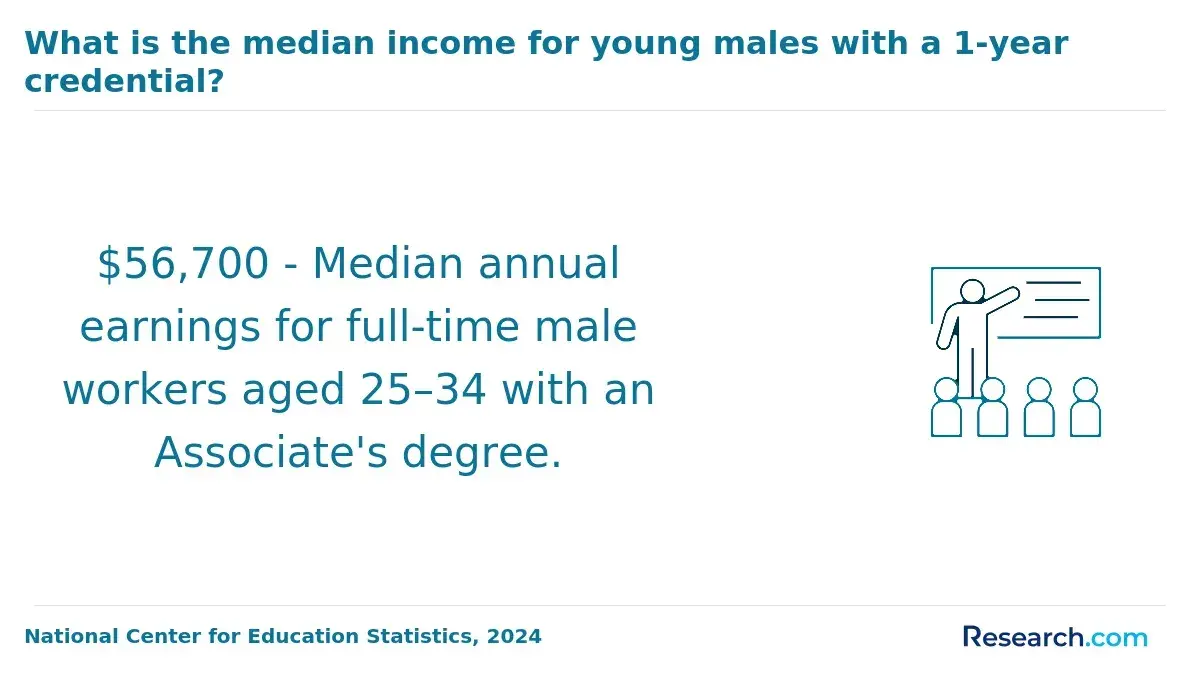
Online and campus programs for MPA differ mainly in delivery, schedule flexibility, and interaction style. Online MPAs provide asynchronous coursework, letting students balance work and personal life while accessing materials anytime. Campus options require fixed schedules and on-site attendance, benefiting those who prefer direct engagement and access to campus resources.
Campus programs offer immediate networking, face-to-face discussions, and practical experiences such as internships or group projects. Online formats foster collaboration through live sessions and forums but depend on students' self-discipline and time management skills. This is especially relevant for those exploring organizational leadership concentration in online MPA programs, where digital simulations compensate for the lack of physical presence.
Students should evaluate their work commitments, learning styles, and career goals. Working professionals often gain from online formats' flexibility without sacrificing rigorous curriculum needed for leadership roles in public administration. Technological proficiency is crucial for online learners, while campus students experience institutional culture and career services that may enhance job placement.
According to the U.S. Bureau of Labor Statistics, employment in administrative services and facilities management in government is expected to grow 5% over the next decade, with a median annual wage of $105,770. Exploring related fields, prospective students may also consider an MBA healthcare management for tailored career advancement opportunities.
What courses are in an organizational leadership concentration?
Courses in an organizational leadership concentration within online MPA programs develop vital skills in management, communication, strategic planning, and ethical decision-making tailored to public sector settings. Core classes often include Leadership Theory and Practice, examining leadership models in government and nonprofits; Organizational Behavior, which explores group dynamics and motivation; and Financial Management for Public Organizations, focused on budgeting and resource allocation.
The curriculum for organizational leadership concentration in MPA frequently covers Strategic Planning and Policy Implementation, preparing students to lead initiatives effectively. Ethics in Public Service emphasizes accountability and transparent governance, while Human Resource Management addresses recruitment and labor relations in public settings. Communication Strategies courses enhance stakeholder engagement and conflict resolution skills.
Electives may offer specialization in areas such as data-driven decision-making, nonprofit management, or crisis leadership. Practical training through case studies, simulations, and internships equips students for real-world challenges.
Graduates are prepared to lead diverse teams, manage complex projects, and navigate political environments with confidence. According to a Georgetown University Center on Education and the Workforce analysis, master's degree holders in public administration and social services earn about $17,000 more annually than bachelor's degree holders in similar fields, equating to roughly $680,000 in additional lifetime earnings. For professionals seeking accelerated advancement, exploring an accelerated business program can further enhance career prospects.
What are the admission requirements for online MPA programs?
Online MPA programs with organizational leadership concentrations generally require a bachelor's degree from an accredited institution and official transcripts demonstrating a minimum GPA around 3.0. Some programs may accept slightly lower GPAs with additional qualifications. Applicants should submit a current resume or curriculum vitae highlighting leadership experience across public, nonprofit, or private sectors.
Most schools request two to three letters of recommendation from supervisors, academic mentors, or professional colleagues who can speak to leadership potential and graduate-level readiness. A statement of purpose or personal essay is essential, outlining career goals and motivation for pursuing an MPA in organizational leadership. While some programs require GRE or GMAT scores, many waive this for candidates with significant work experience or advanced degrees.
Application deadlines vary, with multiple start dates offered to accommodate working professionals. Part-time enrollment and asynchronous coursework are common, helping students balance jobs and studies. According to research, 74% of online graduate students work full-time while enrolled, and 63% choose online programs to maintain employment, highlighting the value of flexible admission policies.
International students must provide proof of English proficiency, such as TOEFL or IELTS scores. Some programs include interviews via video to evaluate communication skills and cultural fit. Reliable internet access and compatible devices are required for successful online participation.
How long does an online MPA program usually take?
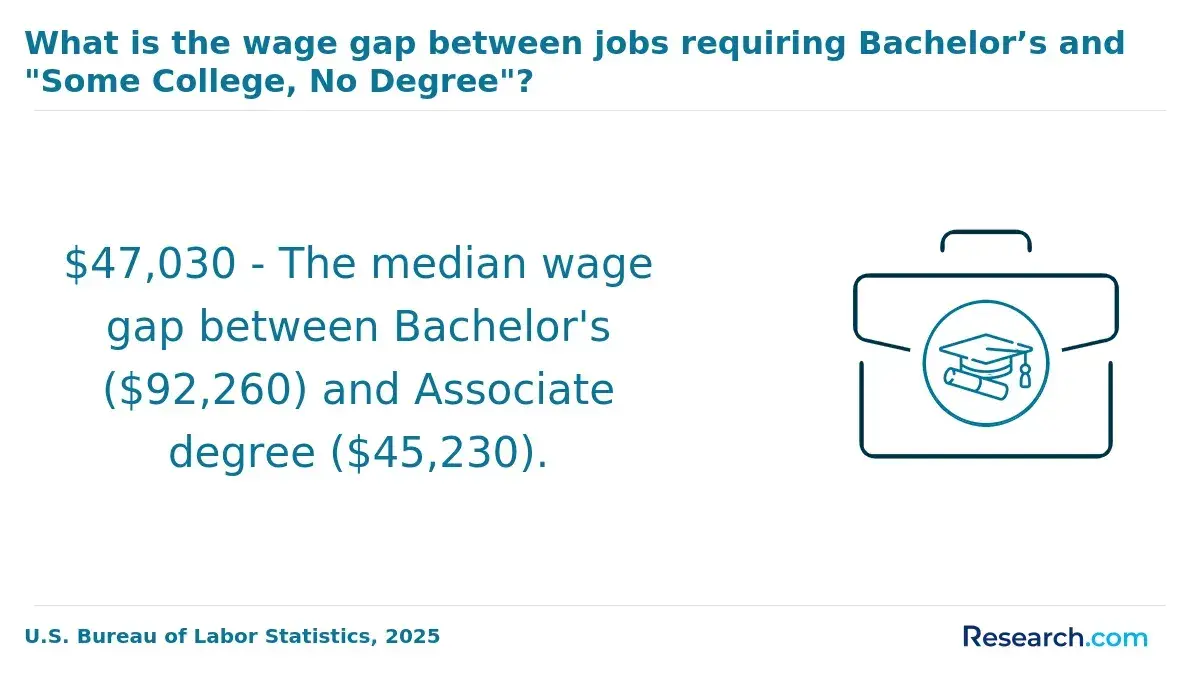
Online MPA programs usually require two to three years to complete when studying full-time. Part-time options extend the duration to four or more years, accommodating professionals who work while studying. Some programs offer accelerated paths, allowing completion in 12 to 18 months, though these demand a heavier course load and more time commitment. Program length depends on factors such as course availability, credit hour requirements, and whether classes are synchronous or asynchronous.
Students should align program length with their personal schedules and career objectives. Full-time study suits those aiming for rapid advancement in leadership roles, while part-time and hybrid formats provide flexibility to maintain employment alongside academic progress.
According to data from the Network of Schools of Public Policy, Affairs, and Administration (NASPAA), over 60% of NASPAA-accredited U.S. MPA and MPP programs now include fully online or hybrid options. This shift improves accessibility and meets accreditation criteria for online public administration education.
Program requirements typically range from 36 to 48 credit hours. Choosing concentrated course sequences, especially in organizational leadership tracks, can influence duration. Thesis or capstone projects may add extra time due to research or project demands.
Prospective students should verify specific program timelines and flexibility with schools, considering course schedules, credit loads, and breaks to match their personal situations and ambitions.
How much do online MPA programs with leadership focus cost?
Online MPA programs with an organizational leadership focus generally range from $15,000 to $60,000 in total tuition, influenced by factors such as the institution, program length, and residency. Public universities tend to offer more affordable rates for in-state students, with annual tuition typically between $8,000 and $20,000. In contrast, private institutions often charge $25,000 to $60,000 for the full degree. These amounts may or may not include additional fees, course materials, or technology costs.
Financial aid options like scholarships, employer tuition assistance, and federal loans can play a significant role in lowering out-of-pocket expenses. Many programs price tuition per credit hour, commonly ranging from $500 to $1,200, enabling students to control costs by adjusting their course load.
Leadership-focused online MPAs often include coursework in ethics and change management. This aligns with data from the International City/County Management Association, where 77% of local government managers identified leading organizational change as the most critical skill for the future, yet only 39% felt their workforce was prepared. Investing in such programs equips students with these essential competencies.
Students who balance work and study should look for programs that offer flexible enrollment or accelerated options. Additionally, some universities provide reduced tuition rates for military personnel or public-sector workers.
What careers can you pursue with an organizational leadership MPA?
An organizational leadership MPA prepares graduates for key roles in public, nonprofit, and private sectors. Careers include city or county manager, policy analyst, program director, human resources manager, and nonprofit executive director. These roles require managing teams, developing strategies, and improving organizational efficiency while navigating regulatory environments and fostering collaboration.
Other career paths include budget analyst, community development director, and operations manager. For example, budget analysts ensure fiscal responsibility, while community development directors coordinate programs to enhance local services. These roles demonstrate the versatility of an organizational leadership MPA across diverse sectors.
Demand for these skills continues to grow. The Council of Graduate Schools' 2024 Graduate Enrollment and Degrees report highlights a 7.3% increase in first-time enrollment in public administration and services master's programs between Fall 2021 and Fall 2023, surpassing the 1.2% overall graduate enrollment growth. This trend underscores rising selectivity and a need for capable leaders in complex organizations.
Salaries vary by sector and experience but generally offer competitive compensation with opportunities for advancement. Graduates often move into consulting or policy advising roles, applying leadership and management skills acquired through their MPA. Expertise in budgeting, regulatory frameworks, and organizational behavior is essential for success in these careers.
What salaries do MPA graduates in leadership roles earn?
MPA graduates concentrating in organizational leadership often earn competitive salaries that reflect their advanced management and public sector strategy skills. Entry-level leadership professionals may start around $55,000 annually, while mid-career managers typically earn between $75,000 and $95,000. Senior executives or directors with extensive experience sometimes exceed $120,000, especially in large government agencies or metropolitan areas.
Salary varies based on sector, location, and role complexity. Nonprofit leaders in smaller communities generally earn less than those in federal government roles or large healthcare organizations. Specialists handling complex budgets or leading organizational change command higher pay due to their greater responsibilities.
Considering the return on investment is crucial when pursuing an online MPA program. Average in-state graduate tuition and fees at public institutions reached $12,960, highlighting the value of affordable, employer-supported online options that allow working professionals to upskill without significant financial strain.
Graduates should evaluate salary trends alongside program costs and timelines. Accelerated online programs with practical curricula can boost income potential soon after graduation. Effective career planning also involves negotiating salaries based on demonstrated leadership skills and sector-specific benchmarks to maximize earnings in the public, nonprofit, and private sectors.
How do you choose the best online MPA program?
When choosing an online mpa program with an organizational leadership concentration, prioritize curriculum that addresses digital transformation, AI integration, and change management. These areas are vital, as 83% of public sector leaders foresee significant organizational change by 2030, yet only 38% feel their leadership pipeline is prepared (Deloitte, Government Trends 2024). Programs focused on these topics equip students with essential skills for future public sector challenges.
Accreditation by respected bodies like NASPAA ensures a program meets high quality standards tailored to public administration education. Flexibility is another key factor: look for asynchronous courses, part-time options, or accelerated paths designed for working professionals. Faculty expertise in organizational leadership and digital government is crucial to learning from experienced practitioners and researchers.
Compare career support features such as active alumni networks, mentoring, and connections with government and nonprofit employers. Practical experiences like virtual internships or consulting projects foster leadership skills in real-world settings. Additionally, assess tuition costs alongside financial aid availability to find affordable yet reputable programs.
Graduation outcomes matter-seek data on job placement, leadership advancement, and graduate salaries as indicators of program effectiveness. Programs that track these metrics demonstrate a commitment to student success. Asking these focused questions helps identify a program that prepares you for leadership roles within the ever-evolving public sector landscape.
Other Things You Should Know About Public Administration
Effective leadership in public administration requires strong communication, critical thinking, and problem-solving skills. Additionally, skills in strategic planning, ethical decision-making, and stakeholder engagement are crucial to managing public organizations and implementing policies successfully.
Yes, online MPA programs often include case studies and practical applications tailored to public sector challenges. Many programs emphasize real-world scenarios in organizational leadership that prepare students to address issues such as budget constraints, regulatory compliance, and interagency collaboration.
Many online MPA programs waive the GRE, but schools that require it often expect scores from tests taken within the last 5 years. Some programs set no minimum score, while others review combined verbal and quantitative results alongside a GPA of 3.0 or higher.
References
- Roster of Accredited Programs https://www.naspaa.org/accreditation/roster-accredited-programs
- 17+ Most Lucrative Public Administration Careers https://mpadegree.org/17-most-lucrative-career-paths-in-public-administration/
- Best 1 Year Online MPA Programs, Updated for 2024 https://www.mastersofpublicadministration.org/one-year-mpa-programs
- Earn Your Organizational Leadership Degree Online https://waldorf.edu/lp/online-organizational-leadership-degree/
- Online MPA Programs with a Specialization in International Development & Global Policy https://www.onlinempaprograms.com/specializations/international-administration-global-policy
- Master of Business Administration with an Organizational Leadership Concentration https://online.ewu.edu/degrees/business/mba/organizational-leadership/
- Public Administration - online (MPA) - Grad admissions - University of Victoria https://www.uvic.ca/graduate/programs/graduate-programs/credential-pages/public-administration-cred/public-administration-online-mpa.php
- How to Choose the Best Online MPA Programs | HealthGrad https://www.healthgrad.com/healthcare/choose-best-online-mpa-programs/
- Online Master of Public Administration - Graduate School of Public Policy https://www.schoolofpublicpolicy.sk.ca/programs/masters-programs/online-master-of-public-administration.php
- Online vs. On-Campus: Which Mode of Learning Is Best for You? https://www.onlinemastersdegrees.org/student-resources/which-mode-of-learning-is-best/