2027 Psychology - Mental Health Specializations That Best Match Crisis and Trauma-Informed Roles

Co-Founder and Chief Data Scientist
When working professionals in psychology - mental health confront the pressing challenge of pivoting into crisis and trauma-informed roles, they face a complex landscape of specialization choices tied directly to job readiness and licensure pathways. Amid rapid growth in trauma-related service demand, with the Bureau of Labor Statistics projecting a 23% increase in mental health counselor roles through 2032, students must balance flexible program structures with employer expectations for clinical competency and trauma expertise.
The growing prevalence of online and hybrid program options, which account for over 40% of new enrollments according to NCES data, further complicates alignment with hands-on skill development and timely career advancement. This article evaluates mental health specialization tracks best suited to ensuring practical preparedness and accessible entry to crisis and trauma-focused employment.
Key Things You Should Know
- State licensure data from the National Board for Certified Counselors shows trauma-focused clinical roles require 20% more supervised hours than general psychology, increasing both time-to-practice and financial burden for specializations.
- A 2024 Department of Labor report identifies a 35% higher vacancy fill rate in crisis-driven mental health services versus standard outpatient settings, pressuring candidates toward crisis specialization despite narrower academic breadth.
- Recent SAMHSA workforce analyses reveal employer preference for candidates with combined crisis intervention and evidence-based trauma modalities, intensifying pressure to select programs that integrate both amid limited dual-certification availability.
What psychology and mental health specializations best match crisis and trauma-informed roles?
Crisis intervention psychology specializations must balance immediate workforce demand with practical licensure and scope of practice realities. Clinical mental health counseling is uniquely positioned in this market due to its applied focus and regulatory framework tailored to rapid, evidence-based trauma interventions. Emergency rooms, disaster relief organizations, and community mental health centers prioritize counselors for direct crisis response roles, reflecting clear employer expectations for swift, effective engagement. The Bureau of Health Workforce's projected 41% increase in demand for licensed counselors highlights significant scarcity that affects hiring and retention.
Clinical psychologists with trauma-informed expertise offer advanced assessment and complex trauma treatment within hospital or forensic settings, yet longer educational pathways and research emphasis can delay workforce entry, limiting their utility for urgent crisis roles. Social workers specializing in trauma-informed mental health care fields often operate within integrated systems such as veteran affairs or child protective services; their role balance hinges on certification and scope, affecting whether they provide therapy or predominantly case management.
Decision-making for prospective students involves evaluating licensure timelines, role flexibility, and sector-specific needs. Those prioritizing rapid deployment may find accredited counseling programs more practical, while others focusing on specialized trauma assessment may accept longer doctoral training. Practical tradeoffs impact employability and earning potential.
Prospective students should consider exploring an online masters in mental health counseling to accelerate entry into high-demand clinical roles, balancing educational rigor with workforce realities.
What degree pathways prepare students for crisis and trauma-informed mental health careers?
Choosing degree programs for crisis and trauma-informed mental health careers requires evaluating not just curriculum but practical requirements and workforce outcomes. Master's and doctoral programs in counseling psychology, clinical psychology, social work with trauma specializations, and marriage and family therapy equip students with trauma assessment, crisis intervention, and evidence-based treatments like cognitive-behavioral therapy and EMDR. A master's degree in counseling psychology often aligns most directly with entry-level roles in substance abuse and behavioral disorder counseling, fields expected to grow 17% through 2034, adding over 81,000 new jobs and more than 48,000 annual openings.
Licensing demands significantly affect time and cost; clinical psychologists must complete doctorates with extensive internships, extending training beyond master's level credentials. Social work degrees with trauma foci may open community-based roles but restrict clinical scope depending on state laws. Practical internship opportunities in high-trauma environments are essential for readiness, especially in settings like hospital emergency departments requiring rapid crisis stabilization compared to community agencies focused on long-term trauma recovery.
The best educational pathways for trauma-focused mental health roles balance these factors with career goals, training length, and employer expectations. For prospective students seeking flexibility, exploring options for masters psychology online can reduce logistical barriers while maintaining specialized training necessary for trauma-responsive care.
How do online and campus-based psychology programs compare for trauma-focused training?
Campus-based psychology programs hold a distinct advantage over online formats when it comes to trauma-focused education, primarily due to embedded practicum access and on-site supervision that are indispensable for developing trauma-informed clinical skills. In federally designated Mental Health Professional Shortage Areas, where demand for school psychologists versed in trauma-informed care outpaces supply, employers prioritize candidates with hands-on experience gained through campus cohort-based models. Online psychology programs provide comparable theoretical trauma-focused training, but they require students to independently secure local practicum sites, which often lack the structured supervision and quality control critical for timely licensure and employment readiness. This logistical challenge disproportionately impacts students in rural areas, where qualified supervisors are scarce.
Prospective students assessing online vs campus psychology programs for trauma training should consider:
- Availability and quality of local trauma-informed practicum sites for online students
- Interdisciplinary collaboration largely accessible in campus settings
- Employer preference for direct clinical supervision experience in shortage areas
- Student capacity to independently manage remote internships without peer or faculty support
For a realistic trajectory into trauma-specialized roles within schools or child services, campus-based programs more reliably embed students in multidisciplinary teams and critical crisis response environments, shaping immediate employability.
This practical disparity remains relevant even as online formats offer theoretical parity. Those considering an online PhD in counseling must weigh these real-world tradeoffs critically and strategize placement options accordingly.
Such nuanced comparison of trauma-focused education in psychology programs underscores how workforce outcomes derive less from coursework and more from practicum experience and employer expectations.
What coursework and clinical training are included in trauma-informed psychology and counseling programs?
Programs focused on trauma-informed psychology coursework and clinical training in the United States demand a blend of specialized theory and intensive practical experience tailored to crisis intervention. Core competencies center on evidence-based modalities such as Cognitive Behavioral Therapy (CBT), Eye Movement Desensitization and Reprocessing (EMDR), and Trauma-Focused Cognitive Behavioral Therapy (TF-CBT), which prioritize measurable client outcomes rather than abstract theory.
Clinical counseling programs focused on crisis and trauma intervention require hands-on practicum placements in high-pressure settings like inpatient psychiatric units, emergency response teams, or community mental health clinics. This exposure equips students to manage complex scenarios, such as veterans with multifaceted trauma profiles needing neurobiologically informed care that minimizes retraumatization risk.
Graduates must also develop cross-disciplinary collaboration skills to effectively work alongside social workers, law enforcement, and healthcare providers. With over 700,000 social workers nationwide and a projected 9% growth adding approximately 74,700 jobs annually, understanding these interdisciplinary dynamics is crucial for career viability in expanding trauma intervention networks.
State licensure requirements and limited internship availability present significant barriers; therefore, verifying alignment with clinical hour mandates during program selection is essential to ensure timely credentialing and employment readiness. For those weighing options, exploring accredited counseling programs online can provide a practical path forward while navigating these constraints.
What admission requirements do schools set for crisis and trauma-focused mental health programs?
Admission for crisis and trauma-focused mental health programs demands more than baseline academic credentials; practical experience and clear professional intent are critical filters. A bachelor's degree in psychology, social work, counseling, or related fields is standard, often accompanied by a minimum GPA around 3.0 and GRE scores, although some institutions waive these based on relevant experience. Clinical readiness is assessed via documented volunteer or work hours (100-500), particularly in high-stress environments such as emergency services or trauma-informed care.
Applicants must also articulate trauma-informed career goals through personal statements and submit multiple references from supervisors or mentors familiar with their crisis intervention capabilities. Background checks and immunizations are common prerequisites due to placements in sensitive settings like hospitals or veteran services.
Employment for trauma-focused counselors is projected to grow 19% over a decade, emphasizing the sector's demand and the need for graduates equipped to handle complex crisis scenarios. For example, programs targeting emergency department roles typically require specialized simulation labs and interdisciplinary collaboration experience, which extends training beyond traditional academic work.
Key tradeoffs include lengthy clinical hours that increase time-to-completion and challenge work-study balance. Prospective candidates must weigh these factors carefully to avoid early attrition and ensure alignment with demanding job market realities.
How long do trauma-informed psychology programs take, and what do they typically cost?
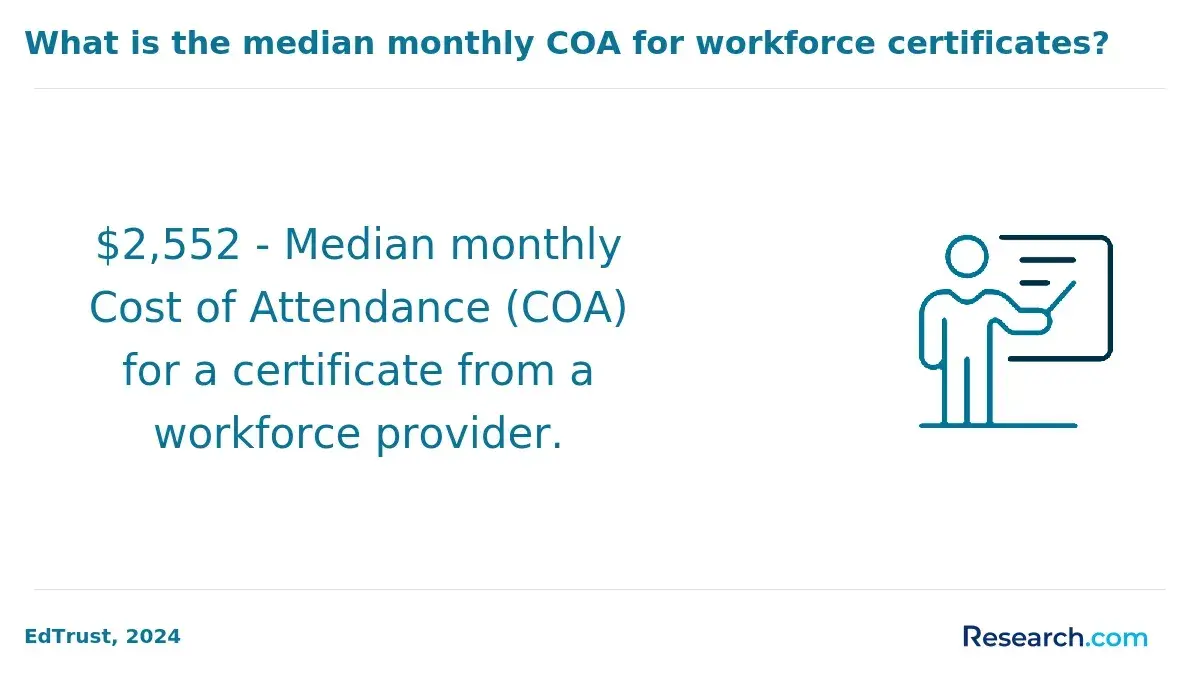
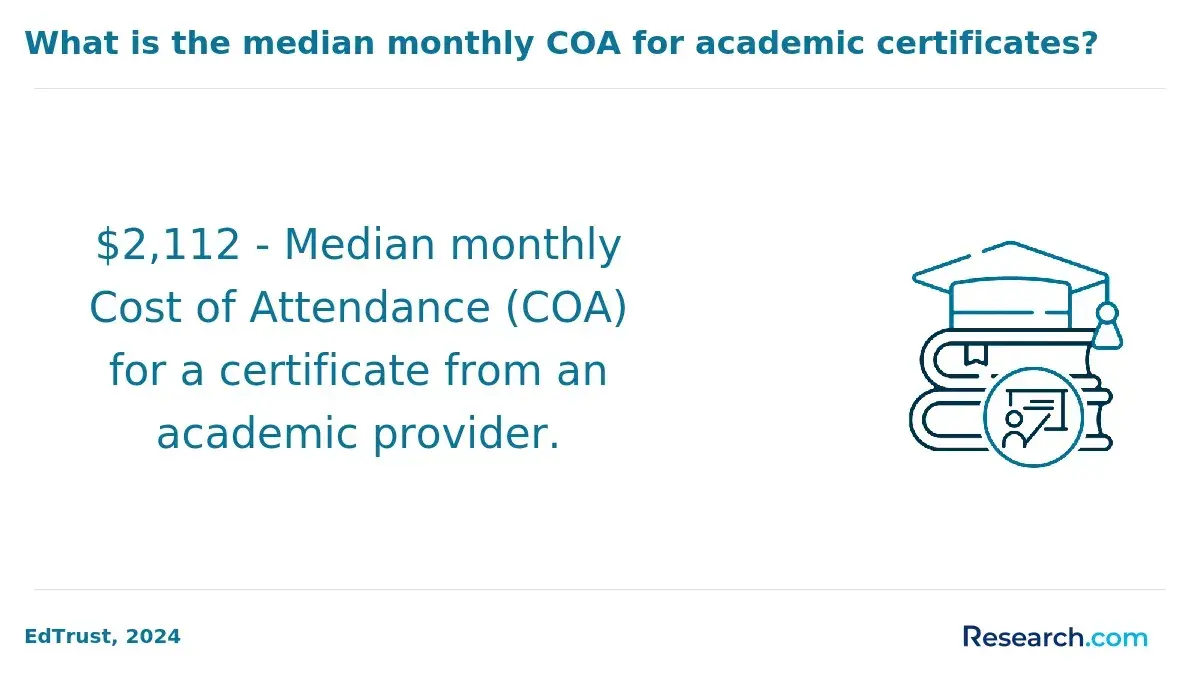
Completing trauma-informed psychology credentials entails clear tradeoffs between duration, cost, and workforce applicability. Programs span from brief certificates under 12 months and $5,000 geared toward rapid workforce entry, to graduate diplomas or post-master's certifications which demand up to two years and $20,000, targeting advanced clinical roles. Given that over 60% of psychiatric inpatient units struggle to fill trauma-informed positions, shorter certificate programs offer timely, affordable options for professionals pivoting careers or augmenting qualifications.
However, these shorter courses may lack supervised clinical hours, which employers increasingly require to ensure readiness for high-stakes environments such as emergency mental health units. Longer programs integrate practicum experience but require greater time and financial investment, aligning better with roles managing complex trauma treatment plans where diagnostic expertise and leadership are essential.
For professionals seeking embedded trauma-informed competencies in inpatient settings, the choice hinges on balancing program intensity with real-world employability amid workforce shortages. Key considerations include:
- Whether immediate entry into crisis intervention roles outweighs limited hands-on training
- The necessity of advanced certification for leadership or specialized diagnostics
- Employer preference for programs offering practicum or supervised clinical hours that extend duration
This layered decision-making process reflects the persistent tension between cost and practical readiness, illustrating that increased investment in longer programs can translate into improved job placement and effectiveness within trauma-informed mental health care delivery.
What accreditation, licensing, and supervised practice are required for crisis and trauma clinicians?
Licensure as an LPC, LCSW, LMFT, or Licensed Psychologist is a non-negotiable baseline for trauma and crisis clinicians, with each state setting distinct requirements. Before pursuing licensure, candidates must hold a relevant master's or doctoral degree in counseling, social work, psychology, or clinical mental health. The mandatory supervised clinical hours-ranging between 2,000 and 4,000 across 1 to 3 years-must focus on trauma or crisis intervention to satisfy advanced practice benchmarks and facilitate board certification in trauma specialties.
Certification in trauma-informed care, while optional, is increasingly valued by employers in complex healthcare settings such as hospitals and integrated outpatient centers. For example, candidates with documented trauma-focused clinical hours and nationally recognized credentials from entities like the American Academy of Experts in Traumatic Stress demonstrate readiness to meet regulatory and clinical demands.
Employment growth in mental health roles tied to trauma often surpasses broader labor projections. Practitioners in these environments must work collaboratively within medical teams, maintain precise documentation, and manage outcome metrics-skills requiring further post-graduate specialization beyond basic licensure. Without meeting supervised hour thresholds or securing state licensure, professionals are typically confined to paraprofessional or outreach positions, where earning potential and influence are substantially limited.
Students and professionals eyeing a career pivot should weigh the time commitment and rigorous supervised experience against the increased employability and scope of practice afforded by full clinical licensure and trauma certification in the psychology - mental health field.
What crisis and trauma-informed mental health roles can graduates pursue, and in which settings?
Graduates aiming for crisis and trauma-informed roles in psychology - particularly clinical psychologists and trauma specialists - face distinct demands based on their work environment. For example, clinical psychologists working in homeless services must stabilize immediate crises while linking clients to ongoing support, a dynamic that contrasts with hospital trauma teams focusing on acute safety and symptom management. These distinctions influence both daily responsibilities and required competencies.
Professionals in government agencies, nonprofits, and healthcare must navigate licensure requirements that include supervised clinical hours in trauma-specific interventions such as EMDR or trauma-focused CBT. This practical hurdle impacts hiring potential, making field placements in crisis service settings essential for those pursuing licensure. Furthermore, roles in community and public mental health involving homelessness offer median salaries between $84,940 and $96,100, reflecting the specialized nature and complexity of trauma-informed care in public-sector settings.
The 6% job growth projected through 2032 underlines steady demand, especially in urban areas facing rising homelessness and disaster-related trauma. Career paths can range from integrated behavioral health positions requiring multidisciplinary coordination to more autonomous private trauma-focused practices, with divergent implications for job stability and income. Selecting a specialization aligned with employer type-governmental, nonprofit, or healthcare-shapes not only compensation but the scope of clinical work and intervention models encountered daily.
What salary ranges and job outlook can trauma-informed mental health specialists expect?
Trauma-informed mental health specialists face a distinct salary stratification shaped by educational attainment and professional focus. Entry-level positions typically start between $60,000 and $80,000 annually, while holders of doctoral degrees or specialized certifications may see median wages rise to $90,000-$110,000 by 2026. Within clinical neuropsychology-particularly roles centered on brain-injury cases-senior practitioners command salaries from $120,000 to $160,000. This disparity highlights a critical shortage of qualified professionals, especially in hospitals, rehabilitation centers, and trauma clinics.
Key workforce dynamics create tangible tradeoffs. Postdoctoral fellowships and licensing are often prerequisites that extend training yet unlock higher earning potential; bypassing these requirements can confine graduates to adjunct or lower-paying roles. Employers in veteran affairs and forensic psychology frequently offer premium pay, compensating for complex case demands and legal stakes.
A practical example: a trauma specialist entering a large metropolitan hospital contends with escalating demand but faces up to two years of credentialing delays before full salary realization. Conversely, community mental health programs onboard faster but typically offer 10-30% lower salaries.
Persistent workforce shortages through 2030 suggest sustained leverage for trauma-informed professionals who negotiate education and certification pathways with these real-world constraints in mind.
How can students evaluate and choose reputable, accredited trauma-focused psychology programs?
Programs in Psychology - Mental Health aiming to prepare clinicians for forensic or correctional environments must meet strict accreditation standards from bodies such as the American Psychological Association (APA) or the National Association of School Psychologists (NASP). This ensures the curriculum integrates trauma-focused training critical for crisis intervention roles in demanding settings. Prospective students should verify that the coursework includes evidence-based trauma therapies like Trauma-Focused Cognitive Behavioral Therapy (TF-CBT) or Eye Movement Desensitization and Reprocessing (EMDR), which employers seek in forensic and justice system positions.
Faculty expertise is a key indicator of program quality; instructors actively engaged in trauma-related research or clinical work increase the likelihood of current, relevant content. Prioritizing programs with practicum or internships embedded in carceral or court-based settings is practical, as real-world experience significantly improves employment prospects. State-level shortages of trauma-informed behavioral health providers have prompted increasing demand, with some states mandating double-digit growth in licensed practitioners for justice-involved populations.
Employment outcomes and licensure pass rates provide measurable signals of a program's effectiveness. Students constrained by location or finances may consider accredited online or hybrid programs, but should confirm these include verified field placements to avoid gaps in applied learning. Navigating these factors is essential for those targeting careers in state justice systems or public behavioral health agencies, where practical training and proven credentials often determine access and advancement.
Other Things You Should Know About Psychology - Mental Health
Employers in crisis and trauma settings prioritize candidates with specialized training aligned to their client population and setting, such as military trauma, child trauma, or domestic violence. Choosing a specialization outside the targeted context often limits job prospects or requires additional post-graduate certification and training. Candidates should research target employers' preferences and prioritize programs offering focused practicums and interdisciplinary collaboration relevant to those environments for immediate workforce entry.
Programs with a strong research orientation often require more time in data collection and writing, reducing clinical training hours and direct patient contact. For students aiming for frontline crisis intervention roles, a clinically focused program that emphasizes skill development and supervised patient care offers clearer pathways to licensure and employment. Those prioritizing academia or program development may benefit from research-heavy tracks, but clinicians must weigh the slower clinical skill acquisition when choosing their pathway.
Part-time and flexible programs can accommodate working professionals, but they often extend the time to complete supervised clinical hours and licensure eligibility. Employers typically expect candidates to have completed rigorous, consistent clinical training, which some part-time programs dilute by spreading experience over longer periods. Prioritizing programs with integrated, intensive practicums-even if part-time-is crucial to maintain competitive readiness for crisis and trauma roles.
References
- Career Paths in Community Mental Health: What Are Your Options? | Herzing https://blog.herzing.ca/kompass-online-training/community-mental-health-job-options-career-paths
- 9 Mental Health Careers You Can Pursue with a BA https://www.nec.edu/news/9-mental-health-careers-you-can-pursue-with-a-ba
- Trauma Counseling Training Programs | George Fox University https://www.georgefox.edu/counseling-programs/trauma-training.html
- FAQs About Trauma Recovery Specialist https://becominginstitute.ca/blog/faqs-about-becoming-a-trauma-recovery-specialist
- Choosing a Trauma Focused Therapy Training in 2025: What Therapists & Data Say https://therapywisdom.com/trauma-focused-therapy-training/
- Trauma-Informed School Mental Health - Plan 4 Children https://plan4children.org/connecting-to-care/trauma-informed-school-based-mental-health/
- Trauma-informed approaches: a critical overview of what they offer to social work and social care - Iriss https://iriss.org.uk/resource/trauma-informed-approaches-critical-overview-what-they-offer-social-work-and-social-care/
- Top Mental Health Careers | Training and Job Satisfaction of Mental Health Professionals | Prolink https://prolinkworks.com/perspectives/top-jobs-in-mental-health-pursuing-caring-career
- Careers at Advanced Counseling and Research Services https://www.advanced-counseling.com/careers.html
- Diploma in Trauma and Mental Health Informed Schools and Communities https://www.trauma-informed.uk/training/diploma-in-trauma-and-mental-health