2027 Psychology - Mental Health Specializations That Best Match Community-Based Support Careers

Co-Founder and Chief Data Scientist
Clinicians aiming to support vulnerable populations through community-based mental health initiatives face intense pressure balancing credential requirements and immediate workforce needs. Recent data from the U.S. Department of Education shows a 26% surge in enrollments for online psychology programs catering to working adults, reflecting a strong shift toward accessible, flexible learning.
This shift addresses the challenge many adult learners encounter: securing relevant qualifications without forsaking income or local support roles. Understanding how specific mental health specializations align with these evolving educational models and employer demands is essential for planning a sustainable career pivot. This article identifies specializations that best fit community-centered support roles, optimizing education choices for practical career outcomes.
Key Things You Should Know
- Community-based psychology - mental health roles often require specialized credentials such as Licensed Clinical Social Worker or Certified Community Behavioral Health Clinician, influencing program choice and extending training time by 1-2 years per Bureau of Labor Statistics 2024 data.
- Employers increasingly prioritize candidates with trauma-informed care and cultural competence due to rising service demands in diverse populations, creating workforce bottlenecks where traditional clinical psychology tracks offer less practical community alignment.
- Average entry-level salaries in community mental health support are 15% lower than clinical psychology, imposing financial tradeoffs that affect access and retention; federal workforce grants partially offset but do not eliminate these economic barriers.
Which psychology mental health specializations align best with community-based support careers?
Community psychology and clinical mental health counseling stand out among psychology mental health specializations for community support by addressing distinct but complementary workforce needs in 2026. Community psychology targets systemic prevention and resource coordination within nonprofit organizations, public health, and social services, often requiring skills in grant writing and coalition-building to sustain programs that mitigate social and behavioral health disparities. Median salaries range from $68,000 to over $100,000 for doctoral-level leaders, reflecting extensive expertise and programmatic complexity.
Clinical mental health counseling, by contrast, is anchored in licensed therapeutic practice within community clinics and outreach settings. It prioritizes individualized and group therapy over systemic interventions but demands navigation of state licensure and reimbursement models, which can slow early career progression despite eventually broadening employment opportunities in community health centers.
Social work with a clinical focus serves hybrid roles, combining welfare case management with mental health support, which broadens job options but may reduce time for specialized therapy practice. This tradeoff is crucial when deciding on specialization, especially considering local demand and program accreditation.
Prospective students aiming for the best mental health careers in community-based psychology should assess whether their goals align with direct clinical care, systemic advocacy, or hybrid roles. Evaluating practical licensure requirements and operational challenges upfront provides a clearer pathway. Those seeking flexible educational options might explore an accelerated online bachelor's degree in psychology to begin this trajectory efficiently.
What community-based mental health roles can psychology graduates pursue today?
Community-based mental health careers for psychology graduates demand a pragmatic balance between academic knowledge and operational skill sets. Employment growth in this sector is substantial, with the U.S. Bureau of Labor Statistics projecting an 18% increase through 2032, largely due to expanding needs in nonprofit and public agencies. Roles such as substance abuse counselor, behavioral disorder specialist, and mental health counselor require not only theoretical understanding but also applied competencies in case management and culturally responsive interventions.
Substance abuse counselors typically engage clients in outpatient settings where recovery processes, relapse prevention, and crisis interventions are front and center. Behavioral disorder specialists focus on assessments and tailored behavior plans often within youth or adult community programs. Mental health counselors deal with broad psychological diagnoses and work alongside social and healthcare providers, highlighting the interdisciplinary nature of these jobs. These community mental health support roles in psychology frequently involve managing caseload complexities beyond conventional clinical training, such as coordinating housing, legal services, and educational outreach.
Licensure requirements like LPC or LADC vary significantly by state, directly influencing employability and salary prospects. Candidates must cultivate adaptability to resource constraints and diverse client needs, especially when serving marginalized populations in nonprofit contexts. This practical workforce reality means graduates must be prepared for flexible, often hybrid roles combining direct care with community engagement initiatives.
For those considering further specialization, exploring related pathways such as jobs with a masters in forensic psychology can offer alternative or complementary opportunities that intersect with community mental health practice.
What degrees do you need to work in community-based mental health support?
Entry into community-based mental health roles rarely begins below a bachelor's degree in psychology or related social science, but true operational readiness demands graduate-level credentials. Licensing frameworks restrict independent clinical roles such as counselor or case manager primarily to those with master's degrees in counseling, social work (MSW), or clinical psychology combined with extensive supervised hours-often exceeding 1,500 post-degree. Without doctoral training, professionals face clear limitations in diagnostics and therapy provision, curtailing career mobility.
Employers emphasize state licensure or certification, which hinges on program accreditation by bodies like the APA or CSWE, aligning with the educational qualifications for community mental health careers. This is especially relevant for federally and state-funded initiatives focused on trauma-informed care and culturally responsive practice. In rural or rapid workforce deployment contexts, master's degrees supplemented with specific certifications may suffice, though long-term advancement correlates strongly with doctoral attainment.
The school psychologist workforce in England, for example, expanded by 13% between 2017 and 2023, illustrating international trends demanding higher qualifications for increasingly complex educational and youth program environments. Prospective professionals must weigh the significant time and financial investment of doctoral programs against swifter entry with master's credentials, often limited to adjunctive support roles.
Those evaluating degree pathways can explore detailed program distinctions through resources such as the counselling degree guide.
How do online psychology mental health programs compare with campus-based options?
Employment prospects in community mental health, where about 4,100 annual openings for clinical and counseling psychologists are projected through 2032 with an 11% growth rate, heavily favor candidates with supervised, hands-on clinical experience. Campus-based psychology mental health programs deliver structured, face-to-face practicum opportunities critical for managing diverse populations and complex cases in community settings. This direct exposure develops skills that online programs often lack intrinsically, making on-site training a decisive factor for employers.
Online psychology mental health programs versus campus-based learning present clear tradeoffs: while online formats cater to professionals needing flexibility, they require students to independently secure accredited, local clinical placements to match the rigor of in-person practicum. Failure to arrange supervised, practical internships can limit graduates' readiness for roles prioritizing rapid clinical decision-making and multidisciplinary collaboration in community-focused psychology mental health training options.
Evaluating program licensure alignment, graduate outcomes, and practicum access is essential beyond tuition convenience. Prospective students should weigh their capacity to fulfill local clinical hours and understand that securing licensure and employment can be delayed without embedded clinical training. For those seeking affordable routes, exploring the cheapest online counseling degree programs may fit specific needs if they emphasize supervised practical experience.
What coursework and skills are emphasized in community-focused mental health specializations?
Practical competence in community-focused mental health hinges on mastering interdisciplinary collaboration, systemic barriers, and adaptable communication. Clinicians navigating community health centers, for instance, must integrate trauma-informed care with local resource mapping to address intertwined challenges such as housing insecurity and limited healthcare access. This operational complexity demands consistent evaluation of when to prioritize broad community engagement over deep clinical specialization.
Social work employment projections show a 9% growth with roughly 74,700 annual openings, including 113,810 roles concentrated in mental health and substance abuse, underscoring substantial demand for professionals skilled in both community advocacy and individualized intervention. However, students face tradeoffs between rigorous theoretical study and immersive fieldwork, often in high-pressure environments like schools or public health agencies where resource constraints require rapid problem-solving.
Essential competencies extend beyond clinical acumen to include ethical decision-making and advocacy, reflecting employer expectations for practitioners who can negotiate complex social ecosystems. Training in evidence-based therapeutic techniques and case management is critical but does not substitute for proficiency in systemic assessment and outcome tracking, which sustain impact within marginalized populations.
- Focus on trauma-informed treatment tailored to diverse populations
- Coordination with multidisciplinary agencies during field placements
- Balancing caseload management with continuous outcome evaluation
What admission requirements and prerequisites do community mental health psychology programs have?
Admission to community mental health psychology programs hinges on prior academic preparation and relevant experience that align with real workforce demands. A bachelor's degree in psychology, social work, or a related field is the baseline, with prerequisite coursework often including abnormal psychology, developmental psychology, statistics, and research methods. Competitive applicants supplement this foundation with direct experience in community or mental health settings through internships or employment. Many graduate programs require GRE scores, though some waive this based on academic or professional background. Personal statements must reflect a nuanced understanding of underserved populations and community mental health challenges, not just generic motivations.
Consider the Marriage and Family Therapy track as a case point: it requires a substantial commitment of 500 to 1,000 supervised practicum hours involving direct client service, demanded by licensure boards. These hours typically involve work in community clinics or family agencies and must align with clinical regulations. Programs may also require specific preparation in family systems theory or counseling approaches to adequately prepare candidates for rigorous practice environments.
From a labor market perspective, the 15% projected employment growth for marriage and family therapists through 2032 exceeds the national average, indicating robust job opportunities. However, meeting extensive practicum requirements upfront is critical; delayed completion can postpone licensure, slowing workforce entry and income generation. Balancing multi-stage admissions-including background checks-and the demands of coursework and fieldwork tests candidates' flexibility, making program format and support systems key to a sustainable pathway.
Real-world readiness in community mental health must equally weigh cultural competence, trauma-informed care skills, and adaptability, reflecting employer expectations beyond credentials alone. Students should evaluate programs not just on academic rigor but also on practical outcomes and alignment with evolving community needs.
How long do psychology mental health specializations take and what do they cost?
Choosing an educational pathway in psychology - mental health requires balancing the extensive time investment against the immediacy of job market demands. Most licensure tracks demand a master's degree plus 2,000 to 4,000 supervised clinical hours, translating into 3 to 5 years post-bachelor's before full qualification. For example, pursuing a Licensed Clinical Social Worker (LCSW) credential typically entails a master's program lasting 2 to 3 years and at least 1 to 2 additional years for clinical supervision. Doctoral degrees extend this timeline to 5-7 years, offering broader clinical and research scope but delaying workforce entry and incurring significantly higher costs.
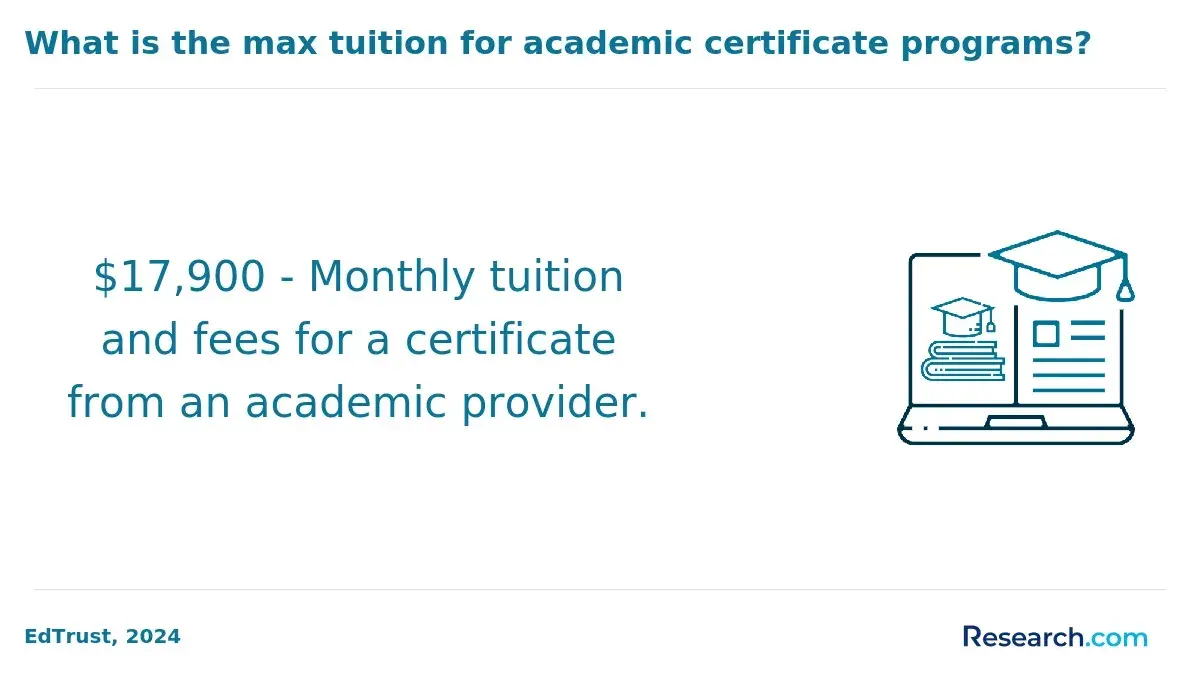
Cost considerations differ sharply between public and private institutions, with master's programs ranging from $10,000 to $70,000 total tuition. Doctoral programs can exceed $50,000, especially when factoring in fees and living expenses. Student decisions often hinge on immediate employability versus longer-term specialization or leadership prospects, recognizing that delayed licensure due to inadequate supervised hours can postpone earning potential despite academic completion.
The U.S. labor market projects a 17% growth rate for substance abuse and mental health counselors through 2034, demanding candidates who integrate clinical training with focused expertise on substance use and behavioral conditions. Neglecting the structure and duration of supervised experience risks misalignment with employer licensure prerequisites and slows career entry. Prospective students should weigh program design details against their ability to meet licensing requirements efficiently.
What licenses or certifications are required for community-based mental health practitioners?
Licensure requirements for community-based mental health roles in the U.S. vary significantly by position and state, presenting critical tradeoffs for individuals considering career shifts into counseling or social work. Licensed clinical professionals such as Licensed Clinical Social Workers (LCSWs), Licensed Professional Counselors (LPCs), and Licensed Marriage and Family Therapists (LMFTs) must invest 2 to 5 years in graduate education, supervised clinical hours (often between 2,000 and 4,000), and passing state licensing exams to gain independent practice and insurance billing privileges.
By contrast, community health workers (CHWs) and behavioral health outreach specialists typically operate without state licenses but require varying levels of certification that emphasize community engagement and health education. Certification requirements, including 40 to over 100 hours of formal training plus competency evaluations, differ widely across states and employers, with some prioritizing credentials from authoritative organizations like the National Association of Community Health Workers.
This distinction matters: a behavioral health outreach worker moving into direct counseling must plan for extended downtime and financial costs tied to licensure, which delays independent practice. Workforce data from the U.S. Bureau of Labor Statistics predicts a 14% growth rate for community health workers, reflecting demand for both licensed clinicians and certified paraprofessionals.
- Licensure routes enable broader clinical responsibilities but require substantial educational and time investment.
- Certification offers quicker entry but limits certain clinical functions and reimbursement options.
- Employment outcomes and earning potential track closely to credential type and scope of practice.
What are the salary ranges and job outlook for community mental health careers?
Salary ranges in community mental health careers for 2026 reflect a clear division by role, experience, and work setting, typically between $45,000 and $85,000 annually. Licensed clinical social workers and counselors often see earnings from $50,000 to $70,000, while clinical psychologists or specialized therapists in community contexts may approach the upper $80,000s. Choosing employment with nonprofit agencies or public health organizations usually entails lower wages compared to private clinics or telehealth providers, a vital tradeoff for practitioners balancing mission-driven work with financial sustainability.
Robust job growth is projected through 2032, particularly in outpatient and telehealth services, driven by increasing demand for community-accessible mental health care. This trend requires candidates to be technically proficient with telehealth platforms and skilled in outreach strategies. Entry-level professionals should expect modest starting wages and geographic earning disparities, with urban centers offering higher salaries but also greater competition.
Additional certifications, such as in substance abuse counseling, can notably enhance earning potential and job stability. Practical experience combined with adaptability to hybrid and digital service environments often distinguishes candidates in the hiring process. For those evaluating this pathway, the ability to navigate varied employer types and evolving care models has direct impacts on career sustainability and income trajectory.
How can students evaluate and choose accredited, reputable community mental health programs?
Accreditation directly shapes licensure eligibility, employability, and access to federal aid in Psychology - Mental Health education. Programs lacking recognized accreditation bodies limit graduate options, particularly in community-based roles requiring state licensure. Evaluating program outcomes-such as licensure exam pass rates and employment in federally designated shortage areas-is a practical measure of program value.
The workforce demand is acute: over 160 million Americans reside in Mental Health Professional Shortage Areas, with an estimated 7,393 additional practitioners needed, according to HRSA data reported by CounselingPsychology.org. This reality complicates hiring timelines but underscores the importance of selecting training aligned with these shortages.
Students should prioritize curricula that integrate evidence-based practices in cultural competence, crisis intervention, and case management, supplemented by field placements in underserved settings. For example, aspiring rural clinic counselors benefit more from programs emphasizing tele-mental health and public agency partnership experience, while urban candidates may require different skills geared toward private or outpatient practice.
Tradeoffs around cost, duration, and delivery mode must be assessed against job market realities, including potential delays in licensure and the practical necessity of workforce-specific training. Programs connected to federally qualified health centers or public mental health agencies typically provide stronger pathways to employment in shortage areas.
Other Things You Should Know About Psychology - Mental Health
Specializations focused narrowly on counseling or case management may limit advancement beyond direct service roles without additional credentials. Employers often seek candidates with a blend of clinical skills, program development experience, and cultural competence, so selecting a specialization that incorporates diverse competencies enhances job mobility. Prioritize programs that include leadership training or policy knowledge if career progression into administration or advocacy is a goal.
Master's degrees typically enable faster entry into community mental health roles but may restrict scope of practice and salary potential compared to doctoral qualifications. Doctoral programs demand more time and financial investment, often including research components less directly tied to immediate service delivery needs. Students should weigh whether their career goals require doctoral-level licensure or research skills, as some community agencies prioritize accessible master's-level clinicians for frontline support.
Employers in community mental health often favor graduates from programs with applied, community-focused training, as these candidates require less on-the-job orientation. General psychology programs may provide broader theoretical knowledge but lack practical exposure to marginalized populations or systemic challenges. Candidates from specialized programs tend to demonstrate better readiness for community engagement roles, making this a decisive factor when choosing educational pathways aligned to employment outcomes.
References
- How Long Does It Take to Become a Mental Health Counselor? https://www.valant.io/resources/blog/how-long-does-it-take-to-become-a-mental-health-counselor/
- Community mental health worker roles in 2026: what students should know https://kiranacolleges.edu.au/community-mental-health-worker-roles/
- Mental Health and Social Work AAS – Community College of Aurora https://ccaurora.edu/programs/behavioral-health/mental-health-and-social-work-emphasis-aas/
- Choosing A Psychology Specialization | Psychology.org https://www.psychology.org/resources/choosing-a-specialization/
- Careers in and Related to Psychology - Canadian Psychological Association https://cpa.ca/students/career/careersinpsychology/
- How to Become a Community Mental Health Worker in 2026: Essential Skills & Qualifications - Mental Health Degree https://mentalhealthdegree.org/careers/community-mental-health-worker/
- A Complete Guide to Careers in Behavioral Health Fields https://behavioralhealth.careers/blog/careers-in-behavioral-health-guide/
- 4 Best Examples of Successful School Mental Health Programs - Effective School Solutions https://effectiveschoolsolutions.com/examples-mental-health-programs-schools/
- Mental Health Careers https://explorehealthcareers.org/careers/mental-health/
- Career Paths in Community Mental Health: What Are Your Options? | Herzing https://blog.herzing.ca/kompass-online-training/community-mental-health-job-options-career-paths