2027 Online Psychology - Mental Health Degrees With Supportive Services Concentrations

Co-Founder and Chief Data Scientist
Clinicians and aspiring professionals in psychology - mental health increasingly face the dilemma of balancing rigorous training with ongoing employment and personal obligations. The U.S. Bureau of Labor Statistics projects a 14% growth for mental health counselors through 2032, intensifying competition for programs that offer both credible credentials and flexible study options. Yet many traditional programs lack the necessary adaptability, a problem underscored by a National Student Clearinghouse report showing a 20% rise in adult enrollment in online degree programs since 2023. This shift signals growing demand for accessible pathways that do not sacrifice educational quality or specialization.
In this article, the analysis will focus on online psychology - mental health degrees featuring supportive services concentrations, evaluating how their structure, flexibility, and career outcomes address the pressing challenges faced by today's students and professionals.
Key Things You Should Know
- Growth in demand for mental health specialists with supportive services expertise is outpacing traditional psychology roles, with the Bureau of Labor Statistics projecting 20% job growth by 2032, pressuring curricula to balance clinical theory and resource coordination skills.
- Employers increasingly prioritize candidates with practicum hours in community-based settings, creating a tradeoff for students between internships offering high experiential value versus those more accessible but less impactful on employability, per APA workforce surveys 2024.
- Rising tuition and extended study periods, averaging 6 years for master's-to-licensure pipelines per NCES data, disproportionately limit access for working adults, impeding career pivots despite projected $79K median psychology-related salaries.
What is an online psychology degree with a mental health supportive services concentration?
An online psychology degree with a mental health supportive services focus primarily prepares graduates for roles centered on care coordination, crisis intervention, and rehabilitation support rather than direct clinical therapy. This pathway suits individuals targeting positions within community mental health centers, social service agencies, and schools where managing support systems is critical but clinical licensure is unnecessary.
Unlike traditional clinical psychology degrees, these mental health supportive services concentrations emphasize administrative and interpersonal skills tailored to assist clients' social and emotional needs without providing independent diagnosis or therapy. This creates a distinct workforce niche wherein graduates often take on service coordination or behavioral health technician roles, serving as integral parts of multidisciplinary teams rather than licensed practitioners.
Choosing this specialization involves tradeoffs: while doctoral-level psychology professionals earn between $96,000 and $105,000 annually, entry-level support roles align with lower salaries, reflecting the degree's non-clinical scope. Prospective students should carefully assess accreditation and licensure constraints to ensure alignment with career objectives. The online format adds flexibility but demands proactive efforts in securing critical practicum placements.
For comparison, those considering clinical pathways may explore online clinical psychology programs that lead to licensure, contrasting sharply with the supportive services concentration's employment focus.
In sum, an online psychology degree with a mental health supportive services concentration is most effective for candidates seeking frontline, non-therapeutic roles where coordination and advocacy predominate over direct clinical intervention.
How do online mental health psychology programs compare to campus-based options?
Choosing between online mental health psychology programs versus campus-based degrees requires weighing real tradeoffs in flexibility, recognition, and practical training. Online mental health psychology programs offer unparalleled scheduling adaptability, beneficial for working professionals or those with geographic constraints. In rural areas, these programs expand mental health workforce capacity where local providers are scarce, directly impacting service availability.
However, online degrees must integrate supervised clinical practicum to meet licensure standards; employers often prioritize programs with regional accreditation and strong hands-on components. Campus-based degrees can provide clearer pathways to local internships and professional networking, which may accelerate job placement, particularly in metropolitan regions with dense provider networks.
Students comparing flexible online psychology degrees with supportive services compared to traditional campus studies should consider potential challenges such as coordinating synchronous sessions alongside work obligations and verifying that practicum placements are accessible and respected by employers. Immediate application of skills in current roles is a practical advantage exclusive to online formats but does not eliminate the need for rigorous field experience.
Prospective candidates should also explore options carefully, as not all online offerings carry equal workforce value. For those prioritizing cost-effectiveness without sacrificing quality, the analysis of affordable online psychology masters programs provides critical guidance grounded in outcomes and accreditation benchmarks.
What types of online psychology-mental health degrees and certificates can you earn?
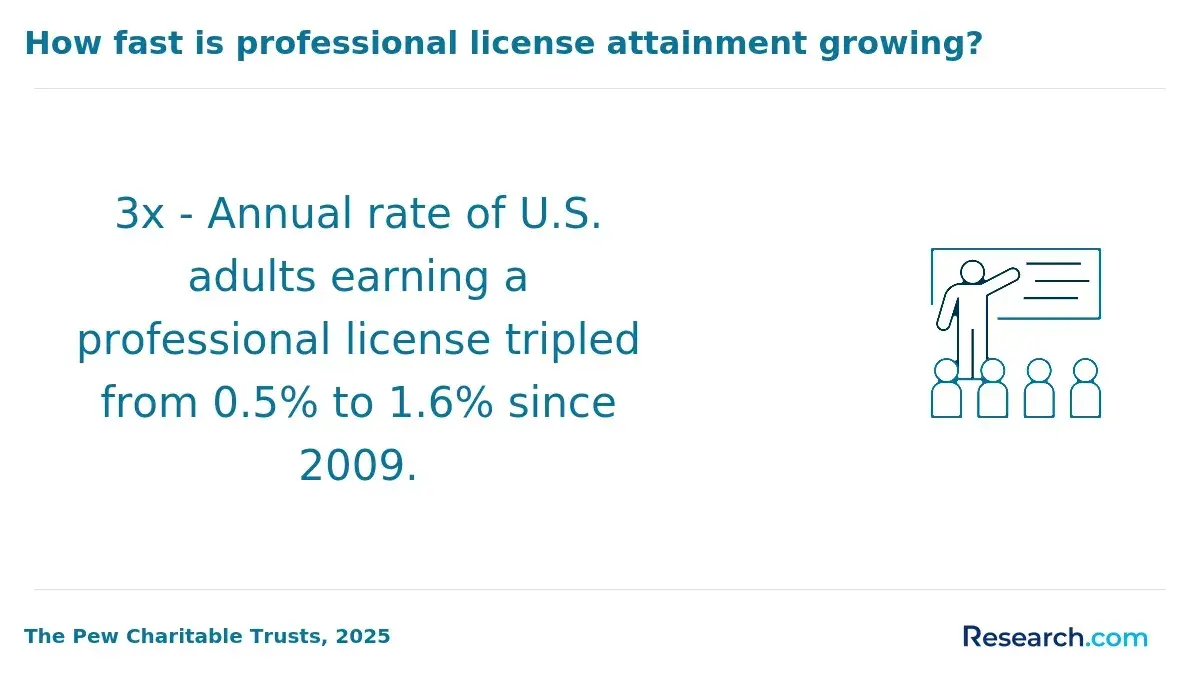
Effective evaluation of online psychology mental health degree programs requires more than recognizing credential levels; it demands a focus on licensure alignment and hands-on clinical training that employers expect. For instance, bachelor's degrees with mental health concentrations provide essential theory but typically fall short of licensure standards, often necessitating further graduate education to qualify for counselor roles. Master's programs such as clinical mental health counseling or social work offer critical supervised practicum and applied skills, enabling graduates to meet licensure requirements and enter the workforce without delay.
Certificates in psychology mental health supportive services serve working professionals seeking focused expertise without the time or cost of full degrees. These credentials, often available as postgraduate certificates, bolster niche competencies like trauma-informed care or substance abuse counseling, which align directly with workforce demands. Doctoral programs extend scope into advanced clinical practice, research, and supervision, yet involve extended internships that can prolong time-to-practice.
The labor market projects an 18% growth and 42,000 openings from 2022 to 2032 for mental health-related counselors, underscoring the value of programs with rigorous licensing and practicum components. Graduates lacking state-specific licensing recognition or adequate supervised hours face substantial barriers to employment despite strong demand. Decision-makers should assess accreditation, jurisdictional reciprocity, and practicum flexibility, especially for online learners managing distance practicums.
For prospective students considering this pathway, resources such as the online addiction counseling degree guide offer practical insights into program quality and alignment with workforce outcomes.
What coursework and practicum experiences are included in supportive services concentrations?
Online psychology - mental health degrees with supportive services coursework and practicum requirements emphasize applied skills in client advocacy, crisis intervention, and resource coordination rather than purely clinical theory. This approach demands students master case management strategies, functional psychopathology, ethical-legal issues tied to support roles, and culturally competent communication. Programs also foreground evidence-based resilience and trauma-informed interventions essential for working with vulnerable groups like homeless individuals or veterans. These practical training opportunities for supportive services concentrations in psychology - mental health programs prepare students for complex environments where social resources and mental health supports must be integrated seamlessly.
Practicum requirements often exceed standard counseling hours, typically requiring at least 700 direct client contact hours. This compares to lower thresholds in more narrowly therapeutic tracks and reflects employer expectations for professionals capable of navigating multidisciplinary teams and social systems. For instance, a student might simultaneously coordinate housing assistance while providing mental health counseling, underscoring the adaptability necessary in real-world roles.
Graduates with this mix of coursework and extended practicum are more competitive for positions in diverse settings, including school programs and corrections. However, candidates must consider the tradeoff of higher practicum demands versus the expanded versatility and job stability this pathway offers. According to the Bureau of Labor Statistics data summarized by Psychology.org, mental health counselors earn a median annual salary of $59,190.
Those evaluating an online counseling degree should weigh how these rigorous practical components align with their professional goals and resilience for intensive fieldwork.
How can you verify accreditation and program quality for online mental health degrees?
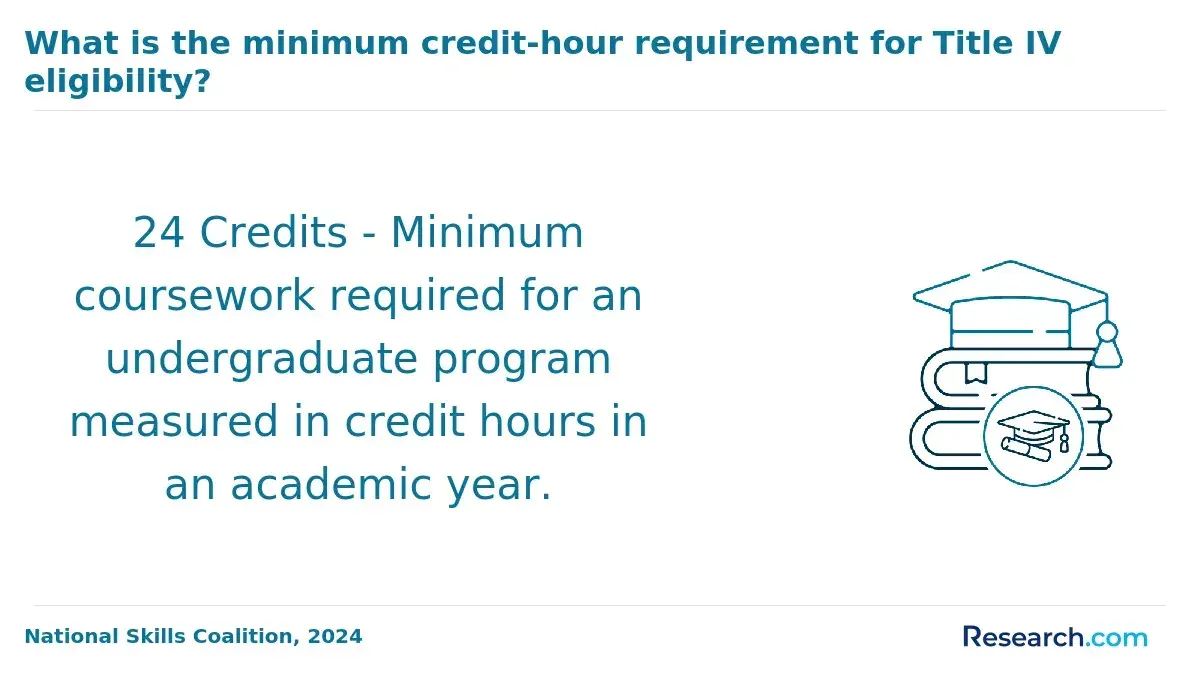
Accreditation is not optional when evaluating online psychology - mental health degrees; it directly affects eligibility for federal aid, employer recognition, and licensure pathways. Regional accreditation is a fundamental requirement, but specialized endorsements from organizations like the American Psychological Association (APA) or the Commission on Accreditation of Rehabilitation Facilities (CARF) strongly influence a graduate's ability to secure clinical internships, licensure, and insurance reimbursements. For example, a licensed mental health counselor without an APA-accredited degree may face exclusion from insurance panels, limiting practical job prospects and income potential.
Verifying accreditation via official government or recognized accrediting bodies is crucial, as institutional marketing claims often overstate program quality. Beyond accreditation, prospective students should assess publicly available licensure exam pass rates, graduation statistics, and employment outcomes to gauge long-term return on investment. Programs with lower performance metrics can pose hidden career risks despite lower tuition fees.
Online psychology degrees tend to cost 10-30% less than their on-campus equivalents, but this saving must be weighed against potential compromises in employer acceptance and supervised clinical experience, which can delay graduation or licensure if practicum opportunities are insufficient or geographically limited.
Confirming curriculum details and practicum supervision arrangements before enrollment is essential to avoid costly delays or rejections in credentialing within competitive mental health job markets.
What are typical admission requirements for online psychology-mental health programs?
Online psychology-mental health programs require applicants to balance academic credentials with relevant real-world experience to compete effectively. Given the acute shortage of mental health providers in the U.S.-averaging 350 clients per provider and reaching 800:1 in some states per Elsmere Education-programs prioritize candidates with practical exposure alongside scholarly preparation.
Typically, applicants must hold a bachelor's degree from an accredited institution in psychology, behavioral sciences, or related fields. Programs expect official transcripts showing a minimum GPA around 3.0, although standardized tests like the GRE are gradually becoming optional as admissions committees favor holistic evaluations.
Practical experience through internships, volunteer roles, or paid positions in mental health settings is often indispensable. Application packages usually require letters of recommendation and personal statements that articulate clear career goals tied to addressing workforce shortages. Background checks and immunization records may be necessary due to clinical practicum requirements.
For working professionals, part-time, asynchronous options help integrate study with employment, but the necessity of practicum hours and licensure prerequisites varies by state and must be factored into planning. Early awareness of these state-specific demands directly impacts post-graduation licensure timelines and employability in this sector.
How long do online mental health supportive services degrees take and what do they cost?
Completing a graduate degree in psychology - mental health typically requires a commitment of 18 to 36 months full-time, with master's programs demanding 36 to 60 credit hours. Part-time enrollment can extend study duration beyond two years, while bachelor's degrees usually take four years but offer significantly lower weekly earnings-about 19% less compared to master's degree holders.
Tuition expenses for graduate programs vary widely, from $20,000 up to $60,000 total, influenced by factors such as residency and delivery format. Online master's programs often charge between $500 and $1,200 per credit hour. It's important to budget extra funds for practicum or internship placements, which can prolong study time and add to costs.
From an employment standpoint, graduate credentials combined with supervised clinical hours are typically required for licensure and higher salary brackets. Roles such as licensed counselor, clinical therapist, or program manager generally mandate this level of qualification, whereas bachelor's degree holders face limitations in career progression and earning potential.
For working professionals balancing study and employment, accelerated or hybrid programs offer time savings without compromising accreditation. A thorough assessment of total costs-beyond tuition to include fees and support services-is critical to evaluating return on investment and aligning education choices with workforce requirements within mental health.
What mental health and supportive services careers can these degrees prepare you for?
Degrees focused on online psychology - mental health with supportive services concentrations typically position graduates for frontline roles such as behavioral health technician or mental health case manager. These positions demand applied skills in client assessment, crisis intervention, and care coordination within settings like schools, hospitals, or social service agencies. Unlike licensed clinical positions, these roles often emphasize practical experience and credentialing over advanced degrees.
Career pathways in supportive services, including entry-level substance abuse counseling or rehabilitation support, reflect a distinct employment market where salaries generally range between $35,000 and $50,000 annually. This contrasts sharply with licensed clinical careers that require graduate study beyond the bachelor's level and yield higher compensation but involve significant additional investment of time and resources.
Financially, students should anticipate tuition costs averaging $370 to $545 per credit, or roughly $46,000 to $68,000 total, according to data from CareersInPsychology.org. These figures underscore the importance of weighing educational expenses against realistic income prospects and the likelihood of pursuing further certification or advanced degrees to access clinician roles.
Employers prioritize candidates who combine degree completion with substantial hands-on practicum or internship experience. Graduates aiming for longer-term success will need to plan ahead for continued education, licensure, and specialized training aligned with evolving regulatory and industry standards.
What are salary expectations and job outlook in mental health supportive services fields?
The demand for professionals in mental health supportive services is persistent, driven by expanding insurance coverage and targeted outreach to underserved populations such as veterans and rural communities. Over 123,000 job postings for substance abuse, behavioral disorder, and mental health counselors in 2023 showed a median advertised salary of $57,200, illustrating steady but moderate wage growth compared to other health sectors.
Employment prospects reflect a projected 10% growth over a decade, significantly outpacing average occupational growth. However, wage progression often hinges on obtaining specific clinical licenses or supervisory roles, with potential earnings exceeding $70,000 in outpatient or government settings. Those starting in nonprofits or community organizations may accept lower pay while gaining essential client-facing experience, which is critical for advancement.
Candidates must weigh practical factors including the requisite supervised clinical hours post-degree, licensing exam expenses, and notable geographic salary differences. For example, hospital or private practice positions entail rigorous credentialing and competitive hiring, whereas roles in schools or social services offer higher job stability but typically lower initial wages.
Strategically, future counselors should evaluate whether to focus on specialization for higher compensation or on gaining diverse field experience to navigate varied employer expectations. This decision impacts long-term employability, particularly in a field where licensure, setting, and client demographics shape both opportunity and remuneration.
How do online programs deliver advising and student support services for mental health majors?
Online mental health programs must integrate advising and support that compensates for the isolation of remote learning by providing specialized, proactive guidance. Academic advisors with deep knowledge of licensing and practicum requirements help students navigate state-specific regulatory frameworks, which is essential for those targeting counselor licensure and salary ranges around $65,000-$72,000 annually, based on Payscale data summarized by Psychology.org.
Effective virtual support extends beyond advising to include 24/7 technical help, counseling services, and skill-focused synchronous tutoring or coaching. Early alert systems based on student analytics are frequently employed to identify individuals at risk of falling behind, enabling timely intervention.
Working professionals benefit from program liaisons and dedicated success coaches who facilitate part-time enrollment and asynchronous learning, helping balance study with career demands. Coordinated practicum and internship placements with community employers remain vital for supervised experience needed in licensure pathways.
Students must scrutinize whether advising teams maintain up-to-date knowledge of state licensing nuances; inconsistent or outdated guidance can delay credentialing and increase costs. This transparency is crucial for converting academic qualifications into sustainable mid-career employment within counseling and therapy fields.
Other Things You Should Know About Psychology - Mental Health
In 2027, ensuring coursework in online psychology programs includes practical experience is crucial. It equips students with the skills needed for effective practice, fostering competencies necessary for real-world applications and enhancing employability by meeting industry standards for mental health services.
Employers increasingly accept online degrees if they come from accredited institutions with solid reputations, but skepticism remains about candidates lacking substantial in-person practicum or internship experience. Graduates should prioritize programs that integrate supervised clinical hours and provide clear documentation of practical competencies. Candidates without direct client experience risk limited job opportunities, so emphasizing hands-on training within any online curriculum is critical for employability.
Prioritizing flexibility benefits working professionals needing to balance study with employment or family, but this often means self-paced learning and less synchronous interaction, which can reduce exposure to peer and faculty feedback. Curriculum depth, on the other hand, ensures comprehensive training but may require stricter schedules and heavier workloads. For those targeting clinical roles, depth and structured guidance should weigh more heavily; for career changers seeking foundational knowledge, flexibility may be the better focus.
Most licensure boards require in-person supervised clinical hours that online programs alone cannot fulfill. Students must verify that their program supports or facilitates local practicum placements meeting state licensing criteria. Online degrees focusing mainly on theory and supportive services may limit direct eligibility for clinical licenses, so those aiming for clinician status should select programs with clear pathways to meet licensure requirements and plan for additional supervised experience post-graduation.
References
- Accreditation - CACREP https://www.cacrep.org/accreditation/
- Job Outlook and Salary Expectations for Mental Health Technicians in 2024 and Beyond - MedCertify https://medcertify.com/job-outlook-and-salary-expectations-for-mental-health-technicians-in-2024-and-beyond/
- Student supports only work if students know they exist https://www.luminafoundation.org/news-and-views/student-supports-only-work-if-students-know-they-exist/
- Psychology certificates | edX https://www.edx.org/certificates/psychology-certificates
- learndirect - Can I Study for a Mental Health Role Online? https://www.learndirect.com/blog/can-i-study-for-a-mental-health-role-online
- Why Student Support Services Matter for Your Mental Health - U Are Heard https://www.uareheard.com/student-support-services-importance/
- Mental Health https://www.teladochealth.com/individuals/mental-health
- What is the Job Outlook for Mental Health Professionals Over the Next Few Years? https://psychpros.com/what-is-the-job-outlook-for-mental-health-professionals-over-the-next-few-years/
- How Employers View Online Degrees in Counseling & Psychology https://www.counselingpsychology.org/articles/how-employers-view-online-degrees-in-counseling-and-psychology/
- Fastest Online Master's In Counseling Programs https://www.psychology.org/counseling/fastest-online-degrees/