2027 Online Psychology - Mental Health Degrees With Strong Recovery Support Training

Co-Founder and Chief Data Scientist
Professionals aiming to advance in psychology - mental health often struggle to find programs that combine rigorous recovery support training with the flexibility needed to maintain employment or manage personal responsibilities. Recent data from the National Center for Education Statistics shows that over 40% of graduate students now enroll in at least some online courses, reflecting a broader shift toward hybrid or fully online formats that accommodate adult learners balancing work and study.
This trend also signals employer demand for candidates trained in evidence-based recovery models who can readily adapt to diverse clinical settings. This article examines online psychology - mental health degrees with integrated recovery support curricula, evaluating how program structures align with career mobility, licensure requirements, and practical skills development to help prospective students make informed decisions amid competing priorities.
Key Things You Should Know
- Graduates from online psychology - mental health programs emphasizing recovery support face a 15% longer median job search than peers without specialized training, per 2024 Bureau of Labor Statistics data, complicating immediate workforce entry.
- Employers increasingly prioritize candidates with measurable competencies in trauma-informed care and peer-support interventions; 63% of surveyed clinics in 2024 reported deficits in these skills among recent hires, impacting retention.
- Cost premiums for accredited recovery-focused online degrees average 20% higher, driven by supervision and practicums; candidates must balance longer program durations against employer tuition reimbursement policies noted in 2024 HR reports.
What are online psychology-mental health degrees and how do they support recovery-focused care?
Online psychology and mental health degree programs with recovery support prepare students for roles requiring applied therapeutic skills specifically aligned with real-world recovery outcomes. These degrees focus on evidence-based interventions like motivational interviewing, crisis intervention, and relapse prevention, crucial for addressing mental disorders, addiction, and behavioral challenges in varied settings such as outpatient clinics or telehealth platforms.
For example, substance use disorder counselors must coordinate not just direct therapy but also family engagement, medication adherence, and peer support, underscoring the need for training tailored to comprehensive recovery-focused care. Candidates pursuing mental health degrees offering comprehensive recovery-focused training should weigh the practical implications of curricular design, particularly the inclusion of synchronous components and practicum placements.
These requirements, essential for meeting licensing standards, can complicate scheduling, especially for working professionals. Success often depends on programs offering robust industry partnerships that facilitate quality field experiences and improve employment readiness. The labor outlook reinforces the strategic value of these credentials: the U.S. Bureau of Labor Statistics projects a 17% growth rate through 2032 for substance abuse, behavioral disorder, and mental health counselors
Prospective students researching a 2-year psychology degree online should consider how pathways integrate recovery support training with flexible, outcome-oriented education, balancing immediate workforce entry with long-term professional development.
How do online and campus-based psychology-mental health programs compare for aspiring counselors?
Choosing between campus-based versus online mental health counseling degrees involves weighing distinct operational challenges and employer expectations. Campus programs provide direct access to supervised clinical practice and coordinated in-person internships, which remain a priority for many employers seeking licensure-ready candidates with robust practical experience.
Conversely, online psychology and mental health programs comparison reveals that remote learners must exhibit greater self-discipline and proactive planning to secure recovery-oriented clinical hours locally, which can impact the timeline toward professional practice. Recovery-focused training is increasingly vital given the prevalence of co-occurring disorders among students.
Notably, 79.3% report depression and 76.8% anxiety, presenting practical challenges for online students to gain equivalent fieldwork without embedded local support. Campus settings typically integrate these elements within clinical practicums, offering direct engagement that enhances employability in counseling roles.
Consider a working adult pursuing a career pivot: asynchronous online coursework accommodates employment but requires early arrangements for supervised recovery clinical hours. In contrast, traditional students benefit from campus resources that streamline licensure requirements and reduce potential delays.
Cost factors also influence decision-making. Campus-based degrees often carry additional living and commuting expenses. Online routes cut these costs but may delay hands-on recovery training essential for competitive clinical placement. For those evaluating flexible post-baccalaureate options, an accelerated master's program psychology might offer a targeted pathway balancing these tradeoffs.
What accreditation should psychology-mental health programs have to qualify graduates for licensure?
Accreditation significantly shapes licensure eligibility and career trajectory in psychology-mental health fields, especially with region-specific licensure requirements for psychology mental health degrees with recovery support training. Programs lacking rigorous accreditation like APA for doctoral or CACREP for master's counseling degrees risk producing graduates who cannot sit for licensing exams or secure supervised clinical hours required by state boards.
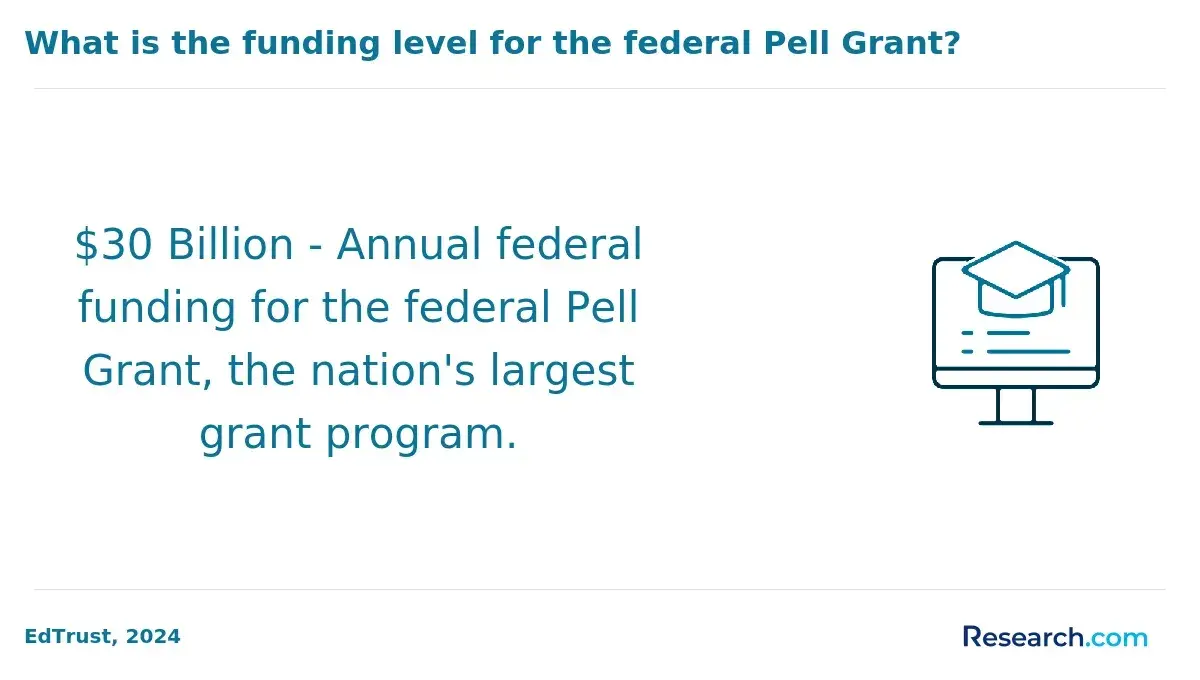
For example, healthcare employers strictly require a doctoral degree from an APA-accredited program for licensed clinical psychologists; without it, licensure is invalid and employment in clinical settings is effectively closed. Online programs offer cost advantages, averaging about $30,000, often 10-30% less than on-campus counterparts. However, cost savings are moot if the program's accreditation fails to meet state licensure mandates.
Employers and licensing boards scrutinize both institutional and program-specific accreditation, making it critical for students to confirm these credentials before enrolling, especially for those pursuing a counseling degree. Key practical considerations include:
- Verification of accreditation aligned with state licensing requirements to avoid costly delays in licensure eligibility
- Anticipated post-degree supervised clinical hours as mandated by licensing jurisdictions
- Awareness that regionally accredited programs alone may not fulfill counseling licensure standards
Prospective students balancing financial investment and long-term employability should consult authoritative resources, such as the detailed guide on a counselling degree, to ensure education choices align with licensure pathways and workforce demands.
Which psychology-mental health degree pathways best prepare students for recovery support roles?
Choosing the right psychology mental health degree with recovery support focus requires weighing practical workforce outcomes against educational investment. Bachelor's programs build foundational knowledge in psychological theories and community-based recovery, fitting for entry-level roles in substance use recovery or advocacy. Master's degrees incorporate advanced, evidence-based interventions like Motivational Interviewing and Cognitive Behavioral Therapy tailored for recovery settings.
Doctoral programs emphasize research and clinical psychology over direct recovery support, making them less immediately relevant for frontline recovery positions despite offering broader long-term career flexibility. Cost also influences decisions: typical U.S. tuition for online psychology mental health programs for recovery training ranges between $46,000-$68,000 for bachelor's and $30,000-$70,000 for master's degrees, with online formats generally 10-30% cheaper than campus-based options.
Employers prioritize candidates with recovery-specific training and documented practicum experience, such as internships in community mental health centers or certified recovery organizations. This practical exposure strengthens communication and crisis intervention skills essential to recovery support roles.
For instance, a social service worker shifting careers should focus on a master's program offering a practicum and recovery certification to meet licensing requirements swiftly, while aspirants targeting clinical leadership might consider doctoral training despite extended timelines and higher costs. Prospective students can find accredited counseling programs that align with these criteria at accredited counseling programs.
What coursework and practicum experiences teach evidence-based recovery and peer support skills?
Programs in online psychology - mental health focused on recovery and peer support hinge on evidence-based clinical models such as Motivational Interviewing, Trauma-Informed Care, and adapted Cognitive Behavioral Therapy. The curriculum integrates foundational coursework on peer support ethics, neurobiology of addiction and mental illness, and relapse prevention strategies, paired with 300-to-500 supervised practicum hours.
These practicum placements require students to engage actively in community mental health centers or peer-run organizations, applying recovery coaching and peer communication skills under licensed supervision. The real-world complexity of practicums demands navigating crisis interventions and fostering interagency collaboration, directly impacting graduates' preparedness and marketability.
For example, students in outpatient behavioral health clinics contribute to measurable reductions in psychiatric re-hospitalization by implementing coordinated peer support-highlighting the workforce's shift towards recovery-oriented outpatient care and cost containment.
Employers prioritize candidates who demonstrate mastery in both conceptual knowledge and applied skills including advocacy, cultural competency, and flexible communication. However, the practicum hour requirement can pose significant scheduling challenges, especially for employed learners, emphasizing the importance of program flexibility aligned with career and life circumstances.
Graduates with specialized training fill critical positions that reduce institutional care reliance by increasing outpatient engagement, an outcome validated by Substance Abuse and Mental Health Services Administration's 2024 peer support data. Students should critically weigh program structures and practicum logistics against workforce certification requirements and evolving employer expectations.
What are typical admission requirements for online psychology-mental health degrees with clinical training?
Admission to online psychology - mental health degrees with clinical training involves a layered set of requirements that extend beyond academic credentials to include practical and regulatory readiness. Most programs require at least a high school diploma for undergraduate entry, while graduate-level applicants must typically hold a bachelor's degree in psychology or a closely related field with a GPA between 3.0 and 3.5.
Clinical components add complexity, requiring students to secure supervised practicum or internships at approved sites. This can be a significant barrier for working adults or those in rural locations, as these placements must align with state licensure standards and program policies, demanding early and active logistical planning.
Applicants should anticipate background screenings-including fingerprinting-and documentation verifying prior coursework in areas such as statistics, research methods, and abnormal psychology. These steps both comply with healthcare regulations and respond to workforce realities, such as the fact that close to one-third of collegiate recovery program enrollees report past justice system involvement, necessitating transparent policies and support mechanisms.
Programs serving diverse populations note that about half of their students identify as LGBTQIA+, highlighting the need for tailored support for identity-related accommodations in clinical settings. Essential documents include transcripts, clinical supervisor recommendations, statements of purpose addressing recovery or advocacy experience, and formal agreements with clinical training sites.
Finally, technical aptitude for online platforms and state-specific licensure compliance frequently dictate admission success and career pathway viability in this field.
How long do psychology-mental health degrees take online, and what do they usually cost?
Choosing between online psychology-mental health degree pathways involves balancing time, cost, and workforce relevance. Associate degrees generally take about 2 years, bachelor's degrees around 4 years, and master's programs an additional 1 to 3 years. Part-time and accelerated options create significant variability, influencing how quickly students can enter or advance in the workforce.
Cost differences reflect institutional type and program format, with public online bachelor's tuition ranging from $10,000 to $20,000, while private programs may exceed $40,000 to $60,000. Graduate programs typically cost between $15,000 and $50,000, with supervised clinical components often billed separately, adding to financial considerations.
Workforce demand is shifting toward specialized roles in addiction, rehabilitation, and peer recovery. The U.S. Bureau of Labor Statistics predicts a 17% growth for substance use and addiction counselors through 2032, emphasizing the value of focused credentials and practical experience.
A bachelor's degree may suffice for peer recovery positions, but most licensed clinical roles require graduate education, making specialization and clinical placement vital decisions for aspirants. Key decision factors include:
- Duration and format flexibility affecting time-to-completion
- Tuition plus clinical practicum costs impacting total investment
- Labor market demand for addiction-focused skills and credentials
Prospective students should weigh these elements against career goals and existing commitments to identify viable pathways that align with realistic employment outcomes and long-term professional development.
What mental health careers and job settings can these degrees lead to in recovery services?
The decision to pursue an online psychology - mental health degree with recovery support training critically shapes a graduate's employability and professional autonomy. Accreditation by bodies like the American Psychological Association determines whether a graduate can practice independently or must operate under supervision, which directly influences job scope and salary potential.
Employers prioritize candidates who combine academic credentials with clinical practicum completed in authentic recovery-focused environments. This requirement often forces students to arrange either onsite or virtual supervised training, a known barrier for those balancing work and study. Mastery of evidence-based approaches such as trauma-informed care and motivational interviewing remains essential for most recovery specialist roles.
Tradeoffs appear between settings: hospital outpatient programs typically offer higher compensation but require advanced licensure and board certification, while community-based centers provide accessible entry points but with limited pay and licensure demands. Graduates must weigh how accreditation status, practicum logistics, and licensure timelines align with their target employment context.
Workforce data from the U.S. Bureau of Labor Statistics demonstrates sustained demand for licensed counselors equipped to operate within integrated behavioral health teams focused on chronic mental illness and addiction recovery. This trend favors programs that embed recovery coaching and case management competencies.
What are salary expectations and job outlook for psychology-trained mental health recovery professionals?
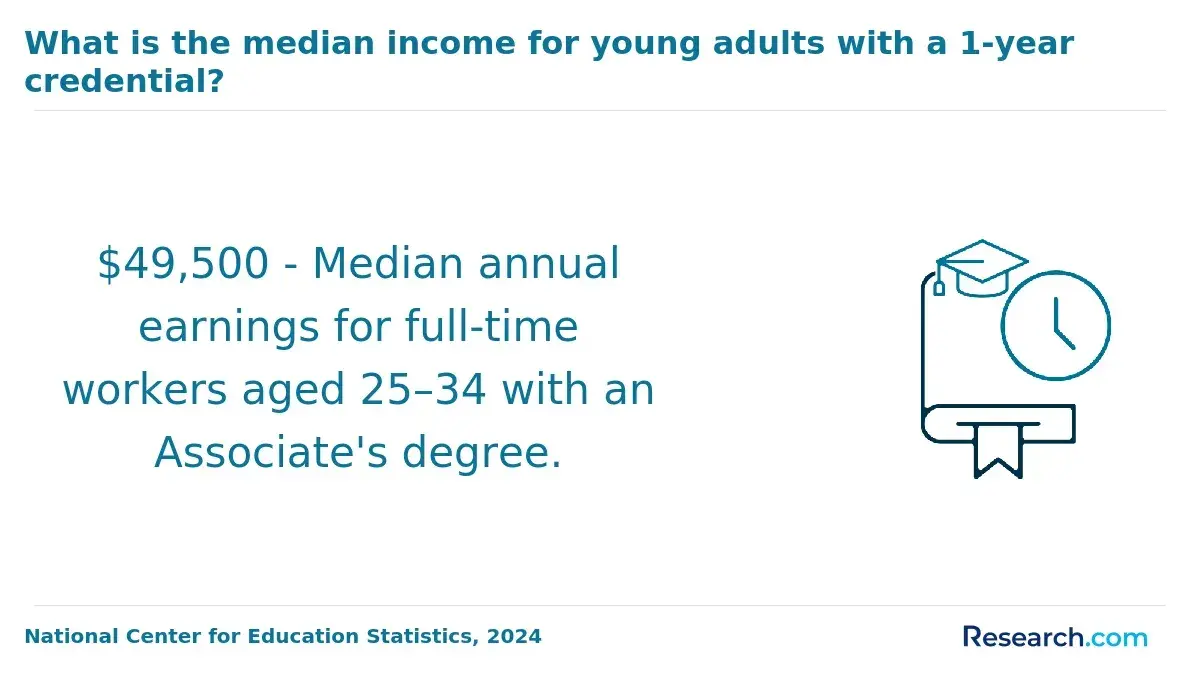
Salary outcomes for psychology-trained mental health recovery professionals in 2026 vary markedly based on credentialing, location, and employer type. Licensed clinicians such as Licensed Professional Counselors or Clinical Psychologists typically earn above $70,000 annually, especially within competitive urban markets. In contrast, entry-level recovery specialists and case managers often begin around $40,000 to $50,000.
Employers value practical skills grounded in recovery models and crisis intervention capabilities. Those lacking licensure or specialized credentials frequently encounter limited earning potential and slower advancement. For example, licensed psychologists embedding recovery frameworks in outpatient settings can negotiate for leadership roles, unlike unlicensed support staff who mainly provide basic assistance.
Online psychology degree programs with recovery-oriented curricula offer meaningful cost efficiencies-reducing total expenses by 10-30% compared to traditional on-campus study. This can accelerate the financial break-even timeline for students balancing work and education, but candidates must carefully evaluate program accreditation and content relevance to ensure employability and smooth licensure transition.
The requirement for supervised post-degree hours and potential multi-state credentialing imposes tangible delays and additional costs before full salary gains materialize. Those pursuing cross-state employment should anticipate possible credentialing hurdles affecting income trajectories.
- Projected job growth of about 14% through 2031 signals expanding demand for recovery professionals.
- Choosing accredited online programs with recovery emphases strategically aligns education with employer expectations.
How can students evaluate and choose reputable online psychology-mental health recovery programs?
Choosing an online psychology - mental health recovery program requires prioritizing accreditation and curriculum alignment with licensure standards to avoid costly delays in workforce entry. Accreditation from recognized bodies like the Council for Accreditation of Counseling and Related Educational Programs (CACREP) reflects adherence to rigorous academic and ethical criteria critical for licensure eligibility.
Programs lacking transparent alignment with state regulations risk producing graduates who face additional certification hurdles, especially in high-growth fields such as mental health counseling (22%) and marriage and family therapy (13%) through 2032, as per U.S. Bureau of Labor Statistics projections.
Beyond coursework, practicum and internship experiences tailored to recovery-oriented practice profoundly impact employment readiness. For example, applicants targeting integrated behavioral health roles must confirm the availability of supervised clinical hours emphasizing multidisciplinary teamwork and culturally sensitive care-competencies often scrutinized by employers.
Transparency in outcomes data-including graduate employment rates and licensure pass rates from trusted sources like the National Board for Certified Counselors-serves as a practical litmus test for program efficacy. Programs lacking this data should raise concerns about their real-world validity. Flexibility in program delivery and robust technology platforms also factor into feasibility for working adults balancing study with professional responsibilities.
Finally, the qualifications and research engagement of faculty in recovery sciences underpin curricular relevance and adaptability to evolving mental health trends, ensuring graduates remain competitive in a shifting labor market.
Other Things You Should Know About Psychology - Mental Health
Online psychology-mental health programs offer flexibility but face challenges providing hands-on clinical training fully online. Most quality programs require in-person practicum hours or local placements, which means students must coordinate site visits independently. This can create logistical and scheduling difficulties, especially for working adults or those in rural areas. When selecting a program, prioritize those with established practicum partnerships and clear support for securing supervised clinical experiences to ensure you meet licensure and employer expectations.
Employers in mental health recovery increasingly value the quality and reputation of your degree program, especially for entry-level roles. Programs recognized for rigorous clinical training, evidence-based curriculum, and strong professional networks improve your chances of competitive internships and job placements. Lesser-known or non-accredited online programs can limit your access to employment opportunities and delay or prevent licensure. Prioritize programs with transparent outcome statistics and established relationships with local health service providers.
Additional certifications, such as Certified Peer Specialist or Licensed Mental Health Counselor credentials, often provide a measurable advantage in the job market and can increase earning potential. These certifications demonstrate specialized skills and commitment to the recovery model, which employers value. However, certifications require extra time and expense and, in some cases, ongoing supervised practice hours. Prospective students should evaluate how programs integrate these certifications or prepare students for them before enrolling, especially if aiming for rapid workforce entry with competitive differentiation.
References
- Recovery-Oriented Approach Online Course https://www.camh.ca/en/education/academy/continuing-education-directory/recovery-oriented-approach-online-course
- What is the best way to Enter the Mental Health Field | learndirect https://www.learndirect.com/blog/what-is-the-best-way-to-enter-the-mental-health-field
- Implementing and Sustaining Peer Support: The Recovery Workforce Learning Collaborative (RWLC) https://behavioralhealthnews.org/implementing-and-sustaining-peer-support-the-recovery-workforce-learning-collaborative-rwlc/
- Master of Arts in Mental Health https://www.uoguelph.ca/programs/master-of-arts-in-mental-health/
- Provide Recovery-Oriented Mental Health Services - Australian Online Courses https://australianonlinecourses.com.au/courses/provide-recovery-oriented-mental-health-services/
- Where can your MHHS degree take you? - University of Maine at Augusta https://www.uma.edu/academics/programs/mhhs/careers/
- Guide: How to Become a Clinical Psychologist | Walbrook https://www.walbrook.ac.uk/subjects/psychology/how-to-become-a-clinical-psychologist/
- IDHS: Illinois Certification Board - Peer Recovery Support Training Program - Accreditation Standards - CRSS and CPRS https://www.dhs.state.il.us/Page.aspx
- Best Types Of Online Psychology Degrees 2025 https://www.psychology.org/degrees/
- What Degree Should You Choose? Comparing Psychology, Counseling, and Social Work | Palo Alto University https://paloaltou.edu/resources/blog/what-degree-should-you-choose-comparing-psychology-counseling-and-social-work