2027 Online Psychology - Mental Health Degrees With Promotion-Ready Leadership Alignment

Co-Founder and Chief Data Scientist
Clinicians and prospective students face a common hurdle: how to advance or pivot into psychology - mental health roles without sacrificing current job responsibilities or personal commitments.
Flexible admission policies and online degree programs have surged, with the National Center for Education Statistics reporting a 12% increase in fully online enrollments among graduate students in 2024 alone. This signals expanding access but also raises questions about program quality, accreditation, and alignment with leadership opportunities crucial for career mobility.
This article examines online psychology - mental health degrees designed to align with promotion-ready leadership skills, offering guidance on navigating program choices that meet rigorous professional demands efficiently.
Key Things You Should Know
- Graduates with leadership-aligned psychology - mental health degrees face a 23% higher managerial role attainment within five years, per 2024 BLS data, but must balance intensive clinical training tradeoffs delaying immediate licensure.
- Employers prioritize integrative soft skills and leadership capacity more than academic prestige, making program choice critical for roles beyond traditional therapy, as outlined in 2024 APA workforce surveys.
- Extended online pathways reduce costs by 18% on average yet prolong time-to-degree by 12 months, impacting working professionals' return on investment and timing for career pivot decisions.
What types of online psychology-mental health degrees best support advancement into leadership roles?
Master's degrees in clinical mental health counseling, counseling psychology, and mental health administration direct professionals toward leadership roles by combining advanced clinical expertise with supervisory and organizational skills. For instance, a licensed clinical mental health counselor holding a master's degree can qualify to oversee junior staff or manage outpatient clinics—responsibilities typically inaccessible to those with only a bachelor's degree.
This distinction reflects a significant workforce implication: empirical data reveals that workers with just a bachelor's degree in these fields earn approximately 19% less weekly than those with master's credentials, illustrating both limited career mobility and wage disparities tied to educational attainment.
Online psychology and mental health degree programs for leadership roles often integrate practicum and internship components, offering employed students flexibility to maintain work while advancing education. Programs focusing on mental health policy, ethical supervision, and program development prepare graduates for administrative positions across hospitals, nonprofits, or government agencies.
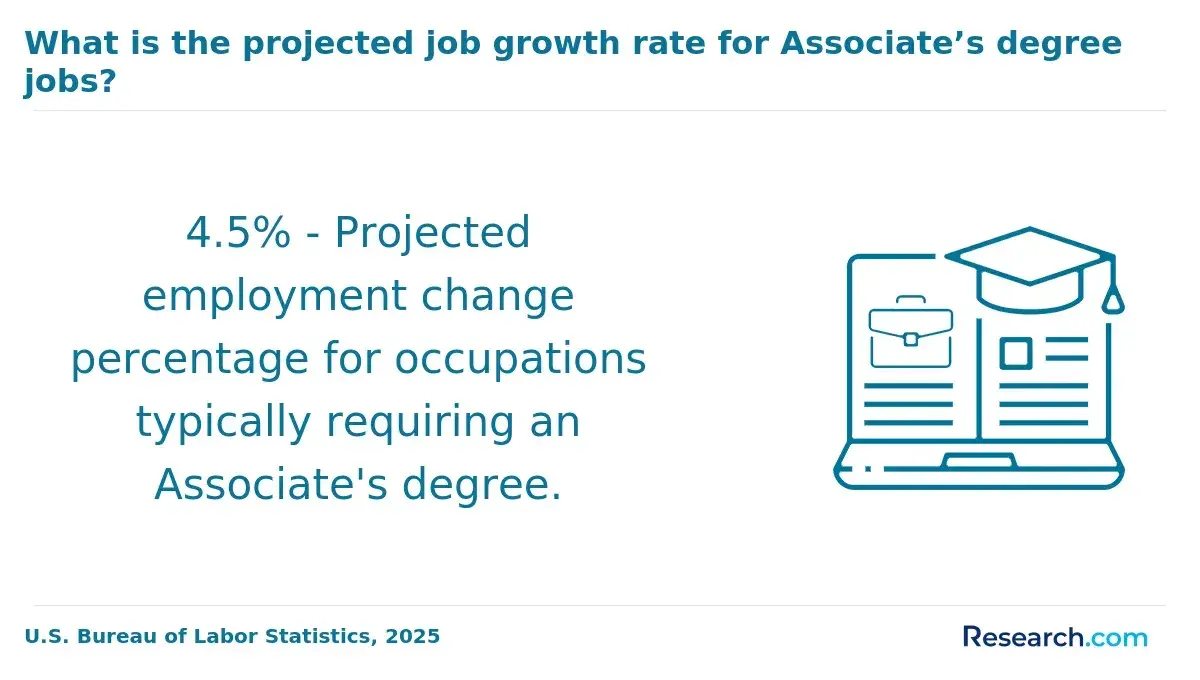
Degree holders who also obtain licenses such as Licensed Professional Counselor (LPC) or Licensed Clinical Social Worker (LCSW) are positioned competitively for higher-paying supervisor jobs, including clinic directors or program coordinators. Conversely, degrees at the associate or bachelor's level tend to funnel graduates into entry-level roles, constraining promotion options.
Choosing advanced mental health degrees supporting promotion-ready leadership entails weighing upfront educational investment against tangible increases in employability and earning potential within a competitive clinical workforce. More details on program options can be explored through online psychology degree resources.
How do online and campus-based psychology-mental health programs compare for working adult students?
Working adults evaluating online psychology and mental health programs for working adults must weigh significant trade-offs between flexible scheduling and essential experiential learning. While online programs accommodate full-time employment by offering asynchronous coursework, they often require extra effort to arrange supervised practicum hours that meet accreditation standards, particularly for those targeting roles in behavioral health facilities.
In contrast, campus-based programs are generally better equipped with established community partnerships that facilitate practicum placement and provide direct faculty collaboration, which are critical for developing clinical skills and leadership in real-world settings.
Employers recruiting substance abuse, behavioral disorder, and mental health counselors increasingly prioritize candidates with verified clinical hours and embedded leadership training, responding to an 18% projected job growth over the next decade with about 281,600 annual openings.
The practical implication for working professionals is to choose programs with curricula tightly aligned to workforce demands, where campus programs often have an advantage in preparing students for supervisory roles through applied learning and networking.
Prospective students should consider this dynamic when comparing campus-based versus online psychology - mental health degrees, especially if planning a strategic career pivot.
For insight into role-specific financial outlooks, see how much do forensic psychologists make.
What accreditation should psychology-mental health programs have to protect your license and career?
Licensure in psychology mental health fields within the US hinges critically on program accreditation, primarily from the American Psychological Association (APA) or recognized regional bodies. Degrees lacking these credentials often disqualify graduates from state licensure, irrespective of professional experience, blocking access to clinical roles and leadership tracks that demand licensure protection and credential recognition.
This reality affects not only on-campus education but also online offerings, which must hold equivalent APA or regional accreditation to ensure licensure and employer acceptance.
Without such accreditation, the financial investment—ranging roughly from $46,000 to $68,000—yields limited practical recognition, negating the nominal savings often seen with online tuition that may be 10-30% lower. Consequently, students evaluating different counseling degrees should weigh these costs against long-term professional viability.
Employers, from healthcare systems to corporate mental health programs, consistently verify accreditation status as a prerequisite for credentialing and malpractice insurance. For instance, a hospital leadership role in clinical psychology generally requires an APA-accredited doctoral degree to satisfy institutional standards.
Prospective students must:
- Seek APA accreditation for doctoral programs focused on clinical, counseling, or school psychology.
- Confirm regional accreditation for bachelor's and master's degrees critical for counseling and social work licensure.
- Verify with state licensing boards that their specific program meets local licensure conditions.
- Understand how non-APA-accredited master's degrees may limit certification and supervisory opportunities in mental health leadership positions.
Further nuance can be found in analyses of different counseling degrees, clarifying practical distinctions impacting licensure and career trajectory.
What are the typical admissions requirements for online psychology-mental health bachelor's and master's degrees?
Admission criteria for online bachelor's and master's psychology mental health degrees reflect the distinct demands of foundational versus advanced training and directly influence employability and career trajectory. For bachelor's programs, typical admissions requirements for online psychology mental health degrees emphasize a high school diploma with minimum GPAs usually between 2.5 and 3.0, submission of official transcripts, and, in some cases, standardized test scores, though many programs adopt test-optional policies.
Applicants must demonstrate competent writing skills through essays or personal statements, with some programs requiring recommendation letters or a resume highlighting relevant mental health experience. These criteria arguably serve as initial filters that balance accessibility with readiness for academic rigor.
Master's degree admission criteria more frequently require a bachelor's degree, commonly with a psychology or related social sciences background, and undergraduate GPAs between 3.0 and 3.5. GRE scores may be necessary unless waived due to prior graduate work or professional experience.
Applicants must provide detailed academic or professional recommendations alongside a statement of purpose that articulates alignment with faculty expertise and leadership intent. For professionals pivoting careers, documented supervisory experience in mental health settings significantly impacts admission outcomes.
Doctoral-level clinical psychologists command median salaries near $100,000, supported by steady job growth, highlighting the premium on advanced credentials and leadership skill development embedded in graduate training. Students should prioritize programs offering applied clinical practica and leadership preparation to enhance job market positioning.
Prospective enrollees seeking clarity on ease of entry into counseling fields may find relevant insights on which counseling degree is easiest. Evaluating admissions and practical requirements side-by-side ensures better alignment with career goals and realistic workforce demands.
How long do online psychology-mental health degrees take and what do they usually cost?
Opting for a psychology-mental health degree entails a strategic balance between time investment and financial cost, with significant implications for career trajectories. Associate and bachelor's degrees typically require 2 to 4 years, but advanced roles often necessitate a 4 to 6-year doctoral program due to practicum and dissertation requirements. Part-time and accelerated options further complicate timelines.
Financially, public, in-state undergraduate tuition ranges roughly from $6,000 to $10,000 annually, while private institutions may exceed $20,000. Graduate programs cost between $15,000 and $40,000 overall, with licensing preparation and supervised clinical hours adding several thousand dollars more.
This cost structure necessitates careful planning, especially since doctoral degrees correlate with median incomes above $100,000, contrasting with master's degree holders who typically earn between $50,000 and $60,000.
Key workforce considerations include:
- Lengthier doctoral studies demand extended financial and time commitment but open pathways to licensed clinical psychologist positions.
- Master's level credentials facilitate quicker entry into counseling or social work but present lower earning potential.
- Women, who represent 58% of practitioners, face a persistent wage gap, earning approximately 94 cents per dollar earned by men, despite strong representation.
Choosing an education path requires evaluating these tradeoffs with an emphasis on licensing requirements, salary expectations, and the operational realities of securing supervised clinical experience, all factors that directly impact employability and long-term professional advancement within psychology - mental health.
What core courses and specializations align psychology-mental health study with future leadership roles?
Programs that combine psychology - mental health study with leadership training must marry clinical expertise with managerial and organizational skills to meet employer needs effectively. Core coursework integrates organizational psychology, leadership theories, health care administration, and ethics, while specializations such as clinical supervision and health informatics prepare graduates to lead multidisciplinary teams and enhance service delivery.
For example, clinical supervisors are trained to assess treatment outcomes and direct provider performance, which is essential in hospital or agency settings.
Leadership preparation in these programs prioritizes data-driven decision-making, equipping candidates with skills in statistics, program evaluation, and outcome measurement to translate research into operational policy. This competency is increasingly critical as behavioral health systems face funding pressures and regulatory change.
Despite growth in psychology degrees awarded between 2012 and 2021—16% at the bachelor's level, 17% at the master's, and 14% at the doctoral level—spring 2023 enrollment fell below pre-pandemic figures, signaling a potential shortage of leaders with operational and clinical proficiency. Employers demand professionals who can bridge clinical insight with organizational execution amid evolving care models and workforce shortages.
Students evaluating programs should consider practicum opportunities and health system partnerships that provide real-world leadership experience. Balancing administrative skills with clinical knowledge through targeted coursework and mentorship directly shapes employability in roles such as policy advisor, program manager, or administrator.
Which psychology-mental health careers can you pursue and how do degree level and format matter?
Advancing in psychology-mental health careers often hinges on selecting the appropriate degree level and format, as these choices directly influence licensure eligibility, employability, and role scope. Bachelor's degrees generally restrict professionals to support functions like behavioral health technicians, while leadership or clinical counselor roles require graduate credentials, particularly master's degrees focused on mental health leadership or clinical practice.
For instance, an RN seeking management likely needs an MSc integrating leadership and applied clinical skills, which can be pursued online to maintain employment continuity.
Online degree delivery offers valuable flexibility, especially for working professionals leveraging employer tuition assistance. Still, prospective students must navigate state-by-state licensure restrictions that sometimes necessitate campus-based clinical components, limiting fully online pathways for licensure-dependent positions.
From a cost perspective, programs like the University of Wolverhampton Online MSc, priced at £7,560 total, present a distinctly affordable alternative compared to typical U.S. graduate psychology tuition exceeding $30,000, making them attractive for professionals prioritizing promotion-readiness without excessive debt.
Key considerations include:
- Degree level impacts compensation and leadership opportunities.
- Online formats enable practical skill application without career interruption.
- Licensure requirements may restrict some online pathways.
- Program cost and ROI vary substantially between U.K. and U.S. options.
Ultimately, degree and delivery choices shape real-world career trajectories by balancing flexibility, licensure, and financial constraints within the psychology-mental health labor market.
What salaries, promotion potential, and leadership opportunities exist in psychology-mental health careers?
Salary disparities in psychology-mental health careers are closely tied to educational attainment, with doctorate holders earning an average of $92,264 annually compared to $71,184 for master's degree holders. This gap signals employer preference for doctoral qualifications when assigning leadership or clinical program management roles.
For example, mental health directors and clinical supervisors typically require a doctorate combined with specialized credentials and experience to handle compliance, staff oversight, and strategic initiatives.
Master's-level professionals may expand clinical expertise and attain licenses but often encounter a management ceiling without doctoral studies. Promotion pathways vary by setting: hospital psychologists often transition into administrative leadership, while private practitioners may scale roles by coordinating group practices or clinical training teams.
Academic, research, or policy leadership generally demands doctoral degrees supplemented by postdoctoral fellowships or certifications in administration and evidence-based methods.
Those contemplating a career pivot should weigh the additional three to seven years and financial costs of doctoral education against the potential for higher salary and leadership roles. Balancing current employment with doctoral study commitments is critical. Strategically combining doctoral credentials with targeted leadership training optimizes readiness for senior roles requiring both clinical depth and administrative authority.
What licensing and certification steps are required for clinical and counseling roles in mental health?
Licensing for clinical and counseling positions in psychology and mental health demands a combination of advanced degrees and extensive supervised experience, typically ranging between 2,000 and 4,000 hours post-degree for roles like Licensed Professional Counselor (LPC) or Licensed Clinical Social Worker (LCSW).
This supervised practice, often spanning two years, must align with state-specific regulations before candidates can attempt nationally standardized exams such as the National Counselor Examination (NCE) or the Association of Social Work Boards (ASWB) test.
Psychologists require doctoral credentials (PhD or PsyD) alongside at least 1,500 clinical internship hours. Additional state jurisprudence or ethics exams frequently apply, and while board certification from entities like the American Board of Professional Psychology (ABPP) is optional, it enhances marketability in healthcare or academic settings.
States mandate ongoing continuing education—generally 20 to 40 hours biennially—to maintain licensure, reflecting the evolving scope of clinical competencies. Practicing without licensure severely restricts professional options, barring independent practice or employment in hospitals and schools.
For example, a counseling psychologist candidate in Texas should anticipate substantial financial and time investments beyond tuition. In-state bachelor's costs near $11,000 annually, while out-of-state students face about $13,400, excluding graduate fees and supervision costs necessary before sitting for licensure exams.
Such upfront expenses significantly affect workforce entry timelines and readiness, influencing leadership potential within mental health services management.
How can you evaluate and choose a reputable online psychology-mental health program in the U.S.?
Successful navigation of online psychology-mental health programs hinges on accreditation and measurable outcomes rather than marketing appeals. Regional accreditation ensures employer and licensing board acceptance, and coursework must align with state licensure requirements for clinical practice. Without this alignment, graduates risk investing time and money without meeting licensure eligibility.
Cost evaluation must weigh tuition against realistic income trajectories. Online master's in psychology average about $30,000 in tuition, and median salaries for relevant roles range from $49,710 to $78,810 annually, suggesting a viable return for those leveraging the degree for promotion or role shifts.
Graduation and licensure pass rates reflect program alignment with workforce demands. For example, a 90% state licensure pass rate signals effective preparation. Student feedback on practicum access, faculty expertise, and supervised clinical experience is critical, especially as such components vary widely in online formats.
Consider your career contours: healthcare administrators pivoting to leadership need integrated leadership training, whereas aspiring licensed counselors must verify remote access to direct client counseling hours through program partnerships. Career services availability—networking, internships, and certification guidance—often differentiates programs that convert education into tangible job market advantages from those that don't.
Other Things You Should Know About Psychology - Mental Health
Choosing between clinical and counseling tracks depends on your long-term leadership goals and the populations you want to serve. Clinical psychology often involves more intense research and diagnostic training, which aligns with leadership roles in healthcare organizations, hospitals, or research institutions. Counseling psychology focuses more on therapeutic interventions and community settings, so prioritizing this track makes sense if you aim for leadership in schools, nonprofits, or behavioral health agencies. Employers tend to value leadership candidates who demonstrate relevant experience aligned with their organizational focus, so align your program choice accordingly.
Online psychology - mental health programs designed for working adults often require significant time management skills due to rigorous coursework and practicum commitments. Programs with asynchronous lectures can offer flexibility but may intensify self-discipline requirements, while synchronous components demand fixed time slots that may conflict with work schedules. You need to realistically assess how much time you can dedicate without compromising job performance, especially since leadership roles expect continuous engagement. Prioritize programs with clear practicum support and manageable credit loads to avoid burnout.
Online degrees meet academic requirements for licensure if they include supervised clinical hours and use effective practicum placements. However, the challenge lies in securing quality, local practicum experiences and ensuring alignment with state licensure boards. Programs without robust practicum support may delay licensure or impair skill development crucial for leadership tasks that blend clinical expertise with operational oversight. Prioritize online programs that provide strong, structured practicum coordination and transparent licensure support to avoid costly gaps between degree completion and professional advancement.
References
- How To List Your Credentials As A Mental Health Professional - Tamara Suttle https://tamarasuttle.com/mental-health-credentials/
- Career Options in Psychology Explored: Picking the Right Path for You https://oxbridgehomelearning.uk/blog/career-options-in-psychology-explored/
- Fastest Online Master's In Counseling Programs https://www.psychology.org/counseling/fastest-online-degrees/
- Become a Mental Health Counselor https://socialworklicensemap.com/social-work-resources/become-mental-health-counselor/
- How to Become a Psychologist https://onlinecounselingprograms.com/mental-health-careers/how-to-become-psychologist/
- Careers in and Related to Psychology - Canadian Psychological Association https://cpa.ca/students/career/careersinpsychology/
- Put your Psychology MS to Work for your Goals with Degree Specializations https://paloaltou.edu/resources/blog/ms-psychology-career-specializations
- Licensed Mental Health Counselor - Florida Board of Clinical Social Work, Marriage & Family Therapy and Mental Health Counseling https://floridasmentalhealthprofessions.gov/licensed-mental-health-counselor/
- Starting Your Clinical Therapist Career: Essential Steps & Requirements - Mental Health Degree https://mentalhealthdegree.org/careers/clinical-therapist/