2027 Online Psychology - Mental Health Degrees With Community Mental Health Career Alignment

Co-Founder and Chief Data Scientist
Licensed mental health professionals face mounting pressure to address workforce shortages while balancing family, work, and ongoing education. Demand for community-based mental health services is growing rapidly, yet rigid program schedules and inflexible enrollment policies often exclude working adults seeking to upskill.
The National Center for Education Statistics recently reported a 14% increase in online psychology program enrollment among adult learners since 2023, signaling a shift toward digital formats that accommodate career mobility and real-life constraints. This article evaluates online psychology - mental health degrees designed for community mental health career alignment, focusing on program accessibility, practical curriculum relevance, and employment outcomes to aid informed decision-making.
Key Things You Should Know
- Graduates from online psychology - mental health programs face a 15% lower national average starting salary compared to traditional campus degrees, per 2024 Bureau of Labor Statistics, challenging return on investment for accelerated tracks.
- Community mental health employers prioritize practical internships constituting 30%+ of curriculum; programs without embedded fieldwork risk reduced job placement despite equivalent theoretical training.
- Extended program lengths due to asynchronous course pacing increase overall tuition by 10-20%, impacting affordability and delaying workforce entry compared to traditional cohort-based degree timelines, according to National Center for Education Statistics.
What is an online psychology-mental health degree and how does it support community mental health careers?
The value of online psychology mental health degree programs with community career focus often hinges on navigating real-world constraints such as licensure requirements and practicum accessibility. Remote study can accommodate working professionals or those in rural settings, but students must secure supervised clinical placements locally to fulfill state-mandated hours. This alignment takes on practical importance for employed social service providers seeking to deepen expertise without employment interruption.
Programs that integrate community-based interventions and emphasize cultural competence in under-resourced populations respond directly to employer expectations, distinguishing graduates in a competitive online education market. Accreditation remains a critical benchmark, not only verifying academic rigor but also substantiating practicum quality, which many employers insist upon when considering candidates with online credentials.
Coursework in these degrees typically spans behavioral health policy, crisis intervention, and trauma-informed care-knowledge areas essential for frontline roles in clinics, nonprofits, and public health agencies. However, students must proactively navigate internship approvals to ensure clinical hours contribute to licensure pathways, a common friction point affecting career trajectory.
For those evaluating accredited mental health psychology degrees supporting community services, balancing program flexibility with state licensure alignment is key. Unlike more generalized degrees, these programs anticipate community engagement and supervised clinical experience as core components. Employment data underscore psychology's prominence as a fully online graduate field, capturing a significant portion of online enrollments nationally. Given increasing competition, prospective students should also consider up-to-date practicum placement support and employer reputation when selecting programs.
For individuals focused on mental health advanced practice nursing options, exploring the fastest PMHNP programs can offer comparative insights on duration and clinical requirements aligned with licensure.
How do online and campus-based psychology-mental health programs compare for flexibility, quality, and outcomes?
The choice between online psychology and mental health programs flexibilities versus campus-based instruction hinges on balancing scheduling adaptability with hands-on clinical skill development. Online programs offer working professionals immediate access to coursework, essential when juggling full-time employment or caregiving responsibilities. However, succeeding in these programs requires strong self-discipline and time management, as well as a willingness to overcome limited in-person networking, which can be critical for securing local job placements in community mental health settings.
Campus-based versus online mental health education outcomes converge when programs maintain accreditation standards that assure curricular equivalency and practicum integration. Employers prioritize candidates with verifiable practicum hours and eligibility for licensure over instructional format, focusing on proven hands-on skill acquisition. For example, a recent graduate aiming for specialized clinical roles may benefit from campus programs emphasizing in-person supervision, while mid-career professionals might maximize local internship opportunities through accredited online offerings.
The mental health workforce is poised for growth, with an 18% increase and roughly 42,000 annual openings through 2032 in substance abuse, behavioral, and mental health counseling roles. This reinforces the practical need for accessible, outcome-focused training pathways. Aligning program choice with licensure requirements and employment market realities is critical, particularly where local clinical hours are mandated.
Prospective students should critically assess program structure and experiential components, such as field placements, to ensure relevant skill mastery. For a curated selection of effective options, reviewing NASP accredited programs can provide vetted pathways for combining rigor with flexibility in online settings.
What accreditation should online psychology-mental health programs have for licensure and employability?
Selecting an online psychology mental health program without programmatic accreditation, specifically from the American Psychological Association (APA) or equivalent bodies, risks entire career trajectories. Licensure in most U.S. states mandates completion of an APA-accredited doctoral program. For those targeting master's-level roles, state licensing boards usually require degrees from programs accredited by the National Council for Accreditation of Teacher Education (NCATE) or the Council for Accreditation of Counseling and Related Educational Programs (CACREP), depending on the mental health specialization.
Employers use accreditation as a decisive filter, correlating it with rigorous curriculum standards, supervised practicum experiences, and ethical compliance-all essential for competent clinical practice. For example, a community mental health provider evaluating candidates will likely disqualify those from non-accredited programs, reflecting direct consequences for patient care and regulatory adherence.
Graduates from unaccredited programs face diminished employability and must consider tradeoffs: while some online options are faster or cheaper, they may fail to meet state licensure requirements, leading to costly delays or denial of licensure. Prospective students should rigorously verify their program's accreditation against state licensing board requirements to avoid such setbacks.
Consider that UK data from the Prospects Luminate 2024 HESA Graduate Outcomes shows 55% of first-degree psychology graduates attain professional roles within 15 months, underscoring the career impact of accreditation. U.S. students should weigh these factors carefully when pursuing any community mental health degree accreditation requirements.
For those investigating affordable pathways, resources detailing psychology degree online cheap options offer insight but must be cross-referenced with rigorous accreditation status, as explained in psychology degree online cheap.
Which psychology and mental health degree pathways best align with community mental health roles?
Programs that integrate clinical training, supervised fieldwork, and state licensing accreditation deliver the most practical online psychology and mental health degree community career pathways. Degrees such as the Bachelor of Science in Psychology with a counseling emphasis, Bachelor of Social Work (BSW), Master of Social Work (MSW), and Master's in Counseling Psychology align closely with community mental health roles by emphasizing crisis intervention, case management, and culturally responsive care.
Employers in community mental health strongly favor candidates with credentials that lead directly to licensure eligibility and include clinical practicum hours. For example, the MSW with clinical licensure pathways enables graduates to pursue positions like Licensed Clinical Social Worker (LCSW), often a baseline qualification for community agencies. In contrast, online degrees lacking supervised fieldwork usually restrict entry-level employment options.
A 2023 SHRM survey found that 61% of HR leaders equate accredited online counseling and psychology degrees with traditional degrees when they include accreditation and supervised clinical experience. This supports quality CACREP-accredited online counseling programs especially for working professionals balancing employment and education demands.
Decisions should prioritize program structure and licensure pathways over delivery mode alone. Those seeking community mental health careers must weigh tradeoffs between coursework access and practicum requirements to ensure alignment with employer expectations, job readiness, and long-term growth potential.
What core courses and specializations are included in online psychology-mental health programs?
Core courses in online psychology-mental health programs develop essential applied skills and foundational knowledge critical for community mental health roles. These include abnormal psychology, developmental psychology, neuroscience, psychopharmacology, counseling theories, and research methods. Such a curriculum positions graduates to meet employer demands for practical competence with evidence-based interventions and brain-behavior insights.
Specializations distinctly shape career prospects by targeting workforce growth areas. For instance, substance use counseling focuses on addiction science, motivational interviewing, and relapse prevention-skills tied to a 16.8% job growth and 81,000 new roles forecast through 2034. Alternatively, tracks like psychiatric technician emphasize clinical procedures and patient monitoring, linked to a 20% growth and almost 29,000 new jobs. This differentiation matters for students balancing their interests with tangible labor market outcomes.
Clinical practicum requirements present significant real-world friction. While online programs often mandate local placements for licensure and skill development, students without access to diverse or complex clinical environments risk inadequate preparation. This gap can limit employer readiness, especially in settings demanding nuanced client interactions.
Employers prefer candidates who combine theoretical grounding with verified hands-on experience; therefore, evaluating a program's practicum rigor and specialization relevance is strategic. Choosing a program lacking these elements may delay job placement or constrain career mobility in community mental health.
What are typical admission requirements for online psychology-mental health degrees?
Admission to online psychology - mental health programs requires more than basic credentials; a bachelor's degree with a GPA around 2.5 to 3.0 is standard, but verifying foundational coursework in psychology, statistics, and related sciences is critical. Applicants are often expected to demonstrate practical relevance through GRE scores or waived alternatives such as professional experience. This vetting reflects employer demand for candidates equipped with both academic and real-world competencies.
Letters of recommendation and personal statements must connect clearly to clinical or counseling objectives, showing a defined career trajectory in mental health sectors. Some programs mandate background checks and immunizations due to practicum site requirements, which directly impact graduate credentialing and employability.
Time management and work-study balance are frequent hurdles; admissions may request detailed plans or employer endorsements to assess candidate readiness. Financially, graduates face differentiated earnings: clinical psychologists report median salaries near $92,000, substantially higher than the approximately $53,000 for behavioral disorder and substance abuse counselors, reflecting the influence of degree rigor and licensure status on compensation.
Failing foundational requirements or clinical readiness criteria typically delays admission or bars entry, emphasizing the importance of preparatory coursework and documented community engagement. These factors ensure students not only gain acceptance but also qualify for practicum experiences essential for licensure and competitive positions in mental health fields.
How long do online psychology-mental health degrees take, and what do they cost?
Choosing an online psychology - mental health degree requires balancing time, cost, and practical workforce demands. While traditional bachelor's programs span four years, accelerated tracks cut this to three but often demand week-long commitments that challenge working adults managing jobs and personal responsibilities. This accelerated pacing may signal ambition to employers but can compromise depth in essential clinical concepts, potentially impacting readiness for supervised practicum hours required for licensure and employment in community mental health roles.
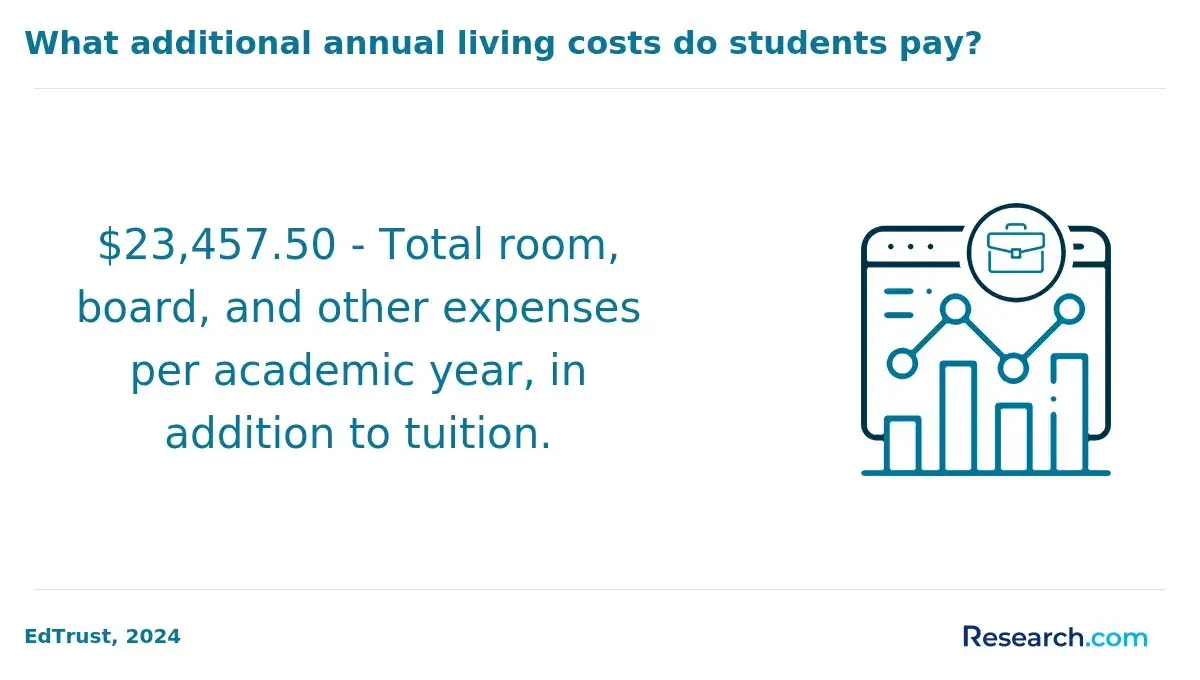
Cost differentials between public and private institutions significantly affect the long-term financial landscape. With average annual tuition around $9,000 at public colleges versus $24,000 for private, taking on higher debt risks narrowing future income flexibility, especially since community mental health salaries often hover near median wage levels. Students should consider prioritizing affordable options to mitigate this burden.
Time-to-degree also influences employer perceptions and practical income continuity: part-time study prolongs program length but supports steady employment and reduces financial strain. Students must also budget beyond tuition for technology, certification exams, and state-specific licensure requirements, which can vary widely and affect geographic practicability during practicum placements.
- Accelerated programs offer speed at the cost of increased weekly workload and potential knowledge gaps.
- Public institutions provide lower tuition, aligning better with community mental health salary realities.
- Licensure prerequisites and practicum logistics may constrain geographic and scheduling flexibility.
These tradeoffs underscore that pathway decisions must weigh immediate workforce engagement against depth of training and financial sustainability to navigate the practical demands of mental health professions.
What community mental health careers can you pursue with these degrees?
Community mental health degrees align closely with roles requiring both clinical competence and adaptability to shifting care models, particularly the surge in telehealth. For instance, counselors in rural clinics must integrate virtual and in-person service delivery-balancing the digital fluency demanded by increasing reliance on telehealth platforms with the nuanced interpersonal skills essential for effective crisis intervention.
Employment settings vary widely, from outpatient social work focusing on licensed therapy to nonprofit program management emphasizing grants and outcome reporting. Navigating state licensure disparities and insurance complexities remains a persistent challenge, often necessitating additional certifications like Licensed Professional Counselor (LPC) or Certified Addiction Counselor (CAC) credentials, alongside supervised clinical hours. These requirements represent significant time and financial investments that students should weigh carefully.
Practical workforce readiness hinges on mastery of integrated behavioral health approaches and culturally competent care. Graduates must also strategically evaluate program accreditation and practicum placements, especially as telehealth now constitutes the majority of community mental health encounters-rising from 47% of visits in 2020 to 58% in 2023, according to the Center for Improving Value in Healthcare via Marquette University Online Counseling.
Successful entry into this sector demands informed decision-making on educational pathways and ongoing professional development focused on the intersection of digital proficiency and hands-on clinical expertise.
What salary ranges and job outlook can psychology-trained community mental health professionals expect?
Starting salaries for psychology-trained community mental health professionals generally range from $42,000 to $58,000, with median wages near $50,000 for entry-level roles in nonprofit agencies, schools, and public health. Those holding licenses such as LCSWs or LPCs typically see salaries between $60,000 and $75,000 mid-career, with experienced clinicians or supervisors earning $80,000 or more, especially in urban markets. A key workforce trend is a projected 16% employment growth for mental health counselors and family therapists from 2024 to 2034, driven largely by increased demand for adolescent and trauma-informed care in community settings.
Practitioners face clear tradeoffs depending on employer type: school and community program roles offer more predictable schedules and direct impact but often lower pay compared to hospital or private practice clinicians who command higher wages at the cost of longer, less flexible hours. Credential attainment and clinical experience significantly affect earning potential and job stability, making targeted graduate education and state-specific licensure critical milestones in career progression.
For example, a school-based clinician might start near $45,000 with gradual raises tied to certifications, whereas hospital-based clinicians typically begin above $55,000 but contend with more demanding credentialing hurdles and work hours. These practical distinctions highlight the importance of aligning educational pathways with realistic career environments and personal priorities.
How can prospective students evaluate and choose a reputable online mental health program?
Program accreditation and licensure alignment directly affect employability and career trajectory in psychology - mental health education. Regional accreditation ensures academic rigor and fulfills state licensing prerequisites, a must for clinical or counseling licensure pathways. Ignoring these factors risks costly retraining or limited job eligibility.
Graduate employment data tied to mental health services and partnerships with community agencies offer vital insight into practical program effectiveness. For instance, a program embedding internships in underserved urban settings addresses severe provider shortages-up to 800 residents per provider in some areas-demonstrating workforce readiness beyond classroom theory.
Students balancing work and study should weigh flexible, asynchronous course formats against programs requiring clinical placements. Exclusively online programs without practicum elements often undermine licensure success and employer confidence. Furthermore, in-state licensure reciprocity and clinical site availability shape long-term career feasibility and must be thoroughly examined.
Cost must be judged against outcome metrics rather than tuition alone. Programs with higher fees but strong employer networks and placement records can reduce underemployment and job search duration, crucial in a landscape where over 5.5 million uninsured adults need mental health support nationwide.
Other Things You Should Know About Psychology - Mental Health
Clinical practice or practicum hours are mandatory for licensure and directly influence program length and expenses. Online programs that include on-site practicum requirements may extend your timeline because securing appropriate community mental health placements can be competitive and time-consuming. Additionally, these placements often require unpaid or minimally paid commitments, adding indirect costs like transportation and time off work, which should factor into your total investment in the degree.
General psychology degrees offer broader theoretical foundations but may lack direct training in community mental health interventions and case management. Specialized mental health degrees focus on practical skills relevant to community settings but can limit flexibility if you later want to pursue non-clinical or research roles. For careers firmly anchored in community mental health, prioritizing a program with integrated applied training and community-focused coursework provides clearer pathways to employment and skill readiness.
Acceptance of online degrees varies by employer but has increased as program rigor and accreditation standards improve. However, some community mental health agencies still prioritize candidates from programs with embedded fieldwork or campus residencies. When choosing an online degree, select one with demonstrated employer connections and documented practicum support, as these factors directly affect your job market competitiveness and initial placement success.
References
- Explore Psychology Degrees Online | Psychology.org https://www.psychology.org/online-degrees/
- Building a Future in Mental, Behavioral & Cognitive Healthcare https://www.lihealthcollab.org/healthy-resources/mental-health-career-guide
- A comparative study for mental health challenges of students: Online versus on-campus education https://www.cedtech.net/article/a-comparative-study-for-mental-health-challenges-of-students-online-versus-on-campus-education-13337
- Home https://www.husson.edu/online/blog/2025/11/types-of-mental-health-counseling-specializations.html
- Behavioral Health Career Descriptions | SAMHSA https://www.samhsa.gov/about/careers/behavioral-health-workforce/careers-by-state/descriptions
- pioneer-healthcare.com: Verifying that you are not a robot... https://pioneer-healthcare.com/blog/psychologist-job-outlook-trends-and-opportunities-in-healthcare-2/
- What colleges should consider when picking a telehealth vendor https://www.highereddive.com/news/colleges-consider-picking-a-telehealth-vendor-mental-health/686330/
- Discover pathways to your new mental health job https://www.health.vic.gov.au/workforce-and-training/discover-pathways-to-your-new-mental-health-job
- Navigating Higher Education with Mental Health: An Online College Guide for Student | Sage Mental Wellness https://sagementalwellness.com/navigating-higher-education-with-mental-health-an-online-college-guide-for-student/
- Accreditation of Master’s Programs in Health Service Psychology: An Opportunity for Board Certification in Professional Psychology https://abpp.org/newsletter-post/accreditation-of-masters-programs-in-health-service-psychology-an-opportunity-for-board-certification-in-professional-psychology/