2027 Online Psychology - Mental Health Degrees for Human Services Roles

Co-Founder and Chief Data Scientist
When balancing current employment, family obligations, and financial constraints, pursuing a psychology - mental health degree online is often the most viable option for many aspiring human services professionals. Yet, navigating program credibility, accreditation, and timely completion within these flexible formats remains a significant hurdle. The National Center for Education Statistics reported a 12% increase in adult online enrollment in 2024, signaling growing acceptance but also intensifying competition for quality offerings.
Understanding how online degrees align with employer expectations and licensure requirements is critical for those seeking career mobility without sacrificing educational rigor or delaying advancement. This article evaluates online psychology - mental health degrees tailored for human services roles, providing readers with clear guidance on program features, accessibility, and workforce outcomes to inform strategic enrollment decisions.
Key Things You Should Know
- Online psychology - mental health degrees for human services roles often extend program duration by 20%-30% compared to traditional formats, increasing opportunity costs for working adults balancing financial and family obligations.
- Employers report that candidates with fully online psychology - mental health credentials face 15% lower initial hiring rates due to concerns over clinical practicum rigor, emphasizing hybrid models' added value for workforce readiness.
- Federal labor data shows a 23% projected growth in psychiatric technician and counselor roles by 2030, pressuring online program curricula to align directly with state licensure requirements to maximize graduate employability.
What types of online psychology and mental health degrees prepare you for human services roles?
Employment in human services roles demands more than theoretical knowledge; it requires practical skills obtained through targeted degree programs. Online psychology degrees for human services careers that lack clinical practicum components often limit graduates' eligibility for licensure and reduce competitiveness for counseling or therapy positions.
Bachelor's degrees in psychology typically qualify candidates for entry-level roles like community outreach or case management, but advancing to licensed clinical roles usually requires master's-level study, such as a Master of Social Work (MSW) or counseling degree with supervised internships.
Programs emphasizing crisis intervention, advocacy, and resource coordination prepare professionals for nonprofit or agency-based roles but may also involve hybrid formats due to in-person practicum requirements, creating logistical challenges for working students.
Selecting a program that aligns with state-specific licensure mandates and includes hands-on clinical experience significantly impacts employability in mental health settings. For professionals seeking expedited options, an accelerated masters in counseling can reduce time to licensure while maintaining required practica.
The U.S. Bureau of Labor Statistics projects over 300,000 annual openings for community and social service roles through 2034 with a median wage near $57,530. Job seekers should weigh curriculum rigor, clinical training availability, and program flexibility against personal circumstances to optimize outcomes.
Graduates without applied experience face barriers in clinical or supervisory positions, underscoring the importance of informed program selection within mental health degree programs for human services professionals.
How do online psychology-mental health programs compare with campus programs for human services careers?
Choosing between campus versus online programs for human services careers demands a precise evaluation of practical training access and workforce demands. Online psychology and mental health degree advantages primarily lie in flexibility for working professionals, allowing immediate application of coursework and faster integration of skills.
However, these programs often depend on virtual simulations and arranging external practicums, which can create variability in hands-on experience compared to traditional campus routes offering more direct internships and face-to-face networking.
Employers prioritize verified clinical hours and demonstrated practical skills alongside academic credentials. For example, a social and community service manager earning the median annual wage of $78,240 typically requires supervisors to validate relevant experience, posing a verification challenge for purely online-trained candidates. Those pursuing online formats must proactively secure local placements and meticulously document competencies to remain competitive.
State licensing criteria and employer expectations still lean toward degrees from regionally accredited campus programs, especially for advanced clinical roles. Cross-state licensure can add complexity in recognizing online practicum experiences, influencing long-term career trajectories.
Strategically, prospective students should scrutinize offered internships, accreditation alignment, and graduate employment outcomes before committing to a program.
Balancing these factors, access to quality fieldwork remains critical for career viability in human services. Those interested in advanced credentials or clinical specialization often find campus programs more supportive of these goals, while the online model suits candidates prioritizing schedule flexibility and immediate employability.
For detailed considerations on choosing a program, resources on masters in psychology online provide a data-driven starting point.
What accreditation should online psychology and mental health programs have for human services work?
Accreditation directly shapes employability and licensure prospects in psychology - mental health human services roles. Regional accreditation recognized by the U.S. Department of Education sets a necessary academic baseline, but specialized credentials like CACREP or CARF accreditation frequently determine eligibility for advanced clinical positions and state licensure.
For instance, candidates holding CACREP-accredited degrees are far better positioned for licensed counseling jobs or clinical case management than those with only regional accreditation, who may find their advancement limited to entry-level or support roles.
This distinction is critical as 60% of psychology-related jobs now require at least a bachelor's degree, reinforcing the value of pursuing accredited online psychology and mental health degrees for human services.
Choosing appropriate accreditation involves evaluating whether the program meets state licensing board requirements in addition to federal standards. Overlooking this can result in degrees lacking market acceptance, especially in regulated fields like mental health counseling or rehabilitation case management. With a projected 10% job growth and nearly 295,000 new positions by 2031, credential alignment impacts both career trajectory and salary potential.
Important factors students should consider include:
- Verification of specialized versus regional accreditation status
- Alignment with intended licensure pathways
- Employer preferences for credential-recognized programs
Those researching options may also benefit from reviews of MFT master's programs online, which offer similar accreditation considerations and workforce implications in related human services fields.
What admission requirements do online psychology-mental health degrees typically have for adult learners?
Admission criteria for online psychology mental health degree programs designed for adult learners reflect the balance between academic background and relevant professional experience. Most programs require a high school diploma or GED but place considerable weight on practical experience in human services, mental health support, or related sectors.
Transfer credits for prior coursework in psychology, sociology, or communication can reduce both the duration and expense of the degree, a significant factor for working adults.
Requirements for enrolling in online psychology mental health programs often accommodate diverse educational histories. Applicants with substandard academic records may need to submit standardized test scores, yet many programs waive such tests (GRE or others) for students with two or more years of pertinent work experience or an associate degree. This flexibility recognizes the nontraditional pathways many adult learners follow.
Practitioners currently employed in counseling, social work, or healthcare find asynchronous coursework models essential to juggling job duties while studying. Admissions emphasize professional resumes that highlight client-facing roles or crisis intervention experience, as these skills forecast success in advanced studies and alignment with employer expectations.
Financial considerations are pivotal. For example, the University of Arizona charges $460 per credit for its online human services program as of October 2024, which represents a savings exceeding $1,000 annually compared with the national average off-campus in-state four-year cost of $15,200 (NCES data for 2022-2023), a factor that can directly influence degree completion rates without income disruption.
Applicants must also demonstrate basic technology skills and reliable access to the internet and computing devices due to standard online proctoring and submission requirements. Letters of recommendation, when requested, typically favor professional endorsements over purely academic ones to better reflect career-linked competencies.
For those weighing program difficulty alongside workforce outcomes, resources detailing the answers to "What is the easiest counseling degree?" may illuminate practical options within the broader psychology - mental health degree admission criteria for adult learners.
How long do online psychology and mental health programs take, and what do they cost?
Completing an online psychology - mental health program for human services roles typically spans two to four years at the bachelor's level, influenced by prior credits and enrollment status. Accelerated curricula offering year-round courses can reduce this to about two years, beneficial for those willing to limit work hours temporarily.
Conversely, part-time students balancing employment may extend their studies beyond four years, delaying both credential completion and potential income growth.
Associate degrees offer a shorter, roughly two-year path but usually provide more limited job prospects compared to bachelor's programs. Tuition costs vary widely, with public institutions often charging between $10,000 and $40,000, while private nonprofit colleges tend to be more expensive. Beyond tuition, candidates must consider technology fees, textbooks, and supervised fieldwork expenses, which can add significantly to overall costs.
Financial planning should incorporate available aid and employer tuition reimbursement to manage upfront expenditures effectively. From a labor market standpoint, the median wage for social and human service assistants is approximately $45,120, a realistic benchmark for bachelor's degree holders entering the field as of May 2024. This wage context emphasizes the tradeoff between program length, cost, and immediate earning potential.
Applicants must carefully balance these dynamics against their personal and professional circumstances to optimize career outcomes and financial viability.
What core courses and practical training are included in online mental health and human services programs?
Mastering an online mental health program demands balancing foundational knowledge with applied skills that meet licensure requirements and employer expectations. Core subjects cover counseling theories, human development, psychopathology, ethics, and assessment techniques, but the decisive factor for employability often lies in supervised practicum experiences.
Practical fieldwork, including crisis intervention or community coordination scenarios, directly impacts a graduate's readiness for clinical roles and case management challenges.
Students targeting specialized areas—such as substance abuse counseling or child and family services—should weigh the availability of tailored electives that enhance sector-specific expertise, since employers increasingly prioritize candidates with relevant hands-on experience and detailed understanding of client risk factors and interventions.
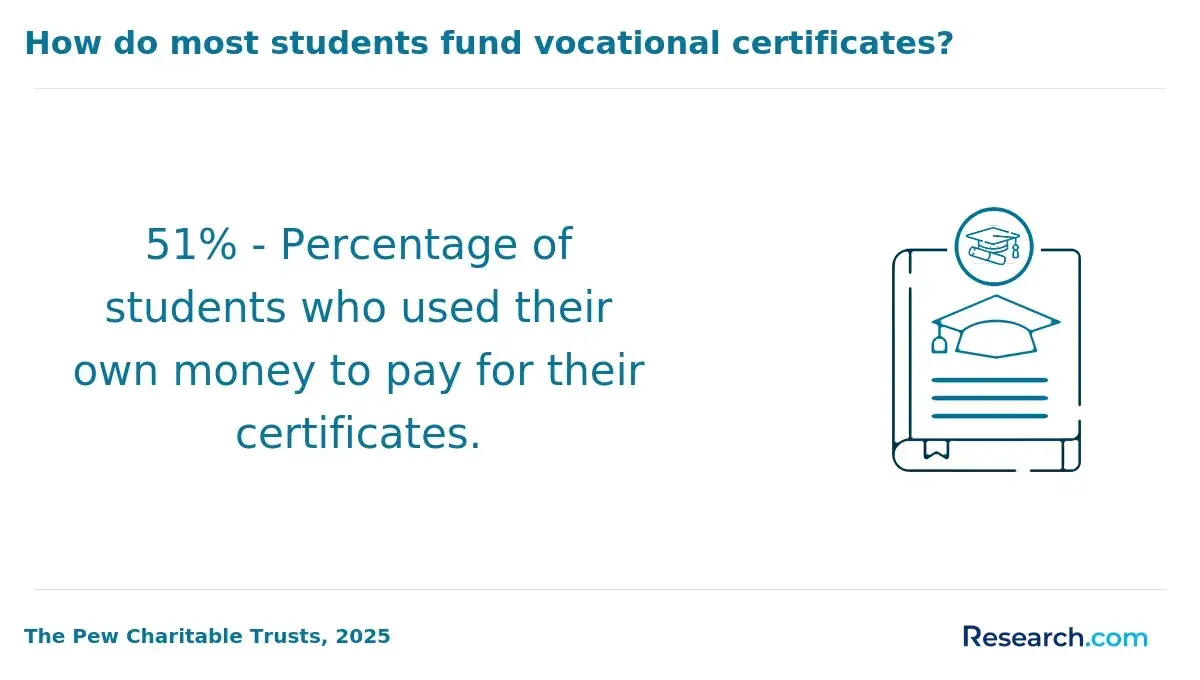
Financially, online mental health counseling programs exhibit broad cost variability, with median in-state tuition near $9,459 and out-of-state costs approaching $29,433; net prices average around $14,860. This spread influences program choice, especially given the logistical demands of securing local practica or internships, which often require flexible schedules, travel, and pre-approval from licensing boards.
Failure to anticipate these commitments can delay credentialing and workforce entry—significant considerations for working professionals balancing employment or family obligations. Those pursuing a strategic pivot or advancement should incorporate these practical realities into program evaluation to align educational investment with timely licensure and career integration.
What human services and mental health jobs can you pursue with these online psychology degrees?
Completing an online psychology - mental health master's degree opens multiple career avenues, but the path to independent practice is substantially influenced by state licensure requirements. Most U.S. states mandate 2,000-4,000 hours of supervised clinical experience post-graduation, typically spanning 1-2 years. This phase often involves entry-level roles with constrained pay and geographic limitations, which demands candidates weigh financial and logistical challenges before committing.
Graduates choosing licensed mental health counselor trajectories must plan for this extended supervised experience as a fundamental step, balancing work commitments with training. Conversely, those targeting roles such as case managers, rehabilitation counselors, or crisis intervention specialists benefit from quicker employment onset but require additional state-specific certifications or credentials beyond the degree.
For social services or nonprofit positions, employers prioritize demonstrated fieldwork integrated through internships or practicums incorporated into online programs. This experiential component is critical in separating candidates in a sector where practical readiness is as valued as academic knowledge.
Prospective students should consider local labor market demands and licensure regulations carefully, as these factors determine job availability and career fluidity. For example, seeking program coordination roles allows graduates to use their degree knowledge immediately without the licensing delay but limits clinical practice opportunities.
What salaries and earning potential can graduates of online psychology-mental health programs expect?
Starting salaries for graduates of online psychology-mental health programs typically range from $45,000 to $65,000 annually, with median earnings near $58,000, subject to role and location. Positions such as mental health counselors and social service coordinators often fall within this range, while licensed clinical psychologists with advanced credentials can exceed $80,000, notably in urban markets.
The cost for an online master's in psychology averages about $15,422 per year, closely mirroring traditional campus tuition at $16,978. This cost similarity demands careful assessment of return on investment, factoring in opportunity costs like reduced earning potential during study or limited work hours.
Advancing to supervisory or clinical positions requires certification, licensure, and 2,000 to 4,000 hours of supervised experience, which can elevate salaries significantly—for example, a substance abuse counselor might start at $50,000 but reach $75,000+ with licensure and experience.
Employers increasingly expect technological proficiency and crisis intervention skills alongside the degree. Accreditation and integrated practicum placements are key since practical experience directly impacts employability and long-term earnings in this competitive sector.
What licensing or certification is needed for common mental health and human services roles?
Licensing and certification requirements delineate clear boundaries between clinical and non-clinical roles within psychology - mental health professions, shaping workforce pathways and earning potential.
Licensed positions such as Licensed Professional Counselors (LPC), Licensed Clinical Social Workers (LCSW), and Licensed Marriage and Family Therapists (LMFT) demand a master's degree, 2,000 to 4,000 supervised clinical hours, and successful completion of state exams. This rigorous process typically spans 2 to 4 years post-degree and grants authority for independent diagnosis and treatment.
Conversely, roles like human services assistants or case managers usually require only a bachelor's degree and certifications such as Certified Human Services Professional (CHSP). These credentials validate expertise for support and advocacy but do not permit clinical practice, limiting advancement and autonomy while easing entry timelines.
Practically, graduates must assess the tradeoff between extended licensure pathways with higher salary ceilings and the faster employment prospects of non-clinical roles, especially given continuing education mandates in many states that influence license retention and career flexibility.
Specialized credentials, for instance, Certified Alcohol and Drug Counselor (CADC) or trauma-informed care qualifications, serve as value-adds in niche sectors but remain supplementary rather than replacements for core licensing requirements.
How can you evaluate and choose a reputable online psychology-mental health program in the U.S.?
Selecting an online psychology-mental health program demands rigorous scrutiny of accreditation, curriculum alignment, and verifiable employment results rather than surface-level reputation. Regional accreditation recognized by the U.S. Department of Education or CHEA is nonnegotiable, ensuring the credential holds weight with employers and certification bodies. Without it, graduates risk investing time and money into a degree that may not meet licensure prerequisites or employer expectations.
Curriculum must directly correspond to state licensing rules and clinical requirements. For example, a student targeting clinical licensure in California should confirm the program's approval by the Association of State and Provincial Psychology Boards or relevant state boards. Lacking supervised practicum opportunities or approved clinical placement support can delay licensure by years and impose costly supplementary training.
Employment outcomes provide essential context: programs boasting graduate median salaries near or above the $57,530 community and social service benchmark, as per the U.S. Bureau of Labor Statistics, better demonstrate labor market alignment and employer recognition. Consider that management roles command substantially higher wages, which influences ROI calculations for students pursuing administration rather than direct care.
Program delivery formats also fundamentally affect feasibility for working adults. Fully asynchronous options optimize schedule flexibility, while synchronous clinical hours require local site availability and program assistance to secure approved placements.
Costs must be weighed against realistic income trajectories and job stability. Less costly programs without strong employer credibility may limit postgraduation earnings and career mobility. Prospective students should map program outcomes to their intended role—patient care provider, manager, or analyst—and verify graduate success metrics certified by trusted sources.
Other Things You Should Know About Psychology - Mental Health
Online programs vary significantly in how they integrate practical experiences like internships or supervised fieldwork, which are essential for handling real-world human services scenarios. Candidates should prioritize programs that mandate direct client interaction hours and offer opportunities to develop applied skills, as purely theoretical online degrees without experiential components risk leaving graduates underprepared for employer expectations. The lack of in-person engagement can limit skill development in communication, crisis management, and ethical decision-making, all critical in human services roles.
Online degrees offer valuable flexibility, yet programs differ in structure-some require synchronous sessions and fixed deadlines that can complicate scheduling for working adults. Select a program with asynchronous coursework and clearly defined timelines to manage workload effectively without sacrificing course quality. Prioritizing programs designed specifically for adult learners reduces the risk of dropout and ensures you can apply new skills progressively in your current job or community setting.
Employer acceptance of online degrees depends heavily on program accreditation, the reputation of the institution, and demonstrated hands-on experience. Candidates must complement their degree with field placements, certifications, or licenses to meet employer standards. Degrees obtained from accredited schools recognized by relevant human services credentialing bodies improve job prospects, but practical competencies remain the primary hiring criterion over the mode of instruction.
References
- Jobs With A Bachelor's Degree In Psychology https://www.psychology.org/resources/jobs-with-a-bachelor-of-arts-in-psychology/
- Online BA in Psychology | Human Services | Touro University https://www.tuw.edu/academics/psychology/online-ba-psychology-human-services/
- Bachelor’s in Psychology Programs Online | Social Work License Map https://socialworklicensemap.com/social-work-resources/comparing-social-service-degrees/ba-psychology/
- Licensed Clinical Social Worker - Florida Board of Clinical Social Work, Marriage & Family Therapy and Mental Health Counseling https://floridasmentalhealthprofessions.gov/licensed-clinical-social-worker/
- FAQ https://www.cshse.org/faq
- Certification, Credentials and Licensure — Regional Behavioral Health Workforce Coalition https://www.buildbehavioralhealth.org/certs-cred-license
- Psychology Accreditation: What you need to know https://www.onlinepsychologydegrees.com/articles/accreditation/
- Guide to Master’s Degrees in Counseling Psychology https://onlinecounselingprograms.com/online-counseling-degrees/online-masters-in-psychology/counseling-psychology/
- Your Guide to Psychology Degree Entry Requirements https://www.stonebridge.uk.com/blog/distance-learning/entry-requirements-psychology-degree-or/