2027 First Mental Health Support Roles for Students Preparing for Counseling or Social Work Graduate School

Co-Founder and Chief Data Scientist
Applicants targeting counseling or social work graduate programs increasingly confront gaps between academic preparation and practical exposure. Securing relevant mental health support roles has become a critical, yet challenging, step in this transition. With the U. S. Department of Education reporting over a 35% rise in online graduate enrollments since 2023, many candidates must balance remote learning with hands-on experience, complicating traditional pathways. Concurrently, workforce demand for mental health professionals is shifting toward versatile roles that blend administrative support with client interaction, affecting how students time and prioritize work experience.
This article examines first mental health support roles tailored for those preparing to enter counseling or social work graduate programs, offering targeted guidance for optimizing experiential learning and career readiness amid evolving education and labor market trends.
Key Things You Should Know
- Employment data from the U.S. Bureau of Labor Statistics shows mental health support roles increase by 18% through 2031, pressuring students to balance early work experience with graduate school demands, often extending overall training timelines.
- Employer surveys in 2025 reveal 62% preference for candidates with prior client-facing mental health roles, emphasizing practical skill gaps from purely academic routes and enhancing job market readiness for students selecting initial support positions.
- Median program costs for counseling or social work graduate school rose 12% since 2023, compelling prospective students to weigh part-time support roles' income benefits against delayed credential completion and potential credentialing bottlenecks.
What are first mental health support roles for students?
Entry-level mental health support positions for social work students often expose them early to campus mental health dynamics, a crucial learning environment given that 77% of college students report moderate to serious psychological distress but only 41% access available resources. Roles such as peer counseling, crisis intervention assistants, and outreach coordinators provide practical exposure to empathetic listening, confidentiality, and risk assessment skills, all without the extensive prerequisites typical of formal clinical internships.
Choosing these first mental health support roles for counseling graduate students involves notable tradeoffs. They offer rapid immersion into peer support contexts that sharpen communication and documentation-skills directly relevant to case management in schools, hospitals, or community agencies. Yet, these roles do not substitute for supervised clinical practicum or advanced therapeutic training required for graduate licensure, emphasizing the need to balance such employment with rigorous academic and training commitments.
A student working as a peer counselor might gain firsthand experience managing confidentiality and crisis de-escalation, which enhances readiness for clinical responsibilities. However, it also demands careful workload management to prevent burnout and navigating additional steps like background checks.
Combining these roles with targeted academic pathways such as an accelerated masters in counseling can shorten the timeframe to licensure while building relevant expertise grounded in real campus needs.
Which jobs prepare students for counseling or social work grad school?
The scarcity of school psychologists-where only 14% of U.S. school districts meet the recommended ratio of one per 500 students-intensifies demand for entry-level mental health support jobs for counseling and social work students but also exposes them to significant workload challenges. Roles like school counseling assistants or behavioral health aides in K-12 settings provide critical hands-on exposure to intervention strategies, wellness assessments, and crisis management, often requiring candidates to navigate caseloads exceeding optimal levels. This experience is essential for developing the triage and resource allocation skills that graduate programs and employers prioritize.
Entry-level positions in community mental health and peer support further build social work readiness by involving client advocacy and systems navigation while balancing the administrative duties that demand refined organizational capacity. However, these student roles that prepare for graduate school in mental health counseling frequently come with tradeoffs: below-median pay, irregular hours including evenings and weekends, and the necessity of structured supervision for licensure requirements.
For students seeking specialized advanced education, exploring masters in forensic psychology online offers additional avenues with focus on forensic applications, blending mental health expertise with legal system interactions.
What degree or training do these entry-level roles require?
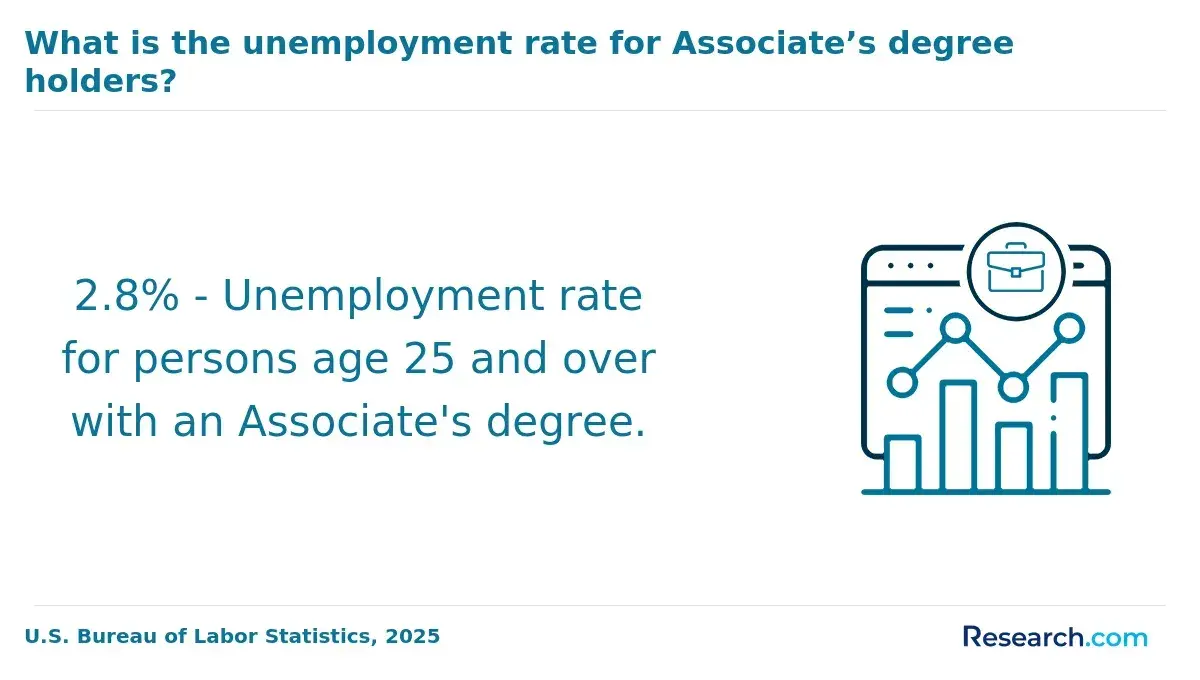
Entry-level mental health support roles in counseling and social work increasingly require at least a bachelor's degree in psychology, social work, human services, or a related field, reflecting clear employer expectations. The surge in demand for crisis communication skills-exemplified by over 6.5 million contacts to the 988 Suicide & Crisis Lifeline in 2024-makes certifications like Mental Health First Aid or state-recognized crisis counselor training (40-60 hours) indispensable supplements, especially for student positions on campus crisis lines or text lines.
In practice, the interplay between formal education and targeted certifications shapes eligibility and employability. While social work agencies often require a Bachelor of Social Work (BSW), some counseling support roles accept candidates without full degrees if they have supervised volunteer experience and specific certificates. Students must weigh the tradeoff between a longer, comprehensive route like a BSW or BA/BS in psychology versus shorter certifications that enable quicker entry but may restrict future graduate school options or work-readiness breadth.
Technical skills such as data entry or compliance with privacy regulations (e.g., HIPAA) also factor into hiring in university counseling centers, underscoring the varied competencies demanded beyond core qualifications. For those comparing costs and pathways, exploring an online psychology degree affordable can balance financial and time investments while meeting program prerequisites for graduate school.
Understanding entry-level mental health support qualifications for graduate school involves parsing these nuanced requirements to strategically position oneself amid diverse role demands and institutional expectations.
How do online and campus programs compare for this field?
Choosing between online vs campus mental health support programs involves critical tradeoffs that directly affect clinical readiness and employability. Campus programs provide embedded, in-person practicum experiences essential for immediate applied competency-something employers in hospitals and behavioral health facilities value highly when filling 16,100 annual job openings projected to grow 9% by 2034. Students benefit from structured clinical rotations and direct access to peer and faculty networks, sharpening both technical skills and soft skills like crisis communication.
In contrast, online students gain flexibility advantageous for those working or remotely located but must proactively secure local clinical placements. This often results in uneven practicum experiences and potential delays in job entry or eligibility for certification required for graduate study in counseling or social work. Without hands-on opportunities, readiness suffers, limiting competitiveness in a job market that favors demonstrated skill application.
Prospective candidates balancing these considerations should rigorously assess their ability to coordinate fieldwork and network development. For those seeking CACREP-accredited programs, it's crucial to confirm how clinical components are managed. Resources such as CACREP-accredited programs offer guidance on online options that integrate these requirements. Ultimately, the choice impacts both practical training quality and long-term career trajectories within the Psychology - Mental Health support workforce.
What accreditation should a mental health program have?
Accreditation from CACREP or CSWE is decisive for graduates targeting licensure and employment in mental health support roles, but this often goes beyond formal recognition to shape real-world readiness. For instance, a graduate entering a community mental health center as a case management assistant will confront licensure boards and employers requiring accredited training to manage rising caseload complexity-now averaging a 40% increase amid a 29% staffing growth from 2019 to 2024 per the National Council for Mental Wellbeing.
CACREP accreditation applies mainly to counseling graduate programs, ensuring alignment with licensure standards, while CSWE accreditation is essential for social work degrees meeting clinical and community practice competencies. Employers prize these credentials as indicators of a candidate's ability to navigate mounting regulatory demands and workload intensity. Conversely, non-accredited programs introduce significant risks:
- Limited access to federally backed financial aid and clinical practicum placements
- Restricted licensure eligibility that may delay or block employment
- Lower hireability in competitive job markets due to perceived training gaps
Students should verify program status on official CACREP or CSWE registries and weigh tradeoffs in costs, duration, and specialization scope. Without accreditation, programs typically underprepare candidates for evolving workforce dynamics, undermining career resilience in Psychology - Mental Health fields where practical competence meets expanding demand.
What coursework is common in mental health support programs?
A substantial rise in child and adolescent admissions to psychiatric residential treatment facilities-23% since 2019-has intensified demand for mental health support staff trained to navigate complex clinical environments. Coursework that integrates abnormal psychology, human development, and counseling techniques targets practical readiness, balancing theoretical foundations with applied skills like risk assessment and crisis de-escalation essential for volatile client scenarios.
Programs emphasizing documentation and regulatory compliance respond directly to employer mandates for adherence to state and federal laws, particularly in group homes or youth-focused programs requiring paraprofessional care. Multicultural competence training addresses the increasing necessity to serve diverse populations, an element that shapes intervention strategies and improves client engagement.
Hands-on learning through practicum or supervised fieldwork is often the decisive factor between employability and theoretical preparation alone. Choosing programs with strong clinical placement opportunities tends to yield graduates better equipped for the complexities of longer treatment durations and higher case acuity.
Key considerations for prospective students include:
- Prioritizing practical skill-building over purely academic content to meet workforce expectations
- Understanding that evolving patient needs translate into longer stays and more intricate cases requiring nuanced support
- Recognizing that foundational coursework lays a pathway for advanced degrees in counseling or social work but demands early field experience
What admission requirements do these programs usually set?
Graduate programs in counseling or social work set a high bar by requiring not just a bachelor's degree-usually in Psychology - Mental Health or a related field-but also a competitive GPA, often above 3.0, and prerequisite coursework in core subjects like abnormal psychology, human development, and statistics. These criteria reflect the profession's increasing emphasis on candidates' preparedness to handle demanding roles, given that mental health service demand outpaces staffing growth significantly.
Applicants face practical hurdles such as documented supervised experience, typically 100 to 300 hours, gained in clinical or social service settings. This hands-on requirement serves as a vetting mechanism to ensure familiarity with real-world environments, a non-negotiable for employers handling expanded caseloads with limited support.
Standardized exams like the GRE remain optional in some programs but can be decisive for candidates with lower GPAs or gaps in experience, adding another layer of selection. Personal statements and professional recommendation letters carry weight by revealing applicants' grasp of social work principles and interpersonal reliability.
In practice, candidates who demonstrate experience managing intake or outreach during internships better navigate the competitive landscape shaped by a 37% rise in student demand at counseling centers over a decade, compared to only 18% staff expansion. This gap pressures programs to filter for resilience and adaptability, qualities critical for entry-level roles addressing intensifying service needs.
How long do these programs take, and what do they cost?
Programs targeting mental health support roles typically span 6 months to 1 year and cost between $4,000 and $12,000, depending on the institution and delivery format. These credentials are often designed for working students seeking immediate entry-level roles that facilitate later admission into counseling or social work graduate programs. Balancing part-time study with fieldwork is common, especially in certificate or diploma options focused on intake, housing support, case aide functions, or child welfare.
Public community colleges generally provide the most affordable tuition, while private or nonprofit providers charge more, reflecting differentiated networking and supervised practice opportunities essential to employer preferences. In-person or hybrid models add fees but enhance critical hands-on experience. Graduates benefit from a labor market with persistent frontline vacancies; 58% of U.S. social service agencies report over 10% vacancy rates, illustrating strong demand for timely credential holders.
Choosing programs exceeding one year risks unnecessary debt and delays workforce entry, weakening return on investment. Conversely, programs under six months may lack required experiential learning and practicum alignments necessary for competitive employment and graduate school acceptance. Prospective students must verify internships or field placements are embedded and meet agency expectations to ensure skills translate into viable employment.
Career pivoters and working professionals should weigh:
- Program length versus experiential depth
- Cost differences between public, private, and nonprofit providers
- The importance of supervised practice in agency hiring criteria
- The regional demand intensity for direct supportive roles
What salary and job outlook apply to these support roles?
Entry-level mental health support roles for students targeting counseling or social work graduate programs typically pay between $35,000 and $50,000 annually, varying by employer, location, and job function. Positions such as care navigators, peer support specialists, and telehealth chat moderators represent these roles. Notably, remote telehealth positions sometimes include supplemental stipends or differential hourly rates, acknowledging the growing value of virtual service delivery. The transition toward digital care is significant: telehealth mental health visits increased over 1,900% from 2019 to 2023, with nearly 60% of behavioral health visits in large health systems projected to be virtual by 2024, driving demand for roles focused on digital support and engagement.
Despite these opportunities, students should recognize that many entry roles do not contribute the clinical hours required for licensure, requiring parallel supervised clinical practice. For instance, a telehealth care navigator might gain system knowledge and sharpen digital communication skills but must seek additional experience to fulfill certification requirements. Salary progression remains limited until graduate credentials are earned, making early immersion a tradeoff between lower pay and accelerated digital skill acquisition. Employers prioritize candidates adept in virtual platforms and remote engagement - competencies that enhance employability in an expanding virtual mental health workforce.
Key operational considerations include:
- Balancing gainful employment with the need for supervised clinical hours
- Evaluating geographic and employer-specific pay variances
- Developing technical fluency alongside behavioral health knowledge
Awareness of these dynamics supports strategic decision-making, emphasizing role selection aligned with long-term licensure and credentialing goals rather than short-term financial incentives.
How do you choose a reputable program for this career path?
Programs targeting first roles in Psychology - Mental Health support must demonstrate tangible connections to rising workforce needs, evidenced by a 27% increase in NIH-funded behavioral health research projects and a 31% growth in training grants from 2020 to 2024. These metrics indicate expanding opportunities for entry-level research assistants and policy aides, which programs need to capitalize on through deliberate curriculum design.
Critical factors include embedding students in NIH-supported projects or advocacy organizations rather than limiting instruction to theory. Partnerships with recognized research labs or policy groups serve as reliable indicators of practical training quality. Prospective students should scrutinize how alumni perform in the job market-transparency about graduate placement rates within two years is essential for assessing real-world relevance.
A social work graduate connected to a regional mental health policy institute gaining real-time policy research experience exemplifies the advantage of applied learning outside clinical roles. Additionally, robust mentorship addressing administrative and ethical field challenges enhances readiness.
Urban program locations commonly afford stronger research and networking opportunities than remote campuses, a pragmatic consideration shaping access to career-launching roles. Lastly, evaluating program costs relative to available NIH-linked research stipends or funded positions matters, as such support can alleviate financial barriers while enriching hands-on experience.
- Direct curriculum engagement with NIH-funded projects or advocacy groups
- Graduate employment transparency within two years
- Comprehensive mentorship frameworks addressing administrative and ethical complexities
- Geographic access influencing practical training and networking
- Financial tradeoffs balanced against stipend opportunities linked to NIH grants
Other Things You Should Know About Psychology - Mental Health
Entry-level mental health support roles often require multitasking between direct client interactions, administrative duties, and continuing education. Time management challenges arise because many positions expect both hands-on support and documentation responsibilities, which can lead to burnout if not managed carefully. Students should prioritize roles that offer structured supervision and clear boundaries between service delivery and paperwork to maintain learning quality without overwhelming workload.
Graduate programs in counseling and social work value candidates with relevant supervised experience that demonstrates applied skills and professional judgment. Not all entry-level roles provide the same depth of client interaction or complexity, so students should seek positions emphasizing direct service with diverse populations. Prioritizing roles with mentorship and reflective practice opportunities improves both admissions competitiveness and preparedness for graduate-level clinical training.
Yes, nonprofit and healthcare settings differ in structure, pace, and scope of duties. Healthcare systems often demand familiarity with clinical protocols, electronic health records, and interdisciplinary collaboration, while nonprofits may focus more on outreach, advocacy, and flexible support work. Students should weigh these factors based on their graduate school goals, as healthcare roles may better prepare for hospital-based social work or clinical counseling paths, whereas nonprofits can sharpen community engagement skills.
Obtaining specialized certifications before starting an entry-level role can enhance a student's understanding of specific treatment modalities and mental health conditions. It can make them more competitive job candidates and better prepared for particular job tasks, thereby improving job performance and professional confidence.
References
- Re-Thinking Entry-Level Job Requirements Can Connect Employers With the Right Talent | Generation United States https://usa.generation.org/news/re-thinking-entry-level-job-requirements-can-connect-employers-with-the-right-talent/
- Master’s in Clinical Mental Health Counseling Jobs | Neumann https://learn.neumann.edu/neuperspectives/masters-in-clinical-mental-health-counseling-jobs
- A Complete Guide to Government Funded Mental Health Courses https://www.thewmhi.com/mental-health/government-funded-mental-health-courses/
- Council for Accreditation of Counseling and Related Educational Programs | Council for Higher Education Accreditation https://www.chea.org/council-accreditation-counseling-and-related-educational-programs
- Admissions Criteria https://ed.wum.edu.pl/pl/admissions-criteria
- How to Choose the Right Career Program https://wcc.ca/blog/how-to-choose-the-right-career-program/
- Top Accrediting Bodies For Counseling Degrees https://www.psychology.org/resources/accreditation-for-counseling-degrees/
- How to Choose a Career Path: how to choose career path for UK adults https://accesscoursesonline.com/blogs/news/how-to-choose-career-path
- How School-Based Behavioral Roles Help You Grow Your Career and Transform Student Lives | GHR Education https://www.ghreducation.com/blog/impact-school-based-behavioral-roles
- What Accreditations Should a Mental Health Program Have to be Credible? - Palm Beach Recovery Center https://palmbeachrecoverycenters.com/what-accreditations-should-a-mental-health-program-have/