2027 First Mental Health Support Roles for People-Focused Students

Co-Founder and Chief Data Scientist
Many aspiring mental health professionals confront a bottleneck when trying to enter people-focused support roles: how to secure meaningful employment without extensive prerequisites or costly, lengthy credentials. With workforce demand rising sharply-U.S. Bureau of Labor Statistics projects a 23% growth for mental health support specialists through 2032-candidates must weigh program accessibility against career advancement speed.
Yet, nearly 60% of prospective students in recent National Student Clearinghouse data cite inflexible enrollment periods or limited online options as key barriers, delaying or discarding their plans. Navigating these constraints while maintaining alignment with employer expectations challenges timely, viable entry into the field. This article evaluates emerging first mental health support roles tailored for students seeking practical, accessible pathways and offers decision-critical insights to optimize program choice and career trajectory.
Key Things You Should Know
- Programs launching targeted mental health support roles demand 1,200+ hours of supervised clinical practice, extending entry timelines by 18 months on average, raising candidacy costs by 25%, per 2024 NBCC report.
- Employers prioritize candidates with interdisciplinary training blending Psychology - Mental Health and social services, signaling a 32% higher retention rate but narrowing purely academic pathway appeal, based on 2024 SHRM workforce analysis.
- Rapid increases in student mental health demand outpace program capacity, causing a 15% waitlist growth and forcing institutions into selective admissions that disadvantage economically marginalized students, according to 2024 U.S. Department of Education data.
What are entry-level mental health support roles for people-focused students?
Entry-level mental health support jobs for people-focused students in the US typically involve roles such as mental health technician, peer support specialist, case manager assistant, and behavioral health aide. These positions demand minimal prior experience but rely heavily on interpersonal skills and foundational knowledge in psychology or social work.
A practical tradeoff is that these roles emphasize monitoring and assisting within structured programs rather than independent counseling, affecting both day-to-day responsibilities and long-term growth potential. For instance, a mental health technician in a pediatric psychiatric unit primarily observes patient behavior and communicates changes to licensed staff, while a peer support specialist leverages personal experience to foster community outreach.
This distinction shapes the nature of training and work environment, with most entry mental health roles for caring students in the US requiring flexibility around irregular hours and navigating complex confidentiality rules. Employment demand aligns with data showing 97% of US public schools offering mental health services, though only 18% of students actually use them.
This gap highlights the need for culturally competent, engaging support personnel capable of bridging access disparities. Students should seek programs that integrate practical internships to gain meaningful experience and clarify their career direction. Those aiming to advance beyond entry-level roles must consider additional qualifications, such as an online clinical psychology master's, to meet the credentialing demands for licensed counseling or clinical positions.
What education and training do you need for beginner mental health support jobs?
Entry-level mental health support roles typically require at least a high school diploma coupled with specialized certification or postsecondary training, with employers often favoring candidates who hold certificates or associate degrees in human services, psychology, or addiction counseling. For example, certified peer support specialists complete 20 to 40 hours of state-approved training oriented around recovery techniques and communication skills.
However, more complex positions like substance abuse counselors demand an associate degree plus state licensure, including 1,000 to 2,000 supervised clinical hours and a certification exam. The demand trajectory for roles in substance abuse, behavioral disorders, and mental health counseling projects an 18% growth through 2032, intensifying competition and elevating the advantage of candidates with combined academic credentials and practical experience.
Without formal education pathways, individuals often confront barriers to licensure and career progression. In hospital environments, for instance, at least a bachelor's degree in psychology or counseling is typically required along with clinical internships, reflecting employer expectations for evidence-based competencies and regulatory standards.
Tradeoffs persist between certificate programs, which allow quicker entry but limit salary and advancement, and associate or bachelor's degrees that demand greater time and financial investment but unlock licensure and specialized roles. Students should strategically assess job market demands against long-term professional objectives, including state licensing mandates.
For crisis intervention or school-based mental health support, curricula often emphasize crisis-response and legal training that complement core education. Additionally, professionals pursuing advanced specialization may consider a master's in forensic psychology online to enhance credentials.
Essential education requirements for mental health support roles UK reflect similar prioritizations of formal credentials, though regional regulatory and employment landscapes differ, underscoring the importance of informed educational planning aligned to specific workforce contexts.
How do degree pathways in psychology and mental health lead to support roles?
Degree pathways in psychology and mental health often funnel graduates into support roles that demand foundational knowledge on mental illness prevalence, diagnostic criteria, and evidence-based interventions. For instance, with 23.4% of U.S. adults-61.5 million people-experiencing mental illness, this specialization equips students for practical workforce integration where treatment demand exceeds available licensed professionals.
Undergraduate programs, including many degree programs for psychology and mental health support careers, typically emphasize behavioral science, therapeutic communication, and crisis management. These skills are directly applicable for entry-level positions such as behavioral health technicians, case managers, and peer support specialists but often require supplemental clinical experience or certifications to advance.
Employability hinges on program accreditation and experiential components like internships or practicums. Psychology graduates aiming for hospital roles face more rigid credentialing than those in community-based or school support settings. Consequently, career opportunities from psychology and mental health degrees in the U.S. depend heavily on aligning educational paths with employer expectations in targeted sectors.
Bachelor's degrees alone rarely lead to licensed roles such as Licensed Mental Health Counselor or Clinical Social Worker. Early-career options focus on paraprofessional roles that, despite lower pay, serve as critical foundations. Prospective students are advised to evaluate specialized pathways and consider how to study psychology online to meet practical qualifications and regional licensing requirements.
What mental health support roles can you get with an associate or bachelor's degree?
Entry-level mental health careers with a bachelor's degree in California often include roles such as mental health technician, case manager, behavioral health specialist, peer support specialist, or community health worker. These positions demand practical competence in areas like crisis intervention, clinical documentation, and electronic health records management-skills typically ingrained through degree programs and hands-on internships.
For instance, a mental health technician supporting patients with severe depression in a hospital setting closely monitors behavioral patterns and communicates critical changes to clinical teams. This role requires experiential learning common in bachelor's curricula. In comparison, mental health support roles in California for associate degree holders focus primarily on foundational assistance and patient monitoring.
Case managers educated through associate degrees handle care coordination and resource referral but remain limited in scope, often lacking eligibility for licensure or supervisory functions. The tradeoff between these degrees is clear: associate credentials prepare students for supportive roles, while bachelor's degrees unlock access to development specialist positions and nonprofit prevention work but still fall short of qualifying for independent therapeutic licensure.
Institutions and programs must also emphasize practical experience and real-world skills given the evolving demand underscored by declining rates of severe depression and suicidal ideation among college students according to the 2024-2025 Healthy Minds Study. Prospective students should carefully evaluate program content against workforce expectations in the Psychology - Mental Health sector.
For those considering online pathways, options include online counseling programs that blend flexibility with foundational rigor.
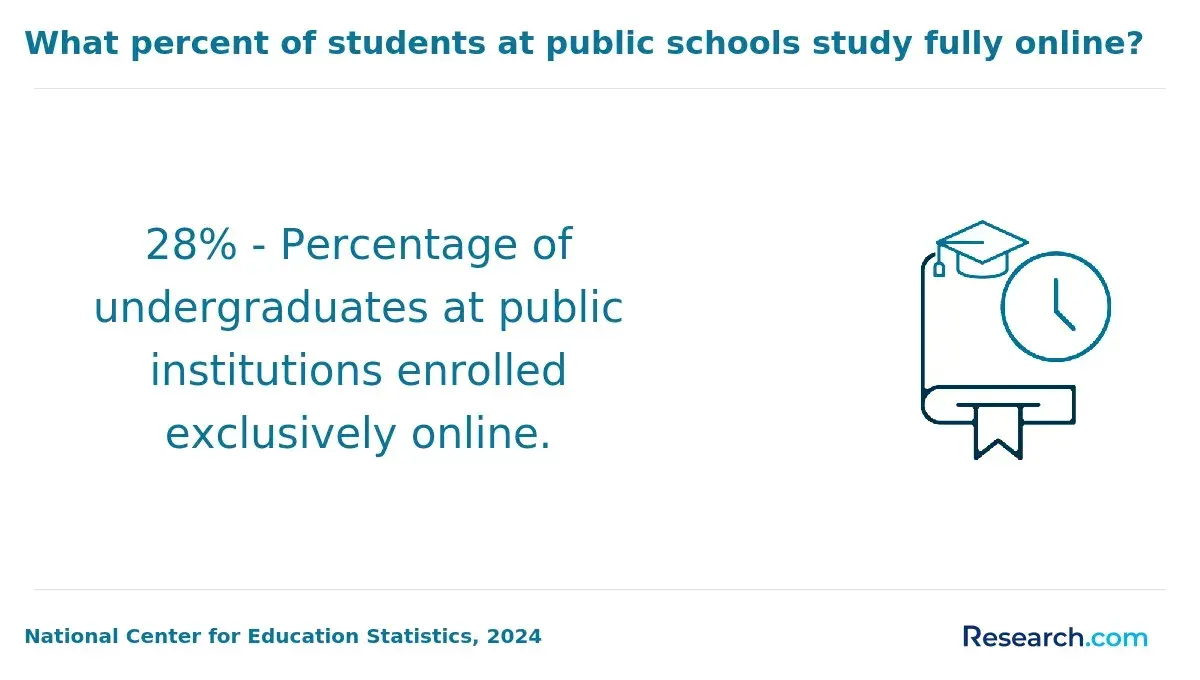
How do online and campus mental health programs compare for support careers?
Choosing between online and campus-based programs in psychology - mental health hinges on balancing practical training needs with flexibility. Campus programs deliver structured clinical practicums, direct client contact, and professional networking crucial for licensure and employer expectations, especially in adolescent mental health roles that require supervised clinical hours.
By contrast, online programs emphasize accessibility and can serve those targeting telehealth or case management careers where hands-on supervision is less stringent. For example, a student aiming to become a licensed professional counselor must ensure the program's accreditation and its capacity to arrange local clinical placements, as these are critical for state licensure and employability.
CDC's Youth Risk Behavior data reveal that 40% of U.S. high school students experience persistent sadness and 20% contemplate suicide, highlighting the urgency of controlled training environments to develop crisis intervention skills. Decision factors include geographic constraints, financial resources, and time availability. Campus programs require commuting and adherence to fixed schedules but provide richer mentorship and immediate clinical feedback.
Online learners must proactively secure local internships and maintain disciplined time management to meet licensure prerequisites without embedded institutional support.
- Campus-based programs offer immediate field experience and in-person mentorship aligned with employer demands.
- Online programs provide flexibility suitable for roles with less supervisory requirements or telehealth focus.
- Licensure candidates must verify program accreditation and clinical placement support regardless of modality.
What should you look for in accredited psychology and mental health programs?
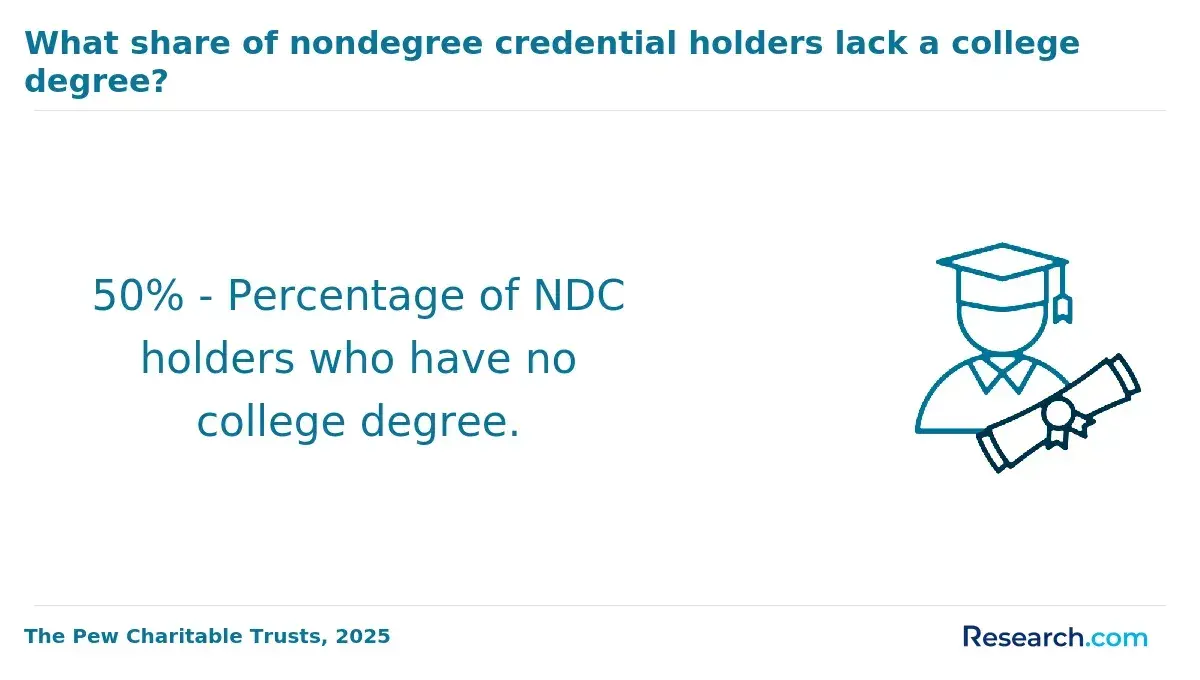
Accreditation and licensure alignment are decisive factors when choosing psychology and mental health programs, directly influencing access to clinical roles and employer credibility. Programs accredited by bodies like the APA or CACREP provide graduates with validated training that meets professional standards, making candidates more competitive amid rising employer mandates for documented credentials.
Practical experience through supervised clinical placements integrated into the curriculum cannot be overstated. Hands-on exposure allows students to convert theoretical knowledge into applied skillsets essential for client engagement and professional competence. For instance, graduates with substantial practicum hours often enter the workforce with fewer onboarding hurdles compared to those from purely academic tracks.
Licensure pathways embedded in coursework-covering ethics, assessment, and evidence-based techniques-serve as structural advantages, particularly in states with rigorous requirements. Considering that mental health occupations employed 2.2 million people with substantial projected job openings, programs offering clear, state-recognized licensure routes and transparent outcomes (employment rates, exam pass rates, time to licensure) allow informed decision-making about return on investment.
Factors such as program cost, length, and modality (online or hybrid) need evaluation against local licensure reciprocity and employer preferences for regional accreditation. Balancing affordable tuition with recognized accreditation and real-world readiness reflects a nuanced approach to preparing for a sustainable career in psychology - mental health.
- Accreditation validation shapes licensure opportunities and employer acceptance.
- Supervised clinical training determines practical readiness and ease of workforce entry.
- Clear reporting on graduate outcomes informs realistic timetables and career planning.
- Local accreditation and modality impact licensure transferability and job market integration.
What courses and skills are taught in entry-level mental health support programs?
Entry-level mental health support roles demand a balance between foundational knowledge and adaptability to challenging workforce conditions, especially amid persistent NHS staffing shortages. These programs focus heavily on practical communication skills tailored for vulnerable clients, such as active listening and culturally informed engagement, essential for settings from acute crisis intervention to community outreach.
Training incorporates observational techniques and basic data collection, enabling students to contribute to care teams without diagnostic responsibilities. Real-world skill development often occurs through simulations and supervised placements, where students must negotiate the tension between ideal clinical practice and resource constraints, such as limited staffing or restricted organizational policies.
Practical proficiency with electronic health records and telehealth is increasingly integral, meeting employer expectations for digital literacy in care environments. Programs also address resilience and self-care, acknowledging that workforce burnout remains a significant barrier to retention and long-term career sustainability.
For U.S.-based students evaluating this educational path, considering how such systemic pressures may influence job duties, supervision availability, and progression opportunities is vital.
What are typical salaries and benefits in early-career mental health support roles?
Starting salaries for early-career roles in psychology - mental health generally range from $40,000 to $60,000, shaped by credentials, setting, and geographic demand. For instance, entry-level behavioral health technicians in community environments often earn near $40,000, while licensed mental health counselors with graduate degrees approach $55,000 to $60,000.
Urban healthcare systems with provider shortages may offer higher pay, driven by workforce scarcity projected through 2036 to exceed 8,000 vacancies nationwide. Compensation packages differ notably by employer type. Government and nonprofit sectors frequently provide benefits such as health coverage, retirement plans, paid leave, and loan repayment incentives, especially in shortage-designated or rural areas.
Conversely, school-based mental health roles might offer fewer benefits, reducing overall compensation. Candidates must assess these variations alongside salary figures to gauge true employment value. Lower-paying jobs often require fewer formal credentials like licensure, favoring peer support specialists or case managers. In contrast, licensed counselors and social workers command higher wages but face longer and costlier educational pathways.
This dynamic forces aspiring professionals to weigh the upfront burden of advanced credentials against delayed income and enhanced salary potential. Employers increasingly value experience with culturally responsive care and telehealth, occasionally compensating through training stipends rather than base salary hikes. Deciding among job offers entails calculating workload demands, caseload complexity, and benefits.
What is the job outlook and demand for mental health support professionals?
Growth in mental health support positions is driven not only by rising awareness of mental wellbeing but also by workforce dynamics that balance qualifications, licensing, and geographic demand. Employment for these roles is forecasted to increase 15% through 2030, especially in schools, healthcare, and private practices. For instance, school districts hire counselors to manage student behavior and emotional health.
Employers face persistent challenges filling roles with licensed clinicians possessing both clinical expertise and contextual knowledge of education or community systems. Candidates lacking state licenses or supervised practice hours often encounter barriers, while healthcare roles demand integration within complex multidisciplinary teams, elevating documentation and coordination requirements.
Financial and operational tradeoffs influence hiring between senior professionals and entry-level positions, shaping the career paths of students and professionals transferring from related fields. Geographic variation is notable: urban districts offer more opportunities but require advanced skills, including trauma-informed and culturally competent care training.
Strategic planning requires early assessment of licensure demands and securing internships in high-need environments like K-12 schools or community mental health agencies. Prospective workers should consider caseload sizes, as lower ratios correlate with improved job satisfaction and retention, directly impacting workforce stability and client outcomes.
What certifications, licenses, or clearances are required for mental health support roles?
Credential requirements in Psychology - Mental Health roles differ sharply by position and setting, shaping which qualifications candidates must prioritize. For entry-level positions such as mental health technicians, state certifications like Certified Psychiatric Technician (CPT) or Certified Mental Health Rehabilitation Specialist (CMHRS) validate baseline clinical competencies and safety adherence.
Advanced clinicians providing therapy need full licensure-often as Licensed Professional Counselors (LPC), Licensed Clinical Social Workers (LCSW), or Licensed Marriage and Family Therapists (LMFT)-which demands substantial supervised hours and exam passage. Employment contexts influence clearance demands: working with children requires criminal background checks and registry clearances, updated periodically.
School-based roles add layers, such as Educational Service Provider licenses and trauma-informed care training, while community agencies commonly require CPR/First Aid and crisis intervention certifications. Practical tradeoffs exist: while assistant or paraprofessional credentials permit quicker entry, chiefly in institutions, they deliver limited upward mobility and lower salary compared to fully licensed clinicians.
Candidates often face upfront fees ranging from $500 to $1,500 for certifications, but must weigh immediate employability against long-term credentialing that enhances career stability. In real-world terms, someone seeking rapid employment might pursue technician certification for institutional roles, accepting slower advancement, whereas ambitious professionals targeting private practice must invest time and resources into full licensure for broader autonomy and compensation.
Other Things You Should Know About Psychology - Mental Health
In 2027, workload and emotional demands in early-stage mental health support roles are heightened by the increasing demand for diverse support services and the emotional resilience required. Students may experience stress balancing these demands, emphasizing the need for effective coping strategies and supportive educational environments.
Specializing early in areas like substance abuse or trauma can limit initial job options but creates clearer career pathways with higher credentials and pay long term. Conversely, broad foundational roles allow diverse work experience but may lead to slower advancement and require further certification for specialization. Students should weigh immediate employability against long-term growth, prioritizing specialization if target employers demand niche skills.
Employers increasingly value supervised hands-on experience alongside degree credentials, often expecting internships or practicum components as part of training programs. Solely theoretical education without fieldwork can limit job prospects and readiness for real client challenges. Programs combining classroom instruction with structured applied practice hold greater weight in hiring decisions, making practical training a key factor in student program selection.
Direct access to local clinics, agencies, or hospital partnerships significantly boosts job placement rates and employment speed after graduation. Programs without employer networking require students to independently secure internships and job leads, which can delay entry into the workforce. For those aiming at early mental health support roles, selecting programs with active employer engagement should be a top priority.
References
- Workforce Strategies Can Include Support for Young People with Common Mental Health Challenges | WorkRise https://workrisenetwork.org/article/workforce-strategies-can-include-support-young-people-common-mental-health-challenges
- What Can You Do With a Bachelor's in Psychology? Top Careers & Skills to Build Your Future https://www.umassglobal.edu/blog-news/can-you-do-a-bachelors-psychology-top-careers-skills-build-your-future
- Mental Health Courses for Beginners: Where to Start - Mental Health Courses https://mental-health-courses.co.uk/mental-health-courses-for-beginners-where-to-start/
- Where can your MHHS degree take you? - University of Maine at Augusta https://www.uma.edu/academics/programs/mhhs/careers/
- How to Become a Mental Health Support Worker in 2025 | QUEST BEHAVIORAL HEALTH https://questbehavioralhealth.com/mental-health-support-worker/
- Home https://www.husson.edu/online/blog/2025/11/demand-for-mental-health-therapists
- learndirect - How to become a Mental Health Support Worker https://www.learndirect.com/blog/how-to-become-a-mental-health-support-worker
- Career guide: Working as a Mental Health Support Worker https://www.communitywork.org.au/about-community-work/community-work-occupations/career-guide-working-as-a-mental-health-support-worker
- Certification, Credentials and Licensure — Regional Behavioral Health Workforce Coalition https://www.buildbehavioralhealth.org/certs-cred-license