2027 Best Online Psychology - Mental Health Programs for Professionals Seeking Community Agency Careers

Co-Founder and Chief Data Scientist
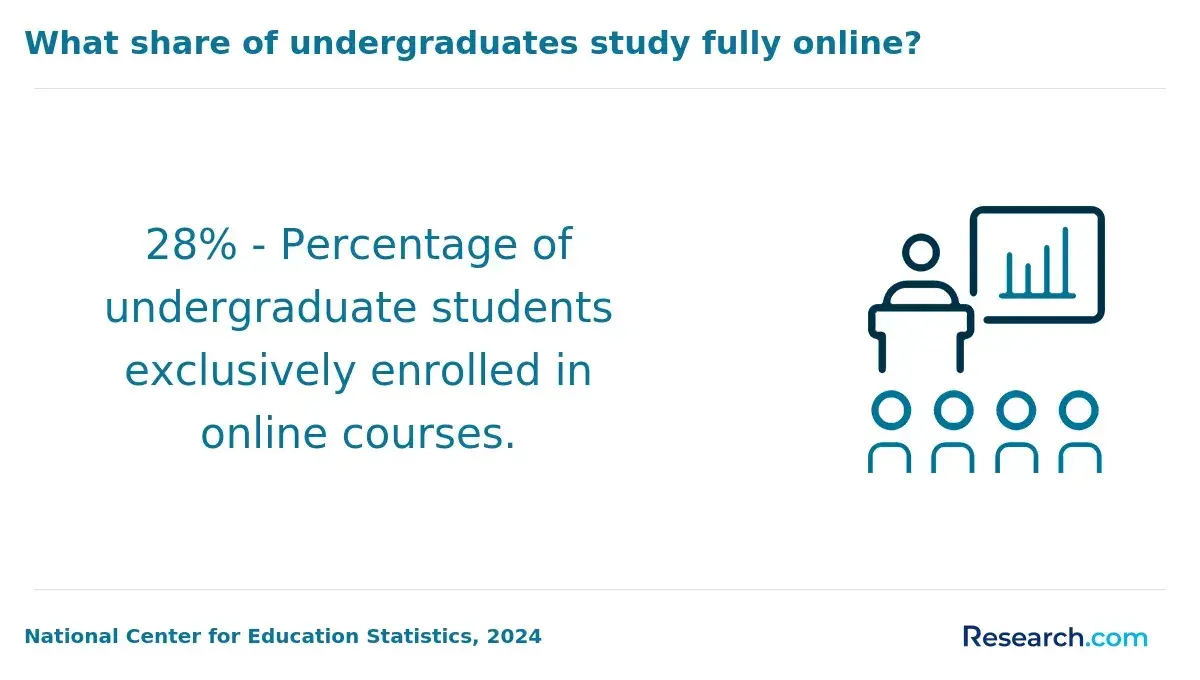
Clinicians aiming to transition into community agency roles often confront tight licensing timelines compounded by inflexible program schedules and prolonged on-campus requirements. This bottleneck intensifies given that nearly 40% of graduate students in mental health fields are working adults balancing family and employment, according to the National Center for Education Statistics 2024 data.
The shift toward online education amid workforce shortages reflects a practical need for programs that integrate clinical rigor with accessibility, enabling professionals to maintain income while advancing credentials. This article evaluates top online psychology - mental health programs tailored for community agency careers, focusing on admissions flexibility, clinical applicability, and career outcomes to guide informed enrollment decisions.
Key Things You Should Know
- Projected 25% growth in community agency roles by 2030 per U.S. Bureau of Labor Statistics raises credentialing standards, forcing candidates to weigh faster certificates against longer accredited degrees for eligibility.
- Employer surveys from 2024 reveal 68% prioritize supervised field experience over online coursework alone, implying online programs need integrated practicum options to maintain hireability within mental health agencies.
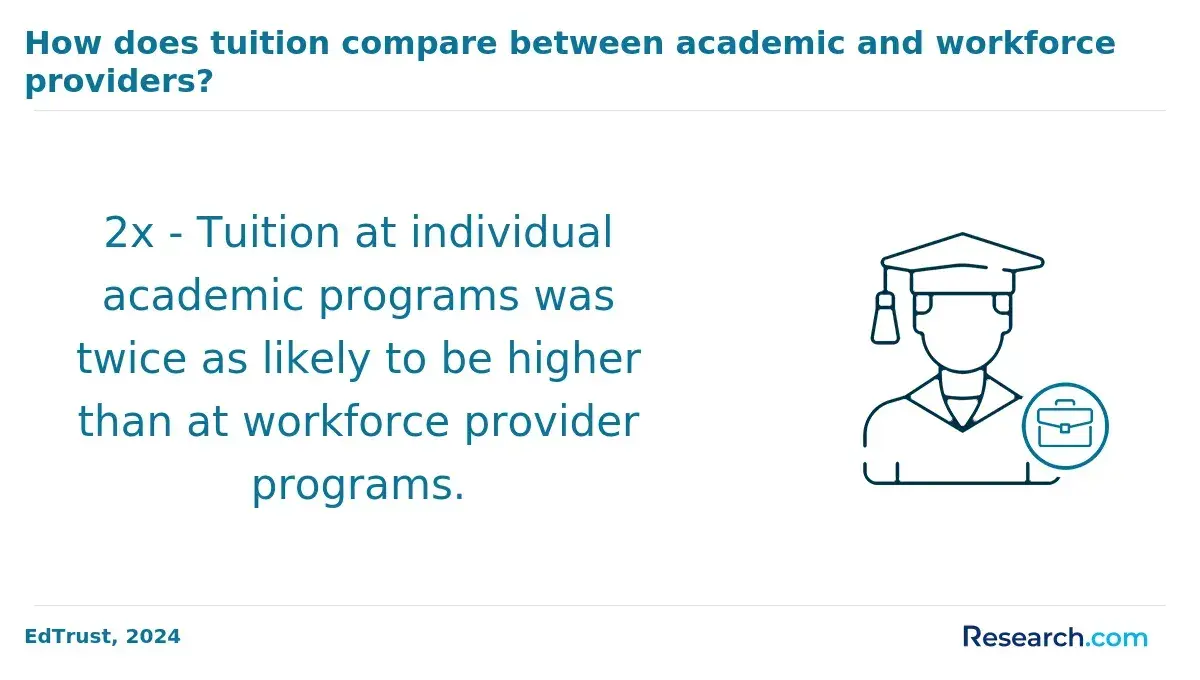
- Average tuition for accredited online mental health programs surged 12% in 2024, per NCES data, pressuring professionals to balance program cost with return on investment given stagnant community agency salary growth.
What are the best online psychology-mental health degrees for community agency careers?
Programs recognized as the best online psychology mental health degrees for community agencies must integrate accredited clinical training with licensure pathways to remain relevant in addressing service gaps. Given that 98% of U.S. counties report unmet mental health needs, these programs emphasize community-based practicum placements and supervised fieldwork tailored to licensure requirements. Candidates targeting careers in community agencies should weigh how well programs accommodate state-specific credentials, flexible online delivery, and proximity to practicum sites.
Top accredited psychology mental health programs for community agency careers prioritize degrees such as the Master of Science in Clinical Mental Health Counseling or the Master of Social Work (MSW) with mental health specialization. Non-clinical psychology degrees often overlook licensure prerequisites, diminishing immediate employability in community mental health roles.
For example, graduates entering rural community agencies confront the dual challenges of securing local practicum sites and preparing for telehealth delivery models, which are increasingly essential given workforce shortages in underserved areas. Aligning educational choices with these real-world demands ensures faster transition to employment and practical competence.
Professionals looking to expedite their credentials might consider online mental health counseling masters programs or accelerated MSN psychiatric NP programs that integrate practical training with licensure-compatible coursework, streamlining entry into psychiatric mental health nurse practitioner roles.
How do online psychology-mental health programs compare to campus-based options for working adults?
Employers in community mental health increasingly prioritize candidates with practical clinical experience and timely licensure, challenging many working adults to navigate the balance between flexible online education and the hands-on opportunities often available through campus-based programs. Online psychology mental health programs for working adults typically offer asynchronous coursework, reducing scheduling conflicts and commuting costs. This flexibility is critical for those managing full-time jobs and family responsibilities. However, securing practicum placements that align with licensure requirements remains a significant barrier outside traditional campus settings.
Between 2019 and 2024, mental health treatment rates rose from 19.2% to 23.7% of U.S. adults, driving urgent demand for master's-level professionals who can quickly transition into the workforce. Campus-based mental health education versus online programs involves tradeoffs between networking and on-site clinical access versus schedule flexibility and accelerated completion. Programs that integrate local fieldwork support while adapting curricula to evolving clinical demands provide an edge for career integration and licensure progression.
Choosing a pathway requires evaluating how well programs assist with practicum logistics and licensure clarity without sacrificing academic rigor. Those seeking to expedite their training may explore accelerated masters psychology programs that maintain accreditation while addressing these practical considerations.
What accreditation should psychology-mental health programs have for clinical and agency work?
Accreditation standards for psychology mental health programs in North America significantly shape graduates' eligibility for licensure, clinical roles, and employment in community agencies. Regional accreditation by bodies such as the Middle States Commission on Higher Education or the Western Association of Schools and Colleges establishes foundational academic credibility. However, specialized accreditation by the American Psychological Association (APA) or the Council for Accreditation of Counseling and Related Educational Programs (CACREP) is indispensable for meeting licensing board requirements and securing clinical supervision hours.
Licensing entities demand degrees from accredited programs to approve supervised clinical experience and exam eligibility. Candidates without these credentials often face extended pathways to licensure and limited access to agency positions. Consider a professional transitioning from general psychology to community mental health counseling; verifying the program's CACREP accreditation is a necessary step to qualify for employment in government, nonprofit, or clinic settings where mental health counselors are projected to see employment growth of 27% between 2024 and 2034, with median wages near $53,710.
Choosing non-accredited programs to reduce costs frequently results in longer, costlier routes to certification and weaker employer recognition, especially since regulatory compliance and insurance reimbursement rely on such credentials. Employers actively seek candidates from programs that incorporate approved clinical practica and licensed supervisors, accelerating workforce integration and salary advancement within agencies. For those evaluating pathways, resources like addiction counseling online degree listings can clarify program validity and market alignment, helping to navigate approved clinical and community agency psychology mental health program accreditations.
Which degree pathways in psychology-mental health lead to community agency roles?
Online master's degrees in psychology - mental health counseling, particularly those that are CACREP-accredited, offer a direct licensure-aligned pathway into community agency roles. Graduates equipped with clinical skills, trauma-informed care, substance abuse counseling, and case management are positioned to meet the specific demands of under-resourced, high-need populations often served by public or nonprofit agencies. This alignment with licensure requirements typically leads to Licensure-Eligible Counselor status in most U.S. states, expediting employment readiness.
The financial and professional tradeoffs embedded in selecting these programs are significant. Median tuition ranges between $28,000 and $36,000 with typical starting salaries from $50,000 to $60,000, establishing a realistic 3 to 5-year return on investment for those entering community-centered mental health work. However, varied state licensing exams and required post-degree supervised hours prolong time-to-practice and can impact early career income trajectories.
Degrees in counseling psychology or social work may support related career paths but often present additional credentialing complexities and broader scopes of practice that complicate immediate entry into community agency roles. For prospective students evaluating degree pathways in psychology and mental health for community agency careers, confirming structured clinical practicums aligned with agency expectations is critical.
Those researching online psychology and mental health programs leading to community agency roles should consult resources like CACREP accredited online counseling programs to identify options balancing affordability and accreditation standards that influence licensure feasibility and job market alignment.
What courses and training do online psychology-mental health programs typically include?
Online psychology-mental health programs often promise flexibility but impose real constraints that affect working professionals and career switchers. While foundational subjects like counseling theories, psychopathology, ethics, and multicultural competencies form the core curriculum, the necessity of synchronous case conceptualization exercises and role-play simulations limits purely asynchronous pacing. This balance between flexibility and hands-on skill development reflects employers' expectations for graduates to demonstrate practical proficiency, not just academic knowledge.
Fieldwork remains a critical bottleneck; supervised internships or practicum placements are mandatory to satisfy licensure prerequisites and provide direct experience in community settings. For example, students targeting community agencies must master telehealth platforms and digital communication tools to remain competitive in a market increasingly reliant on virtual counseling.
Specializations introduce further variation: substance abuse counseling tracks include addiction pharmacology and recovery models, while clinical mental health programs emphasize crisis intervention and case management. Residency intensives or in-person skill labs, often required, impose logistical challenges that can delay completion for those balancing employment obligations.
By 2024, over 60% of counseling master's programs incorporate fully online or hybrid options, with more than 70% of CACREP-accredited clinical mental health counseling programs embedding distance-learning components. This shift signals industry acceptance but also requires students to critically evaluate how program structures align with licensure demands and workplace realities in community agency roles.
What are the admission requirements for online psychology-mental health degrees and certificates?
Admission to online psychology-mental health programs frequently acts as a gatekeeper, directly shaping professional readiness and career trajectory. Most programs mandate a bachelor's degree from an accredited institution with relevant majors such as psychology or social work and typically enforce a minimum GPA of around 2.75 to 3.0. This baseline filters candidates, signaling academic competency but also potentially excluding career changers lacking traditional qualifications.
Graduate-level admission processes tend to prioritize demonstrated experience and clarity of purpose. Letters of recommendation, personal statements focused on mental health career goals, and resumes detailing clinical or volunteer exposure underscore the demand for practical familiarity before advanced study. For example, applicants targeting licensure must navigate programs aligned with accreditation bodies like CACREP, where stringent admissions correlate with strong exam pass rates-95% first-time success highlights a direct return on selective entry criteria.
Non-clinical certificate pathways offer lower entry barriers but carry risks. Without rigorous admission standards, these programs may limit eligibility for supervised internships or licensure, constraining employability in regulated mental health settings. Students must evaluate these tradeoffs carefully: streamlined access versus long-term professional viability.
Practical workforce implications include ensuring admission criteria match one's career goals-clinical roles demand a robust credentialing path, while non-clinical positions may tolerate looser requirements but often yield less regulatory recognition.
How long do online psychology-mental health programs take, and what do they cost?
Choosing an education path in psychology - mental health for community agency roles demands balancing credential timelines with workforce needs and personal commitments. Certificate and diploma programs specialize in areas like addiction counseling or youth mental health and generally require 12 to 18 months, offering a faster route into high-demand roles but often limiting future advancement.
Master's programs span 2 to 3 years, aligning better with clinical licensure and supervisory qualifications but necessitating significant financial and time investment. Doctoral programs, rarely targeted for direct entry into community agencies, exceed three years and often surpass $70,000, which may not justify the expense for professionals focused solely on community practice.
Employers increasingly seek candidates with specialized training, reflecting a 40% increase in U.S. overdose deaths and over 30% rise in youth mental health crises from 2019 to 2024. Thus, accelerated certificates remain attractive for immediate employability, yet may require pursuing a master's later for supervisory roles.
Prospective students must align program length and cost with agency expectations and long-term goals to avoid underqualification or excessive debt, carefully weighing short-term employability against future career flexibility.
What community agency jobs can graduates of psychology-mental health programs pursue?
A bachelor's degree in psychology - mental health opens immediate access to frontline roles such as case manager, mental health technician, or outreach coordinator. These positions emphasize direct client engagement and support but stop short of clinical responsibilities, limiting autonomy in therapy or diagnosis. Employers in public health and nonprofit agencies typically expect someone with this level of education to facilitate resource navigation rather than provide clinical interventions.
Master's degree holders, by contrast, fill licensed counselor and supervisory roles that require complex clinical judgment, treatment planning, and team leadership. These positions-common in community mental health clinics or residential facilities-demand credentials aligning with regulatory standards for independent practice. The distinction is not only in function but also in earnings: master's-level counselors earn approximately 30-40% higher median wages compared to those with bachelor's degrees, reflecting their advanced scope of practice and responsibilities.
Practically, a bachelor's graduate might accumulate valuable hands-on experience as a case manager in a homeless service agency but remains unable to provide psychotherapy or achieve licensure without further graduate study. This split influences career trajectories significantly:
Employer expectations reinforce that those aiming for independent clinical roles must pursue graduate credentials. Thus, the bachelor's degree pathway serves as an entry point, while a master's degree functions as a gateway to sustained clinical and leadership positions within community mental health settings.
What salaries and job outlook can mental health professionals expect in community settings?
Community-based mental health roles typically start with salaries around $45,000 for licensed clinical social workers and substance abuse counselors, but this can rise above $60,000 in high-demand regions like California and the Northeast. These figures reflect not only regional wage disparities but also the influence of licensure and advanced credentials, such as master's degrees combined with certifications in trauma or addiction counseling. Prospective professionals must weigh urban opportunities, which often offer higher pay, against increased caseloads and administrative challenges. For example, a counselor in a California community agency managing Medicaid billing may face significant paperwork that affects client time and reimbursement rates.
Employment growth remains strong, with projections exceeding 20% by 2032 in some states, driven by expanding demand for substance abuse and crisis intervention services. However, faster job entry in these areas often comes with lower starting salaries compared to private practice or hospitals, requiring a balance between immediate employment and long-term earning potential.
Employers prioritize candidates with state licensure and proven experience in evidence-based treatments, underscoring the market's emphasis on qualifications aligned with regulatory demands. Students and professionals must assess these operational realities and licensing requirements carefully before committing, as they directly influence employability and compensation trends in the mental health workforce.
How do licensing and certification work for mental health roles in U.S. community agencies?
Securing licensure in mental health community agencies often means navigating state-specific mandates that directly inform employability and career scope. Licenses such as Licensed Professional Counselor (LPC), Licensed Clinical Social Worker (LCSW), or Licensed Marriage and Family Therapist (LMFT) are non-negotiable credentials for independent clinical practice and billing. For example, a counseling master's graduate seeking reimbursement eligibility at a state mental health agency cannot bypass the LPC requirement without forfeiting direct client care roles.
Practical tradeoffs emerge in the clinical hours requirement, which ranges from 2,000 to 4,000 supervised hours based on state regulations, followed by passing licensing exams like the National Counselor Examination or Association of Social Work Boards (ASWB). Certification, including the National Certified Counselor (NCC), may augment a professional's profile but does not replace the legal necessity of licensure.
Financial strategy significantly impacts licensure trajectories. Public online master's programs can reduce tuition by 40-45% compared to private counterparts, with over 70% of students accessing financial aid, easing the burden of unpaid clinical hours. This economic advantage can accelerate licensure completion by lowering debt and financial strain.
Prospective practitioners must also account for inter-state variability in clinical hour acceptance, exam reciprocity, and portability, especially when aiming for multi-state community positions. This mandates thorough due diligence to align academic pathways with the licensing board's criteria to minimize costly misalignments and credential delays.
Other Things You Should Know About Psychology - Mental Health
Online psychology - mental health programs often require significant self-discipline as they combine fast-paced coursework with practical assignments and sometimes internship components. Working professionals must balance these demands alongside their jobs, which means they should prioritize programs with flexible deadlines and asynchronous learning options. Programs lacking these features can lead to high stress and lower completion rates, so candidates should assess time management supports before enrolling.
Employers in community agency settings value programs that integrate applied skills with evidence-based practices and hands-on experience like practicum placements. Choosing a program focused solely on theory or lacking fieldwork components may limit job readiness and career advancement. Prospective students should prioritize programs recognized by agencies in their target job market and those emphasizing supervised clinical hours.
General psychology degrees offer broad knowledge but may fall short in preparing students for the specific demands of community mental health roles, like case management and crisis intervention. Specialized mental health programs focus extensively on these applied skills but can be narrower, limiting flexibility if career goals shift. Candidates should choose based on immediate career focus: specialized programs for direct community agency readiness, and broader degrees if long-term flexibility is a priority.
References
- The Emerging Field of Behavioral Health Paraprofessionals https://www.nga.org/publications/the-emerging-field-of-behavioral-health-paraprofessionals/
- What is the Job Outlook for Mental Health Professionals Over the Next Few Years? https://psychpros.com/what-is-the-job-outlook-for-mental-health-professionals-over-the-next-few-years/
- Clinical Mental Health Care https://www.umgc.edu/online-degrees/undergraduate-certificates/clinical-mental-health-care
- Top Mental Health Careers | Training and Job Satisfaction of Mental Health Professionals | Prolink https://prolinkworks.com/perspectives/top-jobs-in-mental-health-pursuing-caring-career
- How to Succeed in an Online Psychology Bachelor’s Program as a Working Adult https://paloaltou.edu/resources/blog/how-succeed-online-psychology-bachelors-program-working-adult
- Guide to Master’s Degrees in Counseling Psychology https://onlinecounselingprograms.com/online-counseling-degrees/online-masters-in-psychology/counseling-psychology/
- Accreditation of Master’s Programs in Health Service Psychology: An Opportunity for Board Certification in Professional Psychology https://abpp.org/newsletter-post/accreditation-of-masters-programs-in-health-service-psychology-an-opportunity-for-board-certification-in-professional-psychology/
- Explore Psychology Degrees Online | Psychology.org https://www.psychology.org/online-degrees/
- Best Online Psychology Degrees for Adult Learners – 2026 https://www.collegetransitions.com/blog/best-online-psychology-degrees-for-adult-learners/
- Discover pathways to your new mental health job https://www.health.vic.gov.au/workforce-and-training/discover-pathways-to-your-new-mental-health-job