2027 Best Online Bachelor's in Psychology - Mental Health With Trauma-Informed Support Training

Co-Founder and Chief Data Scientist
Professionals seeking roles in psychology - mental health increasingly face the challenge of acquiring trauma-informed support training without interrupting their current employment or life commitments. According to the National Center for Education Statistics, over 40% of undergraduates are now enrolled part-time or in online programs, reflecting a clear shift toward flexible learning formats that accommodate working adults.
This trend signals a need to balance rigorous, specialized education with accessibility and timing that align with busy schedules. Selecting a truly comprehensive online bachelor's program requires critical evaluation of curriculum depth, practical training integration, and accreditation standards to ensure career readiness. This article examines leading online programs in psychology - mental health with trauma-informed support, providing actionable guidance to navigate these complex trade-offs effectively.
Key Things You Should Know
- Graduates with trauma-informed training face a 15% higher placement rate in mental health technician roles, yet curricula focusing heavily on trauma can limit exposure to broader clinical methods, risking narrower employability.
- Employers report 62% of psychology roles now require evidence of trauma-specific competencies, making such credentials decisive for entry but also intensifying competition among bachelor's holders for internships and supervised practice.
- Online bachelor's programs with trauma-informed support cost 12-20% less than traditional routes but often extend time to graduate by six months, complicating swift workforce entry amid rising mental health demand per the U.S. Bureau of Labor Statistics.
What is an online bachelor's in psychology with trauma-informed mental health training?
Graduates holding an online bachelor's degree in psychology with trauma-informed mental health training enter a labor market increasingly valuing trauma sensitivity, especially in roles spanning healthcare, education, and social services. This specialized foundation goes beyond general psychology by emphasizing neurobiological trauma impacts, crisis intervention, and culturally responsive care-skills linked to improved client outcomes and reduced retraumatization.
For instance, trauma-informed mental health programs for psychology bachelor's students teach practical approaches such as recognizing trauma signs and implementing safety-focused strategies. A school counselor trained in trauma-informed care can better support students facing chronic stress, directly influencing retention and achievement, while social workers apply these competencies to create effective community interventions addressing trauma-related behaviors.
Employment projections reinforce this relevance: psychologist roles are expected to grow 15% from 2024 to 2034 per U.S. Bureau of Labor Statistics data. However, the degree itself is a stepping stone rather than a final credential for clinical practice; advancing to licensure requires graduate study and state certification. Prospective students should carefully evaluate programs for hands-on training components like supervised practicums and confirm accreditation to ensure practical readiness.
For those weighing accelerated options, the fastest online psychology degree pathways may balance speed with foundational skills, but attention to trauma-informed content and clinical opportunities remains critical.
How does an online psychology-mental health program compare to a campus-based program?
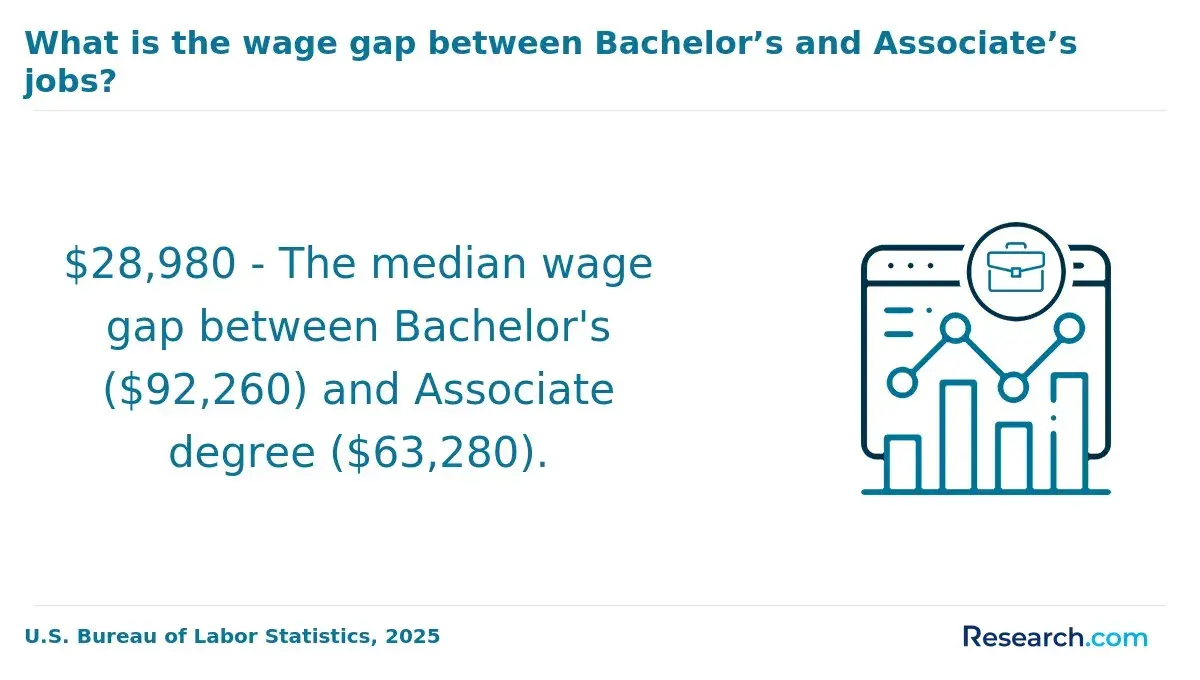
Choosing between online psychology mental health degree programs requires weighing practical tradeoffs linked to cost, learning style, and practicum logistics. Online bachelor's programs average about $56,624 over four years before aid, representing significant savings compared to campus tuition by eliminating expenses related to commuting, housing, and meal plans.
This financial advantage suits working adults or those balancing family duties, but asynchronous formats demand strong self-discipline and prior familiarity with remote learning to sustain engagement and meet deadlines. Differences between online and campus-based mental health psychology training become most apparent in clinical practicum arrangements.
Campus students often benefit from institutional partnerships that streamline access to supervised placements, a requirement critical for trauma-informed mental health practice. Conversely, online students must proactively identify and coordinate approved practicum sites, navigating local regulations without the immediate mentorship that on-campus programs facilitate.
Employers generally accept accredited online degrees if practicum requirements align with licensure standards, but some states and roles mandate in-person hours or specific experiential formats. Graduates targeting licensed counselor positions should verify that their practicum meets state board criteria to ensure eligibility.
The choice ultimately hinges on the student's ability to manage self-directed study and clinical placement complexity within their target job market. For those seeking cost-effective pathways and flexibility, exploring the range of affordable online master's in psychology options can further inform this decision.
Which accreditation and institutional quality standards should these online psychology programs meet?
Regional accreditation remains the most reliable indicator of quality for online psychology programs, especially those integrated with trauma-informed support training. Institutions recognized by bodies such as the Middle States Commission on Higher Education or the Higher Learning Commission meet critical institutional quality measures essential for credit transferability and employer legitimacy.
Programs ignoring these regional institutional quality requirements for online psychology degrees risk producing credentials with limited professional value or acceptance by graduate schools. For those seeking licensure or certification, program alignment with state board coursework and clinical experience mandates is a practical necessity. Failure to meet these standards often leads to costly extensions of study to fulfill additional supervised practice hours or credit requirements.
Employers increasingly expect graduates to demonstrate proficiency in trauma-informed care and cultural competence, particularly in mental health agencies and social services. Candidates from accredited online programs with built-in trauma-informed curricula tend to possess the evidence-based skills valued in these settings.
Cost comparisons reveal significant disparities; for instance, Drexel's online BS in Psychology offers a 52% tuition reduction at $497 per credit compared to standard $1,035 rates. Such savings highlight that pursuing affordable yet accredited options can minimize student debt without sacrificing academic rigor.
Those deciding on degree paths should consult comprehensive guides on counseling credentials, such as the types of counseling degrees, to map educational choices to workforce demands effectively.
What trauma-informed care and mental health topics are typically covered in the curriculum?
Online bachelor's programs that emphasize trauma-informed mental health care strategies in psychology curricula prepare students to navigate complex clinical environments where symptoms of trauma intersect with comorbidities like substance abuse. Graduate readiness hinges on understanding neurobiological mechanisms, such as amygdala dysregulation and prefrontal cortex impairment caused by chronic stress, and applying diagnostic criteria from the DSM-5 for PTSD and related disorders.
This foundation is critical because frontline roles in community mental health often involve clients facing compounding risk factors, including homelessness and domestic violence. Students encounter practical frameworks, focusing on evidence-based treatments like Cognitive Behavioral Therapy (CBT), Eye Movement Desensitization and Reprocessing (EMDR), and Dialectical Behavior Therapy (DBT), which each have distinct clinical indications.
Ethical consideration and cultural competence training address real workforce challenges, such as stigma and client mistrust, which professionals confront daily. Incorporating trauma screening protocols enhances evaluation accuracy, a skill sought in multidisciplinary healthcare teams and social services.
These programs, often designed for working adults, reflect a trend toward curricula that align with employer expectations and real-world applicability, supporting career pivots into roles that bridge psychological theory and service delivery. For further exploration of relevant training options, especially those with specialized accreditation, consider reviewing CACREP schools.
Key mental health and trauma topics in accredited psychology curricula continue to evolve alongside increasing demand for versatile practitioners skilled in trauma-informed approaches across education, healthcare, and justice sectors.
What are the typical admission requirements for online bachelor's in psychology programs?
Bachelor's degrees in psychology delivered online require more than a high school diploma; they consistently demand evidence of academic readiness through transcripts emphasizing English and math proficiency. Many schools insist on a minimum GPA of 2.5 to 3.0, though policies on standardized testing like the SAT or ACT have become more flexible, reflecting evolving admissions landscapes.
Applicants benefit from submitting personal statements that thoughtfully address their motivation for pursuing psychology, with an eye toward trauma-informed care when relevant. Letters of recommendation, especially from professionals who can attest to interpersonal and professional competencies, carry considerable weight given the client-facing nature of psychology-related roles.
Working adults face tangible challenges aligning admissions timelines with job responsibilities, underscoring the importance of early and organized applications. Career changers without traditional academic backgrounds can offset this by spotlighting relevant work or volunteer experience linked to trauma-informed support-a strategic tradeoff that can improve admission viability.
Preparatory steps often extend to virtual interviews or orientation designed to assess a candidate's readiness for the demands of online study. Given the median psychologist salary of $96,100 reported by the U.S. Bureau of Labor Statistics, meeting these admission standards is a vital gatekeeping function that filters candidates capable of succeeding in a rigorous, career-impacting program.
How long do online psychology-mental health bachelor's programs take, and what do they cost?
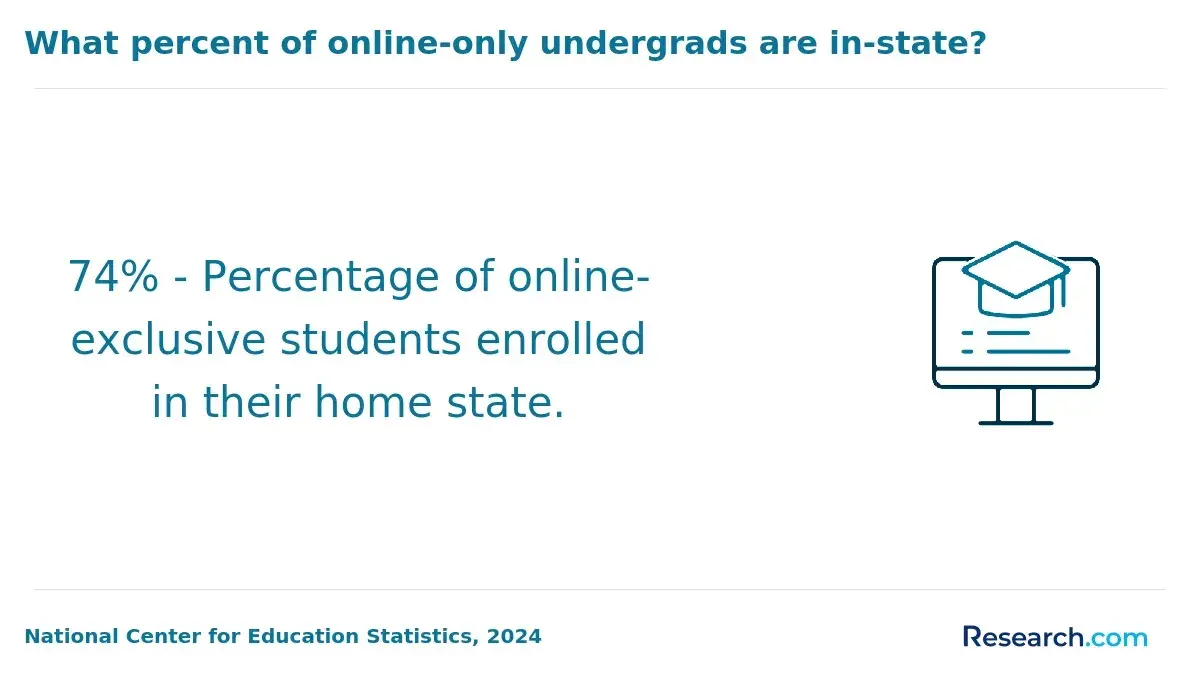
Graduating with a bachelor's degree in psychology - mental health typically requires a four-year commitment, but accelerated tracks allow completion in as little as two to three years for students transferring prior credits. Rowan University exemplifies a transfer-friendly policy requiring only 12 earned college-level credits, which can substantially shorten program length and reduce cost.
When evaluating programs, prospective students must weigh tuition variability-public in-state tuition averages $7,000 to $15,000 annually, while private institutions often exceed $30,000. Beyond tuition, fees and material costs add financial complexity. Accelerated courses demand heavier semester loads and can intensify stress, particularly impacting working students with less flexible schedules.
Employers seeking behavioral health technicians or related roles increasingly expect both bachelor's completion and practical trauma-informed skills embedded in curriculum design. This creates a tension between faster program completion and acquiring supervised experience and comprehensive core competencies relevant for real-world duties.
- Standard program duration is 4 years full-time or 2-3 years accelerated with transfer credits
- Rowan University requires a minimum of 12 transferable college-level credit hours
- Tuition ranges from $7,000-$15,000 at public in-state institutions to over $30,000 at private colleges
- Work-study balance significantly influences pacing, stress levels, and successful program completion
What careers in mental health and human services can this degree help you pursue?
Graduates with an online bachelor's in psychology - mental health focused on trauma-informed support, enter a labor market prioritizing practical trauma awareness alongside psychological theory. Common roles include case management, behavioral health technician, and community support specialist positions, particularly within public health, nonprofits, and outpatient settings. Employers expect these entry-level hires to apply trauma-informed methods to improve client outcomes.
This degree also enables work as rehabilitation specialists or behavioral intervention aides in child welfare and school services, where addressing childhood trauma is integral. However, clinical roles requiring licensure, such as licensed professional counselor or clinical psychologist, remain inaccessible without graduate study.
Students must weigh the substantial tuition variation in online bachelor's programs, which ranges from under $40,000 to over $200,000, heavily affecting return on investment and career timing. Human services roles often demand additional certifications or security clearances, imposing extra time and cost commitments. Combining work with certification acquisition can build relevant experience and enhance employability in mental health administration or trauma-informed community programs.
Key considerations:
- Entry-level positions demand trauma-informed practice but not licensure.
- Tuition cost variations require budgeting for graduate education if clinical licensure is a goal.
- Certifications and clearances are frequently mandatory and influence career mobility.
- Practical experience during certification improves job prospects in social services.
What are the salary expectations and job outlook for psychology-related mental health roles?
Holding only a bachelor's degree in psychology, mental health confines graduates primarily to entry-level roles such as case management, behavioral health technician, or support specialist. These positions typically provide median salaries between $40,000 and $55,000 and focus on direct client support and administrative coordination rather than independent clinical interventions. The market remains competitive, with metropolitan areas demanding higher qualifications.
Specializing in trauma-informed care can elevate employability in nonprofit or educational settings without a master's degree, though this rarely translates to significant salary growth or promotion without formal graduate credentials. For example, a mental health technician in states like California or New York with trauma-informed skills might earn an additional $5,000 to $8,000 annually over peers lacking this expertise.
However, those who remain in generic roles without further education risk long-term stagnation financially and professionally. Employers favor candidates who combine foundational psychology knowledge with targeted certifications or practical experience, but undergraduate coursework (typically 120 credit hours) falls short of licensing prerequisites necessary for clinical positions. Growth projections of about 10% over the next decade signal expanding opportunities.
Does a bachelor's in psychology qualify you for mental health licensure or certification?
A bachelor's degree in psychology alone does not meet the qualifications for independent mental health licensure in the U.S., limiting career options significantly. Licenses such as Licensed Professional Counselor (LPC) or Licensed Clinical Social Worker (LCSW) require a master's or doctoral degree, 2,000 to 4,000 hours of supervised clinical experience, and passing state exams. Graduates without these credentials are typically confined to support roles like behavioral health technician or research assistant.
The workforce demands formal licensure verified by state boards for positions involving clinical diagnosis, therapy, or insurance reimbursement. For someone holding only a bachelor's degree, advancing toward licensure means substantial additional time and financial investment in graduate education and supervised work. For instance, Capella University's pricing for a psychology bachelor's ranges from approximately $10,300 to over $36,000 depending on transfer credits and enrollment pace, not accounting for further graduate program costs.
Pragmatically, bachelor's degree holders can contribute effectively in trauma-informed care, peer support, or case management, but these roles lack clinical authority and autonomy. Planning ahead with awareness of credential requirements and supervised hour mandates avoids costly delays during licensure pursuits. Graduates must also weigh the tradeoff between entering the workforce sooner in limited roles versus extended education to unlock licensed practice privileges.
How can you evaluate and choose a reputable online psychology-mental health program?
Choosing an online bachelor's in psychology-mental health requires weighing accreditation rigor and curriculum alignment with workforce realities. Regional accreditation is a baseline, but specialized credentials in psychology or counseling markedly influence licensure prospects and employer trust. For example, graduates seeking clinical roles often face licensing barriers without proper program accreditation.
Curricula that combine trauma-informed methods with foundational psychological theory better prepare students for direct client interaction in settings like community health centers. Programs offering supervised virtual practicums or partnerships with service organizations provide critical hands-on experience, a deciding factor for employers emphasizing applied skills over theory alone.
Popularity among online psychology programs reflects a competitive market where graduation and job placement rates vary widely. Prospective students must scrutinize outcomes data to avoid programs with weak employment alignment. Scheduling flexibility is another important decision driver; asynchronous coursework benefits working adults but can reduce faculty engagement and peer networking opportunities.
Technology reliability and accessible student support services-career counseling and mental health resources-directly affect persistence and success in demanding online environments. Community mental health roles increasingly value graduates who can demonstrate both evidence-based knowledge and practical trauma-sensitive skills, as these directly impact client outcomes and professional credibility.
Other Things You Should Know About Psychology - Mental Health
Programs that integrate supervised internships or practica offer significant advantages because they provide real-world experience handling trauma cases under professional oversight, which employers prioritize. While purely academic programs develop foundational knowledge, they often fall short in preparing students for applied trauma-informed care. Prioritizing programs with hands-on training components improves clinical readiness and enhances employability in mental health settings focused on trauma.
Online psychology - mental health programs can have comparable or even heavier workloads than campus-based programs due to their accelerated pacing and condensed course formats. Students should prepare for a demanding schedule that requires strong time management, especially in balancing clinical skill-building assignments and trauma-focused coursework. Understanding the intense workload upfront helps avoid underestimating the commitment needed to succeed and minimizes risks of burnout.
Enrollment requirements typically include a high school diploma or equivalent, satisfactory GPAs, and standardized test scores. Specific requirements may vary by institution, so it's important to research each program's prerequisites to ensure eligibility.
Specialization in trauma-informed mental health significantly boosts employability in organizations focused on social services, nonprofit agencies, and community health centers where trauma exposure shapes client needs. However, this focus might limit options in research-heavy or corporate behavioral health roles that prioritize broader psychological expertise. Students should align their curriculum choices with the sectors and employer expectations they intend to target to maximize career relevance.
References
- What Careers Can You Pursue with a Human Services Degree? - Grace Christian University https://gracechristian.edu/blog/what-careers-can-you-pursue-with-a-human-services-degree/
- Traumatology Institute - Traumatology Institute | online trauma counseling courses https://psychink.com/
- Master of Arts in Mental Health https://www.uoguelph.ca/programs/master-of-arts-in-mental-health/
- Compare Online Masters in Psychology https://mastersinpsychologyguide.com/articles/online-psychology-masters-without-gre-requirement/
- Careers with a Degree in Human Services https://www.mhaonline.com/faq/careers-with-degree-in-human-services
- Raising the Bar: The Impact of Accreditation on Psychology Training | SoMAP - The Society of Modern Applied Psychology https://thesomap.org/raising-the-bar-the-impact-of-accreditation-on-psychology-training/
- Trauma Informed Training Front Line Practitioners | Innovating Minds https://www.innovatingmindsgroup.com/trauma-informed-training
- Explore Psychology Degrees Online | Psychology.org https://www.psychology.org/online-degrees/
- What Degree Do I Need to Become a Counselor or Therapist? https://paloaltou.edu/resources/blog/what-degree-do-i-need-become-counselor-or-therapist
- Can I Become a Counselor With a Bachelor’s Degree? https://www.georgefox.edu/counseling-programs/articles/without-bachelors.html