2027 Political Science Specializations for Public Policy Careers

Co-Founder and Chief Data Scientist
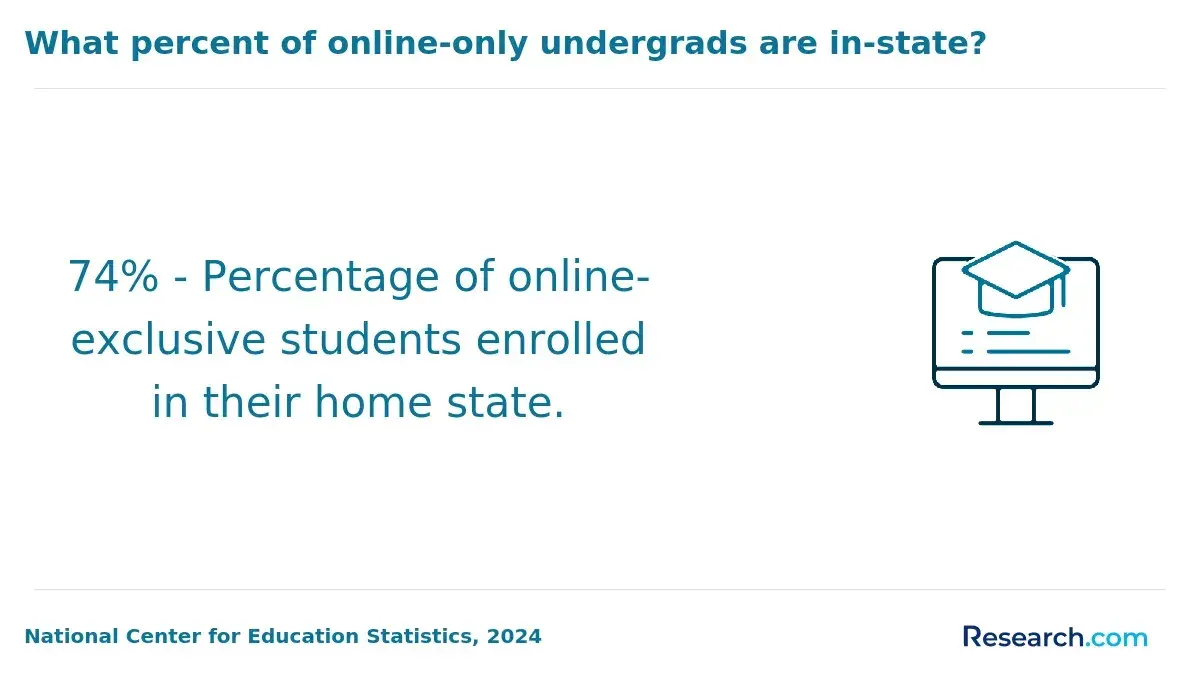
Mid-career professionals aiming to transition into public policy frequently confront a critical juncture: selecting the precise political science specialization that aligns with evolving workforce demands while accommodating lifestyle constraints. The National Center for Education Statistics recently reported a 28% rise in online enrollment among adult learners pursuing social science degrees, signaling a sharp shift toward flexible education formats.
This trend reveals how accessibility and learning modality increasingly influence specialization choices, particularly as time-to-completion and employer recognition weigh heavily in hiring decisions. This article evaluates contemporary political science specializations, addressing their relevance, delivery formats, and labor market impact to guide informed specialization selection for public policy careers.
Key Things You Should Know
- Emerging demand for quantitative political analysis skills-evident in a 27% increase in data-driven public policy roles (BLS 2024)-forces specialization tradeoffs, prioritizing tech fluency over traditional theory, impacting hiring competitiveness.
- Government and think tank employers increasingly expect dual competency in policy analysis and advanced econometrics, constraining candidates without cross-disciplinary training despite steady sector growth (federal workforce reports, 2024).
- Extended degree timelines and rising tuition, with average graduate Political Science program costs up 9% since 2023 (NCES data), create accessibility barriers that disproportionately affect career changers seeking rapid pivots into public policy.
What are the main political science specializations that lead to public policy careers?
Specializations within political science define distinct career trajectories in public policy, each aligning with employer expectations but presenting unique tradeoffs for students. The fields of policy analysis, comparative politics, international relations, political theory, and public administration direct graduates toward tangible roles with varying degrees of technical and research demands. For example, policy analysis positions emphasize advanced quantitative and qualitative research skills, often required by think tanks and government agencies focused on legislative or executive program evaluation. This contrasts with political theory, where a lack of methodological training can hinder competitiveness in a market increasingly driven by data analysis.
Comparative politics specialization supports policymakers managing federal-state dynamics, particularly in sectors like homeland security or public health policy, which rely on adaptive strategies across governance models. Alternatively, international relations prepares candidates for diplomatic and NGO roles, demanding language proficiency and negotiation expertise alongside political science knowledge-an intersection critical for foreign affairs and defense policy work.
Public administration appeals to those targeting government operational leadership, integrating political science with management skills to optimize budgets and service delivery. According to the Bureau of Labor Statistics, the median annual wage for political scientists was $139,380 in May 2024, but such figures assume candidates have acquired specialized internships and familiarity with policy tools, not just academic knowledge.
Prospective students should assess the real-world applicability of their chosen specialization within political science specializations for public policy careers in the United States, balancing skill development against employer demands. For those considering interdisciplinary transitions, exploring resources on what can you do with an environmental science degree offers additional context on navigating complex career pivots.
How do different political science concentrations prepare you for specific public policy roles?
Political science concentrations aligned with public policy career paths direct students toward sector-specific competencies that influence employability and job function. For example, those specializing in comparative politics gain analytical skills suited to international development agencies managing cross-border policy issues, whereas a focus on public policy analysis sharpens quantitative evaluation methods critical for government or think tank program assessments.
Concentrations in public administration develop operational expertise required for roles in city management or nonprofit leadership. These positions demand navigating bureaucratic complexities and applying leadership skills rather than just theoretical knowledge. A political theory specialization hones normative reasoning and critical thinking essential for legislative advisory or ethical policy consultancy supporting institutional reforms. Prospective students should link their concentration choice to targeted roles within political science specializations for public policy roles in the United States, especially considering workforce realities.
Labor market data show a 13% increase in master's degrees in public administration and policy recently, indicating rising demand for analytical and data literacy skills. This trend reflects employer expectations for evidence-based decision-making across concentrations. Choosing a concentration also shapes internship opportunities and networking potential, with international relations requiring additional language and regional expertise for entry-level competitiveness, while domestic governance offers broader access but faces heavier candidate competition.
Decision-making trade-offs extend beyond academics. Candidates pursuing specialized training for environmental policy should weigh program content against practical career entry barriers. Those interested in advanced interdisciplinary research may also explore an online data science doctorate to supplement skills in data-driven policy analysis and increase long-term employability in public policy and political science fields.
What degree levels and academic pathways best support a political science public policy career?
A bachelor's degree in political science alone rarely meets the qualifications for federal GS-13 to GS-15 public policy analyst roles, which demand specialized graduate education. Professionals aiming for these senior policymaking positions should pursue a master's in public policy, public administration, or political science with a policy focus. According to U.S. Office of Personnel Management data, base salaries for GS-13 to GS-15 analysts in public policy range roughly from $98,000 to $152,000, prior to locality adjustments.
Graduate training develops critical skills in policy analysis, quantitative methods, and legislative processes that are essential to navigating government roles. Those switching from unrelated fields benefit from part-time or executive master's programs emphasizing applied policy analysis, allowing them to maintain employment during study. Recent graduates should target programs offering strong internship placements with government agencies or think tanks, as practical experience is a key determinant in federal hiring competitiveness.
Doctoral programs primarily suit those pursuing policy research or academic careers rather than frontline policymaking. Certificate programs offer skill refresher opportunities but fall short of requirements for GS-13 and above roles. Geographic considerations and remote learning options also affect fit, given federal hiring's focus on locality.
For those examining political science degree options for public policy careers, integrating experiential components within their education optimizes employment prospects while aligning with salary expectations. Alternatively, seeking a library science degree online can serve as a comparative example of flexible graduate study options in related fields.
How do online political science programs for public policy compare with on-campus options?
Employers in public policy emphasize tangible skills and practical experience over theoretical knowledge alone, which shapes the comparative value of online political science degree benefits for public policy versus traditional on-campus programs. On-campus settings offer built-in advantages such as structured internships and peer networking that facilitate leadership development and project outcomes valued by hiring managers. Conversely, online programs attract working professionals by maximizing schedule flexibility and enabling immediate application of ongoing work challenges to coursework.
A social worker pursuing an online degree can integrate classroom theory directly into their daily responsibilities, but they must intentionally seek community engagement or mentorship to offset limited experiential exposure. Meanwhile, on-campus students gain broader immersion through cohort interaction and live policy simulations at the cost of geographic and time commitments, possibly delaying workforce advancement.
The Bureau of Labor Statistics forecasts a 15% rise in social and community service management roles by 2034, underscoring the premium on candidates equipped with proven leadership and community-based project experience. This dynamic highlights the real-world implications of educational format decisions within the wider context of political science pathways.
For candidates seeking targeted career shifts, supplementing online studies with deliberate practical involvements is essential. Those prioritizing immersive preparation may favor traditional routes despite their constraints. For additional insight on specialized career trajectories intersecting with political science disciplines, see the detailed overview on the profile and outlook for an FBI profiler.
What courses and skills are emphasized in political science tracks focused on public policy?
Specializing in public policy within political science demands integrated analytical skills that extend beyond theory into high-stakes decision environments. Students must master quantitative methods such as statistics and econometrics to critically evaluate empirical evidence and conduct cost-benefit or risk assessments-skills that directly affect policy viability when navigating tight budgets and regulatory complexities. Practical experience via internships or capstone projects that engage with active legislative or agency challenges sharpens job readiness in an employment landscape prioritizing immediate contribution.
For example, health policy graduates transitioning into roles like medical and health services management confront expanding healthcare systems that require coordination across interdisciplinary domains including epidemiology and health economics. The field's projected 30% growth rate through 2034 reflects high demand but also rising expectations for managing complex, data-heavy operations efficiently.
Effectiveness in public policy careers hinges on blending specialization with a broader fluency in political theory, economics, and communication to translate nuanced proposals into actionable programs. This integrative approach shortens employer onboarding and enhances adaptability across sectors such as government, nonprofits, and private consultancies, mitigating professional risk tied to overly narrow expertise.
What admission requirements do political science programs with policy specializations typically have?
Admission into political science programs with policy emphases demands more than baseline academic credentials; competitive programs increasingly prioritize demonstrated capacity for applied policy work. Candidates with a minimum undergraduate GPA near 3.0 remain eligible, but top-tier tracks often require 3.5 or higher along with official transcripts, recommendations, and statements explicitly tied to policy interests.
Practical experience in government, nonprofit, or advocacy settings serves as a distinct advantage, especially for mid-career professionals seeking advanced degrees. For example, an applicant with an urban development policy internship may surpass a peer with comparable grades but no field exposure. This reflects a growing shift away from sole reliance on standardized tests like the GRE, which many programs now waive in favor of holistic evaluations emphasizing professional and academic rigor.
Specializations such as climate or environmental policy add layers of technical prerequisites, mandating knowledge in environmental science, economics, or statistics. Programs funneling graduates into labor markets with 8% annual growth for climate change policy analysts emphasize analytical and quantitative skills to meet employer demands for data fluency.
Prospective students must weigh programs with rigid prerequisites against more interdisciplinary curricula offering flexible skill acquisition paths. Meeting upfront requirements like econometrics or GIS proficiency improves both admission success and relevance in a competitive workforce. This nuanced selection aligns education with tangible, sector-specific employability rather than academic credentials alone.
How long do political science degrees with policy specialties take and what do they cost?
Obtaining a political science degree with a policy specialization often means weighing the extended timeline and costs of graduate education against clear employer expectations. For instance, many urban planner positions addressing housing or city policy prefer candidates with a master's degree over a bachelor's, demanding an additional two years and increased expenses. Public universities typically charge $10,000 to $25,000 per year for in-state students, while private institutions frequently exceed $40,000 annually.
Career changers face further complexity. Balancing lost income with program choices-such as part-time or hybrid master's options extending over 3-4 years-affects both financial and time investment. Federal aid and scholarships can mitigate upfront costs, but students should anticipate unpaid internships and exam preparations that prolong entry to the workforce. Graduates aiming for local government or nonprofit roles must also budget for licensing, continuing education, and certifications like GIS, which undergraduate political science programs seldom include.
Employment projections signal an 11% rise in urban and regional planners through 2034, outpacing average growth, reinforcing the practical value of advanced degrees. However, rising metropolitan living costs compound financial pressure during education and early career stages, demanding strategic planning beyond tuition alone.
What are the most common jobs, employers, and sectors for political science policy graduates?
Pursuing a political science policy degree positions graduates primarily for roles as management analysts, policy analysts, legislative assistants, and program evaluators within governments, NGOs, consulting firms, and think tanks. However, employment outcomes hinge crucially on the ability to integrate quantitative analysis with a substantive understanding of policy environments such as public administration and economic development.
For example, roles in government agencies demand precision in regulatory compliance and policy impact assessment, while legislative assistants must quickly adapt to changing political dynamics, requiring strong communication alongside familiarity with lawmaking processes. Consulting roles emphasize forecasting and strategic planning through data interpretation, and NGOs prioritize stakeholder coordination and advocacy grounded in qualitative research.
Employment growth projections for management analysts-a core policy evaluation position-indicate a 10% increase over a decade, adding roughly 92,300 jobs nationwide. This suggests steady demand but also highlights competition that favors candidates with both technical proficiencies and applied experience.
Graduates face a tradeoff between narrowly specialized skills, such as quantitative program evaluation, and broader, transferable capacities suitable for lobbying or legislative support. Real-world hiring scenarios routinely stress internships and sector-specific experience as essential to bridge academic theory with practical policy work. Prospective students should weigh these factors carefully when aligning educational choices with long-term career versatility.
What salary ranges and advancement opportunities exist in public policy careers with this background?
Political science graduates pursuing public policy roles face a constrained labor market marked by a 3% employment decline projected through 2034, demanding adaptability and skill diversification. Entry-level salaries typically range from $55,000 to $75,000, heavily influenced by sector and location. Mid-career professionals with layered expertise-such as data analytics or legislative experience-can command between $80,000 and $110,000, particularly when combining government service with consulting or nonprofit strategy roles.
Employment openings average around 500 annually, driven mainly by retirements and lateral moves. Candidates lacking specialized skills or internship experience often encounter stagnant wages and limited advancement. Practical experience in regulatory affairs or interagency coordination significantly enhances competitiveness. For instance, a state government analyst with quantitative skills may transition to a federal grant management position, gaining a 15-25% salary increase and greater promotion potential.
Private sector roles like policy advising or lobbying offer salary premiums exceeding $120,000 but come with less job stability and fluctuating demand. Academic and research tracks start near $50,000 but may reach six-figure salaries through tenure. Cross-disciplinary capabilities and multilingual communication are increasingly critical for accessing senior policy roles across agencies. Navigating this landscape requires prioritizing tangible policy impact and continuous skill enhancement in response to shifting funding and policy priorities.
How can students evaluate accreditation and program quality in political science policy programs?
Accreditation from the U.S. Department of Education or the Council for Higher Education Accreditation is decisive when evaluating political science policy programs-without it, degree value diminishes sharply in the job market and for federal aid eligibility. Career outcomes often hinge on programs' connections to public sector agencies or think tanks that provide internships and hands-on experience employers demand. For example, a graduate aiming for a policy analyst role in government should prioritize programs emphasizing quantitative policy analysis and econometrics, taught by faculty active in policy research or consulting.
The real-world payoff is reflected in salary trajectories: bachelor's degree holders start near $38,000, rising to about $52,000 mid-career, but advanced degrees in policy fields can reach $90,000 to $130,000 mid-career. Students must weigh logistical factors like flexible scheduling, online options, and program length, as balancing work and study is critical. Transparent graduation and retention rates, plus alumni career data, offer practical signals of program rigor and support.
Prospective students should integrate this data with workforce projections to choose programs optimizing skill development, market relevance, and long-term earnings prospects, avoiding decisions based solely on institutional reputation or surface-level features.
Other Things You Should Know About Political Science
Choosing between quantitative and qualitative methods depends on your target employer and role. Federal agencies and think tanks often prioritize strong quantitative skills like data analysis and econometrics for evidence-based policy work, while advocacy groups and local governments may value qualitative skills such as case studies and ethnographic research for contextual understanding. Candidates proficient in both methods hold a competitive edge, but if career flexibility is the goal, prioritize quantitative skills due to broader demand in public policy analysis and evaluation.
Internships and experiential learning are decisive factors in job placement post-graduation because practical experience supplements academic knowledge with real-world problem-solving. Programs with embedded internships or policy labs network directly with policy organizations, improving access to entry-level roles. Lack of clear internship pathways significantly hinders employability, so prioritize programs that integrate hands-on projects or placements, especially for first-time career changers without established policy connections.
Specialized certifications-such as data analytics, project management, or policy analysis-significantly enhance candidacy for mid-level and senior public policy roles beyond the bachelor's degree alone. Employers increasingly expect mastery of technical tools and sector-specific knowledge that a political science degree may not fully cover. It is advisable to pursue targeted credentials concurrent with or after degree completion to remain competitive and unlock advancement potential within complex policy environments.
References
- Department of Politics and Public Policy - SWPS University https://english.swps.pl/science-and-research/discover-our-potential/research-centers/955-faculties-and-departments/faculty-of-social-sciences-in-warsaw/departments/33785-department-of-politics-and-public-policy
- Political Science - Bachelor's Degree - The Institute of Political Science https://politologia.uwr.edu.pl/en/candidates/bachelor-degree-political-science/
- Exploring the Top Political Science Careers for Your PhD https://smceducation.com/blog/political-science-careers/
- 2025's Best Online Master’s Programs in Political Science https://www.onlinemastersdegrees.org/best-programs/political-science/
- Admission Requirements https://www.ualberta.ca/en/political-science/graduate-programs/admission-requirements.html
- Political Science Focus Areas: Why and Where to Study Them | UT Permian Basin Online https://online.utpb.edu/about-us/articles/political-science/political-science-focus-areas-why-and-where-to-study-them
- 2003 Policy Paper "Quality Assurance and Accreditation" - European Students' Union https://esu-online.org/policies/2003-policy-paper-quality-assurance-and-accreditation/
- STAR Accreditation for our Department of Political Science and International Relations (English)! http://ticaret.edu.tr/siyaset-bilimi-ve-uluslararasi-iliskiler/en/2024/05/06/star-accreditation-for-our-department-of-political-science-and-international-relations-english/
- Beyond evaluation: Improving quality and impact through programme accreditation https://ojs.acad-pub.com/index.php/FES/article/view/522
- Career Path in the public service https://www.publicjobs.ie/en/information-hub/civil-service-career-path