2027 Best Online Political Science Degrees for Public-Law-Oriented Careers

Co-Founder and Chief Data Scientist
Professionals targeting public-law-oriented careers in political science often face a critical hurdle: balancing rigorous education with ongoing job responsibilities and time constraints. With online enrollment in higher education rising by 5.6% nationally according to the National Center for Education Statistics in 2024, this reflects an urgent shift toward flexible learning models that accommodate adult learners. However, accessibility alone does not guarantee program quality or alignment with specialized career trajectories, forcing candidates to navigate a complex landscape of offerings varying drastically in curriculum relevance and professional outcomes. This article evaluates top online political science degree programs tailored for public-law aspirants, providing clear guidance to optimize educational investment and career advancement.
Key Things You Should Know
- Public-law-oriented political science degrees offer 12% higher median salaries in federal government roles, yet emphasize theoretical knowledge over practical law enforcement skills, requiring students to balance academic rigor with applied training gaps.
- With 38% of hiring managers in policy analysis seeking graduates possessing both law-adjacent political science credentials and internship experience, program selection shapes employability through integrated experiential components.
- Online political science programs average 30% lower tuition than on-campus counterparts, but longer part-time completions, with workforce reentry delays averaging 6 months, impact career pivot timing and income trajectories.
What is an online political science degree with a public-law focus, and who is it best for?
Degrees in political science with a public law specialization shape candidates to navigate the legal frameworks governing policy and administration, a skillset increasingly demanded in government and nonprofit roles. Professional scenarios often require application beyond theory: city compliance officers, for instance, must ensure municipal rules align with complex state and federal statutes, while policy analysts draft legally grounded legislation advice. These practical needs influence employer expectations, where regulatory knowledge is as critical as political acumen.
Choosing one of the best online political science programs for public law careers requires scrutiny of curricular rigor and workforce relevance. Internships, case studies, and legal writing exercises are pivotal; their absence risks graduating with theoretical knowledge insufficient for the crowded job market. The integration of these elements can differentiate graduates in a field where legal literacy determines employability.
Online program flexibility supports working professionals but requires balancing tuition cost and return on investment. For example, the average annual tuition of $13,416 illustrates the financial commitment needed, which should be weighed against potential salary increases and sector demand. Candidates should also consider interdisciplinary options such as a forensic science online degree if their career goals necessitate broader legal investigation skills alongside policy expertise.
How do online political science programs prepare you specifically for public-law careers?
Online political science programs that prepare students for public-law careers demand a rigorous grasp of constitutional law, administrative regulations, and judicial processes applied in government or legislative settings. Employers expect familiarity with procedural rules and legal research skills, often assessed through case studies and simulated statutory interpretation exercises. For example, students might evaluate recent Supreme Court rulings affecting municipal policies, equipping them to advise on compliance risks or regulatory drafting within public agencies.
Career-focused training in political science for public law roles emphasizes navigating bureaucratic frameworks alongside developing critical reasoning skills. These programs require significant time investment in reading and writing, potentially challenging working professionals balancing other commitments. Candidates transitioning from business or social sciences find that the flexible structure allows continuity in employment while pivoting to legal expertise.
Costs typically range between $22,000 and $50,000, a notable tradeoff compared to alternatives like paralegal certificates or government internships, which may offer quicker entry but less comprehensive legal grounding. Incorporating practical internships or externships can markedly improve readiness for public-law environments by bridging theory with real-world application.
Students assessing this pathway should also consider cross-disciplinary routes such as pursuing a data science doctorate online for roles intersecting legal analytics and policy evaluation.
- Skills development in public law through online political science degrees
- Career-focused training in political science for public law roles
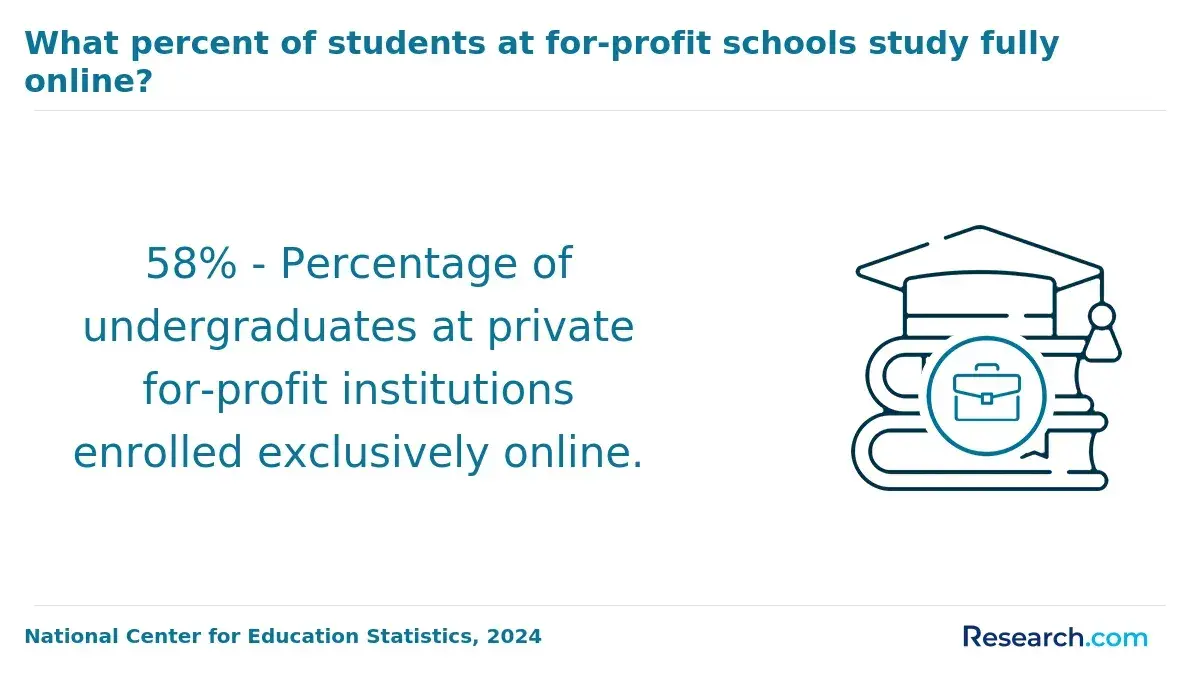
Which types of online political science degrees best support public-law career goals?
Focusing an online political science degree on public law shapes access to government and policy roles where legal frameworks are paramount. Programs prioritizing constitutional law, administrative law, and legal theory provide skills that closely align with common employer demands in public-law careers. For instance, legislative analyst positions require competence in statutory interpretation and regulatory contexts, making practical mastery of these areas a clear employment differentiator for candidates pursuing the best online political science programs supporting public law.
Prospective students considering online political science degrees for public-law careers should weigh the inclusion of experiential learning components such as internships or case studies. These elements are critical for bridging academic study with the real-world legal challenges faced in government agencies and nonprofits. Without such applied experience, graduates may struggle against peers who possess formal law credentials or deeper field exposure.
The U.S. Bureau of Labor Statistics projects a 7% job growth for political scientists through 2032, fueled by roles demanding expertise at the intersection of law and politics. This demand underscores the value of selecting programs with strong curricular alignment to legislative and judicial processes, along with career services linked to public sector placement.
When evaluating options, also consider that specialized tracks combining political science with foundational legal education offer a pragmatic alternative to the full Juris Doctor pathway. For those balancing cost and time, reviewing resources like a library science degree list can offer comparative insight into affordable online graduate programs that maintain rigor without excess expense.
How do you evaluate accreditation and program quality for online political science degrees?
Accreditation remains the essential filter for online political science degree accreditation standards, directly affecting graduate eligibility for federal financial aid and employer recognition. For careers rooted in public law, accreditation from regional bodies such as the Southern Association of Colleges and Schools Commission on Colleges (SACSCOC) or the Middle States Commission on Higher Education (MSCHE) ensures a curriculum aligned with legal and governmental expectations-without which graduates risk diminished professional credibility.
Evaluating program quality for political science online degrees demands attention to tangible outcomes over institutional branding. High graduation rates, faculty with relevant policy or legal experience, and a curriculum focused on applied competencies like constitutional law or public policy analysis serve as reliable quality indicators. Federal earnings data from UNC Charlotte underscores that well-designed political science programs typically yield higher median salaries relative to other social science fields, confirming the labor market's preference for practical, outcome-driven training.
Career-focused learners should prioritize programs offering experiential learning-such as internships or legal simulations-especially if targeting roles within government agencies or legal advocacy. Absence of these applied components risks leaving graduates underprepared for public sector demands where practice-based skills outweigh theoretical knowledge.
Students must also verify credential recognition and licensure prerequisites tailored to their intended jurisdiction, as states often enforce specific educational standards. Programs providing transparent post-graduation employment data and advisement services afford a clearer forecast of long-term career alignment. For those exploring adjacent fields, comparing outcomes from a paralegal degree may reveal alternative pathways with distinct workforce implications.
What courses and concentrations should a public-law-oriented political science curriculum include?
Political science curricula focused on public law must prioritize constitutional law, administrative law, and policy analysis to align with employer expectations in government and regulatory roles. Expertise in statutory interpretation, judicial processes, and legal reasoning is non-negotiable for students targeting these sectors. For instance, an aspiring legislative analyst requires proficiency in statutory construction combined with quantitative policy evaluation skills, including data analytics and empirical research methods, to rigorously assess legislative impacts.
Employers increasingly demand candidates who demonstrate applied competencies beyond theory, such as communication across government branches, negotiation, and precise legal writing. Practical experiences like policy simulation labs or internships in governmental agencies are often decisive in hiring decisions, bridging academic knowledge with real-world application.
Prospective students should consider cost-efficiency alongside program content. According to BestColleges, many top-ranked online political science programs charge 28-40% less tuition than private nonprofit four-year institutions, though candidates must verify the depth of legal coursework offered to meet labor market demands.
- Centrally include administrative and constitutional law courses
- Integrate empirical and data-driven policy analysis skills
- Secure experiential learning opportunities through internships or simulations
- Evaluate online programs critically for substantive legal content
Graduates equipped with this blend of foundational law, policy analytics, and practical skills are better positioned to navigate the complex requirements of public law careers within the political science field.
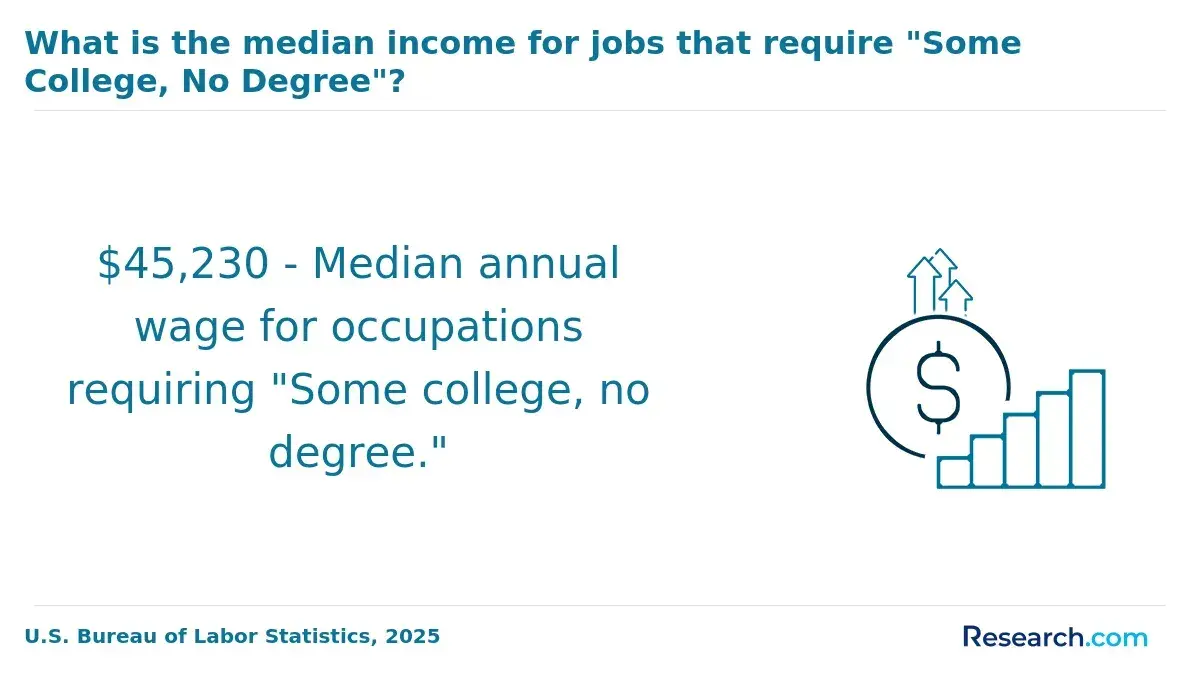
How do online political science programs compare with on-campus options for public-law pathways?
Online political science programs offer curriculum parity with many traditional on-campus options, but the difference lies in networking opportunities, experiential learning, and employer perceptions, especially within public-law careers. While the American Political Science Association notes a consistent percentage of political science graduates taking the LSAT and entering law school, employers in law firms and government agencies often prioritize candidates with hands-on legal experience such as internships or moot court, which are more accessible through on-campus partnerships and proximity.
Working professionals pursuing public-law roles must consider the tradeoff between the flexibility of online study and the immersive, face-to-face engagement found on campus. Online students frequently face challenges securing relevant local internships without university support, limiting essential practical exposure. Employers in competitive legal sectors favor applicants who have direct mentorship from faculty involved in law and policy research, typically more available in traditional settings.
For career pivots, online political science programs provide schedule adaptability but require proactive pursuit of external legal clinics or bar association involvement to offset fewer practicum experiences. Data from the National Center for Education Statistics reveals lower participation rates in applied legal internships among online graduates, which can affect job placement in specialized legal fields.
Key considerations include:
- Access to legal internships and externships often depends on campus location and institutional partnerships.
- Direct faculty mentorship remains a critical factor in employer evaluations.
- Online programs demand stronger student initiative to secure experiential opportunities outside university frameworks.
What are typical admission requirements for online political science programs focused on public law?
Meeting baseline academic standards is a decisive factor for admission into online political science programs concentrated on public law, where a high school diploma or GED is mandatory. Candidates often face institutional minimum GPA expectations between 2.5 and 3.0, with sustained performance for those submitting prior college transcripts. These thresholds filter applicants who must demonstrate readiness for analytical, policy-driven coursework demanded by employers in government and legal sectors.
While standardized test submissions like SAT or ACT scores are frequently optional, competitive programs tied to public research universities may still require them. A personal statement outlining career goals related to governance, judiciary, or civil rights advocacy remains integral, enabling admissions committees to assess candidate alignment with program focus areas. Letters of recommendation, particularly from legal or policy professionals, add weight for those with relevant experience but are less commonly solicited.
Applicants with professional exposure in public policy or law enforcement can leverage conditional credits or accelerated paths, streamlining degree completion and responding to workforce upskilling demands. Onlinedegree.com identifies over 50 online political science degree options, illustrating growing program availability but also increased pressure on schools to maintain academic rigor while expanding access.
International candidates must verify English proficiency through TOEFL or IELTS and credential equivalency. Asynchronous delivery demands exceptional self-management and reliable tech access, often evaluated through supplemental assessments. This ensures readiness for navigating complex legal research tools and virtual simulations critical to skill development in this field.
How long do online political science degrees take, and what do they cost for public-law students?
Online political science degrees designed for public-law students present a complex balance between time investment and career utility. Full-time paths typically span 3 to 4 years, with accelerated formats compressing this to about 2.5 years, but part-time options can extend beyond four years, raising total costs and potentially delaying workforce entry. This timeframe hinges on credit requirements, generally between 120 and 130 semester hours, with specializations in law, governance, or criminal justice adding curricular depth and employer relevance.
Costs vary notably based on institution type and residency, often ranging from $12,000 to $30,000 annually at public state universities offering fully online programs. Graduate or specialized tracks, especially in public administration or policy, may exceed $40,000 in total expenses. Additional fees for technology and materials frequently add hundreds per term, directly impacting budgeting decisions.
Programs bundling public administration, public policy, and criminal justice align with market calls for interdisciplinary skills that blend legal frameworks with policy execution-essential for roles in government, regulatory bodies, or legal consultancy. Candidates should weigh whether asynchronous delivery supports their current employment or if accelerated pacing suits their capacity, as these choices materially affect debt levels and opportunity costs.
- Evaluate total credit hours against career goals to avoid overextension.
- Consider fee structures beyond tuition, including recurring technology costs.
- Assess specialization relevance in relation to targeted public-law roles.
What public-law-related careers, salaries, and job outlook can political science graduates expect?
Political science graduates targeting public law roles face a distinct set of workforce dynamics that inform educational and career decisions. Positions such as legislative analyst, policy advisor, and compliance officer typically require a firm grasp of legal frameworks and regulatory environments, with median salaries ranging from $60,000 to $95,000 at entry and mid-levels. Those advancing to senior federal roles or specialized consultancies can surpass $110,000 annually.
Employers generally expect a bachelor's degree minimum; however, a master's degree increasingly differentiates candidates for elevated responsibilities. Online political science master's programs, often completed in two years with 30-40 credits, offer a more focused pathway to developing skills directly applicable to public law. These credentials improve the ability to navigate statutes, executive regulations, and compliance challenges, which are integral to policy roles.
The tradeoff involves balancing ongoing full-time work with demanding studies, but achieving a master's can lead to 15-30% salary boosts within five years by enabling entry into higher-tier governmental or regulatory positions. For example, a policy advisor with a bachelor's degree might be confined to local jurisdictions, whereas a master's degree holder typically accesses federal agencies requiring detailed legal expertise.
To move beyond theory, candidates must secure internships or practical experience in legal or policy settings, as academic knowledge alone rarely meets employer expectations for public law implementation.
How can students choose the best-fit online political science program for their public-law plans?
Candidates targeting public-law careers must prioritize programs with curricula that deliver applied skills in public policy analysis, legal frameworks, and administrative processes relevant to government, military, or nonprofit roles. Generic political theory offerings often fall short in preparing graduates for specialized functions demanded by these sectors. For example, mid-career military officers seeking advancement in public administration require flexible, asynchronous study formats that emphasize practical policy application over abstraction.
Accreditation matters significantly, as many public-law employers favor regionally accredited institutions that demonstrate workforce relevance. Programs incorporating internships, practicum experiences, or formal partnerships with government agencies offer tangible networking advantages and on-the-job exposure essential in highly competitive public-sector hiring contexts.
Prospective students should weigh these elements:
- Curriculum specificity addressing critical public-law competencies rather than generalized political concepts
- Credentials recognized by targeted employers and aligned with hiring standards
- Accessibility of experiential learning that translates academic knowledge into practice
- Transparent alumni outcomes data that confirm program effectiveness in securing relevant employment
Decision-making detached from these practical considerations risks investing in a degree without clear ROI in public-law careers. Analyzing program offerings through this lens provides a more grounded basis for evaluating whether a political science master's will serve as a strategic lever within government, military, or nonprofit pipelines.
Other Things You Should Know About Political Science
Choosing between synchronous and asynchronous learning affects how you manage your time and engage with faculty and peers. Synchronous programs offer real-time interaction, which can simulate live discussions often critical to understanding complex public law topics and debating policy nuances. However, asynchronous programs provide more flexibility, important for working professionals, but they may reduce immediate access to instructor feedback and networking opportunities. Prioritize synchronous options if your career goals require strong collaborative skills and timely access to expert guidance; otherwise, asynchronous can suit those needing schedule adaptability without sacrificing curriculum quality.
An online political science degree provides foundational knowledge but rarely suffices alone for most public law positions beyond entry level. Employers often expect candidates to combine their degree with specialized law degrees, certifications, or relevant legal internships. For strategic career moves in public law, pursuing a Juris Doctor, a paralegal certificate, or additional public administration qualifications alongside the political science degree enhances credibility and job market competitiveness. Entering the field without these supplemental credentials can severely limit advancement opportunities.
A broader political science program offers versatility across various sectors but may dilute the depth of legal knowledge and practical skills needed for public-law careers. Conversely, a narrowly focused public law concentration strengthens specialized understanding and employer relevance but narrows career flexibility if you later decide to shift fields. Consider your long-term career path: choose a focused concentration to maximize early career entry and advancement in public law, or select a general program if you prefer adaptable options and interdisciplinary roles beyond strict legal contexts.
References
- Discover the Earning Potential for Careers in Political Science, Law, and Government https://precollegeprograms.org/law-resources/discover-the-earning-potential-for-careers-in-political
- Are Online Degrees Accredited? How to Identify Quality Distance Learning Programs https://www.umassglobal.edu/blog-news/online-degrees-accredited-identify-quality-distance-learning-programs
- Online Political Science Degrees: Find Your School https://www.degreesforgood.org/online-degrees/political-science-degrees/
- Best Research Programs for Students Interested in Political Science https://riseglobaleducation.com/blogs/best-research-programs-for-students-interested-in-political-science
- Does Every Political Science Student Go Down the “Pre-Law” Drain? - OUSA https://www.ousa.ca/political_student_pre_law
- Online Political Science Degree | Programs & Career Options https://www.learnhowtobecome.org/best-online-bachelors-in-political-science-degree-programs/
- Political Science - Bachelor's Degree - The Institute of Political Science https://politologia.uwr.edu.pl/en/candidates/bachelor-degree-political-science/