2027 Best Online Bachelor's in Political Science for Community and Public-Service Careers

Co-Founder and Chief Data Scientist
Professionals aiming to transition into community and public-service careers face a complex hurdle: balancing the urgent need for relevant credentials with work and personal commitments. The National Center for Education Statistics reports that nearly 46% of undergraduates in online programs are working adults, underscoring a shift toward flexible education tailored to nontraditional students.
This trend signals the growing demand for political science degrees that accommodate irregular schedules and accelerate pathways to employment. Navigating program quality, credit transferability, and employer recognition adds layers to the decision-making process. This article evaluates the best online bachelor's in political science options designed specifically to support timely, accessible career advancement in public service and community-focused roles.
Key Things You Should Know
- Online bachelor's in political science programs average 120 credit hours with 30-40% dedicated to electives or general education, limiting focused public-service specialization; this tradeoff reduces direct vocational training needed for competitive government roles, per the National Center for Education Statistics 2024.
- Federal and local agencies report 18% growth in demand for political science graduates with data analysis and policy evaluation skills by 2028 from the Bureau of Labor Statistics, pushing candidates to prioritize analytical coursework beyond traditional theory-heavy curricula.
- Median total program cost varies from $15,000 to $45,000, with low-income students facing delayed debt repayment averaging 12 years as shown by the Institute for College Access and Success 2024, complicating immediate career pivots into public service sectors.
What is an online bachelor's in political science and how does it prepare you for community and public-service careers?
An online bachelor's degree in political science for public service offers practical skills in data analysis, policy design, and critical thinking that directly affect community-focused roles. For instance, a professional seeking to enhance urban policy administration can utilize research techniques learned online to evaluate neighborhood needs, draft informed proposals, and advocate for necessary resources within local government.
The flexibility of a bachelor's in political science online for community careers accommodates working adults who must juggle employment or family responsibilities while pursuing credentials. Core courses typically include statistics for social research, public administration, and ethics-essential for accurately assessing program effectiveness or navigating bureaucratic systems.
Employers often prioritize candidates who can clearly interpret complex political data and communicate actionable recommendations, skills vital for sectors like nonprofit leadership or legislative support.
Political scientists with bachelor's degrees earned a median annual wage of $135,610 in 2023, according to the U.S. Bureau of Labor Statistics, with job growth projected at 7% through 2032-outpacing the average for all occupations. However, many roles demand either advanced degrees or specialized expertise, making the online bachelor's degree more a foundational step than a terminal qualification.
Prospective students should focus on programs with accreditation and practical training opportunities such as internships or virtual simulations to build real-world capabilities.
Supplementing academic studies with skills in data software and public speaking is also advisable to remain competitive. For those weighing career options, exploring jobs with elementary education and environmental science degree may provide useful comparative insights.
How do online political science bachelor's programs compare to on-campus options for public-service careers?
Choosing between online political science bachelor's versus on-campus programs for public service hinges largely on access to experiential learning critical for employment in community and social service sectors.
Employers prioritize applied skills obtained through internships, mentorship, and networking-advantages typically rooted in on-campus settings. On-campus students benefit from structured opportunities like capstone projects and community partnerships, which facilitate skill demonstration in government or nonprofit roles without requiring extensive self-navigation.
Online political science degrees offer flexibility that suits working professionals seeking career pivots but demand proactive pursuit of local volunteering and relationship-building to compensate for the absence of embedded institutional connections.
For example, a nonprofit program manager with an online degree can succeed by strategically engaging in local service and networking, though a recent graduate aiming for a policy analyst role may find on-campus programs provide a clearer path to career-entry resources and peer collaboration critical for public service careers.
The projected 7% growth in community and social service jobs through 2032, with a median wage near $53,720, underscores the imperative to verify that online programs include robust experiential components-elements rarely covered by purely asynchronous curricula. Prospective students should evaluate programs' capacity to integrate supervised fieldwork and active collaboration.
For those comparing options, reviewing fields like an online exercise science degree can offer insights into structuring experiential online education effectively for community careers.
The advantages of online political science degrees for community careers depend substantially on aligning delivery mode with practical skill development and networking demands specific to public-service employment.
Which accreditation and institutional quality standards matter most for online political science degrees?
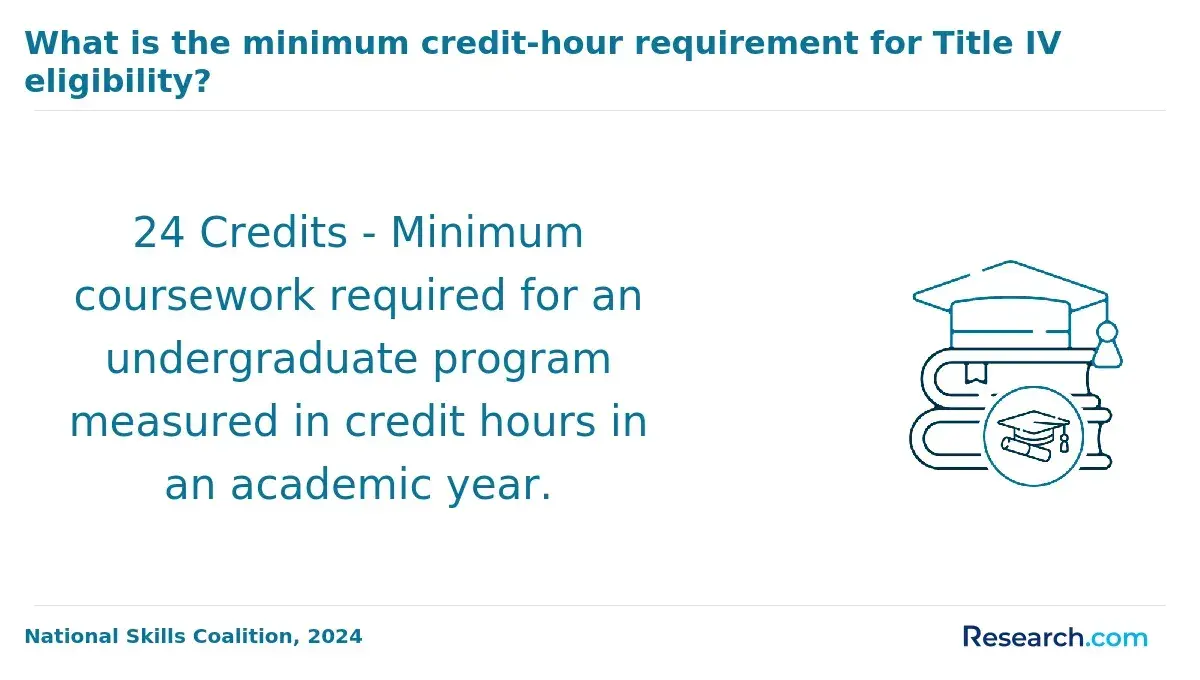
Regional accreditation for online political science programs is essential because it secures credit transferability, eligibility for federal financial aid, and recognition by public administration employers. Accrediting bodies such as the Higher Learning Commission or the Middle States Commission on Higher Education enforce quality standards that ensure programs deliver substantive academic and administrative rigor.
While national or programmatic accreditation specific to political science may add niche value, it is less common and generally secondary to regional accreditation.
Employers in social services and governmental roles assess graduates based on demonstrated competencies in policy analysis, governance, and ethics. Programs lacking experiential learning opportunities-such as internships, case studies, or applied research projects-often produce candidates facing extended job searches and comparatively lower starting salaries. For instance, graduates from less applied curriculums typically encounter longer hiring timelines in agencies or nonprofits.
Salary trends further illustrate this gap: political science graduates working in public administration earn a median mid-career salary of $81,000, surpassing the $72,000 median across all fields, emphasizing the advantage of quality institutional preparation.
Support services like career counseling and employer networking embedded within accredited programs also materially impact employment outcomes. Candidates without this infrastructure frequently struggle navigating federal employment systems or social service agencies, which affects longer-term career trajectories.
Students evaluating pathways in political science should weigh these factors alongside broader findings accessible via resources such as the best online data science masters, which provide comparative insights into online graduate program affordability and practical value.
What admission requirements and application materials are typical for online political science bachelor's programs?
Applicants to online political science bachelor's programs typically face minimum GPA thresholds between 2.5 and 3.0, with many institutions now adopting test-optional policies that highlight an ability to engage complex political theory over raw standardized scores.
Essential application materials for online political science degrees include a completed application, official transcripts, and a personal statement detailing specific career or academic goals. Letters of recommendation enhance applications but are often discretionary, while transfer students must verify credit acceptance rigorously. Working professionals benefit from submitting resumes to emphasize relevant experience.
Admissions committees favor candidates with prior coursework in history, government, or statistics, aligning with the rigor needed to handle political analysis and quantitative methods. Cost is a critical factor: public online programs average $10,030 annually, compared with $37,250 at private schools, a disparity that significantly affects financial aid options and long-term debt-variables that influence hiring potential especially in gradual-growth public-sector careers.
Reliable technology and internet access are non-negotiable for remote learning success, impacting both degree completion and networking capacity within political and public service sectors.
Decisions about this pathway must consider practical tradeoffs between affordability, curricular demands, and career applicability. For those aiming at specialized roles such as an FBI profiler, demonstrating analytical capability and relevant background through application materials is imperative to navigating this competitive field.
How long does it take to complete an online political science bachelor's and what does it cost?
Pursuing an online bachelor's in political science demands a careful balance between time, cost, and career objectives. Four years is typical for full-time study, but accelerated paths compress this to two or three years, advantageous for professionals seeking minimal disruption and quicker access to advancement. Conversely, part-time study may extend up to six years, reflecting complex work and family commitments that impact completion pace.
Financial investment varies notably: public institutions generally charge between $7,000 and $15,000 annually for in-state students, while private universities can cost $20,000 to $40,000 per year. Total costs run from about $28,000 to $120,000 depending on program length and institution type.
Use of employer tuition reimbursement, military benefits, or financial aid can reduce net expenses but requires scrutiny of credit transfer policies and course availability to avoid unintended delays.
About 22% of political science graduates enter government roles, with 16% joining nonprofit sectors within ten years-figures that emphasize the field's public service orientation. For example, a local government mid-career employee might prioritize an accelerated online degree leveraging tuition assistance to enhance promotion opportunities with minimal time lost.
Speed and rigor must be weighed carefully: accelerated programs may compromise depth if not from accredited institutions with strong reputations, affecting long-term employability. Prospective students should evaluate online offerings in terms of institutional credibility, practical curriculum, and alignment with their specific workforce goals.
What core courses and concentrations are best for community leadership and public-service roles?
Core courses in American government, public policy analysis, and organizational leadership are fundamental for roles requiring navigation of complex government frameworks and community initiatives. Employers prioritize graduates skilled in policy evaluation, budgeting, and stakeholder engagement-competencies commonly developed through coursework in policy research methods, public sector ethics, and grant writing.
Practical training in community organizing and advocacy is essential for managing programs and mobilizing diverse populations. For example, a nonprofit director must analyze policy effects while securing funding, blending political understanding with administrative expertise. Online programs can mitigate limited in-person experiences by offering virtual internships or capstone projects that provide meaningful, applied learning.
Employment rates for online bachelor's graduates in social sciences are only marginally lower-about 1-2 percentage points-than their on-campus counterparts within a year after graduation, with this gap narrowing significantly since 2018 (National Center for Education Statistics).
This data suggests that well-designed online curricula focusing on these competences do not substantially hinder workforce integration. However, students should critically evaluate whether a program's online format allows sufficient community engagement necessary for leadership roles.
Those aiming for political campaigning or government liaison positions should include courses in electoral politics, communication strategy, and negotiation to develop skills in messaging, coalition building, and policy advocacy-areas often underrepresented in broader political theory tracks but crucial for effective public service leadership.
What careers in government, nonprofits, and community organizations can you pursue with this degree?
Graduates with an online bachelor's in political science face increasing expectations to combine policy expertise with strong data analysis skills. For roles such as policy analysts, legislative assistants, and nonprofit program managers, proficiency in quantitative tools is no longer optional.
Between 2019 and 2024, job postings requiring data analysis competencies jumped nearly 50%, with demand for knowledge in Excel, R, or statistical software increasing from 32% to 47%, based on Lightcast labor market analytics, 2024.
This shift forces candidates to develop practical skills in quantitative research, GIS mapping, and stakeholder analysis to remain competitive. Nonprofit coordinators must demonstrate data literacy to assess program outcomes and support evidence-based funding proposals, while civic engagement roles increasingly rely on data-driven strategies to optimize outreach efforts.
Students must realistically weigh the tradeoff between an emphasis on theory and the growing need for applied analytics. Gaining hands-on experience with statistical tools becomes essential as conceptual knowledge alone often falls short of hiring standards.
For professionals pivoting into political science, this integration of politics and analytics represents a steep learning curve but also a strategic advantage in a tight, evolving job market.
What salary ranges and advancement opportunities can political science graduates expect in public-service fields?
Political science graduates targeting community and public-service roles should recognize distinct pay and advancement contours shaped by sector and location. Entry salaries typically range from $45,000 to $60,000 annually; for example, community program coordinators in mid-sized city governments often start near $48,000, while policy analysts in state agencies earn closer to $55,000.
Progression to managerial or specialist roles offering $90,000 to $120,000 depends heavily on experience, relevant certifications, and measurable impact.
Diversity shifts significantly influence workforce dynamics: the representation of people of color in community and social service roles increased from 37% in 2013 to 47% in 2023. This changing demographic enhances the value of cultural competency and community engagement alongside core political science skills, affecting hiring and promotion decisions.
Graduates must carefully balance tradeoffs between job sectors:
- Nonprofit and local government roles generally provide stronger community impact but lower salary ceilings.
- Federal positions offer more structured pay scales, such as GS-12 to GS-14 levels ranging from approximately $85,000 to $120,000, but may require navigating bureaucratic advancement pathways.
Developing skills in data analysis and public policy evaluation combined with targeted networking in diverse communities can accelerate career trajectories. Understanding how racial and ethnic diversity informs employer priorities is crucial for aligning with organizations that emphasize inclusive public service delivery.
How can internships, service-learning, and networking in an online program build public-service experience?
Practical experience significantly differentiates political science graduates in competitive public-service job markets. Internships provide a direct view into government or nonprofit operations, converting abstract course concepts into tangible skills like policy analysis and legislative research.
For example, a student interning for a city council gains distinct advantages when applying for local government roles due to firsthand knowledge of municipal processes.
In contrast, service-learning offers applied engagement through community projects, sharpening problem-solving capabilities and demonstrating sustained commitment to social issues-qualities that differentiate candidates in social welfare or urban planning professions. This blend of academic and community work signals employer-valued practical competence beyond traditional coursework.
Networking remains a pivotal, though often underestimated, asset in online political science programs. Virtual participation in alumni forums, guest lectures, and professional groups connects students with mentors and referral networks vital for navigating public-sector hiring challenges, particularly for working adults seeking career shifts.
Workforce data underline the value of integrating these experiential methods: nearly 44% of political science bachelor's holders pursue advanced degrees, and those with graduate credentials tend to increase their earnings by approximately 61%, according to findings from the Georgetown University Center on Education and the Workforce.
Balancing internships, service-learning, and networking equips students not only for immediate employment resilience but also for strategic advancement within public-service careers.
How should you evaluate and choose the best online political science program for your goals?
Programs aligned with public-service employment must embed competencies in policy analysis, administration, and data-driven decision-making to meet evolving workforce demands. Remote and hybrid work in public policy and administration expanded by over 180% since 2019, now constituting nearly one-third of job postings.
Choosing programs that integrate hybrid or fully remote internships ensures readiness for decentralized, technology-driven environments.
Key faculty expertise and active ties to government or think tanks critically shape access to current policy discourse and networking channels. Accreditation and recognition by relevant professional associations function as essential indicators of program quality and employer validation.
Prospective students should verify the availability of digital tool training, including Geographic Information Systems (GIS), data visualization, and statistical software, as these skills increasingly enable effective public service.
For working professionals, balancing flexible scheduling, asynchronous course options, and robust career support services tailored to political science graduates is vital. Graduate placement rates in government or nonprofit sectors offer measurable success metrics, which must outweigh purely financial considerations.
Institutional reports or independent labor market analytics like Lightcast provide valuable data on starting salaries tied to specific career objectives.
Decisions informed by delivery format, employer reputation, networking potential, and alignment with hybrid work trends directly influence long-term career outcomes in public service fields.
Other Things You Should Know About Political Science
A bachelor's in political science can offer foundational knowledge and analytical skills valuable in public-service roles, but limited work experience often means entry-level positions with modest pay and responsibility. For candidates without relevant internships or volunteer experience, employers may prioritize demonstrated community engagement or policy-related projects over the degree alone. Those starting fresh should seek programs that integrate mandatory internships or service-learning to improve employability and practical readiness.
In 2027, online political science programs are designed with flexibility for working professionals. Courses are often asynchronous, allowing for self-paced learning, and institutions provide tools to manage workload efficiently. However, balancing job responsibilities and academic commitments requires strong time management skills.
Students targeting community leadership should prioritize programs offering applied research, policy analysis, and project-based courses connected to real-world issues. Theoretical coursework provides essential frameworks but may not directly translate to practical skills demanded by employers in public-service contexts. Programs with partnerships in local governments or nonprofits offer stronger pathways to experiential learning, which enhances leadership readiness and local networks.
A general political science degree offers broad conceptual knowledge but may lack depth in administrative or policy implementation skills critical for many public-service positions. Those aiming for roles in government program management or policy advising benefit from specialized concentrations that include management training and regulatory processes. Prioritizing a concentration aligned with career goals improves marketability and can reduce the need for additional certifications or graduate training.
References
- Top 10 nonprofit jobs and who’s hiring https://joinhandshake.com/blog/students/nonprofit-jobs/
- Online Political Science Degree | Programs & Career Options https://www.learnhowtobecome.org/best-online-bachelors-in-political-science-degree-programs/
- Quality Standards and Accreditation of Distance Education Programs in a Pandemic - OJDLA https://ojdla.com/articles/quality-standards-and-accreditation-of-distance-education-programs-in-a-pandemic
- Standards for Accreditation and Requirements of Affiliation | Fourteenth Edition - Middle States Commission on Higher Education https://www.msche.org/standards/fourteenth-edition/
- Social Leaders or Political Followers? : Institutional Accreditation and the Rise of State Regulations https://ojed.org/hepe/article/view/5829
- What opportunities are there after studying political science? https://www.esce.fr/en/faq-all-the-answers-to-your-questions/what-opportunities-are-there-after-studying-political-science/
- | Knowledge Lust https://knowledgelust.com/how-to-self-learn-political-science-a-7-step-roadmap/
- Service-learning as a bridge between education and society - UCSIA https://www.ucsia.org/en/nieuws/service-learning-as-a-bridge-between-education-and-society/
- Service-Learning - Center for Engaged Learning https://www.centerforengagedlearning.org/resources/service-learning/
- Nonprofit Career Guide: Jobs, Skills & Career Paths https://momentivesoftware.com/blog/nonprofit-career-guide/