
2026 Online Library and Information Science Degrees With Veteran-Friendly Funding Support

Co-Founder and Chief Data Scientist
Experienced professionals in library & information science often confront the obstacle of balancing career progression with rigid program schedules and financial limitations, especially veterans transitioning to civilian roles. Nationwide, 63% of adult learners in higher education opt for online programs, according to the National Center for Education Statistics, signaling a shift toward flexible, accessible education. However, not all programs accommodate veterans' unique funding scenarios, creating gaps in affordability and enrollment timing. This discrepancy can delay entry to critical roles in archives, digital curation, or information management. This article assesses fully online library & information science degree options with veteran-friendly financial support to equip readers with actionable guidance for navigating these complex enrollment and funding challenges.
Key Things You Should Know
- Veteran funding options reduce average financial burdens by 35% for LIS degrees, but increased dependency on GI Bill benefits correlates with longer program durations, delaying workforce reentry, according to Veterans Affairs data from 2024.
- Employers emphasize digital curation and data governance proficiencies over traditional cataloging; BLS 2024 employment forecasts show a 9% growth in roles demanding these advanced LIS skills, influencing program choice.
- Programs prioritizing asynchronous learning incur 20% lower completion rates than hybrid models, impacting veterans balancing family obligations and service transitions, as indicated by 2024 National Student Clearinghouse data.
What are online library and information science degrees and how do they work?
Online library and information science degree programs for veterans often represent a strategic balance between flexibility and practical workforce demands. These programs deliver foundational theory mixed with applied digital resource management skills, accessible through asynchronous courses, virtual seminars, and remote practicums. Veterans benefit significantly from the Post-9/11 GI Bill, which covers up to $28,937 per academic year in private tuition plus a monthly housing allowance of about $1,054, removing major financial barriers for many pursuing advanced roles like digital archivist or information architect.
Employers prioritizing candidates with hands-on experience favor programs integrating internships or capstone projects aligned with specific sectors such as corporate archives or government agencies. A veteran transitioning from military service must scrutinize program accreditation and practicum arrangements to ensure they align with targeted career goals.
Technical barriers like stable internet, familiarity with digital tools, and disciplined time management present ongoing challenges. Institutions offering mentoring and tech support can mitigate these issues, which are critical since fully online formats require self-motivation and proactive faculty engagement to build practical competencies.
For those seeking to evaluate educational pathways, programs such as the MLIS offer accessible, affordable options tailored to the dynamics of military students balancing multiple responsibilities.
How do online library and information science programs compare to campus-based options?
Choosing between online library and information science degree programs versus campus-based ones often hinges on the balance between flexibility and experiential learning. Veterans, in particular, must consider that while online programs offer veteran-friendly funding options for online library and information science degrees and eliminate geographic and scheduling barriers, they require proactive efforts to secure relevant remote internships and certifications valued by employers.
Campus programs provide direct access to on-site practicums and local networking, which can be critical for roles in public or academic libraries where community ties and face-to-face relationships improve job placement. Conversely, veterans targeting specialized sectors like information systems management or database administration-fields with median 2025 salaries of $192,160 and $110,090, respectively-may find online programs that emphasize technical credentials and remote practicums more aligned with employer demands.
Employers prioritize verifiable skill sets and practical experience regardless of modality, but campus attendance often requires physical presence that can impede degree completion for veterans balancing full-time work or frequent relocations. Given the steady 2% employment growth projected for librarians and media specialists, selecting a program involves weighing the logistical tradeoffs between immersive campus networks and accelerated, flexible pathways enabled by online study. Veterans considering a pivot to digital archives in large institutions might favor campus resources, while those aiming for remote information management roles should examine accredited online options with strong internship support.
For broader context on accelerated educational opportunities relevant to technical roles that intersect with LIS fields, consider reviewing accelerated computer science degree programs which share comparable pathways and market demands.
How can veterans access funding and GI Bill support for online LIS degrees?
Veterans evaluating online library and information science programs must carefully weigh the substantial disparity in housing allowances between fully online study and hybrid or in-person options. Under the Post-9/11 GI Bill, fully online learners receive a flat monthly housing allowance near $1,054, while students attending hybrid or on-campus classes can qualify for local Basic Allowance for Housing (BAH) rates, which range from $2,300 to over $3,500 in high-cost regions. This difference can heavily influence financial planning, especially for veterans living in expensive metropolitan areas.
For example, a veteran in a major city who opts for a fully online program might face a significantly tighter budget than one choosing a hybrid track, which often supports higher living stipends by hundreds of dollars monthly. Beyond the GI Bill eligibility and support for online library and information science programs, veterans should explore supplementary options like the Veterans Educational Assistance Program (VEAP) and the Yellow Ribbon Program, which require coordination with school veteran services and VA-approved programs to maximize benefits.
Employers in information management frequently value the practical experience hybrid programs offer, which may translate into better job prospects compared to fully online degrees. Balancing financial realities with long-term employability suggests hybrid models often provide a stronger foundation. Veterans seeking the most cost-effective route might also consider the health information management online degree, which can offer affordable, practical training aligned with workforce needs.
In sum, veteran funding options for online library and information science degrees require nuanced evaluation of housing allowances, program formats, and institutional approvals to align educational investment with career goals.
What accreditation should library and information science programs have to be recognized?
Employers and licensing bodies typically mandate American Library Association (ALA) accreditation for library and information science programs, making it the critical standard for recognized accrediting bodies for library and information science degrees. Graduates without this accreditation often face restricted access to positions in public, academic, and specialized libraries. For instance, a veteran aiming for a federal digital archivist role may encounter limited job prospects if their degree lacks ALA accreditation, which is increasingly aligned with industry demands such as digital literacy and information policy.
Veterans relying on GI Bill benefits must confirm ALA accreditation before enrolling since the Post-9/11 GI Bill funds up to 36 months of education, including bachelor's degrees and some graduate courses. Choosing a non-accredited program might reduce upfront tuition but can prolong career development due to additional certification hurdles. Prospective students should evaluate accreditation and curriculum rigor carefully, balancing cost against employability and practical skill development.
- Verify ALA accreditation via official registries ahead of enrollment to avoid later eligibility issues.
- Assess how well the curriculum adapts to current employer needs, since ALA-accredited programs regularly update their standards.
- Consider whether programs offer internships or practicums that mirror real-world library workflows and advanced electronic information management.
To explore alternatives considering cost alongside career outcomes, one may examine options such as the cheapest online forensic science degree programs, which illustrates how low-cost programs in other specialized fields balance affordability and credential value.
What are the typical admission requirements for online library and information science degrees?
Admission into online library and information science programs often hinges on a baseline academic performance of a 3.0 GPA and a bachelor's degree from an accredited institution, though flexibility exists for mid-career applicants with substantial relevant experience. This tradeoff reflects the field's recognition of practical expertise alongside traditional metrics. Standardized tests like the GRE are seldom mandatory but may still factor into admissions at selective institutions. Candidates must provide a clear statement of purpose targeting career alignment in LIS and professional references that corroborate their aptitude and reliability.
The financial implications for veterans heavily influence their program choice, as comprehensive military benefits, including the GI Bill and institutional discounts, often eliminate tuition burdens at public schools. This can outweigh considerations like program ranking or curricular specifics, making funding an operational priority for this group.
On the workforce side, employers increasingly demand familiarity with digital libraries, IT tools, and community engagement in information services rather than just theoretical knowledge. Applicants lacking direct LIS backgrounds may incur additional time and cost by completing prerequisite courses to bridge skill gaps. Therefore, prospective students must weigh the operational costs of meeting admission requirements against anticipated employability benefits.
How long do online LIS programs take and what do they typically cost?
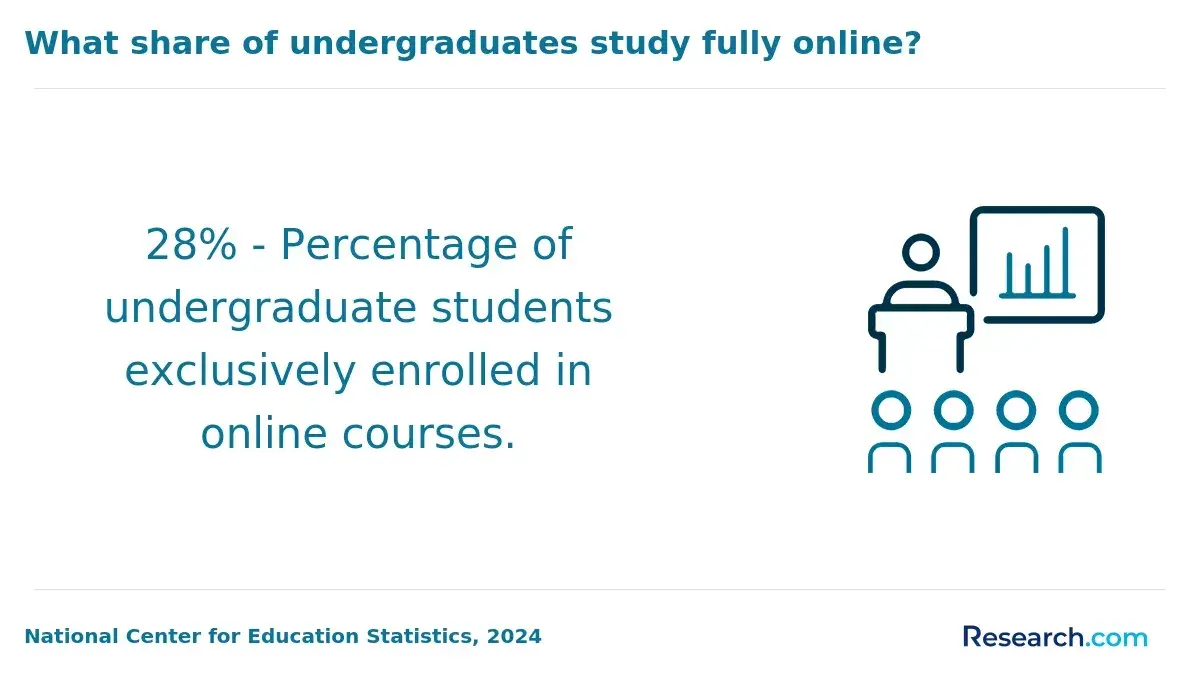
Choosing a library and information science master's program requires weighing time-to-degree against career timeline constraints, especially for veterans balancing work and family. Full-time tracks typically take 1.5 to 2 years, but part-time or flexible formats can extend up to 4 years. Accelerated programs with focused curricula benefit those seeking a swift reentry into roles such as academic librarianship but may limit elective breadth.
Tuition varies widely, from approximately $20,000 to $60,000 excluding fees, with public institutions offering lower in-state rates and private ones charging flat, higher fees. Veterans should assess residency impact on costs since out-of-state public tuition can near private rates. Upfront financial planning is essential due to the contrast between tuition expenditures and eventual salary premiums.
Funding options tailored for veterans, including scholarships through the ALA Scholarship Clearinghouse and federal GI Bill benefits, can substantially offset expenses. These awards range from $1,500 to $8,000 and require early, strategic applications within tight fall 2025 to early 2026 windows.
Additional costs and obligations often include unpaid internships or volunteer work embedded in programs, mandatory for public and school library positions. Employer tuition assistance varies and should not be assumed. Licensing or certification fees-and their regional variability-also influence total investment and timeline considerations.
What core courses and specializations are offered in online LIS degree curricula?
Core curricula in online library & information science degrees emphasize practical mastery of information systems, taxonomy, and compliance essentials tailored to sector needs. Employers-especially in government, healthcare, and corporate environments-expect candidates who can navigate standards like MARC and Dublin Core, and who understand records lifecycle management and legal frameworks. Veterans pivoting to records management roles exemplify this demand, requiring coursework aligned not just with theory but with regulatory and operational realities.
Specializations often include records management, health informatics, metadata curation, and knowledge management, which shape distinct career trajectories. Programs typically integrate information policy and ethical considerations, reflecting regulatory scrutiny around sensitive data handling. Students targeting user experience or digital library technology roles must balance technical and design skills, which are less uniformly covered but critical for employability.
Moreover, practical outcomes data reveal earnings disparities that inform decisions: records managers with this background average $75,165 annually, while metadata specialists earn about $68,390. These figures signify the tangible payoff of carefully selected specialization, but applicants should weigh course scheduling and content depth against employer expectations to avoid credential mismatches.
What library and information science careers can graduates pursue with these degrees?
Employment in library and information science demands a balance between specialized knowledge and contextual adaptability across diverse sectors. Roles extend beyond traditional librarianship to include digital curation in healthcare, archival management in government, and data organization within corporate environments. For instance, digital curation specialists managing patient records must combine LIS proficiency with healthcare-specific regulatory understanding, ensuring both compliance and research utility.
This field requires mastery of metadata standards and emerging technologies such as AI-driven indexing and semantic web frameworks, especially in large repository or business intelligence contexts. Veterans benefit from military-friendly programs that grant 9 to 45 academic credits, accelerating degree completion and reducing costs. This advantage supports faster reintegration into a labor market where LIS roles are growing at an estimated 9% through 2031, per U.S. Bureau of Labor Statistics data.
Employer expectations vary considerably; many prioritize candidates with graduate-level degrees or certifications in areas like data management or archival studies. Tradeoffs include program length and tuition weighed against credit recognition and time-to-employment. Consequently, individuals should assess how well a program's curriculum and credit policies align with targeted career paths to maximize return on investment and meet specific sector demands.
What is the salary potential and job outlook for library and information science professionals?
Holding a master's degree in library and information science (LIS) typically results in a 15-25% salary increase compared with a bachelor's degree, illustrating the market's demand for advanced skills in managing complex digital data environments and archives. For example, a veteran with experience in discipline and information management might move from an entry-level public library role paying $45,000-$60,000 to a specialized position in digital resource management offering $65,000-$85,000 or higher. However, wages and advancement opportunities vary widely by sector and location; urban and tech-focused institutions pay more competitively than many rural settings.
Employers value graduate credentials not only for salary benchmarks but because advanced degrees correspond with the ability to handle evolving institutional needs such as healthcare information systems and digital archiving. Veterans interested in LIS should weigh geographic mobility and sector specialization as critical factors since some educational and public library roles offer limited growth without additional qualifications.
- Higher LIS qualifications directly improve hiring prospects and potential earnings.
- Veterans have access to targeted funding that can alleviate the financial burden of graduate studies.
- Sector growth is concentrated in healthcare and digital archiving, demanding a robust skill set and adaptability.
How can prospective students evaluate and choose a reputable, veteran-friendly LIS program?
Choosing a library & information science program involves assessing not only accredited status but also the availability of veteran-specific supports such as dedicated liaisons and tailored financial aid counseling. These elements directly affect access to GI Bill benefits and state tuition waivers, reducing financial barriers for veteran students. Equally important is curriculum alignment with workforce demands-programs emphasizing emerging digital archival technologies, data management, cultural resource stewardship, and grant writing offer a distinct advantage over generic degrees focused mainly on theory.
Employment outlook data from the U.S. Bureau of Labor Statistics projects a 6% increase in jobs for archivists, curators, and museum workers from 2024 to 2034, suggesting steady demand in cultural heritage sectors. However, veterans should weigh program flexibility in course delivery-part-time and asynchronous options are vital for balancing education with civilian or transition-phase work.
For instance, a veteran pivoting into digital curation will benefit more from a program with hands-on metadata application and grant-writing modules compared to one with solely foundational content. Institutional transparency on graduate employment and veteran placement outcomes, often found in workforce analytics reports, should factor heavily into decision-making. Confirm administrative responsiveness to veteran inquiries to avoid delays during enrollment.
Consulting Department of Veterans Affairs resources and updated education datasets ensures that program claims and funding supports remain accurate and relevant to individual financial and career goals.
Other Things You Should Know About Library & Information Science
Most professional positions in library and information science require at least a master's degree accredited by the American Library Association (ALA). Entry-level roles in public libraries, academic libraries, and specialized information centers almost always expect this credential as a minimum. While some support or paraprofessional roles accept bachelor's degrees, pursuing an advanced degree is essential for career advancement, leadership, and higher salary prospects in the field. Candidates should prioritize programs with solid employer recognition to avoid limited job mobility.
Online LIS programs demand strong time management, especially for veterans juggling active employment or family obligations alongside coursework. Unlike on-campus programs, online formats often require more self-discipline to meet deadlines without in-person reminders, and asynchronous classes can create less immediate faculty feedback. Veterans should select programs with structured schedules and robust support systems to avoid delayed degree completion that can hinder timely career transitions.
Specializations can meaningfully affect job prospects depending on labor market demand and employer preferences. Areas like digital archives, data curation, and information technology generally open broader roles beyond traditional librarianship, often with higher pay. However, focusing on highly niche tracks may limit job options in some regions. Prospective students should prioritize specializations aligned with actual hiring trends and available veteran-friendly internships or practicum opportunities for tangible experience.
Employers expect LIS graduates to demonstrate practical skills alongside theory, especially in technology adoption, information management, and community engagement. Programs emphasizing hands-on practicum or portfolio development provide graduates with measurable competencies valued in hiring decisions. Veterans should weigh programs by their track record of graduate employment support and connections to veteran-welcoming institutions to maximize return on investment and career relevance.
References
- Best Online MLIS Programs | Masters Library Science No GRE, Accredited https://www.mastersinlibraryscience.net/best-online-library-science-mlis-degree-programs/
- 2025 Best Online MLIS Programs that are ALA Accredited https://www.librarysciencedegrees.org/programs/online/best-mlis-ala-accredited
- Explore Librarian Salary, Jobs, and Careers in Library Science https://teach.com/online-ed/education-degrees/online-masters-library-science/librarian-careers/
- 2026 Best Online MLIS Degree Programs in Texas https://www.mastersinlibraryscience.org/schools/texas/
- Types of Library & Information Science Degree Programs https://www.librariancertification.com/types-of-library-information-science-degree-programs/
- Military-friendly Online Master’s Programs for Service Members https://www.onlinemastersdegrees.org/features/military-friendly-programs/
- Services https://elevatevets.org/programs-and-services/
- 2025 Best Military-Friendly Online Colleges https://www.onlineu.com/online-schools/military-friendly
- School Search | Military Friendly https://www.militaryfriendly.com/school-search/
- 2025's Most Affordable Library Science Degrees (MLIS) Online https://librarysciencedegreesonline.org/affordable-library-science-programs/