
2026 Online Library and Information Science Degrees With Scholarships for Career Changers

Co-Founder and Chief Data Scientist
Professionals seeking to transition into library & information science often confront inflexible program schedules and costly tuition barriers that conflict with ongoing work and financial obligations. Despite a 15% surge in online graduate enrollment reported by the National Student Clearinghouse Research Center in 2024, many programs lack specialized scholarships targeting career changers balancing full-time jobs.
This gap limits access to accredited credentials critical for advancing in information management roles where employer expectations emphasize both academic credentialing and real-world adaptability. This article evaluates the most viable online library & information science degree options with scholarships tailored to career changers, equipping readers to select programs that optimize affordability, flexibility, and workforce relevance.
Key Things You Should Know
- Median graduate debt for online library & information science students rose 9% from 2021 to 2024, increasing financial risk amid stagnant median starting salaries around $55K reported by ALA Workforce Reports, challenging cost-benefit calculations for career changers.
- Employers prioritize practical data curation and digital preservation skills over traditional cataloging, with 68% of surveyed institutions in 2024 emphasizing tech integration, pressuring curriculum relevance for online degree programs catering to professionals pivoting fields.
- Scholarship award rates remain below 15% nationally, increasing time-to-degree tradeoffs as working professionals often must defer full-time study; the 2023 NCES data show an average extension of program duration by 20% when scholarships are unavailable.
What is an online library and information science degree and who is it best for?
Choosing an online library and information science degree program for career changers involves weighing practical workforce outcomes against inherent skill gaps. These programs equip professionals with data literacy and digital resource management skills that increasingly define employability across sectors like healthcare, government, and corporate knowledge services.
A healthcare administrator, for instance, might pivot into roles managing electronic health records, addressing a critical industry need for structured digital data stewardship. Employers place growing emphasis on these competencies; 61% of U.S. employers preferred candidates with data literacy skills according to workforce studies.
The best online library and information science degrees for professionals offer curriculum adaptations for digital archiving and metadata analysis, but candidates must consider accreditation, practical internship opportunities, and evolving information governance standards to assess program quality. The online delivery format supports working professionals but demands self-discipline amid the technical learning curve.
This pathway suits individuals targeting specialized LIS roles such as digital librarianship or information governance, yet the transition involves mastering legal and ethical frameworks and remaining responsive to rapidly changing technologies. Prospective students should review available options carefully, focusing on program relevance to sector-specific data management challenges rather than generic credential accumulation. Explore more at online degree for library science.
How do online and on-campus library and information science programs compare?
Online and on-campus library and information science programs present distinct advantages and constraints, particularly for those pivoting careers. The key differences between online and on-campus library and information science degrees often center on flexibility, practical exposure, and networking efficacy. Online programs are tailored for working professionals, offering asynchronous coursework that eliminates commuting, facilitating the balance of job and study. Yet, this flexibility can compromise the development of collaborative relationships valued by employers, especially in roles requiring complex teamwork.
Conversely, on-campus programs demand significant time investment but provide immersive learning through physical archives and specialized labs. This hands-on access is vital for positions focused on managing physical media or onsite library leadership. However, it may delay workforce entry or necessitate career breaks, a significant tradeoff for career changers.
Employers increasingly accept online credentials but place a premium on demonstrated practical skills and internships. Program choice should weigh how easily students secure practicum opportunities to parallel the exposure of on-campus cohorts. Workforce growth projections indicate a 3% rise for librarian and media collection specialists with about 4,200 annual openings, reflecting steady yet competitive hiring.
Library sectors differ: archives or digital centers often prefer candidates with strong technical skills-favoring certain online curricula-whereas community libraries prioritize interpersonal skills honed through face-to-face interaction. For those exploring alternatives, a relevant example outside the field is an online nutritionist degree, which similarly balances flexibility with professional credentialing.
Which accredited schools offer online library and information science degrees in the U.S.?
Successful entry into library and information science professions increasingly depends on navigating program accreditation and practical experience logistics. Accredited online library and information science degree programs in the U.S. typically hold regional accreditation from bodies such as the Higher Learning Commission and ALA accreditation, which remains essential for professional recognition and employment in public libraries or archives.
For career changers balancing work, securing supervised fieldwork presents a frequent bottleneck; institutions like the University of North Texas address this by integrating local internship opportunities concurrent with online coursework, mitigating geographic and scheduling conflicts.
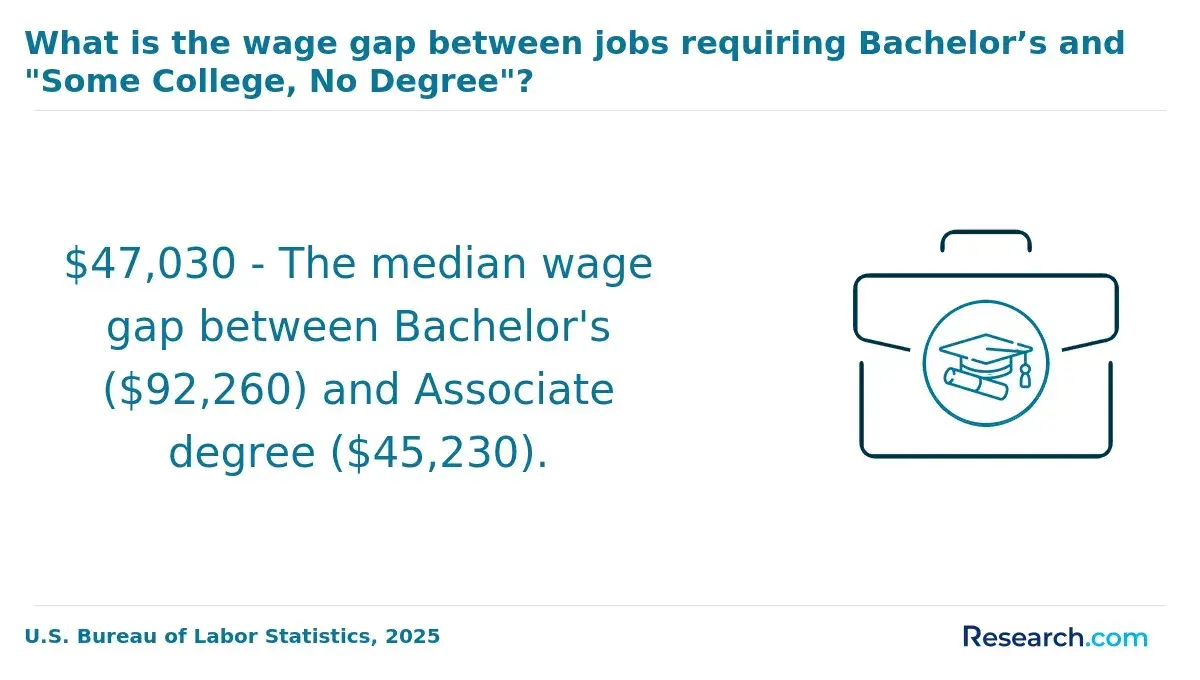
The choice of program directly affects employability outcomes given the $64,370 median annual wage for librarians reported by the U.S. Bureau of Labor Statistics in 2023, with top earners surpassing $98,650 annually. Prospective students should scrutinize graduation and placement data to align their decision with realistic career prospects rather than purely academic reputation.
Top U.S. schools offering online library and information science degrees, including Simmons University and San Jose State University, emphasize curriculum flexibility and practicum rigor, yet tuition variability and financial support availability remain critical variables for working adults. Finally, those evaluating educational pathways should consider comparable online options such as online exercise science programs for alternative workforce re-entry routes or diversified skill sets in related information and health sectors.
What are the typical admission requirements for online library and information science programs?
Admission criteria for online library and information science programs prioritize academic readiness alongside clear career objectives, especially for those seeking to pivot professionally. While a bachelor's degree from an accredited school is standard, the field of study often remains flexible to accommodate diverse backgrounds such as humanities, education, STEM, or business.
This inclusiveness is critical for career changers who must compensate for unrelated undergraduate majors by demonstrating transferable skills through well-crafted statements of purpose outlining how the degree facilitates their career shift. Requirements for admission to library and information science degrees generally include submission of official transcripts with a minimum GPA around 3.0, though some programs may accept lower GPAs coupled with relevant professional experience.
Letters of recommendation from instructors or employers familiar with the applicant's analytical, organizational, or communication abilities are integral, reflecting real-world employer priorities in the LIS sector. Graduate Record Examinations (GRE) are increasingly optional or waived in fully online ALA-accredited programs, reducing barriers for working professionals balancing study with employment. However, technical proficiency and reliable internet access remain non-negotiable prerequisites.
Tuition in 2025 spans $560 to $578 per credit hour, aggregating to approximately $20,000-$30,000 total costs. These expenses, combined with potential prerequisite courses and application timelines, present practical challenges for prospective students. For those comparing educational investments across fields, exploring online colleges for forensic science may offer insight into relative affordability and institutional flexibility.
How long do online library and information science degrees take and what do they cost?
Pursuing library and information science (LIS) degrees requires a calculated approach that weighs time investment, cost, and credentialing impact on employability. For example, a career changer with a bachelor's in another field faces a choice between a 1.5 to 2-year full-time Master's in Library and Information Science (MLIS) or a roughly four-year bachelor's program to enter the field from scratch.
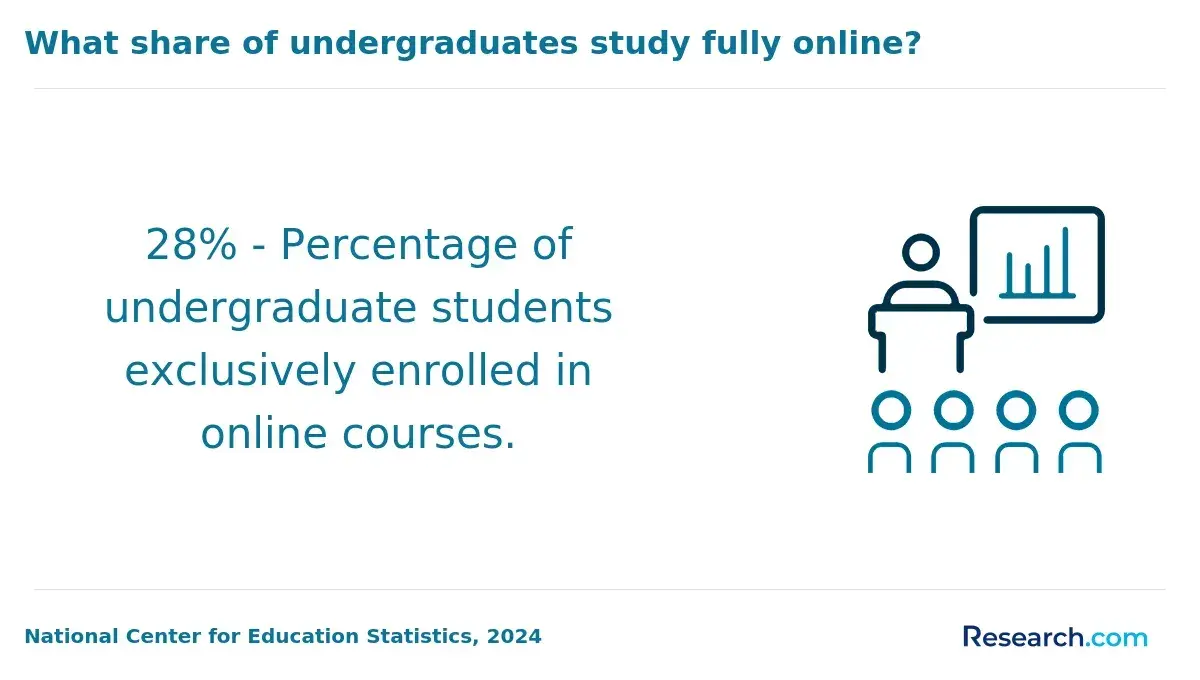
Tuition costs differ markedly by program type and delivery mode. Public universities offering fully online bachelor's degrees tend to charge between $11,000 and $14,000 annually, significantly below the national average for public four-year institutions. In contrast, MLIS programs typically require a total tuition investment ranging from $20,000 to over $40,000, reflecting program selectivity and residency status.
Key tradeoffs include:
- MLIS degrees meet preferred employer accreditation standards and position graduates for advanced roles but demand higher upfront costs and longer uninterrupted study periods.
- Bachelor's degrees lower barriers for initial entry yet extend time to career stability and often lack graduate-level credential weight.
- Part-time online pathways spread out costs and allow income continuity but delay workforce reentry or advancement.
Success depends on balancing practical workload management against market demands. Prospective students should prioritize programs with transparent accreditation and up-to-date tuition data to safeguard return on educational investments.
What core courses and specializations are included in library and information science curricula?
Library & information science programs balance foundational cataloging and metadata expertise with necessary technical fluency, reflecting employer demand for hybrid skills. Students focusing solely on traditional subjects risk underpreparing for roles increasingly shaped by digital systems and data management. For career changers without tech backgrounds, selecting programs with comprehensive technology training is essential to avoid gaps that limit employability.
Specializations such as health informatics and data curation are not merely niche options but strategic differentiators that align with sector-specific workforce needs. For instance, health informatics prepares graduates for precise medical data challenges in hospitals, while data curation skills address the complexities of managing large governmental or corporate datasets.
Emphasizing these tracks can justify the additional study time and cost, especially when considering market demand for such expertise. By 2025, more than 60 ALA-accredited MLIS programs openly accept applicants from diverse undergraduate backgrounds, including non-STEM fields. This inclusivity broadens access but also introduces variation in program rigor and technical emphasis, necessitating careful evaluation tied to one's career goals.
Most programs require internships or practica to contextualize theoretical learning, yet these experiences vary widely in quality and relevance. Prospective students must assess whether practical components offer genuine workplace exposure versus superficial placements. Ultimately, methodical course selection-prioritizing both core LIS knowledge and up-to-date technology training-profoundly impacts one's ability to pivot or advance effectively in evolving library, archival, and information science roles.
What scholarships and financial aid options support career changers in this field?
Financial aid options for career changers pursuing online library and information science degrees reflect the unique demands of balancing part-time study with ongoing employment. Federal programs like FAFSA preserve essential access to Pell Grants and low-interest Direct Loans suitable for nontraditional students. Additionally, state grants and workforce development funds increasingly target adults re-entering education, helping offset localized cost pressures.
Professional associations such as the American Library Association (ALA) and the Special Libraries Association offer scholarships that prioritize applicants demonstrating clear commitment to information science, often factoring in career stage, diversity, and financial need. These non-loan awards can substantially reduce out-of-pocket expenses but require strategic, early application aligned with career narrative.
Employer tuition reimbursement is an important but complex resource. While it can lower direct costs for employees transitioning internally to LIS roles or through program partnerships, it demands navigation of eligibility rules and maintaining satisfactory academic progress, which can affect timeline flexibility.
Practical budgeting must also account for time management, as 68% of LIS graduates in a recent survey credited online formats with enabling better work-life balance-crucial when aid depends on part-time enrollment.
Career changers should investigate institution-specific aid recognizing prior credits or professional experience to reduce semester load and cumulative expense. Combining federal, state, association, employer, and institutional aid optimally requires meticulous research and explicit communication of professional goals throughout the application process.
What library and information science careers can you pursue and what are the main job roles?
Career pathways in library and information science reflect distinct operational demands depending on the role and sector. For instance, public librarians prioritize community literacy and patron interaction, while academic librarians focus heavily on managing complex research databases and supporting faculty needs. In contrast, archivists are tasked with preserving documents under stringent provenance and legal standards, a responsibility that often entails detailed regulatory knowledge.
Mid-career professionals considering a pivot into digital collections or information architecture face tangible tradeoffs, particularly the need for IT proficiency alongside traditional LIS skills. Healthcare and legal employers increasingly seek specialists fluent in metadata standards and compliance frameworks, signaling a lucrative niche but requiring targeted expertise. Data curation roles, often within scientific or large repository environments, demand analytical capabilities uncommon in classic librarianship.
The variability in median wages-from approximately $60,000 in smaller municipalities to over $85,000 in specialized sectors such as corporate information management-calls for strategic consideration of sector and location. The American Library Association's $300,000+ annual scholarship investment for 2024-2025 explicitly targets those undergoing mid-career transitions or belonging to underrepresented groups, reflecting an understanding of the financial barriers inherent in acquiring necessary credentials.
- Technical skill acquisition is frequently essential for roles beyond traditional librarianship.
- Sector-specific knowledge, especially in legal and healthcare contexts, increases employability and salary potential.
- Professional development funding through scholarship programs can mitigate costs but is highly competitive.
What are the salary ranges and job outlook for library and information science professionals?
Library and information science professionals face a wide salary spectrum shaped by position complexity, sector, and geography. Entry-level roles in public libraries or schools often start between $40,000 and $50,000 annually, whereas advanced technical or managerial positions-such as digital archivists or information systems managers in corporate settings-can command six-figure incomes.
Employers increasingly expect candidates to pair accredited MLIS credentials with tangible technology skills and experience in data-driven environments, making hybrid expertise crucial for accessing top-tier salary brackets. The field's job growth rate of roughly 6% through 2032 parallels the national average but is unevenly distributed.
Demand is strongest in areas embracing digital content management, user experience design, and metadata standards, underscoring the need for professionals to develop expertise beyond traditional library functions. For career changers, accelerated online MLIS programs that combine bachelor's and master's degrees in approximately five years offer a practical way to reduce tuition costs and workforce downtime.
This option can be a strategic tradeoff, especially when balancing ongoing employment with upskilling for roles emphasizing digital asset management and information analytics. Without focused skill development in these areas, professionals risk stagnating at lower salary tiers typical of smaller or community institutions. Hiring managers privilege candidates who can integrate foundational library knowledge with measurable tech competencies, which substantially broadens employment and salary opportunities.
How can career changers evaluate and choose a reputable online LIS program?
Choosing an online Library & Information Science program without American Library Association (ALA) accreditation can substantially limit career opportunities, particularly in public and academic libraries where hiring standards are stringent. Programs must integrate evolving digital competencies like data curation, metadata standards, and AI applications alongside foundational content to meet current sector needs.
Consider a mid-career professional transitioning from corporate records management: practical experience with digital archives and virtual practicums is more valuable than purely theoretical coursework. Flexibility in scheduling, through asynchronous classes paired with local internships, allows working students to gain relevant skills without disrupting income streams or family commitments.
Employment outcomes also require scrutiny. Georgetown University's Center on Education and the Workforce shows a sustained 18-20% wage premium for master's graduates in related fields, signaling that program quality directly influences long-term economic return.
Financial aid targeting nontraditional learners can mitigate upfront costs but is unevenly available. Engaging with program advisors to clarify support and outcomes is essential to avoid costly misalignment with labor market demands, which increasingly favor credentials coupled with hands-on expertise.
Other Things You Should Know About Library & Information Science
A master's degree in library and information science is essential for most professional roles in the field, but its value depends on clear career goals. For career changers targeting specialized roles like archival management or digital curation, the degree delivers targeted skills and employer recognition. However, candidates should prioritize programs offering strong practicum or internship options to ensure hands-on experience, which significantly improves employability over theoretical coursework alone.
Many online library and information science programs are designed with working professionals in mind, but the workload varies significantly by program structure. Part-time enrollment and asynchronous courses provide more flexibility but can extend the timeline to degree completion. Prospective students should evaluate programs based on credit requirements per term and the availability of support services to manage the balance between work responsibilities and academic demands effectively.
Accreditation by the American Library Association's (ALA) Committee on Accreditation is critical because many employers require it for professional hiring and advancement. Programs without ALA accreditation may limit career options, especially in public or academic libraries. Career changers should prioritize accredited programs to ensure their credentials meet industry standards and qualify for certified librarian designations in various states.
Choosing between a general LIS degree or a specialization should be based on your target job market and long-term goals. Specializations such as data management, digital libraries, or school librarianship offer niche expertise valued in sectors outside of traditional libraries. For career changers, specializing increases marketability but narrows opportunities; a generalist path offers broader options but may face more competition. Prioritize specialization when you have a clear role in mind and a defined employer sector.
References
- Online Library & Information Science Degree Programs https://www.librariancertification.com/online-library-information-science-degree-programs/
- #post_title #separator_sa #site_title Why choose a library and information science degree for a better career in 2022? https://lis.somaiya.edu/en/blog/why-choose-a-library-and-information-science-degree-for-a-better-career-in-2022/
- Scholarships for Adults Who Want to Change Careers https://www.aarp.org/work/careers/scholarships-for-midlifers/
- How to Choose the Right Program for Your Career Goals | Brighton https://brightoncollege.com/blog/how-to-choose-the-right-program-for-your-career-goals/
- 2025 Best Online MLIS Programs that are ALA Accredited https://www.librarysciencedegrees.org/programs/online/best-mlis-ala-accredited
- 75+ Library Science Degree Programs Online [2025 Updated] https://librarysciencedegreesonline.org/home/
- Scholarships and Grants for Career Changers Over 40: Your Path to a New Profession - Viphr https://www.viphr.biz/2024/12/09/how-to-find-scholarships-and-grants-for-career-changers-and-adult-learners/
- 4 Ways to Find Funding for Your Career Change https://www.idealist.org/en/careers/4-ways-find-funding-career-change
- 5 Ways To Find Funding For Your Career Change | at Any Age - The Quantic Blog https://quantic.edu/blog/2021/11/05/fund-your-career-change/
- The Complete Guide to Choosing the Right Online Courses in 2025 https://www.mylearningonline.com.au/blog/the-complete-guide-to-choosing-the-right-online-courses-for-career-change/