
2026 Online Library and Information Science Degrees With Digital Curation Concentrations

Co-Founder and Chief Data Scientist
Professionals aiming to specialize in digital curation within library & information science face a pivotal challenge: balancing comprehensive skill development with program flexibility that fits complex work and life schedules. The National Center for Education Statistics reports a 35% surge in enrollment in fully online graduate programs since 2023, signaling growing demand for accessible, career-aligned options. This shift indicates that prospective students prioritize programs offering relevant digital competencies without sacrificing current job responsibilities.
Yet, many programs still lack integrated curricula or flexible delivery tailored to digital curation's evolving demands. This article examines online library & information science degrees with digital curation concentrations, focusing on accessibility, curriculum alignment, and career impact to aid informed program selection.
Key Things You Should Know
- Employers in archival and digital asset management sectors report a 27% increase in preference for candidates holding digital curation concentrations, creating a narrowing credential gap but intensifying competition among graduates according to the 2024 American Library Association workforce survey.
- The cost premium for online LIS degrees with digital curation averages 15% higher tuition and lengthens completion by 6 months on average per NCES 2023 data, posing a tradeoff between advanced specialization and affordability/timing for mid-career pivots.
- The projected 14% growth in digital curation roles through 2030 from the Department of Labor demands graduates' proficiency in evolving metadata standards, underscoring that program choice must align tightly with employer-valued technical competencies rather than generalist LIS education.
What is an online library and information science degree with a digital curation concentration?
Choosing an online library and information science degree with a digital curation specialization demands careful consideration of both technical proficiency and practical application. This pathway trains students to manage digital assets across archives, museums, and corporate settings, focusing on metadata standards like Dublin Core and digital preservation strategies for long-term resource usability. Yet, success hinges on mastering specific software tools and gaining hands-on experience, as employers place high value on practical skills over theory.
Employment projections indicate a 10% growth for archivists, curators, and related roles from 2022 to 2032, driven largely by increasing digital records. However, candidates face variability in expectations depending on the sector; for example, university archives require expertise in institutional repository platforms, while media companies prioritize multimedia metadata management. This distinction means students must align their learning with targeted job markets within those online library and information science programs with digital curation focus.
Working professionals pursuing this degree should prepare for a rigorous, mostly self-directed format that limits physical relocation options, balancing coursework with current job responsibilities. Programs offering internships or project-based learning add significant value given employer preferences for demonstrable experience. To understand the best options available, prospective students can consult library science degree online resources that benchmark program quality and industry relevance.
Ultimately, this specialization provides the technical foundation and metadata expertise necessary for roles such as digital archivist or metadata specialist, provided students navigate the balance between theory and applied skills embodied in contemporary digital curation demands.
How do online digital curation programs compare to campus-based LIS degrees?
Choosing between online digital curation programs and campus library and information science degrees involves assessing critical tradeoffs in cost, flexibility, and skill acquisition. While online MLIS programs typically cost between $12,000 and $36,000 with median graduate debt ranging from $19,000 to $22,500, they offer access to education without requiring relocation or career interruptions. However, campus-based degrees often provide superior networking opportunities, in-person mentorship, and direct involvement with archives or digital repositories, which can be decisive for roles demanding hands-on experience.
Employers in digital curation prioritize proficiency in metadata standards, digital preservation, and project management. Online programs must compensate with virtual labs and remote internships, yet some students might face limitations securing local fieldwork, reducing networking scope compared to campus peers. For instance, a student focused on cultural heritage management may benefit from campus connections for arranging fieldwork, while an online student must independently seek remote options.
Another dimension is learner discipline and time management. Online students require strong self-motivation to navigate asynchronous coursework, whereas campus learners gain structure through scheduled classes and peer interaction. Comparing online digital curation programs with campus library and information science degrees reveals that those targeting academic or government archives may favor campus options, while professionals aiming at corporate digital asset management often find online flexibility sufficient without sacrificing essential competencies.
For professionals exploring career trajectories related to LIS degrees, resources detailing what can you do with an environmental science major illustrate the value of aligning educational formats with specific workforce demands.
Which accredited U.S. schools offer online LIS degrees in digital curation?
Employers in digital curation increasingly demand candidates who have hands-on experience with metadata standards, preservation strategies, and digital asset management systems. Institutions like the University of North Carolina at Chapel Hill, Simmons University, and the University of Michigan integrate such skills within their online accredited US library and information science digital curation programs, each with differing emphases on practical applications and virtual internships. Choosing a program without this applied training risks producing graduates who struggle to compete for specialized roles in digital content lifecycle management.
Tuition costs for online MLIS degrees with top digital curation concentrations in US online LIS degrees typically range from about $500 to $1,800 per credit, with programs requiring 36 to 42 credits. This variation heavily impacts working professionals balancing finances and time. For instance, a 36-credit program at $1,200 per credit can exceed $43,000, often necessitating employer support or loans. Prospective students must carefully weigh synchronous versus asynchronous course delivery, as flexible scheduling directly affects the feasibility of remote internships and practicum experiences, which are vital for employer-aligned skill development.
Evaluating program outcomes with practical, market-driven rigor is essential. Students should not only consider curriculum depth but also the relevance of digital curation workflows applicable in large academic libraries or government agencies. Sector-specific competencies matter, particularly in roles centered on data integrity and long-term digital access across university libraries and federal archives.
Decision-makers assessing educational pathways may also benefit from cross-disciplinary insights gained in related fields; examining best GIS graduate programs can offer complementary perspectives on managing complex digital datasets integral to digital curation.
What admission requirements do online digital curation master's programs typically have?
Admissions for a north american online digital curation graduate program prerequisites hinge on more than academic records, emphasizing alignment with workforce demands in digital curation. Most programs require a bachelor's degree with a minimum GPA near 3.0, official transcripts, recommendation letters, and a statement of purpose that communicates clear career objectives. Yet practical experience in library & information science, archives, IT, or information management substantially enhances admission prospects, especially where applied skills and employer readiness are prioritized.
Requirements often include GRE scores, though they are increasingly waived for candidates demonstrating relevant professional or graduate-level experience. Competency in technology and information systems, possibly evidenced by prior courses in metadata standards or digital preservation tools, is typically expected. Internship or practicum components are a significant admission and program completion factor; for example, UNC's online master's requires 150 internship hours alongside 30 credit hours, reinforcing the need for real-world application of skills.
Applicants must realistically assess the logistical and time commitments of remote or local internships, which can affect work-life balance and may require employer negotiation. Failure to fulfill practical training limits employability and can delay graduation outcomes. Those balancing full-time work should verify if flexible scheduling is available to accommodate these demands.
The integration of rigorous academic standards, technical proficiency, and verified experiential learning forms the decisive gateway for students pursuing an online digital curation master's program admission requirements that align with market needs.
Students evaluating this pathway should also consider cost-effective options, including a master of data science online programs as a comparative reference for affordability and curriculum relevance.
What courses and skills are covered in a digital curation concentration curriculum?
Digital curation within library & information science programs trains students to handle complex preservation and metadata challenges that directly impact institutional data longevity and accessibility. Practical skills include managing digital assets through migration, emulation, and replication to mitigate technological obsolescence-requirements vital for archives, museums, and corporate repositories alike.
Mastery of metadata standards such as Dublin Core and PREMIS plays a pivotal role in enhancing discoverability and interoperability across diverse systems, a necessity in government records management and scientific research databases. Proficiency with tools like Archivematica, CONTENTdm, and DSpace is often expected by employers, reflecting the demand for candidates able to navigate both technical and strategic aspects of digital stewardship.
Key workforce considerations focus on compliance with funder regulations and legal frameworks surrounding intellectual property and privacy, issues ubiquitous in academic research libraries and corporate settings. Balancing deep technical training with applied workflow management presents a notable tradeoff for programs, influencing how graduates perform in roles that may require integration of complex metadata with secure preservation processes, such as managing large-scale digital health records.
Kent State University's MLIS digital curation track exemplifies the financial commitment entailed, with tuition ranging from $829 to $839 per credit and total costs near $30,700 to $31,000. This level of investment reflects the specialized nature of digital curation education and its targeted applicability to evolving digital asset management careers.
How long do online digital curation degrees take, and what do they cost?
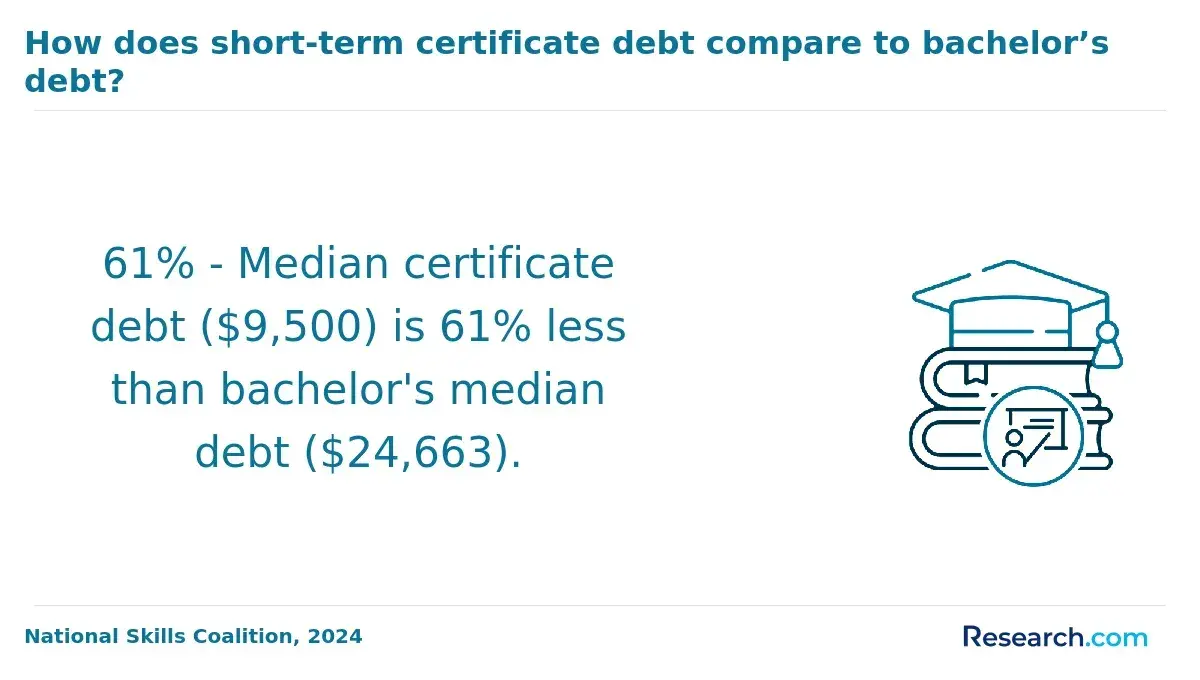
The choice between a master's degree and a graduate certificate in digital curation significantly shapes career trajectories in library & information science. A master's program, typically requiring two to three years, offers comprehensive skill development essential for roles demanding deep expertise, such as digital archiving in museums. In contrast, graduate certificates-with only five LIS schools offering explicit data curation certificates-deliver focused training within about one year but with limited recognition across some employers.
Cost and time investment diverge sharply: master's degrees range from $15,000 to $40,000+, while certificates generally cost between $5,000 and $10,000. Public universities often provide better value, especially for residents, altering the calculus for working professionals considering part-time enrollment or flexible pacing.
The choice depends heavily on specific workforce goals:
- A mid-career professional transitioning into digital archiving may prioritize the breadth of a master's despite the longer timeline.
- A data analyst seeking quicker skill acquisition might opt for a certificate, accepting its narrower scope and potentially lower market weight.
Employers prioritize demonstrated competencies in metadata standards, digital asset management, and preservation techniques over credentials alone. This reality demands applicants critically assess program outcomes rather than rely on program duration or price when selecting pathways in digital curation.
What careers can you pursue with a digital curation-focused LIS degree?
Digital curation expertise within library & information science programs translates directly to roles managing complex, long-term digital assets across sectors where preservation and compliance intersect with evolving technology. Employers prioritize candidates who can navigate metadata standards, digital preservation, and database management under constraints that often require ongoing migration of digital formats to avoid obsolescence.
For example, a digital archivist at a government archive faces the challenge of ensuring records remain authentic and accessible despite regulatory shifts and legacy data formats. Similarly, media organizations demand digital asset managers who can streamline intellectual property workflows while maintaining repository integrity.
Essential skills include proficiency with tools like DSpace or CONTENTdm and scripting languages like Python to automate repetitive curation tasks. Students shifting careers should weigh programs emphasizing hands-on technical training versus purely theoretical study, as practical experience with open-source tools directly correlates with employment readiness.
Tradeoffs include balancing limited institutional resources against the need for continuous technological adaptation, which impacts project success and fulfillment of preservation mandates. A lack of digital curation proficiency narrows advancement, especially as employers increasingly seek professionals who integrate data stewardship with competencies in data science and cybersecurity.
CLIR identifies multiple master's and certificate degrees featuring data-centric concentrations across numerous institutions, reflecting an expanding but still selective educational landscape for developing these specialized skills.
What salary ranges and earning potential exist for digital curation professionals?
Digital curation salary trajectories reveal significant variation based on sector, expertise, and technical capability, challenging simplistic degree-based expectations. Entry-level roles generally range from $55,000 to $65,000, reflecting limited managerial responsibilities and foundational technical skills. Advancement beyond this threshold requires not just experience but proficiency in specialized tools such as Archivematica, Preservica, or scripting languages like Python, which many employers now prioritize. Mid-career professionals, especially those managing complex metadata or large digital repositories in research-intensive or public institutions, can command between $75,000 and $90,000.
For senior digital curators in federal agencies or multinational cultural organizations, salaries often surpass $95,000, aligning with their blend of domain knowledge and digital asset management technologies. However, professionals in public history and government archives may experience slower salary growth, constrained by budget limitations, contrasted with tech-sector roles that benefit from accelerated advancement and higher pay linked to big data preservation and compliance demands.
Prospective students evaluating graduate education in digital curation or library & information science must weigh cost-to-benefit in relation to continuous skill development. Static knowledge in metadata schemas or digital asset systems without regular upskilling can limit earning potential and job security. Programs like Drexel University's MLIS prioritize workforce-ready competencies recognized by employers, yet supplementary training is often required to meet evolving market needs effectively.
What professional certifications or standards apply to digital curation and digital archives work?
Digital curation certifications carry distinct practical implications depending on the targeted employment sector. In cultural heritage institutions, credentials like Certified Archivist (CA) and Digital Archives Specialist (DAS) remain essential, signaling expertise in appraisal, preservation, and digital asset management tailored to archives and special collections. These certifications demonstrate compliance with standards such as ISO 16363 and OAIS, vital for trustworthy digital repositories.
In contrast, corporate environments prioritize broader data governance credentials, notably the Certified Information Professional (CIP) from AIIM, which emphasizes integration of digital curation within enterprise content strategies. This sectoral difference influences hiring: archivally focused roles value the CA or DAS credentials, while corporations lean toward CIP-qualified candidates who navigate data lifecycles beyond archives.
Professionals considering certification should weigh time and cost against sector alignment and role expectations. The Digital Curation Certificate from the Society of American Archivists offers applied skills aligned with research funder requirements, ideal for those pursuing academic or grant-supported digital curation careers.
- Certification correlates with higher earning potential; U.S. Bureau of Labor Statistics reports a 2025 median annual wage of $192,160 for information systems managers overseeing digital archives.
- Continued education applying standards like PREMIS and METS is necessary to maintain credential relevance in evolving technical environments.
- Some archive positions also prioritize domain-specific knowledge and MLA-accredited degrees over technical certification, reflecting varied employer expectations.
How can you evaluate and choose a reputable online digital curation program?
Prioritizing accreditation from recognized bodies such as the American Library Association or regionally accredited universities is essential when evaluating digital curation programs. Accreditation confirms that curricula align with industry standards and employer expectations, reducing the risk of investing in outdated or irrelevant education. Faculty expertise also matters, especially when instructors actively contribute to digital curation research or professional practice, as this enhances networking and program relevance.
Labor-market data points to about 13,500 openings for library professionals each year, making employability a critical factor. Programs disclosing specific placement statistics for roles in archives, museums, or corporate information management offer stronger indicators of return on investment. Expect careful scrutiny of outcomes such as graduation rates and alumni employment sectors to assess the program's genuine value.
Curriculum content should include metadata standards, digital preservation, and data management tools, emphasizing hands-on practicum or capstone experiences with real-world institutions. These components build practical skills and professional references that theory-only programs often lack.
Delivery format choices-between asynchronous and synchronous-affect study flexibility and peer interaction, which is significant for working professionals. Furthermore, tuition should be weighed against actual salary uplift and available financial aid, as programs with established career services and employer partnerships tend to yield better financial outcomes.
For example, a municipal archives professional must choose a program with local government ties and training in digital records management, not merely broad theoretical coursework.
Other Things You Should Know About Library & Information Science
Many online LIS programs require a thesis, capstone, or major project to demonstrate mastery of digital curation concepts. This requirement significantly affects workload and time management, especially for working professionals. Prospective students should prioritize programs whose final projects align with their career goals and offer practical application, as this can impact employer perceptions and portfolio strength.
Employers increasingly recognize accredited online LIS degrees if the curriculum and practical experiences, such as internships or practicums, are robust. However, online degrees lacking hands-on components can raise concerns about readiness for technical tasks in digital repositories. Prioritize programs with built-in practicum opportunities or partnerships with organizations to enhance real-world experience and hiring potential.
The intensity of research, technical assignments, and collaboration in digital curation concentrations demands careful scheduling. Many students underestimate the time needed for mastering complex software tools and managing remote group projects. Candidates should assess program flexibility and seek those offering asynchronous options and reasonable credit load per term to avoid burnout and ensure steady progress.
Faculty expertise in digital curation can vary widely regardless of delivery mode, but online programs sometimes limit direct mentorship and real-time feedback. Students should investigate faculty credentials in digital archives and ask about support services like tech help, career advising, and timely communication. Programs with dedicated online student support and faculty experienced in remote instruction deliver a more effective learning experience.
References
- From Digitization to Graduate Curricula to MOOCs https://ijdc.net/index.php/ijdc/article/download/10.1.144/387/1493
- Three-year study shows 60% increase in demand for digital curation https://blog.still-water.net/three-year-study-shows-60-increase-in-demand-for-digital-curation/
- Types of Library & Information Science Degree Programs https://www.librariancertification.com/types-of-library-information-science-degree-programs/
- Online MLIS in Digital Libraries: Programs & Careers https://www.mastersinlibraryscience.org/degree/digital-libraries/
- Knowledge Hub Items Archive - Advance HE Global https://www.advance-he.ac.uk/knowledge-hub/digital-curation-0
- Curating the Digital: 6-Month Online Program https://nodecenter.net/program/curating-the-digital
- What is digital curation? https://www.dcc.ac.uk/about/digital-curation
- Digital Curation Programs, Including Degrees and Certificates https://www.librarysciencedegrees.org/programs/digital-curation
- CollegeManzil https://collegemanzil.com/courses/mlibisc-digital-curation
- A Comprehensive Guide to Digital Curation: Tools and Techniques https://www.resourcespace.com/guide-to-digital-curation