
2026 Online Library and Information Science Degrees That Prepare Students for Stable Information Careers

Co-Founder and Chief Data Scientist
Professionals aiming for stable careers in library and information science increasingly face barriers in accessing traditional on-campus programs that align with demanding work schedules and geographic constraints. The National Center for Education Statistics reports a 12% rise in graduate online enrollment since 2024, signaling a shift toward flexible learning models crucial for adult learners balancing employment and family responsibilities.
This trend also reflects employers' growing preference for candidates with credentials earned through adaptable, accredited programs that maintain rigorous standards. This article examines online library and information science degrees specifically designed to address these challenges and support career resilience in evolving information sectors.
Key Things You Should Know
- Growth projections from the U.S. Bureau of Labor Statistics show a 9% increase in librarian roles by 2028, but tight state licensure requirements heighten time-to-employment tradeoffs for online degree holders.
- Employers increasingly demand specialized digital curation and data management skills, with 62% of surveyed LIS hiring managers in 2024 prioritizing candidates' practical technology certifications beyond degree credentials.
- Median tuition for accredited online LIS master's programs rose 7% since 2022, pressuring candidates to weigh total cost against accelerated 18-month pathways that may limit internship availability and network-building opportunities.
What is an online library and information science degree and who is it for?
Online library and information science degree programs primarily target professionals balancing employment or caregiving duties while pursuing a shift into or advancement within information management careers. These programs emphasize competencies in digital archiving, cataloging, metadata standards, and research methodologies to meet the practical demands of diverse employers ranging from public libraries to corporate archives.
For instance, a public library hiring manager increasingly prioritizes candidates with remote practicum experience showcasing digital literacy and community engagement-a feature often embedded in online curricula. The Bureau of Labor Statistics forecasts about 13,500 annual openings for librarians and library media specialists driven mostly by retirements rather than growth, underscoring a stable yet selective job market.
Candidates must navigate state-specific certification requirements and demonstrate proficiency with emerging information technologies, aspects that some programs explicitly integrate. Choosing a program that aligns closely with one's targeted work environment and career aims is crucial, considering online delivery demands significant self-discipline and time management.
Not all programs offer the same balance of theory, hands-on practicums, and field placement support. Corporate information specialists, for example, benefit from curriculum focused on knowledge management and digital asset strategies, which differ from those emphasizing cataloging and public engagement. Those evaluating master's in library science should weigh program accreditation, technological platform robustness, and experiential learning elements.
Who should pursue a library and information science degree includes mid-career professionals shifting fields, remote learners seeking flexibility, and those aiming for stable information-related roles with variable licensing requirements.
How do online library and information science programs compare to campus-based options?
Choosing between online library and information science programs versus campus-based degrees involves weighing specific operational advantages against tangible challenges. Both formats adhere to American Library Association accreditation, ensuring curricular alignment with employer expectations, but campus-based programs offer more immediate access to physical archives, face-to-face mentorship, and hands-on practicums critical for specializations like archival management or rare collections handling.
Employers emphasize demonstrated competencies and practical experience over whether education was virtual or traditional. For example, online students who proactively secure local internships or fieldwork alongside their studies significantly bolster their competitive edge. A public library candidate combining online coursework with network-building and real-world placements will typically outpace peers relying solely on remote learning.
The median librarian wage stood at $64,320 in May 2024, with top earners exceeding $100,880, confirming stability in both educational pathways. However, online learners must overcome self-directed discipline demands and actively create professional networks often nurtured naturally on campus.
Understanding differences between online and traditional Library and Information Science education clarifies that campus programs better serve those needing embedded community ties and resource access, while online options deliver flexibility but require strategic external engagement. Students evaluating the practical implications of this educational choice might also explore what can you do with an environmental science degree to compare diverse career trajectories informed by degree format and specialization.
What types of online library and information science degrees can students pursue?
Selecting an accredited online master's degree in library and information science is essential for roles requiring professional licensure or certification, particularly in public and academic libraries. These programs integrate theory with applied skills in cataloging, digital archives, and information management, aligning closely with employer expectations. For example, 96% of graduates from Syracuse University's ALA-accredited online M.S. program secured employment within a year.
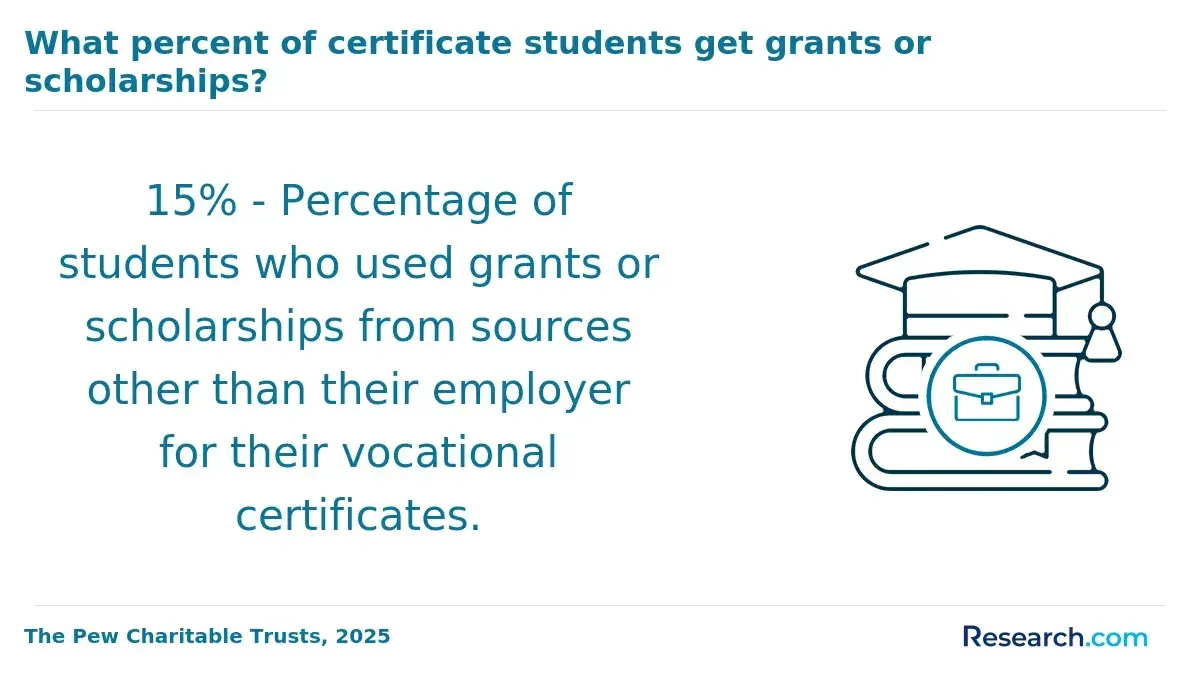
Alternatives like specialist certificates provide targeted expertise in areas such as data curation or records management, suited for professionals seeking immediate skill enhancement or career pivots without the time or financial investment of a full degree. However, certificates generally lack the recognition needed for roles requiring ALA-accredited qualifications. Doctoral programs pursue a more academic or leadership trajectory, less focused on direct employment pathways.
Practical implications include:
- Prioritizing ALA accreditation for states or employers mandating certified credentials
- Understanding that online master's degrees in library and information science facilitate eligibility for licensure and broader career options
- Balancing depth of study with schedule flexibility for working professionals
For professionals expanding beyond core library roles, cross-disciplinary skills-such as those in geographic information systems-may enhance employability. Resources highlighting the best GIS schools can provide complementary paths for information specialists focused on spatial data. Accredited online bachelor's programs in library and information science also offer foundational routes but typically require further graduate study for professional advancement.
How can students verify accreditation and program quality in library and information science?
The primary practical barrier for students in library and information science is ensuring ALA accreditation, as programs lacking this seal risk producing graduates not eligible for crucial credential-restricted roles. Accreditation standards for library and information science programs directly affect employability, especially in public and academic library systems where employers demand recognized qualifications.
Beyond accreditation, evaluating program quality in library and information science degrees requires a close look at graduate outcomes. Programs tied to high employment rates in specialized tech-driven positions-such as digital asset management and data officers earning $80,000-$110,000+ annually-reflect responsiveness to evolving industry demands. For many candidates, this means scrutinizing curriculum relevance to 2024 labor market skills and the presence of faculty engaged in cutting-edge research.
A real-world scenario: graduates from ALA-accredited programs often enter library systems with full qualification to compete for specialized, well-compensated roles, while non-accredited degree holders face the hurdle of additional certifications or deskilling risks. Regional licensing and employer preferences amplify this market limitation.
To verify accreditation and program quality, students should:
- Check ALA's current list of accredited programs on their official site.
- Request detailed employment and salary outcome data from admissions offices.
- Investigate recent curriculum updates reflecting 2024 labor market skills, especially in emerging LIS tech roles.
- Review faculty credentials and research activity reported through academic databases or public profiles.
For those considering a supplemental degree, comparing options like an online MS data science may add marketable technical skills that complement library and information science qualifications, particularly where data management intersects with LIS functions.
What courses and specializations are typically offered in online LIS curricula?
Programs in library & information science typically shape students toward specific workforce needs through specialized tracks rather than broad core coursework alone. Digital librarianship is tailored to managing electronic resources and digital archives, which aligns with roles in academic or corporate settings facing growing demands for digital content oversight.
Tracks centered on data curation and informatics address skills in research dataset management and data discoverability-critical for sectors like healthcare, government, and science, where regulatory compliance governs data handling. Meanwhile, technology-focused studies develop competencies in systems analysis, database design, and emerging tools such as AI for information retrieval, offering a competitive advantage in institutions seeking integration of advanced digital solutions.
Management pathways emphasize strategic skills such as budgeting and team leadership, preparing graduates for supervisory positions that extend beyond traditional librarianship toward operational responsibility. Preservation and conservation courses equip professionals to maintain both physical collections and born-digital materials, responding to museum, archive, and library needs.
Employers increasingly demand candidates with practical experience related to these specializations, often requiring internships or practicums that introduce tangible skill application. The 2024 average starting salary near $61,872, a 36% increase from a decade earlier according to the U.S. Bureau of Labor Statistics, shows financial incentives linked to mastering these competencies. However, rising tuition costs mean students must weigh upfront investment against long-term earning potential, particularly when targeting technical or leadership niches.
What are the usual admission requirements for online LIS bachelor's and master's programs?
Admission requirements for online LIS bachelor's programs emphasize demonstrated academic readiness and clear communication, but practical application and real-world alignment often vary. Typically, candidates must hold a high school diploma or equivalent and submit official transcripts confirming their academic history. Proficiency in English is compulsory, often verified through standardized tests or prior coursework.
Letters of recommendation and personal statements focusing on motivation and relevant experience become critical for applicants aiming to pivot careers into information-centric roles outside traditional libraries. Master's programs elevate these expectations, often requiring a bachelor's degree with a minimum GPA around 3.0 and official transcripts.
Admission committees seek letters of recommendation and detailed statements of purpose that explain interest in specialized subfields like archives, knowledge management, or user experience. While GRE tests remain mandatory for select programs, many have moved to optional status. Practical work experience and demonstrated IT or research skills can significantly enhance an application, reflecting the sector's demand for versatility beyond rote library tasks.
The fact that nearly a quarter of MLIS graduates from San José State University enter non-LIS or unrelated roles highlights a critical workforce trend. Applicants should therefore illustrate transferable skills and adaptability, recognizing the expanding scope of information science careers. Strategic alignment of admission materials with this landscape improves outcomes for those targeting positions where LIS knowledge integrates with technology, management, and user-centered design.
How long do online LIS degrees take to complete, and what do they cost?
The timeline and cost structure of online library and information science degrees reveal a critical tradeoff: accelerated tracks demand significant time management and may sacrifice depth in complex topics, while traditional pacing better supports comprehension but extends enrollment and total expenses. Typically, full-time students complete these programs in about two years; part-time learners, often balancing employment, stretch closer to three.
Program costs fluctuate substantially based on residency and institution type, with public in-state tuition generally ranging from $400 to $700 per credit and totaling between $24,000 and $37,000 for master's degrees, whereas private or out-of-state rates can far exceed $50,000. Employers may subsidize tuition or offer scholarships, but working professionals must weigh these factors alongside potential lost income and opportunity cost.
Labor market data project a modest 3% growth in LIS roles through 2032, paralleling national averages, underscoring the necessity of supplementing LIS credentials with skills like digital archiving and data curation for greater resilience. Program selection should reflect career goals: academic or government-focused roles benefit from practicums and partnerships, albeit with longer completion times, while industry-oriented candidates often prioritize shorter, skill-specific curricula emphasizing emerging digital competencies.
- Full-time programs usually last about two years; part-time up to three.
- In-state public tuition averages $400-$700 per credit hour.
- Out-of-state or private institutions may charge over $1,000 per credit.
- Projected employment growth for LIS roles is roughly 3% over a decade.
What careers can graduates with online LIS degrees pursue in information fields?
Graduates holding online library & information science degrees encounter significant sector variation that requires specialized technical competencies rather than generic training. For instance, healthcare information specialists in this field manage electronic health records with strict compliance demands, necessitating skills in interoperability far beyond conventional cataloging.
In government positions, records management ties directly to regulatory compliance and public access policies, which continually evolve and require up-to-date knowledge of legal frameworks. Employment outcomes reflect these sector-specific needs: a survey from the Catholic University of America found 60% of graduates secured jobs before finishing their programs, emphasizing the value of curricula aligned with industry standards and allowing working students to balance professional and academic demands.
Key challenges for those pursuing these degrees include staying current with rapidly advancing technologies such as AI-driven indexing and mastering interoperability standards critical for digital libraries and corporate archives. Consequently, learners must assess whether prospective programs offer sufficient depth in these areas relative to their target industries.
Networking within professional organizations is often necessary to overcome geographic disparities common in rural or remote job markets, where opportunities can be limited. These factors illustrate the importance of aligning educational investments with realistic sector demands and career strategies in the shifting information economy.
What salary ranges and job outlook can LIS graduates expect in information careers?
Starting salaries for LIS graduates in 2026 generally range from $50,000 to $65,000, with mid-career professionals often earning between $70,000 and $90,000 depending on sector and location. Specialized roles-such as data curation or information architecture within corporate or government organizations-tend to command higher salaries. However, these figures vary considerably based on accreditation status, employer expectations, and regional job markets.
Employers place significant emphasis on candidates holding degrees from ALA-accredited programs, which align with professional standards and facilitate certification eligibility. According to Library Journal's 2024 Placements and Salaries survey, 91% of hires had such credentials. This preference affects hiring outcomes and mobility, particularly in public and academic libraries where state or municipal credentials are often mandated.
For professionals transitioning into LIS, pursuing an accredited degree enhances access to leadership positions, better pay, and more stable employment. By contrast, non-accredited programs risk limiting advancement opportunities, especially in more regulated sectors.
Sector-specific trends also influence job stability and earnings. Public libraries confront funding constraints, nudging roles toward digital service management, while corporate information management expands alongside growing data governance priorities.
- Accreditation: critical for eligibility and upward mobility
- Sector growth: 5% projected employment increase through 2032 (U.S. Bureau of Labor Statistics)
- Specializations: higher pay linked to niche expertise in digital asset management or data curation
How should students choose a reputable online LIS program aligned with their career goals?
Aligning LIS program choices with specific career trajectories significantly impacts employability and long-term value. For instance, aspiring digital archivists should prioritize curricula focused on data curation, metadata standards, and preservation technologies instead of broad theoretical studies. Accreditation by bodies like the American Library Association ensures baseline quality but does not guarantee specialization depth or faculty expertise essential for niche roles.
Programs that embed practical experiences such as internships, industry partnerships, or capstone projects produce graduates better equipped to meet contemporary employer demands for hands-on technological proficiency. According to U.S. Bureau of Labor Statistics data, median wages for librarians and media specialists stand at $69,180, with senior professionals earning upwards of $80,000, demonstrating a premium for advanced skills transferable across sectors.
Decision-making must also factor in program outcomes, including transparent graduate placement rates within targeted industries, which serve as more reliable success indicators than prestige alone. The choice between fully online and hybrid delivery models further affects networking opportunities and mentorship access, critical for professionals navigating career pivots or sector changes.
Cost-benefit considerations require weighing tuition against regional job market saturation and salary growth potential. Candidates transitioning from unrelated fields should seek programs offering foundational IT and project management modules to bridge skill gaps vital for senior-level positions in the field.
Other Things You Should Know About Library & Information Science
Yes, practical work experience often outweighs program prestige in LIS hiring decisions. Employers prioritize candidates who demonstrate applied skills in digital archives, cataloging, or data management over the school name on a diploma. For students balancing program choice, selecting a program with strong practicum or internship connections will yield better job prospects than focusing solely on brand recognition.
Online LIS programs vary in how they incorporate experiential components, which are essential for many roles. Programs offering fieldwork, internships, or virtual simulations provide stronger practical preparation. When choosing an online program, prioritize those with structured real-world experience integrated into the curriculum to avoid gaps in practical competencies expected by employers.
Balancing coursework with current job demands creates significant time management pressure for online LIS students. Programs with flexible pacing and asynchronous classes ease scheduling conflicts, but students must proactively allocate regular study time to maintain progress. Prioritizing programs with clear deadlines and accessible faculty support reduces the risk of attrition under professional workload constraints.
Specialized credentials can provide a competitive edge in niche areas like digital preservation or data science, but may limit flexibility in broader library and information science roles. For early-career students, a general LIS degree offers wider employment options and foundational skills needed to adapt to market shifts. Prioritize specialization only after gaining initial experience and confirming alignment with long-term career goals.
References
- Master's Degrees in Librarianship Online & Campus Based https://librarysciencedegreesonline.org/masters-degree-in-librarianship/
- How to Choose the Right Online Learning Program for Your Career Goals? https://danielitte.com/blog/how-to-choose-the-right-online-learning-program-for-your-career-goals
- Salary Expectations and Career Growth in Library Science https://www.librariancertification.com/salary-expectations-and-career-growth-in-library-science/
- Finding Your Path: How to Align Studies with Career Goals https://www.alfabetaglobal.com/blogs/finding-your-path-how-to-align-your-studies-with-your-career-goals
- Coursera Help Center https://www.coursera.support/s/article/learner-000001078
- Best Online MLIS Degree Programs, Updated for 2025 https://www.librarysciencedegrees.org/programs/online/masters-mlis
- Information Science & Library Science Degree Programs https://www.academicinfo.net/infosci
- What Is BLIS Distance Education? https://skilltech.education/course/bachelor-of-library-and-information-science
- Master's requirements https://www.universityadmissions.se/en/entry-requirements/masters-requirements/
- What graduate salary can I expect in an IT job? https://targetjobs.co.uk/careers-advice/information-technology/what-graduate-salary-can-i-expect-it-job