
2026 Online Library and Information Science Degrees That Help Build Reference and Research Skills

Co-Founder and Chief Data Scientist
Professionals aiming to advance in reference and research roles confront a growing challenge: balancing career progress with the escalating demand for flexible education. Recent National Center for Education Statistics data reveal a 12% increase in online graduate enrollment from working adults since 2023, reflecting a shift toward modalities that accommodate full-time employment and personal commitments.
This signals a practical barrier for many aspiring librarians and information specialists who must select programs offering relevant skills without sacrificing accessibility or time. As such, this article examines online library and information science degrees designed to build essential reference and research skills, helping readers identify paths that align with their professional goals and life constraints.
Key Things You Should Know
- National Center for Education Statistics data from 2024 shows a 12% tuition premium for remote LIS degrees, reflecting a cost-access tradeoff influencing candidate enrollment and debt burden decisions.
- Currently, 63% of U.S. LIS employers prioritize demonstrated digital reference competencies over traditional cataloging, reshaping curriculum emphasis and graduate job readiness for evolving roles.
- Labor projections indicate a 4% LIS specialist workforce growth through 2030, pressuring programs to balance accelerated degree tracks with comprehensive research skill development to optimize immediate employability.
What are online library and information science degrees?
Graduate-level qualifications strongly influence employability in library and information science roles, where demand for advanced competencies in metadata management, digital archiving, and user-centered research support continues to grow. In the U.S., 86.1% of awarded degrees in this field in 2023 were master's degrees, reflecting employer preferences for candidates with comprehensive training in evolving information systems and research consultation.
For professionals evaluating online library and information science degree programs, balancing flexibility with practical skill acquisition is essential. Coursework often includes complex tasks like indexing schemes and user needs assessments that may be difficult to replicate without hands-on experience.
Consequently, candidates must proactively pursue internships or practicum placements, which are critical for transitioning theoretical knowledge into workforce readiness.
Choosing the best online degrees for library and information science careers necessitates assessing faculty expertise and program connections to regional libraries or archives that provide field access. Exposure to emerging technologies, such as AI-driven search tools or linked data, enhances competitiveness, but curriculum alignment with local workforce demands remains paramount.
The tradeoffs between convenience and experiential learning can significantly affect outcomes, especially for those pivoting mid-career. Students should consult resources like the online library science degree listings to identify programs balancing affordability, rigor, and practical engagement.
Which LIS programs need ALA accreditation?
ALA-accredited online library and information science programs serve as a critical gatekeeper for students targeting professional roles in public, academic, or archival libraries, where formal recognition dictates eligibility and hiring prospects. Only master's-level LIS programs pursuing such accreditation satisfy state certification requirements and employer expectations for core competencies, notably in reference and research skills.
A student intending to lead public reference services or community research efforts must prioritize these programs to clear credentialing filters that non-accredited offerings cannot guarantee.
The requirements for ALA accreditation in LIS degrees emphasize rigorous training in foundational research methodology, information organization, and service ethics. This focus often involves less elective flexibility and potentially longer program duration but ensures graduates possess critical data literacy and evidence-based service capabilities.
In contrast, programs without ALA accreditation may concentrate on niche or technology tracks yet frequently fall short in preparing students for traditional library roles governed by formal standards.
A national study found MLIS students complete significantly fewer research methods courses than peers in other social sciences, illustrating persistent gaps in research competency. This gap impacts employability, especially for roles demanding strong evidence-based reference skills. Candidates should weigh these tradeoffs and confirm program accreditation status before enrollment to avoid downstream obstacles in licensing and career pathways.
For individuals balancing diverse priorities, resources such as those tracking tuition and fees for degrees like an online animal science bachelor degree offer useful comparative cost data despite disciplinary differences, underscoring the value of informed program selection across fields.
How do online and campus LIS programs compare?
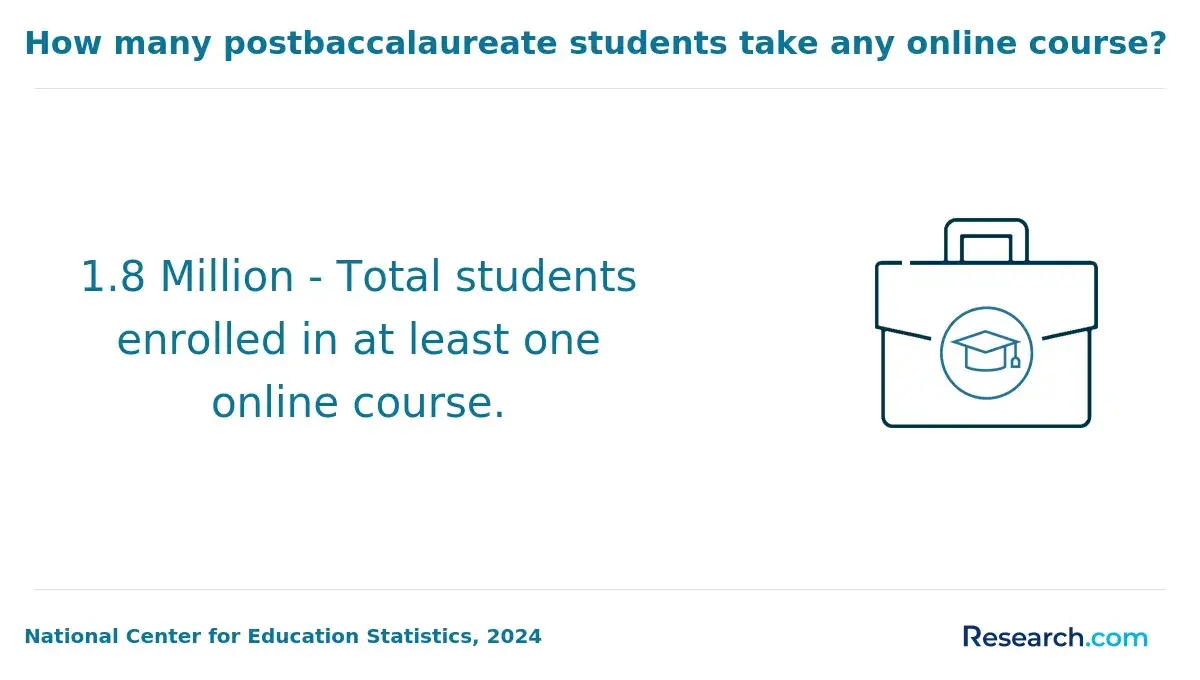
Choosing between online vs. campus library and information science programs requires assessing tradeoffs beyond curriculum content. Both formats deliver core competencies essential for reference and research but diverge in network development, time management, and access to physical resources. \
Online students benefit from flexible scheduling, which helps professionals maintain employment during a career pivot, yet they miss spontaneous, face-to-face interactions that often foster mentorship and collaboration important in research-driven roles.
Employers prioritize practical skills and demonstrated experience over the mode of study, but campus program graduates often have greater immediate workplace readiness due to on-site practicum placements and direct faculty engagement. Online LIS degree candidates frequently must seek out internships or local volunteer opportunities to bridge this experiential gap.
Consider these distinctions in the context of your targeted role—for example, a public library professional rooted in their community may gain more from the networking advantages of a campus or hybrid program, while a digital archivist working remotely might leverage the flexibility of online learning more effectively.
Pragmatically, both pathways demand a strategic approach to applied training to secure roles aligned with your degree, which correlates with wages averaging $65,000 versus $50,000 for unrelated positions per Bureau of Labor Statistics data. For those exploring related fields, reviewing health information management online programs can offer complementary insights into flexible, career-focused options.
What courses build reference and research skills?
Library and information science research methods courses emphasize qualitative and quantitative research techniques but allocate significantly less time to quantitative methods, with statistics comprising only about 19% of instructional hours compared to 64% in related sociology programs. This narrower focus impacts students targeting data-intensive roles in archives or digital libraries, where rigorous statistical competency is increasingly a baseline expectation.
For those evaluating reference and research skills training in library science programs, a practical implication emerges: graduates pursuing careers in government data agencies or academic libraries supporting social science research may face limitations without supplementary statistical and software training. Employers in these fields prioritize candidates who can handle complex data analysis alongside traditional reference services.
Conversely, many LIS curricula emphasize skills critical to frontline library roles, including reference interviewing, information literacy, and database navigation. Specialized courses in digital tools like GIS or digital humanities platforms further address niche research support needs, but this often comes at the cost of reduced quantitative depth. Professionals pivoting into the field should weigh this tradeoff carefully to avoid bottlenecks in research-intensive environments.
Prospective students seeking advanced quantitative expertise might consider complementary pathways such as an online data science doctorate, which integrates statistical rigor with relevant research skills.
What are the admission requirements for LIS programs?
Admission to LIS master's programs increasingly hinges on more than academic metrics, reflecting employer demand for blended skills in research, technology, and communication. A baseline bachelor's degree with a GPA near 3.0 remains common, but admissions committees place tangible value on relevant work experience, particularly in information management, archives, or digital environments.
For example, STEM graduates may need to demonstrate their ability to translate technical data into accessible resources, while humanities applicants benefit by highlighting analytical rigor applied to digital curation or archival research.
Applicants should prepare a focused statement of purpose and procure recommendation letters that emphasize both practical competencies and career alignment with research or library functions. While GRE requirements are diminishing, selective programs may still request scores, especially when distinguishing candidates for advanced research roles.
The roughly 11% increase in LIS master's degrees awarded from 2018-19 to 2022-23 signals heightened competition, particularly at institutions with industry ties.
Candidates lacking foundational information science coursework might confront prerequisite demands, adding time and financial commitment before matriculation. This can affect career timing and trajectory, especially for mid-career professionals pivoting into specialized library or research services.
Given the variable admissions nuances across programs, aspirants must analyze specific institutional expectations early to optimize readiness and messaging, thereby minimizing delays and strengthening job market positioning post-degree.
How long do online LIS degrees take to finish?
Program duration directly affects both cost and career trajectory in library & information science (LIS). Bachelor's degrees generally involve 120 credits, completed in about four years full-time or accelerated to under three years with continuous, heavy course loads. Part-time students, often employees, typically extend beyond four years, which can delay workforce entry but allow income stability.
Master's level LIS programs, preferred for specialized roles in research and reference, require 30 to 45 credits and normally take 18 to 24 months full-time. Part-time options extend this to three or more years, adding financial burden through ongoing tuition and postponed career progression. Applicants must weigh this against their work-life balance and employer flexibility.
Costs differ substantially: average annual tuition for bachelor's degrees at public universities was roughly $8,143, compared to $29,032 at private nonprofits. Accelerated online formats can cut living and opportunity costs but intensify workload, potentially disadvantaging full-time employees without flexible schedules.
A mid-career library technician pursuing an LIS master's part-time over three years to maintain income has different needs than a recent graduate in a full-time accelerated track eager to enter the job market. Employer preferences favor candidates demonstrating rigorous, focused study regardless of pacing but expect alignment with role demands and practical skills acquisition.
How much do online LIS degrees cost?
The financial commitment for library and information science degrees in 2026 varies widely, ranging from $15,000 to $45,000, with public institutions offering more affordable credit rates ($300-$700) compared to private ones ($800-$1,200). These differences reflect practical tradeoffs: lower-cost programs may reduce upfront expenses but often lack intensive experiential learning, which can extend the time elapsed before graduates are workforce-ready.
For instance, a working professional pursuing a media specialist role might find a program with strong employer ties and internship opportunities more beneficial despite higher tuition, accelerating job placement in a competitive market.
The estimated 3% job growth in librarian and media specialist occupations from 2022 to 2032, paired with approximately 12,700 annual openings, suggests steady but not rapid expansion. This emphasizes the value of programs that embed advanced skills like digital resource management and advanced reference services tailored to specific sectors such as academic libraries or corporate research.
Choosing a program misaligned with one's target employment niche can increase onboarding time and complicate job matching.
Students should also anticipate indirect costs, including technology for synchronous learning and certification tests, plus potential relocation. While part-time options ease cash flow pressures, they prolong degree completion, delaying return on investment. A thorough cost-benefit analysis is essential, weighing tuition against program features that influence practical competency and employer value.
What jobs can you get with an LIS degree?
Graduates holding a Library & Information Science (LIS) degree face a diverse but specialized job market where roles extend beyond traditional librarian duties to include data management and digital curation. Realistically, LIS professionals must navigate variance in sector demands-from cultural preservation in museums to stringent compliance in healthcare records management, which requires familiarity with regulations like HIPAA and data security protocols.
Employers prioritize candidates with a blend of skills: proficiency in information retrieval, cataloging, and reference services paired with technological fluency in digital repositories and AI tools. Degrees emphasizing practical, technology-driven competencies outperform purely academic credentials in meeting these expectations.
Geographic factors heavily influence employment opportunities. Concentrations of LIS graduates in regions such as San José, CA, and Denton, TX, correlate with the presence of established programs and the availability of related roles, suggesting that location flexibility can be a critical factor in job-seeking strategies.
Advanced roles typically require specialization in areas like data analytics or user experience design and an MLIS or equivalent credential. Those pivoting from unrelated fields must proactively address gaps in cataloging rules and digital preservation standards to stay competitive.
Continuous learning in evolving information technologies and active engagement with professional associations remain indispensable for sustained career viability.
What salaries do library science graduates earn?
Library & information science graduates encounter significant salary variation shaped by their specialization and sector, with entry-level salaries starting near $45,000 and mid-career professionals earning $70,000 to $90,000 annually. Those moving into tech-intensive roles such as digital archives or information systems management often see compensation exceeding $100,000, driven by growing employer demand for competencies in database management, programming, and IT systems integration.
Public library roles generally offer lower wages due to budget limits and traditional service-focused duties, while positions in corporate or academic research libraries, informatics, and digital curation provide more competitive pay reflecting specialized skill requirements. For instance, a graduate entering health informatics—handling electronic medical records—might start around $65,000 but surpass $95,000 within five years, illustrating a clearer financial trajectory than conventional librarian roles.
To maximize earnings, graduates must weigh the cost and time of acquiring technical skills beyond the standard LIS curriculum, balancing certifications and ongoing training with salary potential. Without supplementing archival or reference expertise with IT capabilities, wage growth remains limited, and upward mobility in these areas is slow.
What certifications or licenses do librarians need?
Most professional librarian roles, especially those involving research and reference services, require a master's degree in Library & Information Science (LIS) accredited by the American Library Association (ALA). This credential is often non-negotiable due to employer expectations for a strong foundation in both theory and applied skills.
Additionally, state-specific certifications or licenses-such as those mandated by the Texas State Library and Archives Commission for school librarians-can further restrict eligibility for specialized positions.
Beyond the degree, practical experience through supervised practicums or internships embedded within accredited programs is frequently prioritized by academic and research libraries. This hands-on training serves as a critical bridge from academic learning to operational readiness, directly influencing hireability.
Cost considerations are significant: the median tuition for online LIS master's programs stands near $7,305 annually, substantially lower than the average for other master's degrees. This relative affordability can reduce debt burdens for candidates targeting public sector or nonprofit roles, sectors where salary scales often lag behind private industry.
Other Things You Should Know About Library & Information Science
Programs emphasizing technology, such as data management and digital archives, often prepare students for evolving roles in research-intensive environments. However, prioritizing pure technical skills can limit exposure to foundational reference services and information organization. For students targeting positions that require direct interaction with patrons or primary research facilitation, selecting programs that balance technical and user-centered skills offers more practical value.
Field experience through practicums or internships is crucial for applying theoretical knowledge to real-world library and information settings. Online programs with integrated, supervised placements enhance employability by enabling networking and hands-on skill development. Programs lacking robust practical components may leave graduates underprepared for the workplace's interpersonal or operational demands, making this a key factor to prioritize when choosing an online LIS degree.
Part-time LIS programs offer manageable balancing of work and study but extend total completion time, which may delay career advancement. Accelerated programs reduce degree time but increase weekly study load and intensity, which can affect learning retention and work performance. Professionals should evaluate whether program pacing aligns with their capacity to maintain job responsibilities and self-directed study quality, prioritizing sustainable workload over speed to maximize skill integration.
Generalist LIS degrees provide broad foundational knowledge but may not fully meet employer expectations for specialized skills in advanced research or digital reference services. Specializations in areas like data curation or information architecture can significantly enhance a graduate's profile in competitive job markets. Prospective students should weigh the tradeoff between flexible general credentials and targeted expertise based on the specific career trajectories they intend to pursue.
References
- Expected Salaries for Library & Information Science Careers by State https://www.mastersinlibraryscience.org/careers/salary-by-state/
- Online vs. On-Campus Library and Information Science Programs in India https://lis.somaiya.edu/en/blog/online-vs-on-campus-library-and-information-science-programs-in-india/
- Online Master of Library and Information Studies https://www.ualberta.ca/en/school-of-library-and-information-studies/programs/online-mlis.html
- Best Online Library Science Degrees, Updated for 2025 https://www.librarysciencedegrees.org/programs/online
- 3490+ Research skills Courses [2026] | Learn Online for Free | Class Central https://www.classcentral.com/tag/research-skills
- Georgia Public Librarian Certification https://www.librariancertification.com/librarian-certification-guides/georgia-public-librarian-certification/
- 2025 Most Affordable Online Master's Degrees in Library Science https://www.onlineu.com/most-affordable-colleges/library-science-masters-degrees
- Online Vs On-Campus - What Are The Pros and Cons? https://notgoingtouni.co.uk/blogs/online-vs-on-campus-what-are-the-pros-and-cons-322
- Certificates - Library Juice Academy https://libraryjuiceacademy.com/certificateslist/
- Guides: Research Skills: Step-By-Step: Get Started https://guides.dtwd.wa.gov.au/crt-dur-research-skills-step-by-step