
2026 Online Library and Information Science Degrees That Help Build Digital Preservation Skills

Co-Founder and Chief Data Scientist
Archivists and information professionals grapple daily with preserving increasingly complex digital records that degrade, become inaccessible, or face obsolescence. Balancing evolving technology standards with limited institutional budgets demands specialized skills in digital preservation strategies. The National Center for Education Statistics reports a 12% annual increase in adult learners enrolling in online graduate programs, reflecting a shift toward flexible education models that accommodate working professionals seeking career resilience. This growth signals rising demand for adaptable credentials that integrate practical digital stewardship without disrupting employment. This article examines fully online library and information science degree options that equip learners with the technical expertise and applied knowledge needed to build durable digital archives and sustain long-term preservation careers.
Key Things You Should Know
- According to the U.S. Bureau of Labor Statistics, digital preservation roles in library & information science are growing 9% faster than traditional librarian jobs, pressuring degree programs to balance archival theory with advanced tech skills, which increases time-to-degree but aligns with higher-paying job markets.
- Employers prioritize candidates with experience in metadata standards and digital asset management platforms, making enrollment in programs offering intensive practicum placements critical for employability, as 68% of hiring managers prefer applied skill credentials over purely theoretical degrees.
- Tuition inflation averages 5% annually in library & Information Science programs, with digital preservation tracks often doubling upfront costs compared to generalist degrees, requiring prospective students to weigh long-term salary premiums against immediate financial strain and potential delayed workforce entry.
What is an online library and information science degree focused on digital preservation?
An online library and information science degree with digital preservation specialization equips students with technical skills to manage digital assets amid ongoing technological shifts. Graduates must master data migration, metadata standards, and digital curation while confronting real-world challenges such as file format obsolescence and digital rights management. This focus contrasts with general LIS degrees by emphasizing practical expertise in digital forensics, risk assessment, and software tools necessary for sustaining the integrity of digital collections.
For example, a digital preservation specialist in a museum setting must strategize around preserving delicate multimedia files for future access, balancing limited resources against fast-evolving digital environments. Employers, including libraries, government archives, and corporations, increasingly require professionals who can handle large-scale digital data and ensure long-term accessibility.
The U.S. Bureau of Labor Statistics forecasts 10% growth through 2032 in roles like archivists and curators, reflecting sector demand for digital preservation skills development through library and information science programs. However, the rigorous technical training involved may reduce applicability in strictly analog archival roles, requiring candidates to align their education carefully with intended career paths.
Prospective students should critically evaluate program curricula for hands-on experiences such as internships and coursework addressing emerging issues like blockchain provenance and sustainable digital repositories. For those considering advanced studies, exploring affordable options through an MLIS degree online can be a strategic step.
How do online and campus-based library science programs compare for digital preservation training?
Career readiness in digital preservation hinges on the tradeoffs between online library science programs vs campus-based digital preservation training. Campus-based programs offer vital hands-on access to physical archives and specialized tools essential for skills like manuscript conservation. This direct exposure attracts employers in archives and museums who prioritize practical digital preservation skills and onsite mentorship. Conversely, online programs excel in flexible, scalable coursework focused on digital asset management and metadata standards, benefiting students who require geographic flexibility or must maintain employment.
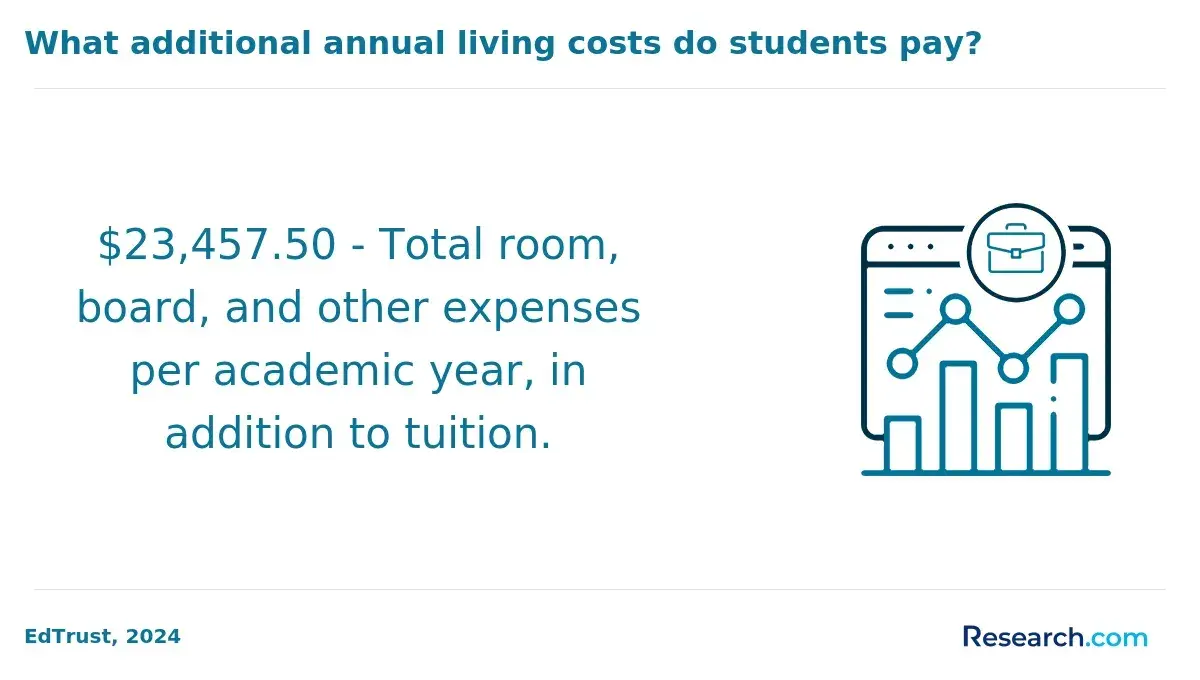
Cost differences are significant in comparing these pathways. Tuition for online MLIS degrees ranges from $500 to $1,800 per credit, with total costs varying from under $20,000 to over $65,000. Campus programs usually land at the higher end due to fees and resource expenses, affecting long-term return on investment. Online learners must supplement their curricula with internships or local partnerships to address limited physical interaction, while campus students trade geographic flexibility for networking advantages.
Consider the case of a mid-career archivist aiming for advancement without employment disruption: an online program may provide the cost-effective, modular learning needed. A recent graduate targeting specialized roles, such as manuscript conservation, will likely benefit more from campus training's tactile experience. Hiring managers consistently emphasize digital curation workflows and proprietary system navigation skills, underscoring the importance of aligning program format with precise career goals and personal circumstances.
For professionals evaluating advanced degrees, exploring options beyond library science-such as a sports science degree online-may uncover complementary skill paths or alternate career pivots within interdisciplinary sectors.
What types of library and information science degrees support careers in digital preservation?
Specialized master's programs with focused tracks in digital preservation represent one of the few educational pathways that directly equip students for roles managing digital assets within libraries, archives, and related institutions. Degrees emphasizing digital curation, archival studies, or preservation management address critical employer needs for professionals versed in metadata standards, preservation metadata, and long-term archiving. Such programs often require integration of practical skill development in scripting, digital file forensics, and data migration alongside theoretical foundations, which distinguishes candidates in a labor market increasingly demanding applied competencies.
For example, STEM-designated MS degrees from schools like Pratt Institute, with tuition approaching $64,908 for a 36-credit curriculum at about $1,800 per credit, highlight a considerable financial investment. Students must weigh these costs against concrete outcomes such as stronger credentials for roles in museums, government archives, or corporate environments. Candidates with traditional LIS degrees lacking specialized digital preservation skills training in Library and Information Science programs risk encountering barriers to employment due to evolving technical and legal requirements.
Prospective students should evaluate how degree pathways align with specific work settings and the cross-disciplinary environment digital preservation increasingly requires, including intersections with data science and IT. Balancing tuition expense against expected salary growth is crucial, especially when hands-on experience with preservation tools and workflows defines career readiness. Those seeking affordable options may also consult resources like HIM degree online pathways to explore parallel healthcare information management routes.
What core courses and technical skills are taught for digital preservation in these programs?
Core courses in digital preservation within online library and information science programs prioritize metadata standards, digital curation, and archival management, reflecting the evolving demands of digital stewardship roles. Emphasis is placed on practical skills using standards like Dublin Core and PREMIS to maintain accessibility and integrity across diverse digital objects, which is essential given the rapid obsolescence of file formats and data storage technologies. Practical training often includes using repository software such as Archivematica and Islandora, with scripting skills-especially Python-gaining importance to manage batch processes and large-scale data efficiently.
Technical skills taught for digital preservation in library and information science degrees also include risk assessment and digital forensics, enabling students to identify and respond to threats like data corruption and cyber intrusions, which differ significantly between public institutions and corporate archives. Understanding the legal and ethical frameworks, including intellectual property issues, is critical for managing diverse collections responsibly.
Meeting workforce demand is a key factor: the U.S. Bureau of Labor Statistics projects 3,300 new roles for archivists, curators, and museum workers from 2022 to 2032, underscoring the need for graduates who can integrate archival theory with specialized technical protocols. This balance determines employability in public, private, and nonprofit sectors managing digital collections.
Prospective students weighing their options should consider program rigor and workforce alignment, including comparisons with other fields offering digital expertise. For those exploring quantitative and analytical data pathways, reviewing the best data science master's programs may provide complementary perspectives or alternatives.
How can students verify accreditation and program quality for online library science degrees?
Accreditation significantly impacts employability and financial aid eligibility for students pursuing online library and information science degrees. Programs accredited by recognized agencies-especially the American Library Association (ALA)-offer assurance of alignment with industry standards essential for roles in archives, museums, and digital preservation. For example, employers often favor graduates from ALA-accredited programs due to their rigorous focus on practical competencies.
Verifying accreditation via official databases or institutional websites is a necessary step, but assessing program outcomes provides deeper insight. Prospective students should examine graduation rates, job placement figures, and partnerships with employers that facilitate internships or practicum experiences. These hands-on opportunities are pivotal for mastering skills like metadata standards and digital asset management-directly linked to median wages near $57,880 and the potential for earning over $98,000 in archival and curation jobs.
Faculty expertise in digital preservation research or professional networks further reflects program quality and relevance. Yet, programs lacking direct workplace engagement risk extending the transition time into the workforce or capping earnings potential. Ultimately, accreditation affects not only educational quality but also access to federal aid, shaping the overall return on investment for those pivoting careers within library and information science.
What are typical admission requirements for online library and information science programs?
Online library and information science programs typically require a bachelor's degree, often in any field, but maintaining a GPA near 3.0 is common for competitive admission. Applicants must provide official transcripts, letters of recommendation focused on research or organizational skills, and a personal statement that connects their goals to digital preservation or information management-skills increasingly demanded by employers in cultural heritage digitization roles.
Practical experience in library, archival, or digital projects is more than a formality; it can be decisive for acceptance and subsequent employability. For example, museums and galleries expanding digital curation functions favor candidates familiar with metadata standards like Dublin Core or digital asset management systems. Some programs still require GRE scores but these are becoming less common, while international or nontraditional applicants should be prepared for English proficiency tests and credential evaluations.
Prospective students should scrutinize prerequisites, including IT or digital humanities coursework, as failure to meet these can delay progress and impair readiness for specialized roles in digital stewardship. Submitting a detailed resume or CV highlighting technical competencies is key. This attention to both academic and experiential elements shapes not only admission outcomes but also alignment with evolving workforce expectations documented by sources including LibraryScienceDegrees.org.
How long do online library science degrees take, and what do they cost?
Extended timelines for online library and information science degrees reflect a strategic tradeoff between income stability and credential speed. Programs allowing up to six years cater to part-time students managing full-time jobs, ensuring steady earnings but delaying degree completion and potential role eligibility. Conversely, accelerated two-year paths impose intense time and financial demands, accelerating entry into advanced positions but risking income disruption.
Tuition varies significantly: public university programs typically cost $10,000 to $30,000, while private institutions often exceed $40,000. Additional fees for technology and materials add to the financial considerations, especially for programs requiring occasional campus residencies.
Employer preferences increasingly emphasize practical competencies and work-relevant experience over rapid graduation. Incorporating practicum or internships provides tangible workplace skills, which can justify longer study periods. Prospective students should weigh these factors based on their career stage and financial capability.
- Part-time study supports income but postpones full credential benefits.
- Full-time accelerated study shortens timelines but demands higher upfront investment.
- Practicum components enhance employability despite potentially extending program length.
Balancing these dimensions is essential for informed decisions within library and information science pathways.
What digital preservation career paths can these degrees lead to?
Digital preservation roles within cultural heritage institutions, government agencies, and corporate archives require specialists who can manage evolving file formats and ensure long-term accessibility of digital assets. Graduates of library and information science degrees tailored to this niche confront complex challenges such as maintaining metadata standards like PREMIS and Dublin Core, migrating legacy media, and addressing technological obsolescence.
Practical experience is equally important as theoretical knowledge; employers seek candidates capable of implementing disaster recovery plans, conducting digital forensics analysis, and collaborating with IT teams to build scalable preservation systems. For instance, state archival positions often demand hands-on skills with tools like Archivematica or Preservica, beyond academic theory.
The cost burden extends beyond tuition, with non-tuition expenses ranging from $1,000 to $2,000 for required books and specialized software, complicating the total investment in digital preservation expertise. Candidates targeting federal roles or major libraries should anticipate ongoing upskilling and additional certifications to remain effective amid rapid technological change.
What salary ranges and job outlook exist for digital preservation and digital archivist roles?
Salary prospects for digital preservation and digital archivist roles in 2026 typically range from $50,000 to $90,000 annually, influenced heavily by sector, geography, and employer size. Federal agencies like the National Archives generally offer salaries near the upper threshold, while local public libraries and nonprofits often fall into the lower to mid-range spectrum. This disparity highlights the significant tradeoff candidates face between institutional prestige and budget constraints.
The U.S. Bureau of Labor Statistics projects a steady 10% growth in archivist employment through 2034, driven by growing institutional needs to manage digital assets and comply with complex data retention regulations. Employers consistently require candidates to hold 15-36 credit hours specializing in archival studies, as confirmed by LibraryScienceDegreesOnline.org's 2024 survey, since these credits are essential to handle specialized tasks such as digital media migration, metadata normalization, and long-term access strategies.
Practical advancement is linked to mastering sector-specific digital tools and regulatory standards, which vary substantially between environments like academic libraries and corporate archives. For example, corporate archivists must navigate intellectual property concerns uncommon in public sectors.
Professionals transitioning from general library & information science roles should expect to invest in targeted archival coursework to meet these nuanced demands and achieve salaries in the mid-to-upper range. Regional pay scale differences and employer resources remain critical variables affecting long-term earning potential.
Are certifications or professional memberships recommended for digital preservation specialists?
Certification and professional memberships serve distinct but complementary roles in the digital preservation field, especially within government and cultural institutions where specific qualifications often dictate eligibility and advancement. For example, a mid-career IT professional moving into digital preservation at a university archives can shorten onboarding by holding recognized credentials that validate familiarity with key frameworks like OAIS or PREMIS.
Memberships in bodies such as the Society of American Archivists or the Digital Preservation Coalition deliver ongoing access to specialized training and emerging research, connecting specialists to sector-specific developments and networking opportunities. These memberships align with labor market shifts that anticipate a 10% growth in roles like archivist and curator through 2032.
Job seekers must weigh certifications' upfront costs and time against employer priorities, as many entry-level roles emphasize hands-on experience over formal credentials. Conversely, leadership roles managing complex digital curation infrastructures in media or government archives typically require certification to demonstrate advanced expertise and boost employability.
Ongoing development through both certifications and memberships helps bridge skill gaps between sectors-academic, media, and cultural institutions-reducing retraining needs and supporting adaptable career trajectories. This practical standardization of knowledge enhances long-term sustainability amid evolving digital preservation technologies and compliance demands.
Other Things You Should Know About Library & Information Science
Yes, internships or practicum experiences are often critical for securing digital preservation roles. Many employers expect candidates to demonstrate hands-on familiarity with digital archiving tools and workflows, which classroom learning alone rarely provides. When choosing a program, prioritize those with established partnerships offering relevant placements, as these experiences greatly enhance employability and technical confidence in real-world environments.
Workload intensity varies widely, but online LIS programs focused on digital preservation often demand solid time management due to technical assignments and research projects. Students balancing full-time work should seek programs with flexible deadlines or asynchronous coursework to avoid burnout. Programs without flexibility risk prolonging completion time and increasing stress, which can diminish learning outcomes and career momentum.
Specialized digital preservation tracks provide deeper technical expertise but may limit exposure to other LIS areas, potentially narrowing career options. If your goal is strictly digital archiving, prioritize a focused track backed by strong technology training. Conversely, if you want flexibility to shift into related LIS sectors, a broader program with elective options offers a better long-term return on investment.
Employer expectations have shifted as online degrees become more common, but some still scrutinize candidate experience and program reputation over delivery mode. Graduates from accredited online programs with robust digital preservation curricula and documented project work meet market standards effectively. However, those without demonstrable practical skills or with programs lacking depth in emerging technologies face hiring disadvantages, regardless of online or campus status.
References
- Audit and certification https://www.dpconline.org/handbook/institutional-strategies/audit-and-certification
- Novice to Know-How - Archives sector https://www.nationalarchives.gov.uk/archives-sector/advice-and-guidance/managing-your-collection/preserving-digital-collections/novice-to-know-how/
- Unlock Success with fixmycareer: Your Pathway to Career Brilliance https://www.fixmycareer.in/career/humanities-social-sciences/archives-records/digital-archivist
- What Careers Are Available in Library Science? - Library Science Degrees Online https://librarysciencedegreesonline.org/library-science-careers/
- Library and Information Science, MS https://www.pratt.edu/information/library-and-information-science/
- What Is an ALA-Accredited MLIS Program? Guide & List https://www.mastersinlibraryscience.org/ala-accredited-mlis/
- Best Online Bachelor of Library Science Degrees, Updated for 2025 https://www.librarysciencedegrees.org/programs/online/bachelors-blis
- Librarians in the Digital Age: The Role of Library Science in the 21st Century https://educationexclusive.com/news/exclusive-insights/library-science-course-india
- Certifications & Continuing Education https://www.marac.info/certifications-and-continuing-education
- What Is a Digital Archives Specialist | Certified Digital Archivist https://www.historyassociates.com/digital-archives-specialist-certified/