
2026 Library and Information Science Career Paths With the Best Advancement Potential

Co-Founder and Chief Data Scientist
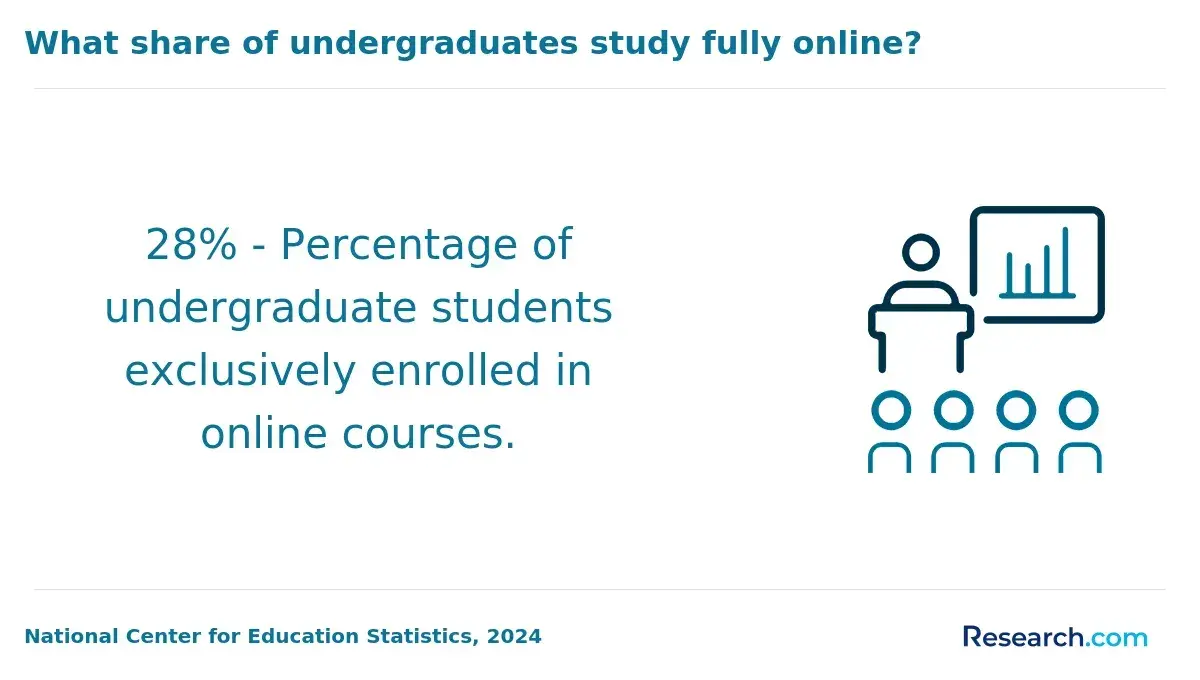
Mid-career professionals in library & information science often confront a tough reality: not all roles offer clear advancement routes, and specialization choices made early can limit future leadership or tech-oriented opportunities. For those balancing work and continuing education, the surge in online program enrollment-up nearly 12% according to the National Center for Education Statistics in 2024-signals a shift in how learners access flexible, career-responsive credentials. Yet, program quality and employer recognition vary widely, making strategic selection pivotal. This article identifies library & information science career paths with the strongest potential for upward mobility and decision-making clarity grounded in workforce data and education access trends.
Key Things You Should Know
- MLS and MLIS degrees show 12% fewer job placements in emerging tech roles within library settings, implying a tradeoff between traditional credentialing and growing demand for digital competencies, slowing advancement.
- Employers prioritize candidates with practical data curation and digital preservation experience; 68% of surveyed U.S. academic libraries in 2024 report faster promotions for tech-savvy librarians, reshaping internal career ladders.
- Median tuition exceeding $30,000 for top LIS programs delays career pivot timing, disproportionately affecting mid-career professionals without employer sponsorship, increasing opportunity costs for advancement.
What are the main library and information science career paths with strong advancement potential?
Career trajectories in library and information science with high advancement potential reflect significant tradeoffs between specialization and versatility. Academic and research librarianship, for instance, commands notably higher wages-postsecondary library science teachers earned $71,560 annually in 2018 versus the overall U.S. median wage of $38,640-due largely to the advanced degrees and focused expertise required. These roles often demand a master's or doctoral degree and proficiency in managing specialized collections and digital research tools. This pathway suits those targeting university settings but requires readiness to engage in teaching alongside traditional librarianship.
Digital curation and archival management roles respond to growing regulatory and compliance pressures. Specialists here must master metadata standards, digital preservation software, and often secure certifications in records management. Transitioning professionals should anticipate investing time in database architecture and cybersecurity fundamentals to meet employer expectations in an evolving digital environment. These factors spotlight practical challenges in upskilling amid rapid technology shifts.
Information systems librarians and knowledge managers in corporate or government sectors integrate librarianship with data analytics and information governance, balancing user experience design against system integration. Success in these roles hinges on aligning information access with business intelligence needs, a dynamic that informs the real-world operational demands of this career path.
Prospective students pursuing library and information science career paths with high advancement potential need to consider these distinctive skill sets and sector-specific demands carefully. For those evaluating educational options, understanding these tradeoffs alongside program affordability and outcomes is critical. Resources like masters in library science can provide a practical starting point.
What degrees and qualifications are required to launch a library and information science career?
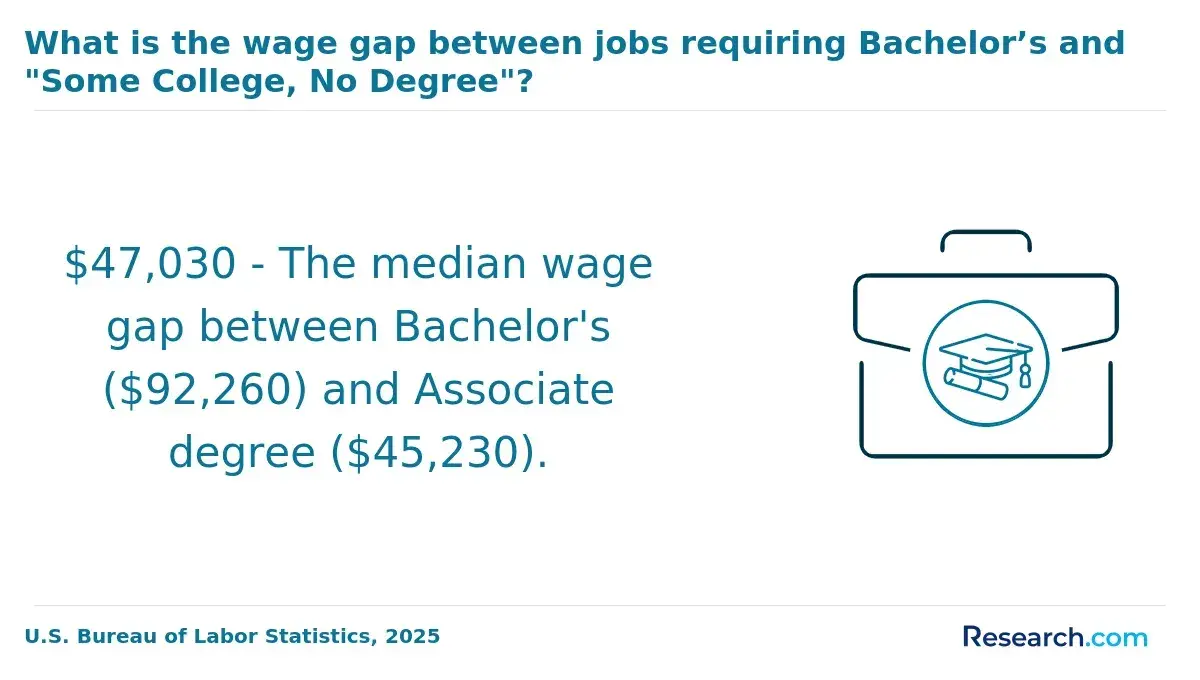
A master's degree in library and information science (LIS) accredited by the American Library Association (ALA) remains the essential qualification to begin a LIS career in the United States, especially for standard librarian roles in public and academic libraries. Employers typically require this credential, with candidates lacking an ALA-accredited degree facing limited advancement opportunities. Those entering through technical or specialized roles-such as digital archiving or data curation-may start with a bachelor's in related fields but usually must pursue further LIS certification or a master's to gain traction.
Salary disparities illustrate the significance of LIS qualifications aligned with experience. For example, city public library directors, who generally hold ALA-accredited master's degrees and advanced operational experience, earn median salaries around $144,724, starkly contrasting with $50,000 medians for rural directors reported by the Public Library Association. Leadership roles require not only academic credentials but also targeted management training and internships in large, complex systems.
Practical experience through internships, volunteer work, or practicums is prioritized by employers, yet funding constraints often make paid opportunities scarce. Furthermore, supplementing LIS degrees with certifications in digital librarianship or archives management is increasingly relevant amid evolving technology demands. For those considering alternative entry points, a animal science bachelor degree online exemplifies how bachelor's credentials in allied disciplines may open initial pathways but will require strategic upskilling for LIS roles.
Prospective students evaluating degrees required for a library and information science career in the United States must carefully assess whether their educational choices align with employer expectations and long-term sector realities to avoid stalling professional momentum. This includes prioritizing programs with integrated hands-on training, management concentrations, and technology fluency to meet core workplace demands and qualification thresholds.
Essential qualifications to start a library and information science profession generally balance formal ALA-accredited education with demonstrable, applied skills to navigate the evolving intersections of information systems and knowledge management within diverse library contexts.
How do online library and information science programs compare to campus-based options?
Online library and information science degree programs comparison reveals distinct operational tradeoffs impacting career trajectories. Campus-based courses offer embedded, face-to-face collaboration and access to local archives critical for roles requiring hands-on experience, which online formats often lack. This gap matters significantly for early-career professionals pursuing positions in traditional library management or archival work, where in-person internships and institutional mentorship enhance employability.
Conversely, online programs emphasize digital competencies aligned with emerging information technologies, a key advantage for data curation and digital asset management roles in corporate or research environments. However, these programs demand students proactively build project-based portfolios and networks to meet growing employer expectations for verified technical skills over mere credentials.
When weighing campus-based versus online library and information science courses advantages, candidates should consider:
- Campus demands relocation or commute but offers stronger alumni networks and direct practicum access.
- Online provides flexibility and updated digital curricula but requires self-driven experiential learning.
- Starting salaries in LIS fields increased 36% over a decade, driven by demand in tech-focused roles.
Students targeting practical skill acquisition might explore programs linked to regional libraries, while those prioritizing remote access and current digital trends can benefit from an online model supplemented with certifications and internships. For prospective learners evaluating cost-effective pathways, examining options like a health information technology associate degree online underscores the importance of aligning program choice with realistic career objectives.
What accreditation should library and information science programs have for career advancement?
Employers prioritizing career growth in library and information science consistently require degrees accredited by the American Library Association (ALA), reinforcing the value of top accreditation standards for library and information science degrees. This accreditation determines eligibility for many public, academic, and specialized librarian roles, especially those requiring a master's degree. For instance, public school districts and government agencies commonly impose ALA accreditation to ensure stringent curriculum quality and professional competence, directly influencing wage scales and leadership opportunities.
Graduates from ALA-accredited library and information science programs for career growth demonstrate essential skills in cataloging, digital services, collection management, and information policy, which are critical in advancing beyond entry-level positions. Without this credential, candidates often need supplementary certifications or years of experience to remain competitive, which can slow professional progress.
Tradeoffs exist for working professionals evaluating part-time or online credentials. Choosing ALA-accredited programs narrows available options but improves long-term prospects, whereas shorter certificates or non-accredited degrees might allow faster entry but impose ceilings on wage growth and promotional potential. School librarians and library media specialists earned a median wage of $64,320 in May 2024, reflecting employer preferences for credentialed professionals.
Prospective students should carefully weigh these factors, and those considering adjacent fields might explore pathways like an online bachelor's degree in forensic science to assess alternative career pivots grounded in reliable credentialing and workforce demand.
What core courses and specializations prepare students for leadership roles in LIS?
Leadership roles in library and information science hinge on mastering management alongside technology integration. Core coursework prioritizes collection development, information policy, digital curation, and user-centered design, but advancing beyond entry-level positions requires skills in organizational behavior and financial management to handle staff and budgets effectively.
Specializations such as information architecture and data analytics hold tangible value for those aiming at leadership, especially within corporate libraries where balancing resource allocation and stakeholder engagement against rapid digital evolution is constant. Without these niche competencies, professionals often face stagnation due to inability to adapt or lead complex projects.
Employers expect LIS leaders to apply technology adoption and evidence-based decision-making. Emphasizing applied research methods and systems analysis prepares graduates to shape information workflows and policy decisively, with outcomes reflected in reported median salaries exceeding $69,000 and peaks from $80,000 to $100,000, according to 2024 Bureau of Labor Statistics data shared by LibrarianCertification.com.
Practical career progression frequently stalls for those lacking experience in leadership communication or digital transformation initiatives. Internship or practicum placements providing organizational leadership exposure are no longer optional but essential complements to academic credentials for meeting workplace demands and securing promotions.
What are typical admission requirements and program lengths for LIS degrees?
Choosing a library and information science degree involves weighing practical tradeoffs related to program format, accreditation, and career focus. Admission typically requires a bachelor's degree, GRE scores-often waived for strong candidates-plus personal statements and recommendations. Work experience in information environments can strengthen applications, reflecting employer preference for real-world skills.
Master's programs usually span two years full-time, but part-time or online options extend study length to three or four years, demanding disciplined time management and often limiting direct networking. Accelerated one-year tracks exist but assume prior academic grounding in information science. Doctoral studies, focused on research, last four to six years and suit those pursuing academic careers rather than immediate workforce shifts.
Key employer expectations emphasize technological literacy and database management, core competencies increasingly integrated into ALA-accredited curricula. Since many public and academic libraries require or prefer accreditation, this factor materially affects employability and advancement.
Employment growth for librarians and media specialists is steady but modest, projected at about 3% over a decade. Graduates with expertise in digital archiving and systems management stand a better chance in this competitive environment.
What are the salary ranges and top-paying roles in library and information science?
Salary trajectories in library and information science hinge on specialization, sector, and location, with leadership roles generally exceeding $100,000 annually. While median wages for librarians average around $61,500, advancing into senior archivist or records manager positions can raise salaries to the $70,000-$95,000 range. These mid-to-upper roles require a blend of experience and organizational impact beyond entry-level responsibilities.
Consider a public librarian shifting into digital archiving within a government agency: this transition often demands advanced certification in records management or digital preservation and involves balancing technical skills with public service expertise. Such a pivot can increase earning potential but also requires navigating new skill acquisition compared to traditional librarian roles. Conversely, library technologists working in systems development might command higher initial pay but face potential limitations when seeking broader career mobility outside the IT niche.
Employers tend to favor candidates holding MLS degrees complemented by specialized credentials or extensive practical experience in metadata standards, archival theory, or digital asset management. Geographic cost-of-living differences further affect compensation, with metropolitan areas typically offering higher pay that corresponds with elevated skill expectations.
Before pursuing additional certifications, students should critically assess the time and financial investments against the modest base salaries of entry-level positions and realistic advancement opportunities.
What is the job outlook and demand for library and information science professionals?
Employment openings in library and information science reflect more replacement demand than net growth, with over 45,000 positions expected annually due to retirements and transfers. This dynamic favors candidates with hybrid expertise, blending traditional cataloging skills and digital literacy competencies such as data management and user engagement. For instance, public libraries expanding community outreach require professionals proficient both in digital resource handling and multicultural programming, shifting hiring priorities beyond conventional MLIS curricula.
Advancement potential hinges largely on an individual's ability to integrate technology and develop programs, especially within academic libraries or corporate data centers where digital scholarship and proprietary data management are critical. Positions lacking ongoing technological upskilling risk obsolescence amid automation and changing information consumption patterns.
Prospective students and career converters should weigh LIS programs based on experiential learning opportunities aligned with evolving industry tools and cross-sector skills. Candidates without such preparation often face competitive disadvantages, especially in mid-career transitions. Geographic factors also bear consideration; librarians in rural or smaller systems encounter reduced upward mobility unless they relocate to larger markets.
Employers increasingly prize active, demonstrable digital skill sets over static credentials, making continual training essential for long-term employability. A practical approach involves:
Which certifications and professional credentials enhance advancement in LIS careers?
Advancement in library and information science often hinges less on degrees alone and more on targeted credentials that validate essential management and specialty skills. For mid-level and director roles, the Certified Public Library Administrator (CPLA) credential from the Public Library Association signals a candidate's ability to manage staff and budgets effectively, a critical differentiator in competitive hiring contexts.
Specialized certifications like the Academy of Health Information Professionals (AHIP) from the Medical Library Association solidify expertise in clinical and research information management, often opening doors to positions in academic medical centers and government agencies. Meanwhile, archival and records management professionals may find the Certified Records Manager (CRM) designation influential, especially in large institutions navigating digital transitions.
Employers' preference for these credentials correlates with stagnant salary growth in the field. Public library director salaries have declined in real terms, discouraging reliance on inflation alone for compensation increases. A practical example is a candidate aiming for a municipal library director position: investing in a master's degree plus CPLA certification enhances competitiveness but demands time and financial resources with uncertain immediate payoffs.
How can prospective students evaluate and choose a reputable LIS program?
Selection of a library & information science program hinges less on brand recognition and more on measurable outcomes aligned with specific career goals. For example, programs partnered with public libraries or health information agencies often provide clearer internships and job placement routes, directly impacting employability in the field.
Curriculum relevance is a critical filter. Employers expect graduates to manage emerging challenges such as digital curation, data analytics, and information policy, extending beyond traditional library roles. Faculty with active research profiles and leadership in professional associations help ensure coursework meets evolving industry standards.
Accreditation by the American Library Association (ALA) establishes a baseline quality but does not guarantee equal return on investment. Alumni salary growth varies, emphasizing the advantage of programs that cultivate leadership, consulting, and management skills-traits linked to a 30-40% salary premium after a decade in the profession.
Cost, flexibility, and delivery format weigh significantly for career changers balancing work and study. Accredited online or hybrid options can reduce both financial and time opportunity costs while maintaining access to specialized tracks and professional networks. Prospective students should validate the availability of career services aligned with target sectors.
Other Things You Should Know About Library & Information Science
Practical experience often outweighs additional LIS degrees when aiming for leadership or specialized roles. Employers prioritize proven skills in managing digital resources, data curation, or user services over theoretical knowledge. Candidates who combine a foundational degree with internships, project work, or direct involvement in emerging library technologies typically advance faster than those relying solely on multiple academic credentials.
Workload in public libraries tends to emphasize community engagement, programming, and maintaining physical collections, which can involve evening and weekend hours. Corporate information centers focus more on managing digital information systems, research support, and data analysis, often requiring longer but more predictable weekday hours. Professionals should weigh their preference for varied public-facing duties against specialized technical tasks when considering career settings.
Generalist degrees offer broader career options but can limit advancement in highly technical or specialized fields like data science, archives, or digital preservation. Choosing a niche specialization improves chances for roles requiring in-depth expertise but narrows job market options and may require constant upskilling. Candidates should prioritize specialization only if aiming for roles with clear employer demand and defined advancement pathways aligned with that niche.
Employers increasingly expect LIS graduates to possess advanced technology competencies, including data management, metadata standards, and software proficiency. Programs lacking strong technical training risk producing graduates less competitive for cutting-edge roles. Students should prioritize programs that integrate hands-on technology instruction and seek supplementary certifications to meet evolving workforce standards effectively.
References
- Western launches new online MLIS program - news https://librarianship.ca/news/western-online-mlis/
- Salary Expectations and Career Growth in Library Science https://www.librariancertification.com/salary-expectations-and-career-growth-in-library-science/
- Explore Librarian Salary, Jobs, and Careers in Library Science https://teach.com/online-ed/education-degrees/online-masters-library-science/librarian-careers/
- Top 10 Benefits of Professional Certification - Identity Management Institute® https://identitymanagementinstitute.org/top-10-benefits-of-professional-certification/
- Opinion: Rethinking How We Rate and Rank MLIS Programs | LIS Education https://www.libraryjournal.com/story/opinion-rethinking-how-we-rate-and-rank-mlis-programs-lis-education
- Leadership Library Science Degree Programs, Online Included https://www.librarysciencedegrees.org/programs/library-leadership
- 7 Good Certifications for Jobs to Boost Your Career in 2025 | Mindmesh Academy https://www.mindmeshacademy.com/blog/articles/good-certifications-for-jobs
- Admissions https://www.ualberta.ca/en/school-of-library-and-information-studies/admissions/index.html
- Online vs. On-Campus Library and Information Science Programs in India https://lis.somaiya.edu/en/blog/online-vs-on-campus-library-and-information-science-programs-in-india/
- Online Library vs. Internet Research: Choosing Appropriate Sources for Academic Work https://www.aiuniv.edu/blog/2014/february/online-library-vs-internet-for-research