
2026 Best Online Master's in Library and Information Science With Career Services

Co-Founder and Chief Data Scientist
Many mid-career professionals eyeing advancement in library and information science face a critical obstacle: choosing an online master's program that balances rigorous career services with the flexibility to manage current jobs and personal commitments. According to the National Center for Education Statistics, more than 50% of graduate students now prefer part-time or fully online enrollment, reflecting the increasing need for accessible, adaptable learning options.
Yet, not all programs provide the same level of employer engagement or job placement support, which directly impacts timely career mobility and return on investment. This article evaluates top online master's in library and information science programs with career services designed to address these challenges and help make informed decisions that optimize professional outcomes.
Key Things You Should Know
- Degree completion times vary widely, with 40% of LIS master's students extending beyond two years due to required practicum placements, impacting both tuition cost and delayed labor market entry according to NCES 2024 data.
- Employers increasingly favor candidates with experience in digital archiving and data curation, causing graduates without specialized skills to face a 15% lower job placement rate within a year, per ALA workforce analysis.
- Programs offering embedded career services show a 20% increase in graduate salary growth over three years, highlighting the strategic value of intensive employer networking versus programs lacking such support.
What is an online master's in library and information science and who is it for?
The value of an online master's in library and information science programs for career advancement lies in its ability to bridge traditional librarianship with technical expertise required for evolving information environments. Professionals making a mid-career shift into roles like data curation or archival management often find this degree vital to expanding their job eligibility and salary potential. For example, a mid-career librarian transitioning to a university research center position gains competencies in electronic resource management and AI-driven information access that are not typically part of standard library work.
Those deciding who should pursue a master's in library and information science online must weigh program features such as accredited faculty, course delivery formats, and career services that connect students with LIS employers. Flexibility is critical for full-time workers, especially when internship opportunities align with the target job market. Alumni outcomes related to job placement in specialized roles often influence whether a program can realistically support professional pivots into fields like corporate information systems or governmental archiving.
Labor market data reports roughly 1,600 annual openings for library and media specialists through 2034, primarily driven by replacement hires. This demand confirms steady employment potential but also requires candidates to differentiate themselves through targeted skills and practical experience. Applicants can evaluate program affordability and potential return by consulting curated resources such as the library degree data available online.
How do online and campus-based master's in library and information science programs compare?
Choosing between online vs campus-based master's in library and information science programs requires weighing the nature of required skills against delivery constraints. Traditional campus programs offer crucial access to physical archives and in-person internships, a decisive advantage in sectors like academic or public libraries where employers seek candidates with hands-on practicum experience in managing physical collections.
Conversely, programs emphasizing digital librarian roles fit better with growing fields such as corporate knowledge management or digital archives, where online programs excel. These deliver flexibility for working professionals or those in remote locations but can limit networking and internship opportunities without local campus partnerships, a notable challenge for some students.
Salary differences are negligible between formats; wages track closely with specialization and experience. According to the U.S. Bureau of Labor Statistics, the median annual wage for librarians stood at $64,320, suggesting practical skills and applied projects influence employability more than mode of study.
Prospective students evaluating differences between online and traditional master's in library and information science degrees should consider key factors:
- Local internship availability to complement online study.
- Geographic concentrations of employers favoring traditional qualifications.
- The value placed on digital competencies versus physical library experience in targeted career paths.
This pragmatic comparison aligns with the realities that career progression depends on demonstrable skills over educational format preferences. Those assessing educational investment may also explore the best online animal science degree costs and structures as a parallel in evaluating program flexibility and ROI across disciplines.
Which accreditation and professional standards should these online LIS master's programs meet?
Job markets for master's graduates in library and information science underscore the non-negotiable importance of American Library Association (ALA) accreditation. Employers in public libraries, archives, and academic institutions explicitly require candidates from ALA-accredited programs, reflecting stringent professional standards and mastery of critical competencies like information organization and digital preservation. Mere regional or state-level accreditation meets institutional quality but fails to confirm the professional readiness and content relevance essential for LIS roles. Prospective students evaluating online master's in library and information science accreditation standards in the US must therefore ensure programs hold both regional and ALA recognition.
Practical alignment with ALA's Core Competences of Librarianship impacts workforce integration, especially as evolving roles demand skills in data curation and technology infrastructure management. For example, career changers targeting special librarianship in corporate environments benefit most from programs that combine accreditation with industry partnerships and internship opportunities, reducing skill gaps and accelerating hiring. Graduates of nonaccredited or loosely aligned programs often face delayed employment, lower starting positions, or extra certification costs, eroding investment returns.
Beyond accreditation, program support services such as licensure exam prep and practicum placement are crucial for maximizing outcomes, especially given average annual tuition near $18,340. Those analyzing professional standards for accredited library and information science master's programs should also consider these operational factors to avoid compromising career progression.
For comparative insight on curricular and accreditation frameworks in related fields, reviewing online health information management programs CAHIIM accredited highlights how domain-specific credentialing shapes educational value and employer expectations.
What admission requirements and prerequisites do online LIS master's programs typically have?
Admission criteria for online master's in library and information science programs reflect a balance between academic readiness and professional potential, shaping candidate selection amid evolving industry demands. A bachelor's degree from an accredited institution and a minimum GPA-commonly around 3.0-are baseline requirements, but some programs increasingly waive GRE scores for applicants with relevant work experience or undergraduate preparation. This flexibility addresses practical barriers for mid-career professionals aiming to pivot or deepen specialization.
Typical prerequisites for online LIS master's programs include a personal statement and two to three letters of recommendation from academic or professional supervisors. Programs often expect foundational knowledge in research methods, information technology, or statistics, with some candidates needing to complete these prerequisites post-admission. Experience in archives, libraries, or information management is frequently a strong advantage, particularly for specialized tracks in digital libraries or archival studies.
Tuition costs, such as Drexel University's online MLIS at $1,000 per credit, impose significant financial considerations affecting student decisions about course load and duration. These costs interplay with workforce re-entry timing and career strategy. Additionally, international applicants must demonstrate English proficiency and technical readiness for remote learning platforms, ensuring effective engagement in a virtual environment different from on-campus settings.
For those comparing pathways, exploring a data science doctorate online can offer alternate routes with distinct career trajectories and skill demands, often emphasizing quantitative and computational competencies divergent from LIS domains.
How long do online LIS master's programs take and what do they cost?
Accelerated online master's programs in library and information science can reduce time to degree completion but often increase weekly demands, posing challenges for working professionals juggling employment. For those targeting specialized roles like digital archives or data curation, choosing between an intensive schedule and steady income requires careful assessment of workload versus career milestones.
Tuition models vary, with the University of Kentucky's MSLS program offering a fixed $27,108 total tuition regardless of residency, eliminating common out-of-state surcharges that complicate budgeting for remote or relocating students. Such pricing transparency can be a strategic advantage for long-term financial planning.
Effective fiscal preparation for an online LIS master's involves:
- Confirming all program-related costs, including technology and resource fees often excluded from base tuition.
- Considering part-time enrollment as a tool to balance cash flow by spreading expenses over a longer period.
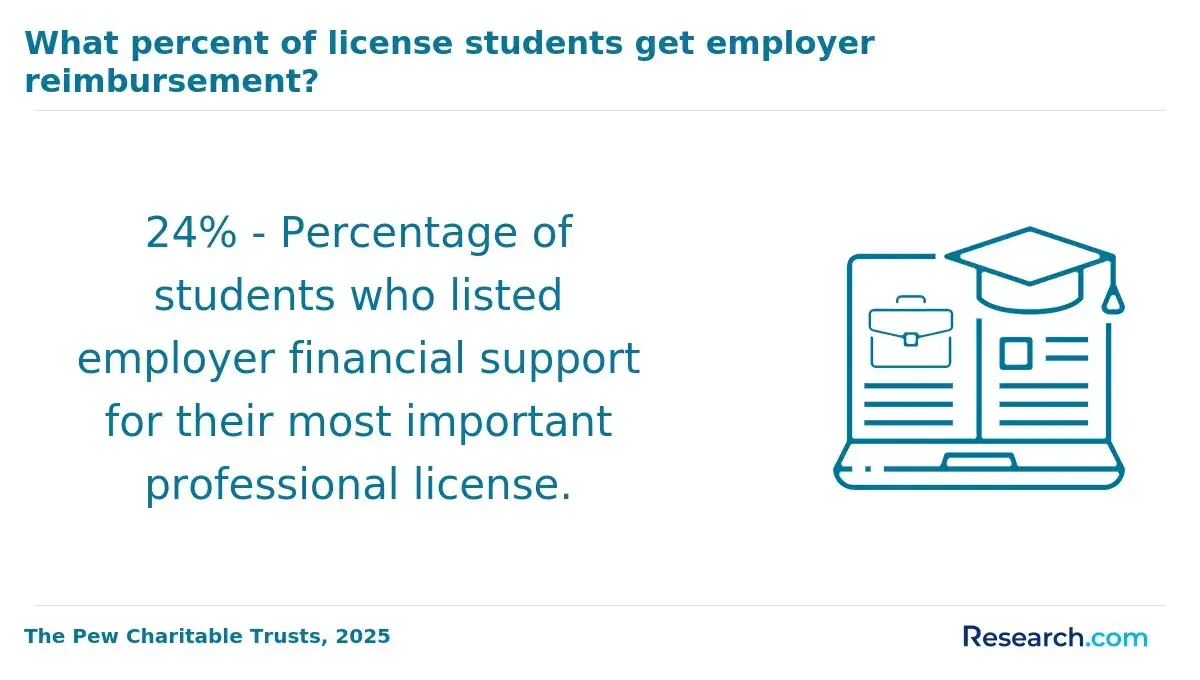
- Exploring employer tuition reimbursement policies, mindful that accreditation and degree relevance influence eligibility and support.
From an employer perspective, completing an accredited master's within a reasonable timeframe signals proficiency in project management and contemporary information technology skills. This balance between timely graduation and affordability directly affects employability and adaptability in the competitive landscape of library and information science careers.
What core courses and specializations are offered in online LIS master's curricula?
Master's programs in library & information science focus on foundational skills such as information organization, cataloging, reference services, and information retrieval systems, which align tightly with employer demands for accuracy and user-centered design. Specializations, including archives and records management, digital libraries, and knowledge management, enable students to tailor their education to specific professional contexts. For instance, archivists in government roles depend heavily on records management, while digital librarians prioritize metadata standards and digital collections at academic institutions.
Accreditation by the American Library Association enforces a curriculum balance between theory and applied skills to meet job-market relevance. Increasingly, employers seek proficiency in emerging technical areas like database management and data analytics, which prompts programs to incorporate coursework on information technology integration and user experience design.
Practical challenges arise for remote learners given that niche specializations and required internships or practicums are often limited in online formats. Decisions about program selection must weigh course delivery against specialization availability and hands-on experience opportunities. Programs offering embedded career services can mitigate placement difficulties by fostering industry connections and networking, which are vital for translating academic credentials into employment.
What career services do the best online LIS master's programs provide?
Effective online master's programs in library and information science address a common barrier for remote students by embedding practicum or internship experiences aligned with partner organizations. This hands-on component is essential for gaining relevant skills where local industry access is limited. Additionally, these programs provide tailored job placement support that targets distinct LIS career paths, from academic digital archiving to public library administration, reflecting the profession's inherently diverse employer landscape.
For example, students pursuing roles in university-based digital archives benefit from advisors familiar with grant writing and academic library systems, whereas those aiming for leadership in public libraries require access to state certification insights and administration seminars. Graduate admissions criteria often mirror these demands: the University of Kentucky's online MSLS requires at least a 3.0 GPA, indicating the level of rigor expected by employers who prioritize advanced analytical and communication skills.
Beyond graduation, top programs maintain ongoing career engagement through exclusive alumni job boards, mentorship from current LIS leaders, and discounted professional association memberships. Such ongoing support acknowledges the LIS field's need for continuous credentialing and evolving specialization. These layered services emphasize that program value extends past initial degree completion to sustained workforce integration and advancement.
What jobs can you get with an online master's in library and information science?
An online master's in library and information science equips graduates for roles ranging from academic librarians to information systems managers, but the real-world application varies significantly by sector and specialization. For example, a librarian focusing on academic settings must excel in research support and digital literacy, while an information systems manager often implements enterprise data platforms across business or government contexts. This divergence demands that job seekers assess how their chosen specialization aligns with evolving employer needs.
Practical career shifts, such as moving from traditional librarianship to a data governance role in finance, frequently require supplementary credentials in areas like cybersecurity or database management, even when the MLIS credential lays the foundational knowledge. State licensing and certification, which vary widely, impose additional complexity for prospective students planning regional employment.
Labor projections from the U.S. Bureau of Labor Statistics indicate a moderate 9% growth for information professionals overall, but roles emphasizing data analytics and systems expertise show stronger expansion. Employers increasingly favor candidates who integrate theoretical knowledge with technical proficiency and real-world internship experience, making program support services a critical consideration.
- Drexel University Online's MLIS holds a high national rank (13th overall) and is top-rated in Information Systems, indicating strong industry alignment
- Specializing in health informatics or information policy can improve targeted job placement and salary potential
- Understanding regional licensing requirements and potential credential gaps is essential before program enrollment
What are the salary expectations and job outlook for LIS master's graduates?
Starting salaries for master's graduates in library and information science typically range from $50,000 to $65,000 annually, with variations based on location, sector, and role. Mid-career professionals in specialized roles such as digital asset management or data curation often earn between $70,000 and $85,000, reflecting the premium on technical expertise in corporate settings. The U.S. Bureau of Labor Statistics forecasts a 9% growth in information specialist jobs through 2032, signaling steady demand amid increasing data governance needs.
Employment contexts affect compensation and career trajectory significantly: public library roles tend to offer stability but lower wages, whereas corporate, academic, and museum positions provide more competitive pay and advancement opportunities. Graduates targeting leadership or technical roles must develop advanced skills in metadata standards, data analytics, or archival technologies to enhance earning potential.
Location-driven tradeoffs are notable. Urban centers often pay more yet require onsite presence and commuting obligations; smaller markets favor work-life balance with lower salaries. For working professionals, programs like the online MLIS from Denver University, which combines a 75-hour internship or capstone with a 21-27 month timeline, address employer demands for measurable practical experience. Navigating these factors requires balancing current responsibilities, desired outcomes, and local job market realities.
How can you choose a reputable online LIS master's program that fits your goals?
Selecting an online master's in library and information science demands scrutiny beyond surface factors like program length or price. For instance, while St. John's University charges $1,815 per credit hour, its value depends on measurable career outcomes such as job placement rates and employer recognition. High tuition must translate into tangible workforce advantages-strong employer networks, specialized skill development, or internship pipelines-to justify the investment.
Accreditation by the American Library Association remains a non-negotiable baseline, ensuring your credential aligns with hiring standards and eligibility for professional certification. Yet, beyond credentials, prospective students should analyze the degree's curricular fit with their career targets, whether public librarianship, archival specialization, or data management roles. Programs with project-based learning or relevant concentrations can better prepare candidates for practical challenges they'll face.
Working professionals must also consider scheduling flexibility and asynchronous delivery to avoid program delays or added costs. Comparing total credit requirements against outcomes-like employment rates verified by sources such as the Bureau of Labor Statistics-is critical to avoid overpaying for prestige without career advancement.
- Prioritize programs with documented career support, including internship access and employer partnerships.
- Evaluate tuition in relation to actual job market impact, not just name recognition.
- Match curriculum to your intended LIS discipline to maximize job readiness.
- Consider program flexibility to accommodate full-time work without extending time to degree.
Ultimately, a strategic choice balances cost, practical curriculum alignment, and proven career outcomes, reducing wasted time and maximizing long-term position stability within LIS fields.
Other Things You Should Know About Library & Information Science
Choosing between technology-focused and theory-heavy programs depends on your career goals. Employers in public libraries and archives emphasize practical skills in digital catalogs, metadata standards, and information retrieval systems. Conversely, research institutions and academic roles often require stronger theoretical understanding for knowledge organization and user behavior analysis. Prioritize technology training if you want immediate, hands-on abilities valued by most employers; select theory-rich programs if you aim for long-term strategic roles or advanced research opportunities.
Online programs tend to require the same total credits and assignments as campus-based ones but demand more self-discipline and time management. Without structured class times, students face heavier responsibility for pacing coursework alongside work or family. Expect a mix of asynchronous modules, group projects, and synchronous sessions that may occur outside traditional hours. Carefully assess your personal schedule and learning style to ensure you can handle the independent workload without compromising quality or professional obligations.
Online degrees inherently reduce spontaneous face-to-face interaction, which affects informal networking opportunities typical on campus. However, many top programs offer virtual career fairs, alumni groups, and mentorship options to compensate. For career services to be effective, prioritize programs with robust online community engagement and employer connections. If direct networking is critical to your job search strategy, supplement online study with active involvement in local professional associations or internships.
Employer acceptance of online degrees in library & information science depends largely on program accreditation and reputation rather than delivery mode. Accredited programs from established universities hold equal weight with traditional degrees in hiring decisions. That said, some conservative employers may still prefer campus-based credentials for specialized roles. To address this, choose programs with clear, demonstrable outcomes and maintain strong professional certifications or experience alongside your degree.
References
- 2025's Top Programs: Online Master's in Library Science (MLIS) https://www.onlinemastersdegrees.org/best-programs/library-science-mlis/
- Online Master’s in Library Science https://www.mastersindatascience.org/programs/masters-in-library-science/
- Alternative Career Paths Utilizing Library Science Skills https://www.librariancertification.com/alternative-career-paths-utilizing-library-science-skills/
- Master's in Library Science Career Pay & Salary https://www.mastersinlibraryscience.org/careers/salary/
- Guide to Online Masters Accreditation - MIA Digital University https://miauniversity.com/guide-to-online-masters-accreditation/
- Most Affordable MLIS Programs Online, Updated for 2025 https://www.librarysciencedegrees.org/programs/online/most-affordable-mlis
- Online Master of Library and Information Studies https://www.ualberta.ca/en/school-of-library-and-information-studies/programs/online-mlis.html
- 5 Key Courses In A Master’s In Library Science Program - GradSchoolHub.com https://www.gradschoolhub.com/lists/5-key-courses-masters-library-science-program/
- Explore Librarian Salary, Jobs, and Careers in Library Science https://teach.com/online-ed/education-degrees/online-masters-library-science/librarian-careers/