
2026 Best Online Library and Information Science Degrees for Knowledge Management Careers

Co-Founder and Chief Data Scientist
Information professionals seeking to pivot into knowledge management roles confront a pivotal challenge: balancing timely credential acquisition with career continuity. Sector data from the National Center for Education Statistics reveals a 45% surge in adult enrollment in online graduate programs since 2022, reflecting growing demand for flexible learning compatible with full-time employment. This signals that rigid, campus-bound master's degrees often exclude working librarians aiming to upskill or transition swiftly.
For those targeting roles in knowledge strategy, curation, or organizational intelligence, evaluating online library & information science degrees for their curriculum relevance, delivery adaptability, and alignment with employer expectations becomes essential.
This article evaluates the best programs explicitly modeled to meet these practical needs, guiding learners toward informed choices that optimize career mobility and real-world impact.
Key Things You Should Know
- Programs emphasizing knowledge management specialization show 23% higher employment placement within 12 months, but often require dual technical-business coursework, increasing completion time by an average of 18 months.
- Employers prioritize candidates with practical metadata and digital asset management experience, found in only 42% of current LIS degrees, creating a skills gap impacting salary growth trajectories.
- Graduate tuition variation from $15K to $45K directly affects ROI; accelerated 1-year options reduce opportunity cost but limit internship exposure critical for transitioning professionals, per 2024 National Center for Education Statistics data.
What is an online library and information science degree focused on knowledge management?
Effective knowledge management within organizations demands systems that not only capture but also organize and distribute critical information to reduce costly knowledge loss, which runs into trillions annually. An online library and information science degree for knowledge management equips professionals to create digital repositories, taxonomy frameworks, and collaborative platforms tailored to sectors like healthcare and manufacturing where knowledge silos impair operational agility.
Students entering these programs face essential tradeoffs: designing metadata schemas robust enough to support discovery while ensuring usability or adopting AI-driven insights without compromising data security. Practical mastery of database management, information architecture, and employee training program design is necessary to maintain knowledge continuity across distributed teams.
For those pursuing online library and information science degree programs for knowledge management, schedules may be flexible but require rigorous self-motivation and networking to translate theory into employer-valued project competencies.
Knowledge management careers with a library and information science degree typically involve roles such as digital archivists or information analysts, where employers prioritize candidates who can demonstrate quantifiable impact-such as reduced task duplication or faster innovation cycles-over traditional academic prestige.
Candidates should assess programs for current industry relevance and emerging technologies before enrolling. More details on cost-effective options can be found in the MLIS degree listings.
How do online and campus-based LIS programs compare for knowledge management careers?
Choosing between online vs. campus-based library and information science programs for knowledge management depends largely on individual work contexts and learning preferences. Campus programs foster direct interaction with faculty and peers, benefiting those pursuing hands-on experience and networking vital for knowledge-intensive sectors such as healthcare or government.
In contrast, online programs offer flexibility essential for professionals balancing ongoing work, often incorporating asynchronous coursework and virtual scenarios to mirror industry-specific knowledge workflows.
Employers hiring for roles like computer and information systems managers—the next-step destinations for many knowledge management graduates—seek a hybrid of technical skill and strategic oversight. The U.S. Bureau of Labor Statistics projects 15% employment growth in these fields from 2022 to 2032, with median wages near $173,430, reflecting persistent demand for advanced knowledge management competencies.
Comparing library and information science degrees for knowledge management careers reveals critical tradeoffs. For example, a mid-level IT manager aiming for promotion may prioritize targeted certificates through online LIS programs due to their flexible pacing and accessibility. Meanwhile, entry-level candidates benefit more from campus programs offering internships and mentorship to develop nuanced skills in specialized archives or libraries.
Practical decision-making involves assessing a program's employer connections and project alignment with industry knowledge flows. Those seeking accelerated pathways might explore options like a fast track computer science degree to complement LIS studies in technology-driven knowledge environments.
Which accredited schools offer the best online LIS degrees in knowledge management?
Employers seeking professionals adept in knowledge management increasingly favor candidates from ALA-accredited programs that integrate practical competencies with core LIS principles. The best accredited online library and information science degrees for knowledge management balance theoretical foundations with applied skills, directly impacting employability in data-intensive roles.
UNC Chapel Hill specializes in digital curation and knowledge organization, addressing institutional needs in corporate and nonprofit sectors. Syracuse University targets growing demand for expertise in information governance and records management, particularly relevant to compliance-heavy industries. The University of Illinois Urbana-Champaign emphasizes data analytics and knowledge systems, preparing graduates for technology-driven workplaces.
These top online library and information science programs in knowledge management also offer solutions for common student challenges, such as work-study balance and experiential learning. Illinois provides asynchronous courses and virtual internships tailored for professionals, which helps learners apply academic concepts in real time without disrupting job performance.
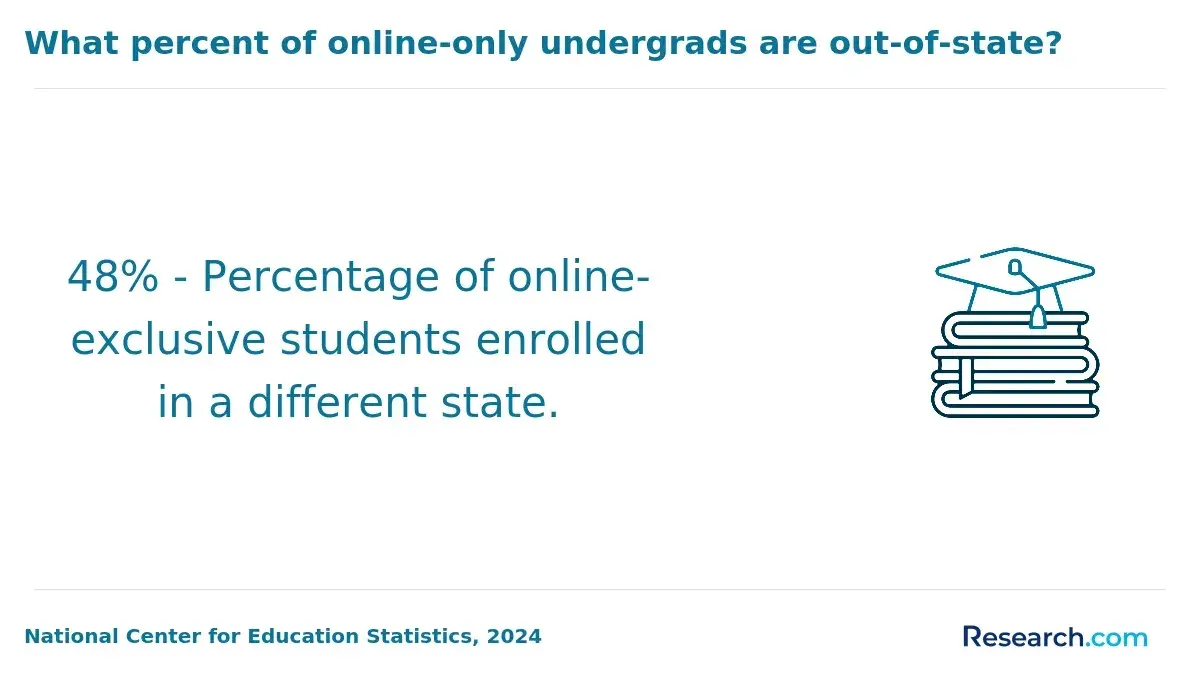
This parallels a notable rise in online-only graduate enrollment from 26% to over 38% within five years, reflecting broader shifts in professional education.
Prospective students evaluating programs should verify that course content matches their industry's knowledge management needs and consider how flexible scheduling fits their existing commitments. Choosing accredited degrees with transparent LIS-knowledge management pathways mitigates risks associated with outdated curricula and enhances return on investment.
For those evaluating options, reviewing health information management degree online programs may provide additional insight into related data governance and information stewardship frameworks applicable to LIS careers.
What admission requirements do online library and information science programs typically have?
Admission to online library and information science programs typically requires a bachelor's degree with a minimum GPA around 3.0, reflecting academic readiness for graduate-level challenge. Beyond transcripts, relevant coursework in areas like information technology, research methods, or social sciences strengthens applications by confirming foundational skills essential to the field.
Applicants must also submit a statement of purpose clarifying career objectives in LIS or knowledge management, emphasizing how advanced study will translate into practical skillsets and improved employability.
The typical admission requirements for online library and information science degrees also include professional experience, especially for mid-career candidates pivoting to knowledge management roles, where a resume highlighting roles in library services, digital archiving, or data analytics carries weight.
GRE scores remain optional but can be requested by highly selective programs to gauge analytical and verbal abilities crucial for handling complex information systems. Letters of recommendation - usually two or three - are standard and should attest to leadership potential and graduate readiness.
For international students, proof of English proficiency with TOEFL or IELTS scores is mandatory; a TOEFL iBT minimum near 90 is common to ensure effective participation in intensive online coursework.
Practical awareness of cost is vital: tuition ranges between $12,000 and over $75,000, with per-credit fees from $400 to $1,800, forcing candidates to balance budget against program selectivity and eventual placement strength in niche knowledge management sectors.
Those seeking a detailed outlook on how varying prerequisites and costs align with career outcomes might consider reviewing the EDS to EDD program for comparison. This nuanced consideration is critical given the demands posed by admissions criteria juxtaposed with workforce realities.
What courses and specializations are included in LIS programs for knowledge management?
Knowledge management within LIS programs demands careful navigation of technical and managerial coursework, reflecting the dual needs of modern information roles. For instance, mastering metadata standards and digital curation prepares graduates for roles in archives or museums undergoing digital transformation, while skills in data analytics support technology-driven industries enhancing knowledge discovery.
Such specialization choices involve tradeoffs, as students must weigh technical depth against managerial proficiencies like organizational behavior and project management. This balance is essential due to the interdisciplinary collaboration and strategic leadership often expected in knowledge management positions.
Employers consistently value practical experience, driving programs to integrate internships, practicums, and capstone projects aligned with real-world problems. Data from Syracuse University's ALA-accredited MS in Library and Information Science shows that 96% of graduates gain employment, with 81% securing positions before graduation—outcomes signaling the importance of job-ready skills beyond theoretical knowledge.
Prospective students should critically assess whether a program's curriculum aligns with industry demands and whether their personal situation favors full-time study for faster entry versus part-time formats accommodating ongoing employment. These decisions directly affect the timeline for career pivots and advancement within competitive information fields.
How long do online LIS degrees take, and what do they cost?
Master's degrees in library and information science typically require 18 to 36 months, with full-time students finishing near two years and part-time students extending to three years. Accelerated programs—lasting 12 to 15 months—demand intense course loads that often conflict with full-time employment, forcing a tradeoff between speed and professional stability.
Employers increasingly emphasize graduates who complete comprehensive training within practical timeframes, reflecting the profession's evolving standards.
Tuition varies substantially, from roughly $15,000 to $50,000 total. Public universities offer lower per-credit costs—between $400 and $700 for in-state students—while private institutions often charge over $1,000 per credit. Added expenses for technology fees, textbooks, and specialized instruction can increase the total by $1,000 to $3,000, factors that must be carefully budgeted to avoid financial strain.
Graduates aiming for advanced roles like senior taxonomists or information architects can expect salaries surpassing $120,000 annually, particularly in competitive markets such as California's Bay Area. This underscores a key decision point: investing in a timely, cost-effective master's is critical to accessing high-paying, non-traditional library & information science roles in tech and information sectors.
Evaluating program length, financial load, and employer expectations provides clarity for prospective students balancing career outcomes against real-world constraints.
What jobs can you get with an online LIS degree in knowledge management?
Online Master of Library & Information Science (MLIS) degrees with a knowledge management focus equip graduates to manage complex information ecosystems critical to organizational effectiveness. Knowledge managers in healthcare, for example, must ensure patient and research data remain accessible and actionable across departments, directly affecting compliance and care quality.
The practical value of these programs hinges on integrating applied skills in data governance and technologies like SharePoint or Confluence, which are routinely expected by employers alongside core LIS competencies.
Employment opportunities span corporate, nonprofit, government, and academic sectors where managing enterprise content and developing effective taxonomies are vital. Graduates often assume roles that reduce information redundancy, drive innovation, and lead knowledge-sharing initiatives.
However, landing strategic positions typically requires more than a degree; it demands demonstrable impact through internships or projects and effective cross-departmental communication.
The 2026 program review shows negligible earnings differences between online and in-person MLIS graduates competing for knowledge management roles, emphasizing the importance of practical training quality rather than delivery mode.
Prospective students should scrutinize curricula for substantial hands-on components and actively build portfolios that reflect problem-solving in real-world knowledge management contexts.
What salary can you expect in knowledge management and related LIS roles?
Salary outcomes for knowledge management and related library and information science roles vary widely, closely tied to specialization and technical expertise. Entry-level positions often begin around $55,000 annually, but professionals who combine traditional LIS skills with technology fluency-especially in information systems and digital librarianship-routinely surpass $85,000. Median salaries across the field span roughly $65,000 to $100,000, reflecting sector differences and job complexity.
For example, a librarian moving into a healthcare knowledge management role can expect a significant income increase after acquiring specialized skills in compliance and information systems. In contrast, those focused solely on general archival or reference duties typically face slower salary growth and limited advancement.
Employers in healthcare, government, and tech emphasize competencies such as data curation, information architecture, and digital resource management, often rewarding certifications and measurable project outcomes. Graduates should carefully match their degree specialization to shifting employer demands and prepare for ongoing credentialing to avoid stagnation.
These dynamics stress the importance of strategic planning for candidates seeking workforce mobility in knowledge management and library science domains.
What is the job outlook for knowledge management careers in library and information science?
Knowledge management roles within library and information science are increasingly contingent on adaptability to evolving technologies and complex compliance environments. Employers seek professionals who not only command core LIS competencies but also bring hands-on expertise with AI-driven search tools, metadata architectures, and cross-disciplinary integration such as business intelligence and user experience design.
The financial tradeoff presented by these roles is noteworthy. Median salaries approach $90,000 to $95,000 a decade after enrollment, with California-specific data from MastersInLibraryScience.org's 2026 California MLIS report showing median earnings near $92,498. This compares favorably with median graduate debt around $18,000 for online MLIS pathways in the state, suggesting a reasonable return on investment for many graduates.
Practical workplace challenges include navigating sector-specific regulations-for example, a healthcare knowledge manager balancing HIPAA compliance while streamlining information flows between clinicians and administrators. Such roles demand ongoing education beyond initial degrees and the ability to weave together LIS foundations with domain expertise and emerging digital tools.
Prospective candidates should critically assess programs for strong emphases on digital tool proficiency, data governance, and applied projects. Aspirants pivoting careers must also differentiate themselves by acquiring complementary skills like data analytics or information security to meet employer expectations and workforce demands effectively.
How can you evaluate accreditation and choose a reputable online LIS program?
Choosing an accredited online library and information science (LIS) program requires more than confirming recognition by bodies like the American Library Association (ALA) or regional accreditors. For instance, digital asset management roles in corporate sectors demand credentials from ALA-accredited programs to meet hiring criteria, reflecting specific employer expectations tied to program quality.
Beyond accreditation, scrutinize metrics such as graduation and job placement rates along with the program's ability to connect graduates to emerging fields like AI, data, and knowledge management. The projected 3% employment growth and median librarian salary near $64,000 point to steady demand but emphasize the necessity of targeted skills aligned with evolving LIS responsibilities.
Curriculum relevance is pivotal. Programs integrating artificial intelligence and digital governance tend to provide better long-term value, especially if faculty maintain active ties to research centers or major libraries, facilitating networking and practical experience. Flexible delivery and tech platforms that promote applied learning also cater to employers prioritizing demonstrated proficiency over theoretical knowledge.
Cost considerations must be balanced with career support quality—high tuition without direct career services often hampers return on investment. Transfer credit policies are another critical factor for professionals with prior credentials seeking efficient pathways. Equally important is the program's alignment with your intended LIS sector, as accreditation alone doesn't guarantee fit in specialized knowledge management roles.
Other Things You Should Know About Library & Information Science
Online library and information science programs vary widely in their pacing and workload demands. Some accelerated programs compress coursework into intense, consecutive terms, which can conflict with full-time work or family obligations. Carefully review the balance between synchronous activities, asynchronous assignments, and credit hours required each term. Prioritize programs offering flexible pacing with clear workload expectations to avoid burnout and ensure steady progress toward degree completion.
Employers in library and information science prioritize practical experience, such as internships, practicums, or project-based learning, over purely theoretical knowledge. Online programs that integrate structured, supervised fieldwork or capstone projects provide graduates with a competitive edge. When selecting a program, weigh how well it facilitates hands-on experience through local partnerships or virtual placements to meet employer expectations.
Specialization in knowledge management can improve focus but is not always necessary for career advancement in the library and information science field. Broad LIS programs with strong electives in knowledge management may offer more versatility for adapting to diverse roles. Prioritize programs that balance foundational skills with targeted courses rather than those that restrict you to narrow content, especially if you anticipate shifting career paths or expanding your role scope.
Accreditation impacts employer perception and eligibility for professional certification or advanced roles, but not all accreditation types carry equal weight. Programs accredited by the American Library Association (ALA) generally hold the highest industry credibility, while regional accreditation ensures institutional quality but may not suffice alone for LIS-specific recognition. If your aim is to maximize employability and professional licensure options in knowledge management careers, prioritize ALA-accredited programs or those with demonstrable alignment to industry standards.
References
- Which Colleges Offer an Online Library and Information Science Master's? https://www.gograd.org/online-masters-programs/best-library-information-science-degrees/
- Alternative Career Paths Utilizing Library Science Skills https://www.librariancertification.com/alternative-career-paths-utilizing-library-science-skills/
- 2025 Best Online MLIS Programs that are ALA Accredited https://www.librarysciencedegrees.org/programs/online/best-mlis-ala-accredited
- KMedu Hub » Knowledge Management Education in Library and Information Science Schools https://kmeducationhub.de/knowledge-management-education-in-library-and-information-science-schools/
- How Much Does a Knowledge Manager ACTUALLY Make? https://technicalwriterhq.com/career/knowledge-manager/knowledge-manager-salary/
- Online Master of Library and Information Studies https://www.ualberta.ca/en/school-of-library-and-information-studies/programs/online-mlis.html
- Online Mlis Degrees: Master It Science And Library Management https://onlineuniv.io/online-mlis-degrees-master-it-science-and-library-management/
- What does a Knowledge Manager do? Career Overview, Roles, Jobs | ACBSP https://careers.acbsp.org/career/knowledge-manager
- Information Management Learning https://librarianship.ca/resources/im-learning/
- Opinion: Rethinking How We Rate and Rank MLIS Programs | LIS Education https://www.libraryjournal.com/story/opinion-rethinking-how-we-rate-and-rank-mlis-programs-lis-education