2027 Marketing Specializations With the Broadest Career Mobility

Co-Founder and Chief Data Scientist
Choosing a marketing specialization often feels like a gamble with one's career trajectory. The pressure to commit to a niche with broad applicability-amid shifting employer demands and an influx of online credentials-intensifies this decision. According to recent data from the National Center for Education Statistics, adult learners now represent 41% of postsecondary enrollments, signaling a shift toward flexible, career-aligned education options. This trend reflects growing demand for specializations that combine adaptability with clear pathways to advancement, especially for those balancing work and study.
This article identifies marketing specializations that offer the greatest career mobility, helping readers strategically align education choices with long-term professional growth.
Key Things You Should Know
- Data from the U.S. Bureau of Labor Statistics shows digital marketing specialization offers 15% faster job growth than traditional marketing, but demands continuous tech skill upgrades, causing timeline and cost tradeoffs in reskilling.
- Employers prioritize candidates combining data analytics and creative strategy; 68% of hiring managers in a 2024 Deloitte survey reported difficulty finding talent with both, intensifying competition and segmentation within marketing roles.
- Certifications in marketing automation yield 20% higher starting salaries according to Gartner, yet accessibility varies widely by region and provider cost, limiting equitable career mobility despite clear earnings advantages.
Which marketing specializations offer the broadest career mobility across industries and roles?
Career flexibility in marketing is anchored in roles that combine technical proficiency with cross-industry applicability, particularly digital marketing, product marketing, and data analytics. Digital marketing managers command a median wage of $161,030, reflecting sustained employer demand and the necessity to master platforms that span SEO, PPC, content creation, and social media. Their skills transfer fluidly between sectors such as retail, healthcare, and finance, which positions digital marketing as one of the marketing specializations with highest career flexibility.
Product marketing requires balancing deep customer insights with product lifecycle understanding, enabling professionals to shift between consumer goods and B2B SaaS environments without extensive retraining. Data analytics complements these fields by decoding performance metrics and consumer behavior, extending relevance beyond marketing into operations and sales roles. Without fluency in these areas, candidates encounter narrower job prospects and limited progression.
In practice, transitioning between industries-say, from e-commerce to healthcare-entails mastering specific regulatory or compliance nuances, not just replicating campaign skills. Continuous upskilling is essential to mitigate such friction. Selecting a program, like a project management degree, that integrates real-world marketing technology exposure can facilitate this process.
The most versatile marketing career paths across industries require a foundation in digital platforms, analytics, and product positioning, ensuring the adaptability that employers value when aligning marketing tactics with business objectives.
How do general marketing, digital marketing, and brand management compare for long-term career flexibility?
Long-term career flexibility in general marketing versus digital marketing presents a clear practical tradeoff between breadth and specificity. General marketing skills-covering market research, consumer psychology, and strategic communication-enable professionals to transition across sectors such as retail, healthcare, and technology without deep retraining. However, this adaptability requires consistent digital upskilling to avoid skill obsolescence as data-driven tactics dominate hiring. Conversely, digital marketing specialization focuses on SEO, paid media, email automation, and analytics, aligning well with tech-forward, digitally mature companies but limiting lateral moves in traditional industries reliant on legacy approaches.
Brand management career mobility and growth opportunities tend to concentrate within defined sectors like consumer packaged goods (CPG) or luxury retail, where understanding brand equity and mastering cross-channel integration underpin hierarchical advancement and compensation growth. A senior brand manager in these fields may experience robust wage increases, but switching to technical marketing roles or unrelated areas without digital fluency or market research background remains difficult.
Prospective students weighing these paths should consider employer demand trends and sector stability, especially when aiming to balance specialization against broad market agility. Those seeking varied career options may explore a sports management degree as an alternative pivot in growth industries, offering distinct workforce entry points outside traditional marketing roles.
What degrees or certificates do you need to enter versatile marketing roles?
Degree paths for versatile marketing careers generally begin with a bachelor's in marketing, business administration, or communications, but practical relevance now trumps theoretical breadth. Academic programs that integrate data analytics, digital advertising, and consumer behavior deliver superior ROI alignment with employer expectations, particularly in performance-driven environments.
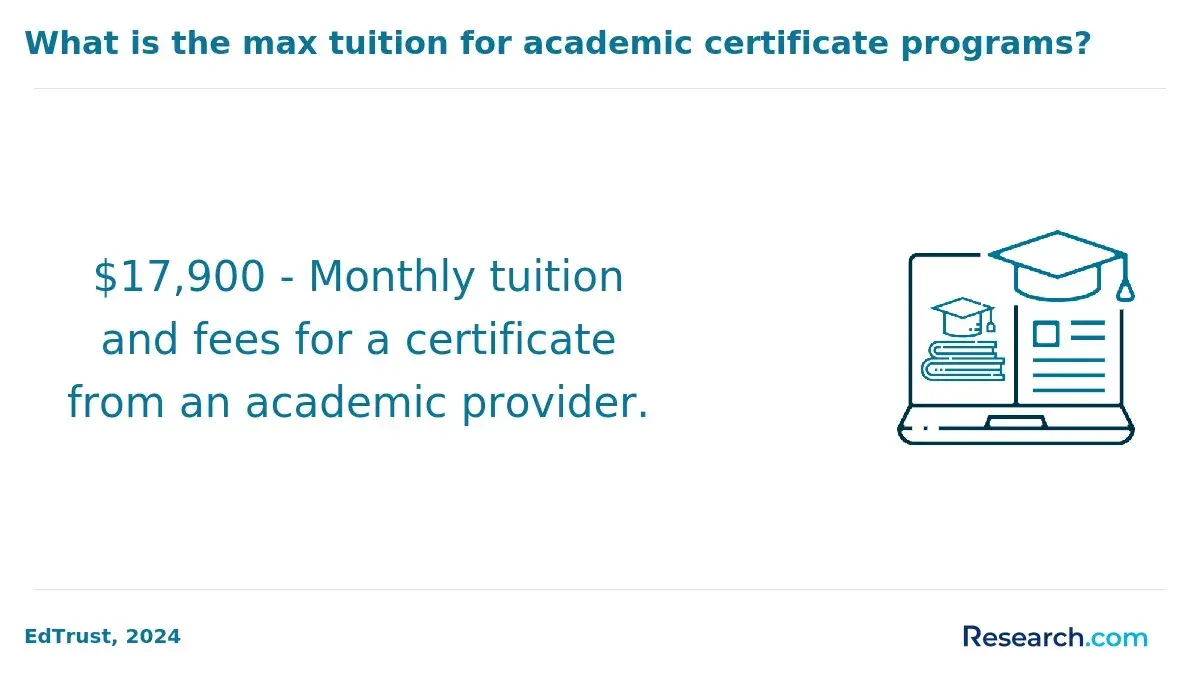
Certificates targeting skills like digital marketing, SEO, content strategy, or growth hacking serve professionals seeking focused upskilling or strategic career pivots without the time or expense of a full degree. Remote growth marketing positions in 2025 averaged $80,000 annually, with senior roles commanding up to $140,000-evidence that digital expertise combined with strategic insight remains highly valued. Candidates without degrees who present certificates backed by project portfolios or consulting experience can access mid-level roles, especially in startups or agencies prioritizing demonstrable skills over formal credentials.
New entrants should weigh program length and cost against specific employer demands. For instance, SaaS marketing applicants benefit more from mastery of SaaS-focused CRM and analytics than broad marketing theory, whereas retail marketing requires certifications emphasizing customer experience and omnichannel tactics. Continuous learning is essential; employers increasingly demand documented continuing education or project outcomes to verify up-to-date proficiency and avoid career stagnation.
Those evaluating academic options might consult detailed comparisons of social media degrees to identify programs that balance foundational knowledge and current market relevance.
How do online marketing programs compare with campus programs for career mobility?
Career mobility benefits of online marketing education hinge on balancing curriculum relevance with practical application and employer expectations. Online marketing programs often match campus formats in employer recognition when they emphasize hands-on experience and industry-standard tools. This parity allows professionals to upskill without career interruption, accelerating transitions into lucrative specializations like product marketing, which commands a median salary of $160,004 with projected 9.8% job growth in 2025, according to GTM 8020.
Employers increasingly prioritize demonstrated skills and measurable project outcomes over traditional instruction modes, placing graduates from credible online marketing programs on near-equal footing with campus counterparts. That said, campus programs still provide structured networking, internship opportunities, and career services that remain vital for breaking into competitive sectors like B2B product launches or tech marketing teams.
For example, a mid-career professional pursuing an online product marketing certification while working can use live projects to build a portfolio attractive to employers adapting rapidly to innovation cycles. Conversely, new campus graduates often struggle securing internships absent concurrent work experience, limiting immediate career mobility despite institutional branding.
Tradeoffs include program intensity and networking access. Online learners must actively seek external mentorships or virtual industry events to offset weaker alumni networks, whereas campus learners benefit from embedded peer collaboration but face less flexible schedules, potentially delaying career pivots. Those evaluating online marketing programs vs campus programs career mobility should focus on outcomes tied to specialization pay scales, employer partnerships, and practical projects rather than format alone.
Additional details for professionals weighing program formats can be found in online accelerated project management degree programs, which parallels many considerations relevant to marketing education pathways.
What core courses and skills build a foundation for switching marketing specializations later?
Switching marketing specializations demands more than surface-level skills; it requires a solid foundation in data analytics, consumer behavior, digital marketing, and statistics. Professionals who master quantitative analysis and data-driven decision-making can pivot more effectively, such as moving from customer segmentation to AI-driven personalization without relearning core concepts. For example, a marketer adept in predictive modeling can transition smoothly between roles like marketing data scientist and AI marketing strategist.
Key technical competencies such as SQL, Python, and Google Analytics have become baseline expectations for advanced marketing positions. These skills, when coupled with critical thinking in experimental design and campaign analysis, reduce friction when changing focus from creative brand management to performance marketing or analytics-driven roles.
Practical experience remains essential; employers prioritize demonstrated impact over theoretical knowledge alone. Soft skills-project management, agile methodologies, and cross-functional communication-further ease transitions by aligning marketing efforts with sales, product, and tech teams.
- Marketing data scientists earned an average salary of $156,000 in 2025
- AI marketing strategists earned an average of $148,000, illustrating a premium on analytics expertise
However, advancing into specialized domains like AI marketing strategy requires deeper upskilling in machine learning beyond general digital campaign competencies. Without a curriculum rooted in data fluency and strategic soft skills, lateral moves often involve costly retraining and decreased employability.
How do admissions requirements differ among flexible marketing programs and specializations?
Admissions criteria for flexible marketing programs reflect distinct employer expectations and career pathways, creating a divide between advanced and entry-level tracks. Programs tailored for enterprise-level roles-where remote SEO managers command $85,000-$135,000 annually with top brackets exceeding $150,000 according to Amra & Elma-commonly require prior industry experience or relevant undergraduate credentials. Instead of standardized tests, these programs prioritize portfolios and measurable achievements in digital analytics, content strategy, or paid media management.
Conversely, flexible specializations aimed at newcomers or career changers lower entry barriers by accepting candidates lacking formal marketing backgrounds. These tracks emphasize foundational coursework and favor demonstrated quantitative reasoning, critical thinking skills, or related work experience in fields like communications and business.
Choosing between these pathways demands careful appraisal of one's timeline, background, and financial capacity. Advanced programs offer accelerated income growth but are often inaccessible to mid-career professionals without marketing exposure. Entry-level routes admit broader cohorts but extend time and cost before reaching lucrative salary tiers.
Additional factors include evaluating remote work readiness and undergoing skill-based assessments focusing on data interpretation and campaign execution instead of traditional exams. Prospective students should secure detailed admissions rubrics and alumni employment data specific to their targeted flexible marketing specialization to make informed decisions aligned with their career objectives.
What are typical program lengths and total costs for mobility-focused marketing degrees?
Marketing degrees with a focus on mobility require carefully balancing program length, cost, and employer expectations for relevant skills. Certificate and associate credentials often span 12 to 24 months, offering quicker entry points but limited depth. Bachelor's programs typically demand 3 to 4 years, suitable for foundational knowledge. Master's degrees in digital and social marketing mobility usually take 1 to 2 years, though part-time or accelerated options can extend up to 3 years. Students must consider the tradeoff between comprehensive study and accelerated timelines, especially as employers prioritize hands-on experience with mobile advertising platforms and remote collaboration tools.
Cost factors significantly vary: public in-state undergraduate tuition averages $10,000 to $15,000 annually, while private institutions exceed $30,000 per year. Online master's programs targeting remote marketing skills range from $15,000 to $30,000 total, and shorter certificate programs (costing $2,000 to $7,000) provide flexible options for working professionals. This cost differential aligns with program depth and the inclusion of practical components like remote internships or virtual client projects, which are increasingly expected.
Workforce realities-such as 84% of marketing professionals working remotely part-time and 68% inclined to leave if required to return full-time onsite (Amra & Elma, 2025)-underscore the importance of selecting accredited programs offering virtual experiential learning. For a digital marketing manager transitioning into roles demanding social media mobility, investing in project-based curricula within compressed timelines is critical to maintain relevance without extended downtime.
Which marketing specializations lead to the widest range of job titles and career paths?
Specializing in digital, content, or influencer marketing shapes the broadest and most adaptable career pathways within the marketing field, enabling transitions across diverse roles and industries. Digital marketing skills support positions such as digital strategist, SEO specialist, PPC manager, and analytics consultant, which commonly transfer between sectors like e-commerce and healthcare communications by adjusting to industry-specific data demands and regulations.
Content marketing roles encompass content strategist, editorial manager, and brand storyteller, blending creativity and strategy, while influencer marketing's contract-oriented opportunities are growing, including influencer relations management and talent acquisition for digital creators. However, deep expertise in traditional marketing methods, such as print or broadcast, typically restricts mobility due to limited applicability beyond specialized domains.
Employers increasingly prioritize candidates with a combination of technical fluency-especially in analytics and content creation-and strong skills in managing partnerships. Nearly 77% of marketing leaders expect to expand contract talent usage for specialized expertise, emphasizing the value of adaptability and relationship management.
Professionals must weigh the benefits of focused specialization against broad digital literacy to maximize employability across contract and permanent roles. For example, a digital marketing professional can pivot effectively to adjacent fields like UX research or social media management by leveraging overlapping competencies, whereas niche sales enablement experts may face narrower lateral options.
What salary ranges and job outlook can you expect from broad-based marketing careers?
Marketing professionals with technical skills in operations and automation secure distinct advantages-in salary and job stability-compared to generalist marketers. Salary ranges vary widely, typically from $55,000 to $120,000 annually, influenced heavily by skill level, industry, and location. Those proficient in data-centric tools like Python and SQL, which yielded a 30% income increase in 2025 per the GTM 8020 report, remain scarce with only 31% of marketers possessing them. This gap signals strong employer demand for candidates who blend data science competencies with creative strategy, especially in sectors where regulatory environments, such as healthcare compliance, demand tailored data handling approaches.
Entry-level pay often starts between $45,000 and $60,000 in less competitive markets but quickly rises with technical upskilling and certifications in business intelligence or CRM platforms. Candidates lacking programming aptitude for marketing technology platforms typically face limited upward mobility and salary ceilings.
Workforce projections from the U.S. Bureau of Labor Statistics estimate a 10% growth in marketing management roles through 2034, above the average for all fields. Practical advancement depends on continuous skill diversification; static marketing knowledge restricts progression, while mastery in marketing operations and automation offers resilience against economic shifts and clearer promotion pathways.
How can you evaluate accredited marketing programs that support career changes and advancement?
Accredited marketing programs must be evaluated through the lens of practical outcomes and workforce alignment rather than institutional prestige alone. Verifying accreditation from AACSB, ACBSP, or recognized regional agencies ensures academic credibility, but employer recognition hinges on curricula that directly address skills driving salary growth, such as data analytics, digital marketing, and customer lifecycle management. For example, respondents in the GTM 8020 labor market study report a median marketing salary of $84,999 in Q2 2025, marking an 8.7% increase since 2024-underscoring the financial impact of relevant skills.
Programs integrating internships, real-world projects, and industry partnerships offer tangible pathways to employment, particularly critical for career changers balancing income with reskilling. Transparency in graduate outcomes-placement rates, roles secured, and salary uplift-provides evidence beyond promotional claims. Consider a retail professional shifting to digital marketing who requires hands-on exposure to SEO, CRM, and attribution models, supported by network access for practical application. Meanwhile, marketing professionals seeking advancement within corporate functions should assess offerings in leadership and cross-channel campaign management.
Investment decisions demand balancing program costs against verified ROI, factoring in employer partnerships and alumni strength, which crucially influence recruitment and mentorship opportunities. The median salary gains concentrate on roles emphasizing customer retention and lifecycle analytics, so aligning program focus with these functions affects long-term career mobility and market relevance.
Other Things You Should Know About Marketing
Specializing early can fast-track expertise in a niche but often narrows employment options outside that focus, limiting long-term mobility. Maintaining broad marketing skills requires continued learning but allows easier shifts across roles and industries as market conditions change. For career mobility, it's advisable to start with a broad foundation and add targeted specializations progressively, based on evolving industry trends and personal career objectives.
Employers in marketing value formal degrees for foundational knowledge and credibility, especially for mid-to-senior roles. Certifications often serve as supplemental proof of up-to-date skills, particularly for specialized tools or techniques within digital marketing domains. When making decisions, prioritize earning a relevant degree first for career mobility and use certifications strategically to fill specific skill gaps or respond to fast-changing technologies.
Proficiency in Excel, SQL, Google Analytics 4, and dashboard tools such as Tableau or Power BI improves mobility across SEO, paid media, lifecycle, and product marketing. In 2027, employers commonly expect campaign reporting, A/B testing, and attribution analysis skills for roles that move between channels.
References
- How Online Courses Can Help You Reach Your Career Goals https://www.sophia.org/blog/higher-education/how-online-courses-can-help-you-reach-your-career-goals/
- Revisiting cost drivers to make mobility affordable for small and midsize mobility programs https://mobilityexchange.mercer.com/insights/article/revisiting-cost-drivers-to-make-mobility-affordable-for-small-and-midsize-mobility-programs
- Future-Proof Your Career: Top MA Online Specializations 2026 https://matchtocollege.com/blog/ma-online-specializations-2026-guide
- Home https://www.husson.edu/online/blog/2022/02/highest-paying-marketing-jobs
- Short-Term Mobility https://www.hcw.ac.at/en/international/student-mobility/short-term-mobility
- Marketing Job Titles: What Types of Roles Are Out There? https://www.aha.io/roadmapping/guide/marketing/marketing-job-titles
- What are the possible specializations of a Master's degree in marketing? - ESCE https://www.esce.fr/en/faq-all-the-answers-to-your-questions/what-are-the-possible-specializations-of-a-masters-degree-in-marketing/
- 18 jobs you can get with a Marketing degree https://www.torrens.edu.au/stories/blog/business/18-jobs-you-can-get-with-a-marketing-degree
- How to Change Careers into Marketing in Tech (Step-by-Step Guide) https://techtalkuk.co/blogs/articles/how-to-change-careers-into-marketing-in-tech-step-by-step-guide
- Marketing salaries: The trends you need to know about - EMR | Marketing, Digital & Communications Recruitment Agency https://www.emrrecruitment.co.uk/marketing-salaries-the-trends-you-need-to-know-about/