2027 Marketing Specializations for Digital Marketing Careers

Co-Founder and Chief Data Scientist
Facing an oversaturated job market where digital marketing skills fragment rapidly across emerging specialties, professionals often struggle to pinpoint which expertise guarantees sustained employability. A 2024 study by the National Center for Education Statistics reveals a 35% surge in enrollment for flexible, skills-focused marketing programs, signaling a shift toward modular learning tailored to immediate workforce demands.
This trend highlights the importance of selecting marketing specializations that balance foundational strategy knowledge with niche technical skills. Without strategic foresight, career pivots risk stagnation amidst evolving employer expectations. This article dissects key marketing specializations, emphasizing their real-world value to help navigate effective educational choices aligned with dynamic career goals.
Key Things You Should Know
- Specializing in data analytics requires 300+ hours of advanced technical training with 18% salary premiums but narrows employer pools mainly to B2B and tech sectors, per 2024 LinkedIn Workforce Report.
- Content strategy roles face a 25% employment growth through 2028, but demand demands proven cross-platform campaign success, pushing candidates toward costly multi-channel certifications, per U.S. Bureau of Labor Statistics.
- Local SEO skills offer faster ROI with median wage increases in under 12 months, yet geographic and industry-specific limits reduce long-term scalability for professionals targeting national brands, per SEMrush 2024 data.
What are marketing specializations for digital marketing careers?
Specializing within digital marketing careers means navigating distinct operational demands and employer expectations. For instance, search engine optimization (SEO) roles require ongoing adjustment to algorithms and expertise in keyword research, on-page optimization, and backlink strategies. This specialization aligns with the U.S. Bureau of Labor Statistics projection anticipating a 13% growth in market research analyst and marketing specialist jobs from 2024 to 2034, signaling sustained demand for SEO-focused graduates.
Digital professionals weighing marketing specialization options should consider the balance between hands-on skills and certification value, as some employers prioritize measurable campaign results over formal credentials. Paid advertising specialists manage budgets and evaluate ROI across platforms like Google Ads and Facebook Ads, a role necessitating precise targeting and analytical capabilities.
Content marketers, often situated in fast-changing environments such as technology or healthcare, must master audience segmentation and agile engagement tactics to navigate shifting consumer preferences. Candidates pursuing a digital marketing career specializations need to factor in these practical realities when selecting academic or professional programs.
Given the varied employer demands and volatile sector trends, choosing programs that harmonize technical training with real-world application is critical. For those interested in advanced social media roles, exploring an online social media marketing degree can provide targeted expertise for the evolving digital landscape.
Which marketing degrees best prepare you for digital marketing jobs?
Candidates aiming for digital marketing roles benefit most from degrees like bachelor's in marketing with digital emphasis, business administration with digital marketing concentrations, or communications focused on digital media. Programs that blend theory with hands-on skills in PPC, social media strategy, analytics, and ad technology best prepare graduates for managing significant digital ad budgets at agencies or in-house teams, aligning education with job realities. This practical rigor sets apart digital marketing degree programs for career readiness.
Degrees with traditional marketing focus or broad business curricula lacking digital components generally leave graduates underprepared for technical demands such as programmatic buying and platforms like Google Ads or Facebook Business Manager. In these cases, specialized digital marketing certificates or minors can help but differ widely in quality and market value.
The expanding digital advertising market, projected to exceed $740 billion in 2025 with double-digit growth, sustains high demand for paid media expertise. Students should prioritize programs with current paid media content to avoid prolonged on-the-job training and delayed progression. Working professionals pivoting into digital fields need to weigh comprehensive four-year degrees against shorter certifications offering concentrated PPC or analytics skills.
Among various options, candidates might explore construction management courses for transferable project experience, but staying within targeted marketing programs typically offers more direct pathways. Overall, selecting the best marketing degrees for digital marketing roles requires balancing curriculum relevance, practical experience, and long-term workforce demands.
Are online marketing programs accredited and respected by employers?
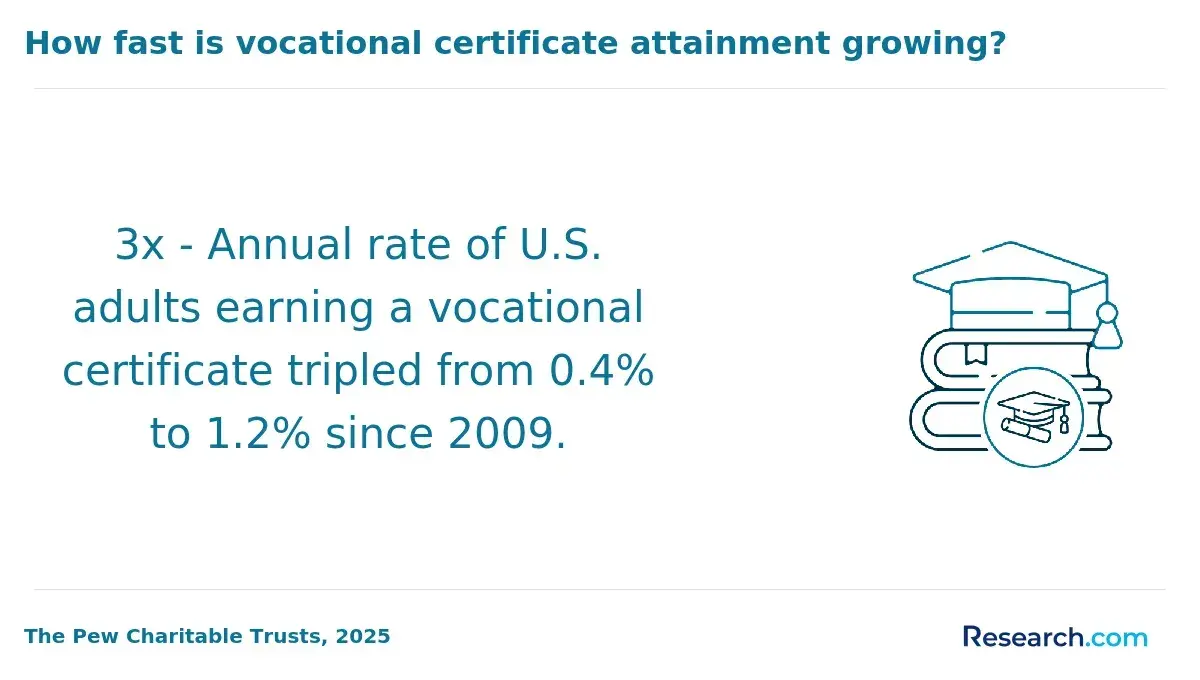
Employers prioritize accredited online marketing programs with industry reputation because they ensure curricula align with evolving digital tools and market demands. A digital marketing certification recognized by employers signals updated, measurable skills-a necessity in a field where over 5 billion social media users influence strategy and where social media marketing remains a top-ten in-demand capability. Without accreditation or current content, graduates risk entering the workforce unprepared for realities such as e-commerce dynamics or the metrics-driven expectations of digital agencies.
Consider a candidate targeting a mid-sized digital advertising firm: proficiency in paid social campaigns, platform algorithms, and performance analysis is non-negotiable. Credentials from accredited programs that embed these competencies into their syllabi offer measurable assurance to employers, in contrast to uncertified courses reliant on outdated methods or lacking verification. Practical elements like project-based learning, verified internships, and industry-recognized certifications embedded within coursework greatly enhance job readiness.
Key evaluation factors for selecting programs include:
- Accreditation by agencies recognized in business and technology education.
- Alignment of course content with tools and platforms relevant between 2024 and 2026.
- Graduate outcomes demonstrating employment success specifically in social media marketing roles.
To contextualize financial planning for this pathway, prospective students may explore options through resources like an online finance degree guide for comparative insights.
How do online and campus marketing programs compare?
Choosing between an online marketing degree vs traditional campus programs depends heavily on immediate career goals and experiential learning needs. Campus based marketing programs and online course differences notably include the degree of hands-on collaboration and networking opportunities. For instance, a digital marketing manager in retail might find campus environments valuable for replicating real-time campaign strategy sessions, whereas an SEO specialist working remotely may acquire targeted skills sufficiently through online modules.
Employer expectations increasingly emphasize verified practical skills over credentials alone. Campus programs often provide internships or cooperative education that align with entry-level job requirements, while online programs focus on project-based assignments that accelerate skill acquisition for candidates aiming to pivot or deepen expertise quickly in areas such as content strategy or data analytics.
The Addison Group reports Content Manager median salaries near $87,070 in 2025, highlighting the premium on specialized, current competencies regardless of delivery mode. Maintaining curriculum relevance and industry connections is critical for online programs to match the employer networking advantages typically embedded in campus experiences.
Evaluating these tradeoffs within your own constraints is key. Flexibility without sacrificing the quality of practical exposure can sometimes be found in hybrid pathways or by complementing online study with strategic internships. Prospective students seeking accelerated options can consider the project management degree online fast for transferable insights on balancing speed and depth in professional education pathways.
What courses are in a digital marketing specialization?
Digital marketing specializations emphasize quantifiable skills over theoretical knowledge, focusing on competencies that employers demand in a competitive talent market. Core coursework covers SEO strategies calibrated to shifting algorithm updates, essential for sustaining organic visibility in sectors from retail to B2B services. Pay-per-click training prioritizes practical budget management and real-time bid optimization, critical for campaign profitability, especially in aggressive e-commerce spaces.
Course modules in email and CRM marketing reflect industry needs for segmentation expertise and automated customer journey management-roles commanding median annual salaries around $108,159 as per 2025 marketing career data in the U.S. Social media marketing instruction centers on platform-specific algorithm mechanics and data-driven content performance analysis, skills vital for brands in entertainment and hospitality sectors driven by influencer marketing.
Students gain analytics acumen through training in Google Analytics and visualization tools, equipping them to measure and iterate campaigns. However, navigating evolving privacy legislation and ethical data use remains a significant operational challenge, requiring programs to balance technical mastery with regulatory awareness.
Pragmatically, prospective students considering a 6 month MBA should anticipate a necessary tradeoff between foundational marketing principles and mastering specialized software tools. Employers expect fluency in both strategy development and cross-functional collaboration, which demands educational programs to integrate real-world projects that mirror workplace dynamics and decision-making pressures.
What are the admission requirements for marketing programs?
Admission to marketing programs increasingly demands a demonstrated balance of academic performance, quantitative aptitude, and applied experience, reflecting shifting workforce expectations. Undergraduate applicants often face a minimum GPA of about 3.0 alongside standardized tests, although some schools prioritize rigorous coursework and extracurricular engagement over scores.
Graduate programs require a relevant bachelor's degree and favor candidates with strong analytical skills, given the employment projection of a 13% increase for market research analysts through 2034. This growth aligns admission criteria with competencies in marketing analytics, data science, and technology platforms.
Work experience-such as internships or roles in digital campaigns and brand strategy-provides a competitive edge, especially in selective programs emphasizing real-world application. Candidates without quantitative backgrounds frequently encounter prerequisite coursework or bridging opportunities. A common disconnect occurs when theoretical marketing knowledge fails to translate into data proficiency.
Programs incorporating experiential learning through project-based tasks, like data interpretation and market simulation, better prepare students for employer demands. Prospective students should evaluate how programs integrate such applied components, as these influence admissions and future employability.
How long does a marketing specialization take and what does it cost?
Effective specialization in marketing demands a strategic investment in both time and cost, calibrated to real employer expectations and measurable outcomes. Certificate programs focused on areas like Conversion Rate Optimization (CRO) or growth marketing generally span 10 to 20 weeks with a 5-15 hour weekly commitment, suitable for targeted skill acquisition. Broader, university-affiliated programs that include data analytics and automation often extend up to a year, demanding a significant time and financial commitment ranging from $1,000 to $15,000 depending on delivery mode and institutional prestige.
Consider a professional pivoting to CRO within SaaS: budgeting 4-6 months and at least $3,000 aligns with market realities to secure competitive advantage. The U.S. labor market illustrates this premium, with CRO managers earning a median of $172,222, surpassing chief marketing officers' median of $161,583-an indication that ROI-focused, hands-on training drives earning power.
Decision factors extend beyond price and duration. Flexibility, transferability of credits, and direct application to high-stakes business metrics weigh heavily. Neglecting the interplay of cost-to-time ratio and employer demand risks overinvestment in programs lacking immediate value.
What digital marketing jobs can you get with this specialization?
E-commerce and marketplace marketing roles demand strategic oversight beyond basic digital campaigns, involving complex revenue-driving tactics like multi-channel sales integration and data analytics. For instance, an E-commerce Director, earning an average of $128,123 according to Addison Group's hiring report, must master both platform management-such as Amazon Vendor Central for retail-and tailored lead generation approaches suited to longer B2B sales funnels.
Workforce implications include adapting to diverse CRM systems and balancing acquisition costs against customer lifetime value. Practical challenges often involve coordinating digital strategies with supply chain realities, requiring marketers to interpret data for real-time inventory and seasonal demand adjustments.
Key competencies employers expect include rigorous A/B testing, UX optimization, and cross-department collaboration, especially with IT and fulfillment teams. Candidates should prioritize certifications in data analysis and digital advertising platforms to validate these skills. Measurable performance-like cart abandonment reduction and retention growth-directly impacts career trajectories.
How much do digital marketing specialists earn?
Digital marketing specialists' salaries vary widely based on the degree of technical skill and industry focus, ranging from approximately $55,000 at entry level to well over $100,000 for roles emphasizing automation and AI analytics. Specialists proficient in marketing automation at mid-sized tech companies can command 20-30% higher compensation compared to generalists. This premium underscores employer demand for expertise in managing AI-driven platforms that scale personalized customer journeys.
Those working outside technology-intensive environments or smaller firms often face a salary ceiling near $65,000 unless they cultivate advanced automation capabilities. This divergence highlights a critical career tradeoff: pursuing deep technical proficiency versus maintaining broader, but less specialized knowledge.
The practical career trajectory increasingly favors candidates with data interpretation skills and automation tool mastery, typically the baseline for roles with salaries above $90,000. Employers expect continual skill refreshment as marketing automation tools evolve rapidly, making static skill sets a liability in sustaining upward mobility.
Key considerations include balancing time investing in certifications or training on AI-powered marketing systems against the risk of skills obsolescence. The growing reliance on automated customer journey design means candidates must navigate a shifting landscape where marketability and earnings correlate tightly with their ability to integrate emerging technologies sustainably.
What certifications strengthen a digital marketing career?
Certifications in digital marketing must be carefully aligned with career stage and industry focus to yield practical benefits rather than serve as mere resume padding. For example, a mid-level professional targeting management roles should prioritize Project Management Professional (PMP) credentials or Digital Marketing Institute certifications over entry-level badges, as employers expect leadership experience and proven campaign outcomes alongside any credential.
Technical certifications such as the Certified Digital Marketing Professional (CDMP) or Google Analytics Individual Qualification (GAIQ) are essential for roles centered on data-driven decision-making and campaign measurement. However, these credentials gain value primarily in organizations managing complex, high-budget marketing operations where precision in segmentation and cross-channel coordination is critical.
Industry-specific considerations also shape credential relevance: B2B technology companies emphasize SEO and inbound marketing qualifications due to extended sales cycles, while retail and ecommerce sectors favor social media advertising certifications reflecting platform-specific expertise like Facebook Ads or TikTok management. Candidates must assess certification ROI relative to their target market rather than collecting credentials indiscriminately.
Employers typically require demonstration of results through executed campaigns and team leadership, placing practical experience above the mere possession of certificates. Resource constraints often force professionals to decide between deepening technical specialization or broadening leadership credentials based on immediate role demands and long-term goals.
Other Things You Should Know About Marketing
Employers often value candidates with broad digital marketing experience initially, as it allows easier adaptation to evolving technologies and cross-channel strategies. Specializing too early can limit exposure to diverse tools and methods, which may hinder problem-solving in integrated campaigns. A practical approach is to build a solid foundation across multiple disciplines in the first two years, then prioritize a specialization aligned with measurable demands in your target sector or role.
Analytics-focused specializations require continual data handling, proficiency in statistical tools, and iteration based on performance metrics, often involving extensive reporting under tight deadlines. Creative specializations demand ideation, content development, and campaign design, with fluctuating peak periods tied to project cycles. Understanding these workload patterns helps you choose a path aligned with your work style and stress management preferences, as analytics roles lean toward consistency while creative paths may have more variable intensity.
A digital marketing specialist should know Google Analytics 4, Google Ads, Meta Ads Manager, and a CRM such as HubSpot or Salesforce. Many employers also expect basic SEO tools like Semrush or Ahrefs, plus spreadsheet skills for reporting, attribution, and campaign tracking.
References
- MBA in Marketing (2023 Guide) https://erudera.com/mba/mba-in-marketing/
- Top Digital Marketing Specializations for Fast Career Growth https://dakshankan.com/career-freelancing/digital-marketing-specializations
- Google Digital Marketing & E-commerce Certificate | Google Skills https://www.skills.google/paths/2270
- Online Bachelor's Degree Marketing https://www.umgc.edu/online-degrees/bachelors/marketing
- Digital Marketing Specialist: What They Do and Salary https://college.h-farm.com/en/digital-marketing-specialist-what-they-do-salary/
- Digital Marketing Manager Certifications: Best Credentials to Advance Your Career | Teal https://www.tealhq.com/career-paths/digital-marketing-manager-certifications
- Top 5 Digital Marketing Certifications for Professionals in 2025-26 https://www.dypatilonline.com/blogs/top-five-digital-marketing-certifications-for-professional-in-2025
- Salary Digital marketing specialist - Poland https://www.pensjometr.pl/en/salaryinfo/marketing-advertising-pr/digital-marketing-specialist
- Marketing Specialization https://www.hec.edu/en/masters-programs/master-in-management/m2-specialization-phase/marketing
- Digital Marketing Specializations: How to | Digital Marketing Jobs https://www.digitalmarketingjobs.com/blog/digital-marketing-specializations