2027 First Marketing Roles for Professionals Seeking Remote-Friendly Growth Paths

Co-Founder and Chief Data Scientist
Early-career marketing professionals face a pressing challenge: securing roles offering remote-friendly growth before gaining extensive experience. Traditional entry points often emphasize in-person networking or internships, which limits access for those balancing work, education, or caregiving responsibilities. Meanwhile, 58% of adult learners who enrolled in online higher education during 2024 did so specifically for flexible scheduling and career transitions, according to the National Center for Education Statistics. This shift reflects broader workforce demand for adaptable, hybrid-ready marketing talent but complicates newcomers' navigation of accessible, credible pathways that align with evolving employer expectations. This article examines practical first marketing roles and educational routes tailored for remote-friendly career advancement, helping readers make strategic, informed choices amid these complexities.
Key Things You Should Know
- Entry-level remote marketing roles favor candidates with technical skills despite shorter training-Burning Glass data shows 62% require analytics proficiency, pressuring faster, cost-effective certifications over comprehensive degrees.
- Employer surveys from the U.S. Chamber of Commerce reveal 48% prioritize proof of project impact over formal credentials, shifting the workforce emphasis from educational pedigree to demonstrable remote collaboration outcomes.
- The median salary for remote entry marketing jobs as reported by BLS rose 9.4% since 2023, demanding strategic investment timing; candidates who delay upskilling risk lower initial offers due to rapidly evolving digital toolsets.
What are the best first marketing roles for professionals seeking remote-friendly career growth?
Entry-level digital marketing specialist roles, particularly those focused on SEO, content marketing, social media, and email campaigns, present the most viable first marketing roles for professionals seeking remote career growth. The remote nature of these jobs stems from their reliance on digital tools and measurable output, facilitating effective virtual collaboration. U.S. marketing employment grew 12% from 2022 to 2024, approaching 4.22 million roles, reflecting sustained demand for digital-savvy professionals targeting remote-friendly advancement opportunities.
Employers prioritize candidates with hands-on experience in data analysis, CRM systems, and campaign implementation over theoretical credentials. For instance, a new marketing professional at a remote B2B SaaS firm must adeptly navigate project management platforms, handle cross-time-zone coordination, and produce weekly KPI reports, accelerating development toward positions like marketing analyst or digital strategist.
Tradeoffs include reduced direct mentorship and heavier reliance on self-directed learning, which demand strong communication and proactive engagement skills. Remote onboarding is often fragmented, so choosing positions with structured training or mentorship cohorts can mitigate early-stage challenges.
Focusing on roles delivering quantifiable metrics-such as SEO rankings or lead generation success-enhances career momentum compared to predominantly creative, non-analytical roles that may slow remote hiring and growth. Evaluating job posts for emphasis on digital tools and performance data signals optimal remote entry points.
Professionals evaluating an online project management degree should consider how these practical marketing roles integrate with cross-functional skills to support effective campaign delivery and career advancement.
Which entry-level marketing jobs are most commonly offered as remote or hybrid positions?
Entry-level marketing jobs remote or hybrid positions shape early career trajectories by imposing distinct operational demands and developmental tradeoffs. Digital roles like content marketing coordinators and social media assistants often fit fully remote setups due to their reliance on digital communication platforms and asynchronous workflows, enabling broader job market access but requiring strong self-discipline and proactive communication. Hybrid positions, more common in larger firms, blend remote task execution with periodic in-person collaboration, which supports networking and cultural integration but reduces geographic flexibility.
Employers expect candidates in these roles to be adept with tools like Slack, Google Analytics, and content management systems, reflecting the technical baseline needed to contribute effectively without onsite mentorship. Remote versus hybrid status also influences promotion tempo and skill acquisition patterns, with remote roles demanding more autonomous learning, while hybrid settings facilitate hands-on guidance.
Salary data underscores the economic progression within these roles: remote content marketing managers command between $85,000 and $150,000, with senior-level positions reaching $180,000, indicating viable career scalability from entry-level remote-friendly positions. Considering the practical challenges and opportunities tied to remote and hybrid models is crucial for candidates navigating common remote-friendly marketing roles for beginners.
For those evaluating educational pathways aligned with such roles, pairing strategic skill development with organizational expectations is essential. Prospective marketers may explore credentials such as a project manager degree online that resonate with the remote and hybrid workforce's practical dynamics.
What education or marketing degree do you need to qualify for early-career marketing roles?
Employers hiring for remote early-career marketing roles typically expect at least a bachelor's degree in marketing, communications, business administration with a marketing focus, or digital media. These degrees provide foundational skills essential for entry-level tasks such as social media management, content creation, and campaign coordination. However, practical experience often outweighs formal education, particularly in remote settings where demonstrated proficiency with digital tools, analytics, and campaign software is critical.
The evolving landscape of education qualifications for entry-level marketing roles in the US highlights that candidates without traditional marketing degrees can access remote opportunities by leveraging hands-on learning through internships, portfolio projects, or certifications in SEO, social analytics, and email marketing platforms. For example, individuals with degrees in unrelated fields but substantial digital campaign experience have successfully transitioned into social media marketing associate positions, where an understanding of remote collaboration platforms is increasingly valued.
Choosing educational pathways requires evaluating program relevance to digital marketing skills, access to experiential opportunities, and the strength of employer networks. Focused certificate programs combined with project work can expedite entry into remote marketing roles, whereas bachelor's degrees tend to provide broader strategic and regulatory knowledge needed for sectors like healthcare or finance. Prospective students may also consider exploring online health information management degree programs CAHIIM accredited as part of interdisciplinary strategies that can complement marketing roles in regulated industries.
How do online marketing programs compare with campus-based options for preparing remote workers?
Remote work demands are reshaping how marketing skills are acquired, making online marketing programs for remote worker training more aligned with employer needs than campus-based marketing courses versus online learning options. For example, junior Remote SEO Specialist roles require familiarity with evolving AI tools-online courses tend to update faster in response to a 21% rise in AI-related SEO skills, unlike slower campus curricula. This mismatch impacts candidates' ability to navigate the digital-first workflows now common in mid-level SEO positions, which constitute 59% of the job market.
Practical experience with remote collaboration platforms is embedded in online programs through live projects and internships, offering students direct exposure to distributed team dynamics and asynchronous communication. Campus programs, while often emphasizing face-to-face networking valuable for local agencies, may lack this digital communication focus, which is essential for cross-time-zone teamwork.
Balancing professional and caregiving responsibilities often limits relocation or fixed schedules, making online options more feasible. Students should prioritize programs that explicitly incorporate current AI integration, SEO algorithm updates, and digital tools, as well as industry-recognized certifications with transparent placement outcomes to maximize market relevance.
Professionals aiming to pivot or enhance their marketing credentials might also explore specialized degrees like an MBA entrepreneurship online to complement digital marketing expertise and broaden strategic skills.
What should you look for in an accredited marketing program to support remote career paths?
Remote growth marketing roles demand candidates who can deliver immediate value through practical skills rather than theoretical knowledge. Programs emphasizing hands-on training in email marketing, automation platforms, and data-driven campaign design align better with employer expectations and the $80,000-average salary benchmark for these positions reported by the U.S. Bureau of Labor Statistics and the Marketing Research Institute.
Employer preferences lean heavily toward graduates proficient with contemporary remote technology stacks, including CRM software, A/B testing tools, and analytics dashboards. Candidates lacking fluency in these tools often require costly retraining that many remote teams seek to avoid. This creates a clear tradeoff: programs focusing too heavily on outdated or generic marketing theories risk producing graduates unable to contribute effectively in distributed team environments.
Logistical program factors matter. Flexible scheduling and asynchronous delivery are essential for working professionals, but the strongest indicator of program relevance remains demonstrated placement success in remote email and digital marketing roles. These outcomes signal robust employer partnerships and a curriculum aligned with real job requirements.
Additionally, the ability to manage cross-time-zone collaboration and virtual project communication is a non-negotiable skill set. Remote marketers who cannot communicate asynchronously or utilize virtual team tools are often screened out before hiring.
Finally, cost-to-outcome ratio analysis should leverage recent salary data and education statistics to verify that tuition investments reflect realistic earning potential. Unaccredited or generic digital marketing courses rarely justify their cost if they lack direct applicability to remote career trajectories.
Which marketing courses and skills matter most for landing your first remote marketing job?
Employers filling remote marketing roles expect candidates to independently manage campaign automation and data analysis without frequent IT support, positioning proficiency in platforms like HubSpot or Marketo as essential. Alongside these tools, skills in Python and SQL materially impact earning potential-research.com data shows a 30% income increase for marketers fluent in these languages, yet only 31% currently possess them. This gap highlights the competitive advantage for newcomers who target these technical competencies.
Practical application of programming varies by context: e-commerce marketers automate customer segmentation through Python scripting, speeding up processes that otherwise require manual effort; in digital media, SQL is indispensable for extracting actionable insights from large, complex campaign databases. Mastery here lessens reliance on synchronous team interactions, a frequent challenge for distributed teams operating across time zones.
Course selection should prioritize hands-on assignments focused on coding within marketing analytics and automation workflows instead of purely theoretical digital marketing content. Look for programs incorporating real-world projects involving APIs, CRM integrations, and multichannel attribution. Certifications in cloud-based marketing platforms and visualization tools further prepare candidates for the logistical demands of remote collaboration and data reporting.
How long do marketing certificates, associate, and bachelor's programs take, and what do they cost?
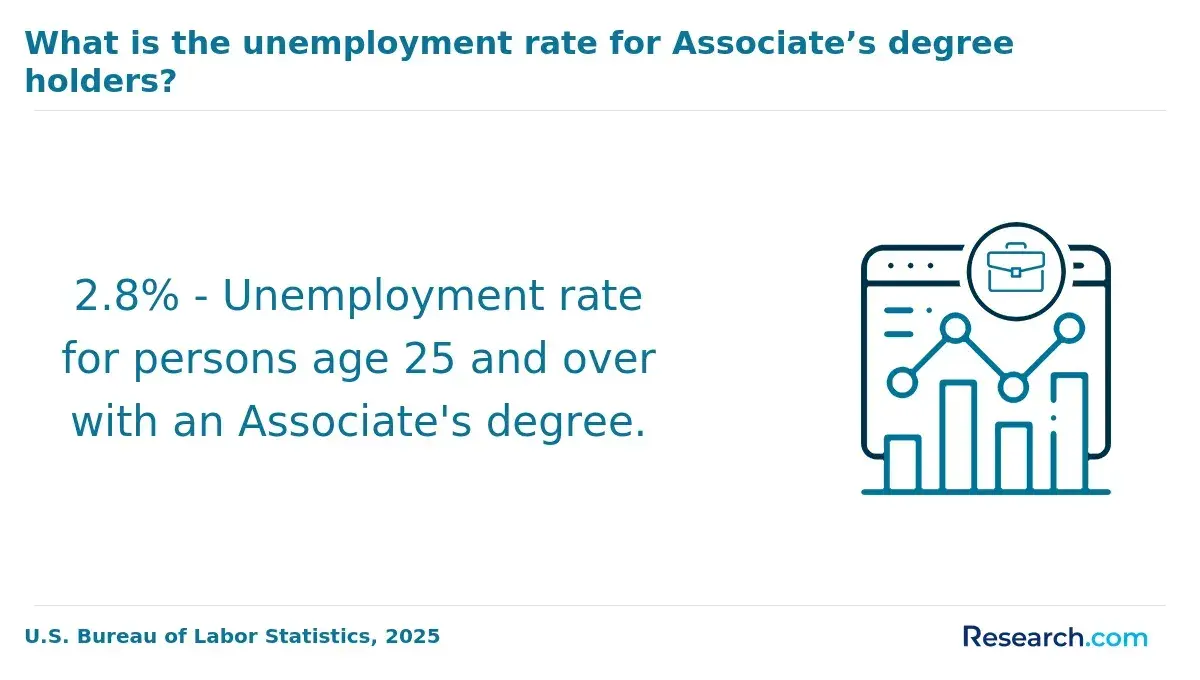
Choosing between certificates, associate degrees, and bachelor's degrees in marketing hinges on balancing time investment, cost, and targeted job functions. Certificates, often completed within 3 to 6 months part-time and priced between $1,000 and $5,000, offer focused skill development in areas like paid media or digital analytics. They suit professionals seeking fast entry into roles such as Remote Performance / Paid Media Analyst. In contrast, associate degrees require about two years and cost $6,000 to $15,000, typically at community colleges. These programs provide a broader yet still practical foundation, preparing graduates for tactical marketing tasks and entry-level campaign management.
Bachelor's degrees extend over four years with significant financial commitments-public in-state tuition averages $10,000 annually, while private institutions can exceed $35,000. These programs aim to develop strategic marketers but can delay return on investment without hands-on experience integrated into the curriculum. A common challenge for bachelor's candidates is that without practical skills aligned to current analytics and technology demands, transition into impactful roles may be slower.
Decision-making should consider specific career goals:
- Aspiring analysts focused on pay-per-click or paid media gain immediate leverage from certificate programs.
- Those targeting managerial or hybrid positions benefit from associate or bachelor's programs despite the longer timelines.
With the average marketing salary at $108,380 and metro areas paying about 30% more, the credential must align closely with employer expectations and real-world tools to ensure competitive positioning and remote work options.
What are typical starting salaries for first marketing roles, and how does remote work affect pay?
Entry-level remote marketing roles in 2026 typically offer salaries between $45,000 and $60,000 annually, revealing a compensation range grounded in employers' valuation of versatile skills in digital channels and fundamental analytics with measurable revenue or lead generation impact. This spectrum reflects divergent employer strategies and geographic cost considerations.
Smaller B2B firms often position remote marketers at the lower salary band, expecting multi-functional proficiency-handling content creation, campaign analytics, and CRM-without extensive formal training. Higher salaries near $60,000 appear more in larger organizations that provide structured onboarding yet may impose performance benchmarks and slower promotion paths, particularly where remote supervision is limited.
Remote work introduces complex dynamics: some metro-area employers adjust pay downward for hires outside high-cost regions, while multinational companies frequently maintain uniform salary scales but demand demonstrable remote productivity, intensifying performance accountability.
Candidates must gauge total compensation beyond base salary, accounting for technology stipends, health benefits, and flexibility. Since remote marketing entry jobs often lack clear certification or advancement frameworks, self-directed learning and mastery of outcome-driven metrics become pivotal for wage growth.
- Prioritize roles with transparent performance criteria to negotiate effectively.
- Factor in savings from commuting or relocation against possible salary tradeoffs.
- Understand multi-role expectations typical in smaller firms to avoid underestimating workload challenges.
What is the job outlook for early-career marketing professionals in remote-friendly industries?
Remote-friendly marketing roles that integrate data analytics and AI now offer some of the highest entry-level salaries, with positions like Marketing Data Scientists averaging $156,000 and AI Marketing Strategists around $148,000. These roles prioritize technical proficiency combined with marketing insight, diverging significantly from traditional communication-focused jobs.
For instance, a Marketing Data Scientist in a SaaS company typically applies predictive analytics to enhance campaign targeting-creating quantifiable business impact beyond conventional creative or generalist marketing tasks. This delineation shapes employer expectations, emphasizing targeted educational pathways that blend programming, statistics, and AI literacy alongside marketing fundamentals.
However, candidates encounter practical barriers such as limited access to remote internships that effectively merge marketing and technical skills. Without hands-on experience in both areas, graduates often struggle to meet recruiters' criteria despite the remote nature of these roles. Competition is intensified by cross-disciplinary applicants, necessitating ongoing skill development beyond initial credentials.
Additionally, sector context matters: technology and financial services lead remote marketing hires, while consumer goods maintain a preference for on-site teams. Job seekers benefit from aligning capabilities with data-driven marketing demands and leveraging specialized remote job boards to improve placement prospects and salary potential.
How can you choose a reputable marketing school or bootcamp that leads to remote opportunities?
Choosing a marketing school or bootcamp without verified outcomes often leads to misaligned expectations, especially for those targeting remote roles. Programs that transparently report graduate employment in remote product marketing assistant positions leverage data indicating a 9.8% job growth and median salaries around $155,043, which signals alignment with market demand and employer needs.
Curriculum relevance is vital. Schools emphasizing digital communication tools, project management software, and data analysis-core skills preferred by remote SaaS and e-commerce employers-offer tangible advantages. For example, bootcamps incorporating agile team projects simulate real-world remote collaboration, equipping students to manage key performance metrics effectively.
Career services designed specifically for remote job placement-such as virtual interview coaching and remote networking opportunities-substantially improve hiring potential. Conversely, generic job placement claims or a focus on local markets restrict access to broader remote opportunities and stifle long-term growth.
Flexibility in program delivery must match the varied schedules of remote learners balancing work or family commitments. Options for both synchronous and asynchronous learning enable this necessary accommodation.
Finally, weighing tuition against validated post-graduation earnings, based on workforce data like those from the U.S. Bureau of Labor Statistics and Gartner research, helps ensure investment in marketing education translates into access to lucrative roles within remote product marketing.
Other Things You Should Know About Marketing
Remote marketing professionals in 2027 may expect flexibility but also the need for self-discipline and accountability due to potentially blurred work-life boundaries. They should be prepared for asynchronous communication and having fewer immediate resources compared to the structured environment of an office setting.
Employers in remote marketing roles increasingly prioritize demonstrated results and hands-on experience over formal degrees, especially for entry-level positions. Portfolios showcasing real campaigns, data-driven decision-making, and tool proficiency have greater impact than purely academic credentials. Professionals should focus on building measurable project outcomes and certifications aligned with job demands rather than investing heavily in lengthy degree programs.
First-time remote marketing hires should know Slack, Microsoft Teams, Asana, and Google Workspace before day one. Many employers also expect basic comfort with Zoom, shared calendars, and content approval workflows. In 2027, these tools are standard for coordinating campaigns, reviews, and deadlines across distributed teams.
References
- What Qualifications Do You Need for a Digital Marketing Job? | Digital Marketing Institute https://digitalmarketinginstitute.com/blog/what-qualifications-do-you-need-for-a-digital-marketing-job
- CourseCareers https://coursecareers.com/blog-posts/how-to-build-digital-marketing-skills
- Remote Marketing Jobs Are Booming — Here’s How to Get One https://www.virtualvocations.com/blog/remote-jobs/remote-marketing-jobs-are-booming-heres-how-to-get-one/
- Remote Marketing Jobs: 51 Rewarding Roles Offering Flexibility | https://remotejobscentral.com/remote-marketing-jobs/
- Top Digital Marketing Bootcamps That Lead to Real Jobs in 2025 https://workforceinstitute.io/digital-marketing/digital-marketing-bootcamps-job-ready-2025/
- Digital Marketing: College Degree vs. Certificate Program — by Maggie Fry https://blog.nobledesktop.com/digital-marketing-college-degree-vs-certificate-program
- Best Remote Marketing Jobs in 2025 - Stryce Verified Marketing Jobs https://www.stryce.com/blog/7/remote-marketing-jobs-guide
- Remote Marketing Jobs - EU Remote Jobs https://euremotejobs.com/jobs/remote-marketing-jobs/
- Can You Get a Marketing Job Without a Degree? Here’s How ODEO Makes It Real - Odeo Academy https://odeoacademy.com/can-you-get-a-marketing-job-without-a-degree-heres-how-odeo-makes-it-real/
- How to get into marketing in 7 steps (my personal story) | Marketer Milk https://www.marketermilk.com/blog/how-to-get-into-marketing