2027 Best Online Master's in Marketing for E-commerce Marketing Leadership

Co-Founder and Chief Data Scientist
Professionals targeting leadership roles in e-commerce marketing face a narrowing window to acquire in-demand digital skills while managing full-time responsibilities. With over 40% of adult learners citing scheduling conflicts as the main barrier to graduate enrollment, according to the National Center for Education Statistics, timing and program flexibility become critical considerations. This constraint intensifies as companies demand expertise in data-driven customer engagement, omnichannel strategy, and scalable online sales frameworks.
Choosing a master's program that balances rigorous curriculum with adaptive delivery directly affects career mobility and the ability to meet employer expectations in a competitive, rapidly evolving market. This article evaluates top online master's programs tailored for e-commerce marketing leadership, focusing on accessibility, practical outcomes, and real-world applicability to guide informed decisions.
Key Things You Should Know
- E-commerce marketing leadership programs show a 22% median salary premium over general MBA grads, yet alumni employment in specialized roles plateaus after 3 years, suggesting employer preference for direct experience over credentials.
- Employers increasingly prioritize data analytics and platform-specific skills: 68% of marketing manager job listings in 2025 required proficiency in Shopify or Amazon Seller Central, pressuring curricula to align with ecommerce tools.
- Median total tuition for online master's in marketing programs focused on e-commerce leadership rose 12% since 2024, compounding opportunity costs amid shifting workforce demands that favor agile skill acquisition over extended degree paths.
What is an online master's in marketing for e-commerce leadership and who is it best for?
Professionals aiming to move into strategic roles within e-commerce must prioritize expertise in digital customer insights, sales optimization, and emerging tech integration. An online master's in marketing for e-commerce leadership programs delivers these skills, targeting mid- to senior-level managers ready to lead agile teams and manage multi-channel campaigns.
For instance, a traditional retail manager can fill digital analytics gaps by developing applied competencies in technology platforms, positioning themselves to lead digital transformation, while those with digital marketing backgrounds may deepen leadership capacity to influence company-wide e-commerce strategies.
Employers demand measurable results such as improved customer acquisition costs and scalable growth in online sales, reflecting rising expectations for candidates. Students must navigate intensive quantitative coursework alongside professional duties, making flexibility and real-world project alignment critical. Demand aligns with labor statistics showing a 6% growth projection for marketing management roles through 2032, linked to expanded online market presence.
Best candidates for online master's in marketing e-commerce leadership often possess foundational skills in data analysis paired with leadership ambitions in retail or technology sectors. The degree bridges gaps between technical proficiency and strategic oversight, offering a pathway for professionals seeking impactful leadership positions.
Those exploring foundational qualifications may consider a project manager bachelor degree as a complementary credential to strengthen operational acumen.
How do online master's in e-commerce marketing compare to traditional on-campus programs?
Deciding between an online master's in e-commerce marketing vs traditional programs often comes down to balancing flexibility with experiential depth. Remote formats suit mid-career professionals aiming to integrate learning with ongoing leadership roles, enabling immediate application of digital advertising, data analytics, and supply chain concepts.
However, traditional on-campus formats provide more direct, face-to-face mentorship and networking essential for early-career professionals striving to establish executive-level credibility and industry connections. Employers increasingly value demonstrable impact and strategic leadership over the degree's delivery mode, with VP-level e-commerce salaries rising notably in recent years.
Online master's programs that incorporate synchronous live projects and collaborative digital simulations can mitigate common drawbacks such as limited informal peer interaction and restricted access to local industry events. Students must actively supplement online learning with targeted networking efforts, including digital forums and regional seminars.
When weighing benefits of online master's degrees in e-commerce marketing, consider professional status and immediate career needs. Recent graduates benefit most from immersive campus environments with in-person case studies and industry partnerships, whereas seasoned professionals prioritize flexible schedules and relevant, hands-on digital expertise.
For related strategic learning pathways, exploring an online construction project management degree can illustrate similar benefits and tradeoffs present in accelerated, career-focused remote programs.
Which accredited schools offer the best online master's in marketing for e-commerce leaders?
Successful navigation of online master's programs in Marketing for e-commerce leadership depends on detecting subtle differences in curriculum focus, delivery format, and experiential opportunities. Schools such as the University of Florida's Warrington College of Business, Northeastern University's D'Amore-McKim School of Business, and the University of Southern California's Marshall School of Business exemplify varied approaches that prepare students for the 21% annual rise in digital marketing and e-commerce job postings.
The best accredited online master's in marketing programs for e-commerce leadership balance fundamentals with specialized digital commerce and data analytics training, but practical tradeoffs remain. For example, Northeastern's immersive co-op demands geographic proximity for in-person placements, which limits remote learners despite its robust hands-on experience.
Conversely, the University of Florida offers fully asynchronous options better suited for working professionals, albeit with fewer real-world networking and applied project opportunities. Employers explicitly seek graduates skilled in data-driven decision-making, customer journey analytics, and agile campaign management - capabilities taught through applied platforms like Shopify and Google Analytics.
Candidates from these degrees typically hold a competitive edge over generalists due to direct alignment with emerging workforce needs. For those weighing flexible learning options against practical exposure, the choice shapes networking potential and readiness to lead omnichannel campaigns in retail, technology, or direct-to-consumer contexts.
Prospective students considering top online master's in Marketing degrees for e-commerce professionals in the US should also review accreditation and curricular relevance. Compare costs, program length, and specialization depth carefully alongside your career goals. More insights on accelerated options can be found at the accelerated online associate's business degree resource.
What admissions requirements and professional background do these online e-commerce marketing programs expect?
Admissions for online e-commerce marketing program admission criteria commonly emphasize a bachelor's degree with at least a 3.0 GPA from an accredited institution. However, programs often allow flexibility for applicants with diverse academic backgrounds who demonstrate substantial professional background requirements for e-commerce marketing leadership programs, particularly with two to five years in marketing, digital commerce, or leadership roles.
Experience managing cross-functional teams or spearheading campaigns is weighted heavily, sometimes compensating for limited academic exposure. Applicants may be required to submit professional portfolios showcasing quantitative results such as campaign analytics or strategic marketing plans. Recommendation letters should come from supervisors or recognized industry figures who can validate leadership and marketing competencies.
An essay articulating clear career goals toward leadership or digital transformation in e-commerce also strengthens candidacy. Standardized test requirements like the GRE or GMAT are often waived for seasoned professionals, reflecting a practical shift away from purely academic measures. This acknowledges that demonstrated leadership outcomes hold more predictive value for success in e-commerce marketing careers.
Despite an estimated 18-20% earnings premium within five years post-graduation, potential applicants must weigh the investment against roles requiring highly technical skills, such as SEO or data analytics, where leadership training may not significantly improve advancement opportunities.
For professionals evaluating alternatives, comparative affordability and program specialization remain vital considerations-as exemplified by programs like the MBA healthcare, where alignment of curricular focus to career goals is critical.
What core courses and specializations are typical in an online e-commerce marketing master's?
Online master's programs for e-commerce marketing leadership concentrate heavily on applying advanced digital marketing tactics within complex retail ecosystems, where understanding operational nuance can determine organizational impact. Core coursework includes multichannel marketing integration, SEO and SEM strategies, conversion rate optimization, CRM, and managing e-commerce platforms.
Specialized tracks-such as digital advertising, mobile commerce, or global e-commerce strategy-align with specific leadership functions, reflecting the divergence in required skills for sectors like B2B versus consumer goods. Consider a student engaged in B2B e-commerce, where mastery of account-based marketing and procurement timelines is critical.
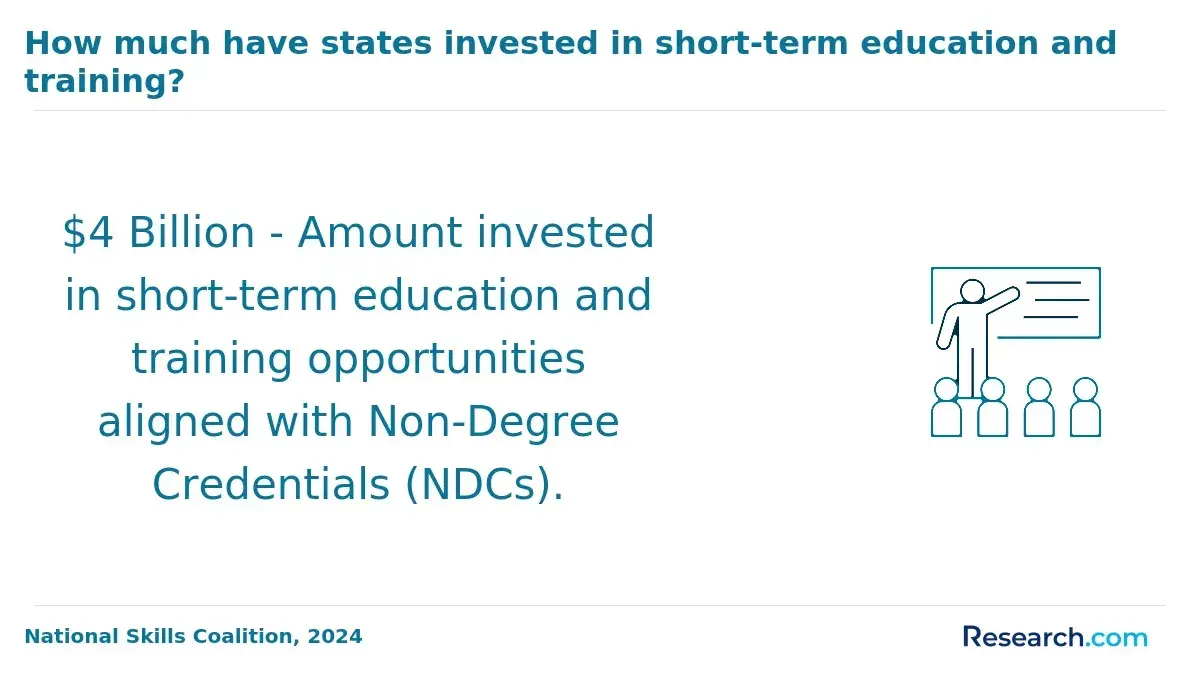
This contrasts with a consumer-focused candidate who must integrate influencer partnerships and social media campaigns. These distinctions shape employability and inform how graduates manage technology and sales channels post-program. Tuition ranges significantly, from approximately $15,000 to $60,000, with a median near $32,000, per Forbes Advisor 2024.
Cost does not inherently correlate with outcome quality, urging prospective students to evaluate program depth alongside price, especially when additional certifications in analytics or customer journey mapping may be necessary. Practical challenges include balancing academic rigor with remote internships and collaborative projects that demand digital coordination skills.
How long do online master's in e-commerce marketing take and how are they structured?
Online master's degrees in e-commerce marketing demand substantial time investment-typically 18 to 24 months full-time, or significantly longer part-time, complicating pacing for working professionals. These programs blend digital marketing fundamentals with specialized analytics, supply chain logistics, and user experience, reflecting a marketplace where marketing analytics skills grew 24% globally in 2024, per LinkedIn's 2024 Workplace Learning Report.
The curriculum's sequencing matters: foundational analytics precede advanced digital strategy, a structure that affects learners juggling employment, as rushing or delays can erode skill relevancy in a fast-changing field. Students navigate a mix of asynchronous learning, such as data interpretation and consumer behavior, paired with synchronous sessions focusing on live case studies.
This hybrid format suits diverse time zones and professional schedules but requires disciplined time management to balance work, study, and emerging technology acquisition-especially AI-driven customer segmentation and e-commerce platform operations. Practical implications vary by industry context.
For instance, retail-oriented students confront complex supply chain integration challenges, whereas B2B e-commerce demands nuanced customer data expertise. Employers consistently expect graduates to demonstrate mastery in both strategic foresight and technical execution, making elective choices and capstone emphasis vital. The typical 30 to 36 credit-hour load, including a capstone project, is designed to generate actionable insights and leadership capabilities rather than surface-level knowledge.
How much does an online master's in marketing for e-commerce leadership cost and how can students pay?
Online master's degrees in marketing for e-commerce leadership present a considerable financial commitment, generally ranging from $25,000 to $65,000 in tuition. Additional expenses like technology fees and occasional in-person components can raise costs by $2,000 to $5,000. Importantly, employer recognition of online qualifications is growing: a 2024 Graduate Management Admission Council survey found 74% of employers regard graduates from online business master's programs as equal or superior in performance compared to campus-educated peers.
Funding strategies must reflect the student's employment context. Full-time professionals often depend on employer tuition assistance, which typically covers 50% to 100% of expenses but requires maintaining certain grades and service commitments. Those without access to employer benefits may turn to federal loans that offer deferred repayment and stable interest rates, while private loans generally incur higher costs and inflexible terms.
Trade-offs in scheduling and payment are significant. Part-time enrollment extends the program duration and increases living costs, whereas pay-per-credit models demand disciplined pacing to prevent delaying degree completion. For instance, a marketing manager at a regional retailer might leverage employer aid but must balance studies around high-demand sales periods. Conversely, an independently financed startup founder might favor programs with rolling admissions and monthly payments to safeguard cash flow and adapt to volatile income.
What careers can graduates pursue with an online master's in e-commerce marketing leadership?
Online master's degrees in e-commerce marketing leadership provide foundational skills but rarely replace the need for 3-5 years of prior marketing experience for leadership roles. Positions such as e-commerce director, digital marketing manager, product growth strategist, and customer acquisition lead demand a combination of managerial acumen and hands-on expertise in digital tools, analytics, and omnichannel strategies.
For example, professionals moving from traditional retail often encounter gaps in data analytics and cross-functional coordination, which these programs address through focused coursework on customer journey mapping and sales funnel optimization. Yet, without relevant work experience, graduates may still need internships or certificate programs to gain practical exposure.
E-commerce directors typically balance technology investments and consumer data to improve conversion rates, while digital marketing managers rely heavily on SEO and marketing automation platforms. Product growth strategists and customer acquisition leads focus on aligning marketing tactics with product development and reducing acquisition costs through tailored content.
These roles also require navigating challenges such as rapid technological change and evolving consumer privacy regulations, highlighting the importance of real-time data analysis and platform management experience emphasized in online programs. Workforce data reflect growing demand, with a 52% application increase in online specialized master's business programs indicating employer preference for digital credentials over traditional on-campus degrees.
What salary ranges and job outlook can e-commerce marketing leaders expect in the U.S.?
E-commerce marketing leadership roles in the U.S. typically command salaries ranging from $90,000 to $150,000, with top metropolitan areas and senior positions exceeding $180,000. These levels correlate closely with an employer emphasis on proven strategic capabilities, digital campaign management, and data analytics proficiency rather than solely credentials.
Entry-level positions such as market research analysts and marketing specialists start near $65,000, but rapid advancement within three to five years is common when candidates demonstrate measurable results in cross-functional settings. A practical example: a marketing specialist in a mid-sized retail company can expect approximately a 40% salary increase by moving into an e-commerce marketing management role, provided they have relevant hands-on experience combined with leadership acumen.
This underscores the need for prospective students or career pivoters to prioritize internships or projects that yield tangible outcomes, which strengthens negotiating leverage with potential employers. Regional disparities play a significant role in compensation-high-cost, tech-centric areas like Silicon Valley and New York offer premium pay and equity packages, unlike smaller Midwestern markets.
Employers increasingly prefer candidates with advanced degrees but weigh this against demonstrable work impact, making strategic educational choices critical. The projected 13% job growth for related marketing analyst roles through 2032 further tightens competition and elevates the bar for job seekers.
How can students evaluate and choose a reputable, accredited online e-commerce marketing program?
Choosing an e-commerce marketing program requires balancing accreditation rigor, curriculum relevancy, and post-graduation outcomes with the actual demands of the evolving retail landscape. Regional accreditation generally ensures deeper academic quality oversight than national options, while endorsements from bodies like AACSB or ACBSP often align with employers seeking leadership versed in marketing strategy.
Curriculum must go beyond theory to integrate data analytics, consumer behavior, and supply chain components focused on digital marketplaces. Given the global e-commerce market's projection to exceed $8 trillion by 2027, programs emphasizing platform-specific expertise and data-driven decision-making better prepare candidates to navigate fast-paced online retail environments.
Graduation employment metrics tailored to e-commerce marketing roles are essential evaluative tools. Programs showing less than 70% relevant employment merit scrutiny. Flexibility in delivery-such as asynchronous online or hybrid formats-also affects a student's ability to maintain work while reskilling effectively.
Consider a professional shifting from B2B manufacturing marketing to retail e-commerce leadership. Prioritizing experiential learning tied to platform optimization and vendor collaborations over abstract theory will translate more directly to hiring advantages. These real-world connections often outweigh branded program names in operational employability.
Other Things You Should Know About Marketing
Most programs require a laptop, reliable broadband, a webcam, and access to a learning management system such as Canvas or Blackboard. Some courses also use analytics tools like Google Analytics, Excel, and marketing automation platforms, so students should meet each program’s software requirements before enrollment.
Most programs mix theoretical frameworks with case studies and project-based learning but differ in how deeply they cover strategic leadership versus execution tactics. Programs that emphasize data-driven decision-making, digital analytics, and cross-functional team leadership provide stronger preparation for strategic roles. When choosing, prioritize those with applied leadership simulations or real-world consulting projects, as these are more aligned with employer expectations for e-commerce marketing leaders.
The average program demands 10 to 15 hours per week per course, often overlapping with professional peak periods and personal obligations. Part-time students must balance this with job responsibilities, meaning time management skills and employer support are critical. Programs that clearly outline expected weekly commitments and provide consistent academic advising help students manage workload more effectively and reduce risk of burnout.
References
- What kind of job can you do with a master's degree in marketing and sales? - INSEEC https://www.inseec.com/en/guides/career-path-guide/what-kind-of-job-can-you-do-with-a-masters-degree-in-marketing-and-sales/
- Ecommerce Marketing Specialist Salary | Blackbelt Commerce https://www.blackbeltcommerce.com/ecommerce-marketing-specialist-salary/
- Launch a Digital Marketing Career | Get Job-Ready | Google https://grow.google/certificates/digital-marketing-ecommerce/
- How to Choose the Right E Commerce Course for Your Career? https://zabeelinstitute.ae/blog/e-commerce-course-for-career/
- e-Business And e-Commerce https://unyt2.cloudcart.net/page/bs-in-e-business-and-e-commerce
- What is the Best Online Digital Marketing Master’s? | Digital Marketing Institute https://digitalmarketinginstitute.com/blog/what-is-the-best-online-digital-marketing-masters
- Higher Education Course in e-Commerce | ENEB https://eneb.com/training-programs/higher-education-courses/e-commerce/
- Master Of Digital Marketing And E-Commerce - Enigma Business School https://enigmabusinessschool.id/master-of-digital-marketing-and-e-commerce/
- Master in Digital Marketing & Ecommerce https://www.eae.es/en/full-time/master-marketing-digital-ecommerce/presentation
- Bachelor in Digital Marketing & E-Commerce Management - Clermont School of Business https://www.clermont-sb.fr/en/programme/bachelor-digital-marketing-ecommerce-management/