2027 Best Online Marketing Programs for Professionals Seeking E-commerce Marketing Careers

Co-Founder and Chief Data Scientist
Professionals aiming to break into e-commerce marketing face a critical timing dilemma: committing to programs that either stall career momentum or fail to align with fast-evolving industry demands. Nearly 60% of adult learners now opt for flexible online programs, according to the National Center for Education Statistics, underscoring a shift toward scheduling agility as essential for workforce mobility. Yet, not all online courses deliver practical skills or recognized credentials, leaving candidates vulnerable to employer skepticism and slow career acceleration. This article evaluates the best online marketing programs tailored for professionals seeking e-commerce careers, focusing on accessibility, curriculum relevance, and long-term employability advantages to guide strategic enrollment decisions.
Key Things You Should Know
- Programs emphasizing e-commerce data analytics show 28% higher employer preference per the National Marketing Association 2024 survey, pressuring candidates to prioritize measurable ROI skills over broad theoretical marketing knowledge.
- Completion time correlates with job placement: candidates finishing intensive 6-9 month programs reported 34% faster hiring in digital marketing roles versus traditional 12+ month courses, affecting time-to-employment decisions amid evolving market demands.
- Cost tradeoffs are sharp; Bureau of Labor Statistics 2024 data links mid-tier programs ($5,000-$10,000) to 22% stronger long-term salary growth, forcing professionals to weigh upfront investment against accelerated credential inflation risks.
What are the best online marketing degree programs for building an e-commerce marketing career?
Programs emphasizing applied digital skills within broad marketing frameworks better prepare graduates for hiring realities in ecommerce roles. The U.S. Bureau of Labor Statistics projects an 8% growth for marketing managers from 2023 to 2033, translating to roughly 34,000 annual openings, while market research analysts see similar demand with 88,500 new jobs yearly. This points to a critical need for competencies in data analytics, SEO, paid media, and e-commerce platform management.
Prospective students evaluating the best online marketing degree programs for e-commerce careers face a key tradeoff: generalist marketing curricula versus specialized ecommerce tracks. Employers favor hands-on experience with marketing automation and data-driven campaigns, as these drive decision-making in agencies and corporate settings. Flexible course structures combining asynchronous learning with mentorship support working professionals balancing upskilling demands.
Top online marketing courses for building a career in e-commerce also incorporate portfolio development and certification preparation, increasing adaptability and earning potential. Career placement services and internships significantly influence graduates' transition to roles managing brand positioning or online marketplaces. Programs omitting omnichannel marketing and quantitative analysis often limit graduates to entry-level positions, slowing progression in this faster-growing field.
For students seeking a recognized credential aligned with workforce expectations, exploring specialized programs such as a CAHIIM accredited him degree online offers insight into rigorous accreditation models applicable across disciplines.
How do online marketing degrees compare with campus programs for e-commerce career preparation?
Tradeoffs between online marketing degree vs campus program effectiveness for e-commerce careers hinge on experiential learning and technology access. Campus programs typically offer internships and local business partnerships that give direct exposure to traditional retail marketing dynamics and face-to-face networking opportunities. In contrast, e-commerce career preparation in online marketing programs versus traditional campus education often relies on virtual simulations, live case studies, and remote collaboration. For instance, learners in digital-first startups through online degrees may gain earlier access to advanced analytics software and e-commerce platforms, accelerating skill acquisition beyond some campus offerings.
Employers in e-commerce emphasize measurable competencies like data analysis, SEO, PPC advertising, and marketing automation tools. Online programs frequently update curricula faster by aligning quarterly with industry trends, while campus programs sometimes experience slower adaptation due to institutional processes. This affects employability and potential earnings, with marketing managers possessing advanced digital skills earning a median wage of $158,280 and top professionals surpassing $239,590.
Choosing the best pathway requires balancing practical considerations such as time constraints, learning preferences, and networking needs. Candidates seeking structure and in-person mentoring may lean toward campus programs, whereas self-directed professionals focused on rapidly evolving digital tactics might find flexible online degrees more fitting. Access to validated hands-on experience and current technologies remains essential regardless of format. Students can explore more options by reviewing the best online accelerated project management degree to understand analogous program structures.
- online marketing degree vs campus program effectiveness for e-commerce careers
- e-commerce career preparation in online marketing programs versus traditional campus education
What types of marketing degrees best support e-commerce roles, from certificates to master's?
Choosing an educational pathway in e-commerce marketing degree programs hinges on balancing immediate utility with long-term career objectives. Certificates offer the fastest ROI, equipping professionals to quickly pivot into roles such as SEO specialists or social media marketers. Google's 2024 data underscores this practical value, showing 75% of certificate completers earned promotions, raises, or new roles within six months. However, these credentials often lack the depth needed for technical tasks like customer journey analytics or platform management.
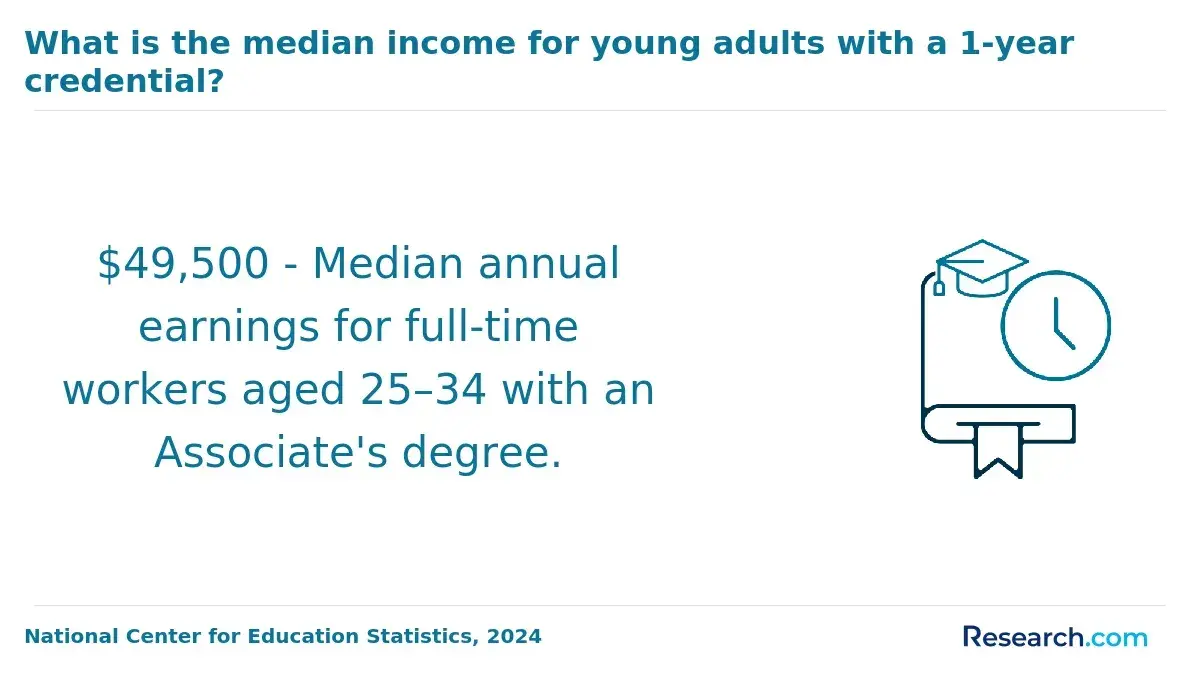
Associate degrees build foundational knowledge but frequently omit specialized e-commerce analytics and digital advertising skills critical for technical roles, potentially requiring supplementary on-the-job training. Bachelor's degrees better integrate theory and applied tools, preparing graduates for mid-level positions such as e-commerce analysts or digital campaign managers, especially in larger retail or B2B firms emphasizing data literacy and cross-channel strategy.
Master's programs extend this foundation, incorporating AI-driven marketing and strategic leadership necessary for senior roles including growth strategists or e-commerce directors. These advanced degrees suit those targeting executive paths but come with greater time and financial investments that must be justified by corresponding career gains.
For professionals aiming to align education with role-specific demands, understanding these tradeoffs is critical. Evaluating programs alongside career timing and ambition helps optimize outcomes, whether that means quick certificates or a more comprehensive operations management degree or master's credential.
How can students verify that an online marketing program is properly accredited and reputable?
Verification of online marketing program accreditation is a critical filter for distinguishing credible credentials from those with limited labor market value. Accreditation should be confirmed through recognized U.S. Department of Education-approved agencies or the Council for Higher Education Accreditation (CHEA) database. Regional endorsements from bodies like Middle States or WASC indicate academic rigor and enable eligibility for federal aid, an important practical consideration often aligned with employer expectations.
Beyond this, a reputable ecommerce marketing certification process demands transparent, verifiable outcomes data. Programs that can show employment rates exceeding 70% within six months after graduation in relevant ecommerce marketing roles better reflect curricula aligned with real-world employer needs, where mid-level positions in urban markets often command salaries between $95,000 and $115,000. Job placement and graduation statistics, alongside third-party employer feedback, are essential to assess.
Examining instructor credentials and industry partnerships adds another evaluative dimension. Programs with faculty engaged in active ecommerce businesses or digital marketing vendors provide relevance and on-the-job skill training, which often distinguishes market-ready graduates. Conversely, gaps in faculty industry experience or outdated tools suggest limited practical return on educational investment.
Students should also leverage direct alumni insights through professional networks, noting sector-specific skill demands-fashion ecommerce emphasizes SEO and social media, whereas industrial ecommerce prioritizes B2B lead generation. This nuanced understanding helps tailor career pivots effectively.
Ultimately, balancing program accreditation, demonstrable employability outcomes, instructional expertise, and industry fit determines whether the investment translates into valuable career currency. For those considering alternatives, exploring related credentials like a project management online degree may complement ecommerce marketing pathways.
- online marketing program accreditation verification
- reputable ecommerce marketing certification process
What core courses and specializations do top online marketing programs offer in e-commerce?
Programs focused on online marketing in e-commerce demand more than theory; they require proficiency in practical tools like Google Analytics, Shopify, and Salesforce to meet employer expectations for immediate impact. For example, a professional pivoting into digital marketing must be able to implement A/B testing and analyze conversion metrics effectively to optimize fast-moving retail or subscription service campaigns.
Course offerings typically span consumer behavior in digital contexts, data analytics, and supply chain management, reflecting the operational complexities of ecommerce logistics and customer retention. However, breadth can sometimes dilute depth-students should identify programs that combine data fluency with creative strategy and include compliance and cybersecurity modules to address regulatory and cross-border challenges common in global commerce.
Availability of specialized online marketing degrees has grown, particularly in hubs like New York, where institutions such as Berkeley College offer multiple focused programs. This variety can be a double-edged sword: learners need to balance the appeal of wide selection against the risk of programs heavy on outdated theory or lacking industry-standard platform training.
- Concrete skills in campaign automation and paid advertising techniques are essential for sustained employer ROI.
- Successful graduates contribute to improving conversion rates and long-term customer value rather than merely supporting brand awareness.
- Career changers must prioritize programs offering real-world application over abstract marketing principles.
What are typical admission requirements for online marketing programs focused on e-commerce?
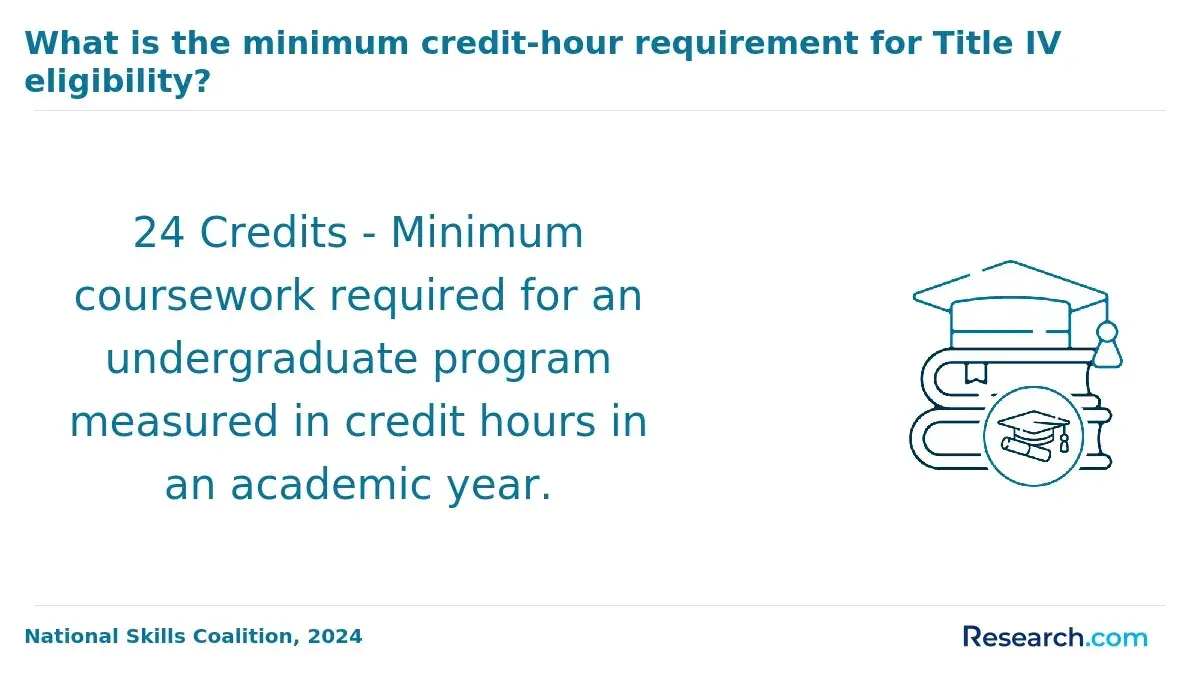
Online programs in marketing oriented toward e-commerce admissions prioritize candidates with demonstrated readiness for practical digital commerce challenges over purely academic credentials. While a high school diploma or equivalent is the minimal prerequisite, many programs expect postsecondary coursework or verifiable work experience, especially for advanced credentials. For example, an applicant pivoting careers from retail management into digital marketing might leverage prior professional experience in lieu of formal prerequisite classes.
Standardized tests are becoming optional but remain relevant for competitive tracks emphasizing quantitative analytics. Admissions may require portfolios or competency demonstrations with tools like Google Analytics, Shopify, or Facebook Ads-skills directly tied to employer expectations for roles such as digital marketing manager or social media manager. Candidates lacking these demonstrable digital competencies risk filtering out early, reflecting a decisive employer preference for measurable e-commerce expertise.
International students encounter added layers of complexity with English proficiency certifications and financial aid documentation, affecting timely enrollment. Synchronous class commitments pose practical constraints for working adults, requiring careful balancing of schedules.
The workforce landscape clarifies the stakes: marketing roles such as copywriter hold median salaries near $51,319, social media manager $67,516, and digital marketing manager $82,456. These figures illustrate the tangible earnings trajectory programs aim to prepare applicants for, reinforcing the need for admission criteria that align tightly with both real-world skills and career outcomes.
How long do online marketing degrees take, and what do they cost for e-commerce students?
Choosing an online marketing degree or credential requires balancing depth, duration, and employment relevance. Programs range from rapid six-month certificates ideal for skill-focused specialists to two-year associate degrees providing broader managerial preparation. Bachelor's degrees, typically four years and less common fully online in marketing or e-commerce, emphasize comprehensive theoretical frameworks suited for strategic leadership roles but entail higher time and financial commitments.
Cost and format reflect these tradeoffs: shorter credentials often range below $3,000, enabling quicker transitions into roles like SEO managers or digital ad specialists by focusing on current industry tools. In contrast, associate and bachelor's degrees, costing $10,000 to $40,000 per U.S. Department of Education 2024 data, align with positions requiring a wide understanding of business implications and leadership potential.
Employers increasingly prioritize demonstrable capabilities and relevant certifications over program length alone. For example, retail e-commerce professionals benefit from updated, lean credentials that keep pace with evolving technologies, while those switching careers may find value in the structure and comprehensive scope of degree programs spanning multiple semesters.
- Certificate and diploma programs: 6-12 months, $1,500-$3,000, focus on applied skills
- Associate degrees: approx. 2 years, $10,000-$20,000, balance theory and practice
- Bachelor's degrees: typically 4 years, $20,000-$40,000, emphasize strategic and leadership knowledge
Review of professional training options like Simplilearn's offerings reveals cost-effective alternatives to traditional graduate programs, facilitating faster entry into digital marketing functions without accruing excessive debt.
What e-commerce marketing jobs can graduates pursue, and what skills do employers seek?
Success in e-commerce marketing hinges on advanced analytical skills rather than traditional creative marketing talents. Employers seek professionals who can translate complex data into targeted strategies that drive ROI through customer segmentation and optimized campaign management. For example, a digital marketing analyst at a mid-sized retailer must track funnel drop-offs using real-time data and adjust ad spend dynamically to sustain profit margins. Without proficiency in tools like Google Analytics, SQL, and Excel, candidates face limited upward mobility, especially in fast-changing sectors such as consumer electronics and fashion e-commerce.
Key skills demanded include:
- Data interpretation combined with platform-specific expertise (Google Ads, Facebook Ads Manager)
- Customer behavior analysis and A/B testing for conversion optimization
- Clear communication of data-driven insights to cross-functional teams
The U.S. Bureau of Labor Statistics projects 8% growth for market research analysts from 2023 to 2033, with approximately 88,500 openings annually. This trend underscores the premium on quantitative and strategic market research skills.
Educational pathways that merge hands-on analytics training with real-world projects better align with employer expectations and improve employability prospects. Graduates who neglect to cultivate predictive modeling and competitor analysis skills may struggle to contribute strategically or adapt quickly to consumer trends, reducing their long-term relevance in an evolving market.
What is the salary outlook for e-commerce marketing professionals with online marketing degrees?
Salary outcomes for e-commerce marketing professionals with online marketing degrees vary widely, influenced by role specificity, industry, and geography. Digital marketing specialists earn around $65,000 on average, while marketing managers with e-commerce focus often exceed $90,000 annually. The practical tradeoff for transitioning from traditional marketing roles involves an expected 10-20% salary increase within 1-2 years when moving into consumer goods, technology, or online retail sectors.
Startups and smaller firms frequently offer compensation below the national median due to constrained budgets, presenting a coordination challenge for professionals balancing salary expectations with career growth. Employers emphasize skills demonstrated through updated certifications or degrees covering omnichannel commerce, automation tools, and data-driven strategies.
New York's diverse educational institutions provide flexible online marketing degree programs that accommodate working professionals, enabling skill development without disrupting income streams. However, mid-career salary escalation hinges more on measurable campaign ROI and technical dexterity in emerging platforms than on the pedigree of the degree alone.
Long-term earnings plateau rapidly without continuous upskilling in analytics and platform adaptability, highlighting the necessity for ongoing education beyond initial degree credentials. Prospective students should weigh immediate salary uplift against future growth limitations tied to market demands and evolving technological proficiency.
- Proficiency in SEO, SEM, and content management systems remains a baseline expectation.
- Certification programs with up-to-date curricula enhance negotiation leverage.
- Flexibility in learning modalities supports working professional integration.
Which industry certifications complement an online marketing degree for e-commerce careers?
Employers in e-commerce marketing prioritize certifications that provide immediate, demonstrable skills over theoretical marketing knowledge. Certifications from providers like Google Digital Garage, Coursera, Udemy, and Simplilearn deliver targeted training in SEO, data analytics, paid advertising, and content strategy-specific competencies critical for roles such as managing paid campaigns or interpreting consumer behavior. For example, Google Ads certification validates hands-on expertise in campaign optimization, often outweighing broader marketing coursework in hiring decisions.
Professionals benefit from stacking two to three relevant certifications sequentially to tailor their skill set for niche sectors like fashion retail or B2B marketplaces, where specialized platforms and metrics matter. However, these credentials require current curricula and must be backed by portfolio projects, since automated assessments rarely satisfy recruiters on their own.
Notably, combining an accredited marketing degree with focused certificates can improve employment prospects by 20% or more in competitive markets. Conversely, candidates lacking certifications risk being outpaced by peers proving practical competence through verified courses. This strategic credential layering bridges experience gaps with verifiable digital marketing capabilities essential for career pivots or advancement.
Key implications for students and professionals evaluating this pathway include:
- Certifications are most valuable when aligned with job-specific skills, not generic marketing knowledge.
- Practical projects accompanying certifications impact hiring more than credentials alone.
- Up-to-date content and recognized platforms signal credibility to employers.
- Credential stacking enhances profile differentiation in specialized e-commerce sectors.
Source Keywords: Marketing
Links: Google Digital Garage, Coursera, Udemy, Simplilearn
Other Things You Should Know About Marketing
A strong 2027 e-commerce marketing program should cover SEO, paid search, email automation, analytics, conversion rate optimization, and platform tools such as Google Analytics 4 and Meta Ads Manager. These skills are used to track traffic, improve sales funnels, and measure campaign performance.
Employers increasingly prioritize candidates with specialized e-commerce marketing expertise due to the distinct skills required for digital sales platforms, data analytics, and customer experience management. General marketing degrees without focused training in digital tools, platform-specific strategies, and performance measurement may limit immediate employability in e-commerce roles. Professionals should seek programs that offer applied modules or certifications in e-commerce technologies to enhance job readiness and differentiation in competitive applicant pools.
Certifications can accelerate skill acquisition in specific e-commerce areas but usually lack the comprehensive strategic and analytical foundation provided by degree programs. Employers often view certifications as supplemental rather than standalone credentials for professional advancement. Prioritize degree programs if long-term career growth, leadership roles, or broad marketing knowledge are goals; certifications are better suited for targeted skill upgrades or immediate tactical roles.
Program structures integrating live projects, internships, or collaborations with real businesses produce stronger employability outcomes by bridging theory and practice. Passive, lecture-heavy courses result in weaker portfolios and limited practical experience, reducing competitive advantage. Prospective students should prioritize programs mandating applied assignments and opportunities to build professional networks for a smoother transition into e-commerce marketing roles.
References
- Launch a Digital Marketing Career | Get Job-Ready | Google https://grow.google/certificates/digital-marketing-ecommerce/
- 15 Marketing Certifications to Build Must-Have 2025 Skills https://www.cmswire.com/digital-marketing/10-marketing-certifications-that-can-help-you-earn-a-better-salary/
- What Jobs Can You Get with the Google Digital Marketing Certificate? https://rebelsguidetopm.com/google-digital-marketing-certificate-jobs/
- Degree in Online Marketing - Updated 2026 https://uniscopio.com/en/bachelors-degrees/online-racing/online-marketing/
- Udemy https://www.udemy.com
- E-business: e-marketing & e-commerce - WSEI University https://www.wsei.pl/en/admission/bachelors-degree/e-business-e-marketing-e-commerce/
- What Is College Accreditation? How to Check If a School Is Legit https://abound.college/finishcollege/advice/accreditation-why-is-it-so-important/
- Simplilearn https://www.simplilearn.com
- Online Marketing Courses in 2026: Best Picks & Full Guide https://www.thehorizonsunlimited.com/blog/online-marketing-courses
- 5 Ways to Build a Great Career with a Digital Marketing Degree - Bethany College https://www.bethanywv.edu/5-ways-to-build-a-great-career-with-a-digital-marketing-degree/