2027 Best Online Marketing Programs for Professionals Seeking Career Mobility Across Marketing Functions

Co-Founder and Chief Data Scientist
Shifting between marketing specialties often requires acquiring diverse skills without sacrificing current job commitments or income. Yet, many professionals face rigid program schedules and limited modular options, creating barriers to timely career mobility. Recent data from the National Center for Education Statistics reveals a 23% surge in adult enrollment in online marketing programs, indicating a growing demand for flexible, career-aligned education.
This trend reflects employers' increasing preference for candidates demonstrating both practical proficiency and adaptable credentials across marketing functions. This article evaluates the best online marketing programs designed to accommodate working professionals aiming for strategic, cross-functional career advancement in marketing.
Key Things You Should Know
- Marketing programs averaging 12 months yield 14% faster promotions in multi-functional roles but risk narrower skill depth, per 2024 LinkedIn data on U.S. professionals shifting functions.
- Employers report 68% preference for candidates with cross-disciplinary analytics exposure, creating pressure to select programs integrating data fluency over pure creative focus, according to the 2024 CMO Council study.
- Programs priced above $20K delay career pivot ROI by 18 months on average due to opportunity costs and extended completion times, highlighting the tradeoff between investment and timely market re-entry in competitive Marketing sectors.
What makes an online marketing program best for professionals seeking cross-functional career mobility?
Effective online marketing programs designed for professionals pursuing cross-functional career mobility must deliver skills that are both versatile and directly applicable to diverse business roles. Employers prioritize candidates who demonstrate expertise in data analytics, digital strategy, content creation, and customer relationship management-core competencies that enable seamless transitions across brand management, sales enablement, and product marketing.
For example, a professional shifting from digital marketing to product marketing benefits significantly from hands-on portfolio projects involving multi-channel campaigns and consumer behavior insights. Programs offering applied learning tied to real-world challenges improve employability more than those with purely theoretical content.
Proficiency in key marketing technologies-such as CRM software, SEO tools, and marketing automation platforms-signals operational readiness across multiple departments and is preferred by employers. Such practical capabilities are essential when evaluating the best online marketing programs for career advancement.
Additionally, schedules that accommodate working professionals with asynchronous formats and clear milestones foster completion and skill mastery. Strong career services and mentorship that facilitate networking further bolster internal mobility and industry exposure. Salaries for marketing managers with a bachelor's degree average $158,280 annually, with a 7% growth rate through 2032, reflecting the advantage of formal credentials in talent mobility and compensation.
Those researching advanced education options may find value in exploring a range of degree formats and costs. Resources like the master's in marketing highlight critical tradeoffs between tuition, program length, and post-graduation earnings that influence strategic choices for career pivots and advancement.
How do online marketing degrees compare with on-campus options for working professionals?
Choosing between on-campus and online marketing programs requires a realistic assessment of professional demands and learning environments. On-campus degrees support roles requiring robust interpersonal interaction and network-building, such as product marketing managers working closely with sales and creative teams. These programs offer structured group projects and spontaneous mentorship, valuable for developing cross-functional collaboration skills.
In contrast, online marketing degree advantages for working professionals include flexible scheduling and immediate application of concepts tailored to specific industries. For example, a data analyst shifting to marketing research can engage with focused courses on data interpretation tools without disrupting their current job or relocating. Despite lingering doubts about online credentials, many employers now value accredited online programs when paired with proven skills and relevant experience.
The 13% projected employment growth for market research analysts and marketing specialists through 2032 reflects demand for professionals who combine data analysis with strategic execution. Here, online programs that update curriculum swiftly offer a practical edge over on-campus degrees, which often lag in refresh cycles.
Deciding which path to pursue hinges on variables such as available time, industry exposure, and the need for face-to-face mentorship versus flexible learning. Working professionals targeting accelerated mobility across marketing functions must weigh these tradeoffs carefully. Exploring specialized pathways like CAHIIM-accredited health information management programs online can also offer insight into rigorous online credentials applicable across sectors.
What types of online marketing credentials support mobility across different marketing roles?
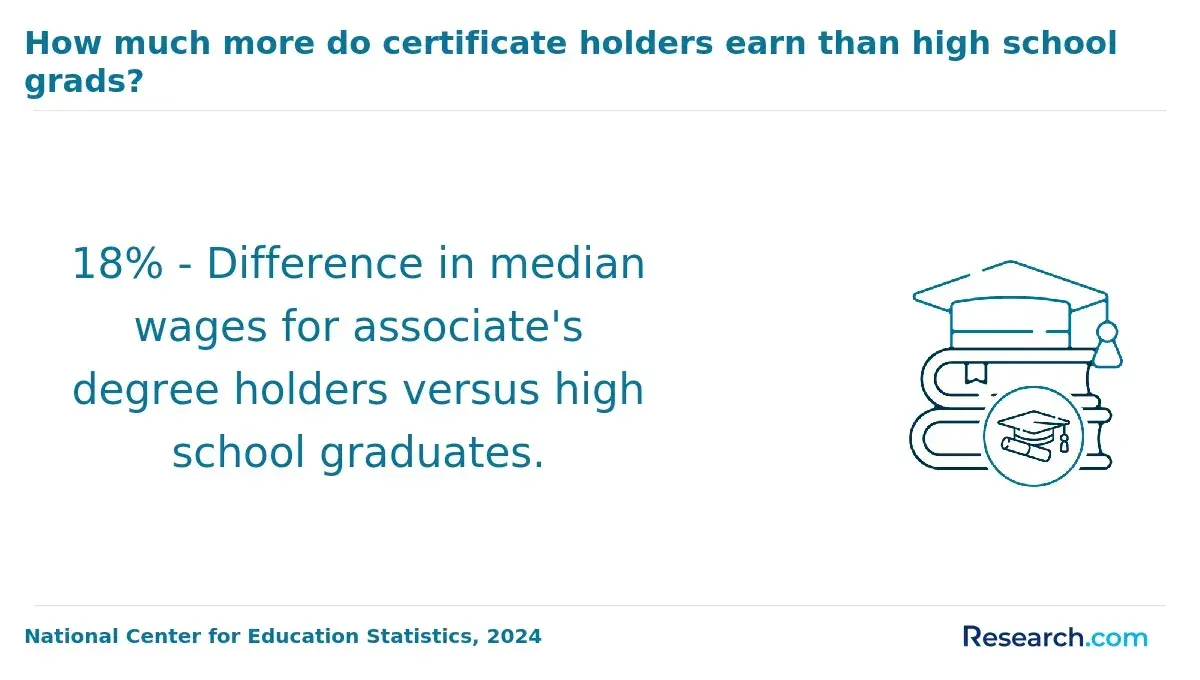
Choosing the right online marketing certifications for career advancement hinges on understanding employer priorities and the practical scope of credentials. Comprehensive professional certificates-ranging roughly from $3,000 to $7,000-offer focused skill development in SEO, content marketing, analytics, and paid advertising that employers expect. These programs foster mobility between specialized roles, such as shifting from content creation to analytics, by emphasizing applied, measurable skills.
In contrast, full online marketing degrees deliver deeper strategic and managerial competencies suited for leadership or cross-functional roles involving product marketing, brand management, and customer insights. Their substantially higher costs and longer durations mean reduced short-term return on investment, making them less attractive for professionals needing a rapid pivot.
For example, an ecommerce marketing professional aiming for data-centric roles should prioritize credentials that emphasize analytics and marketing technology, often found within targeted certificate programs. This approach aligns with hiring trends favoring demonstrable competencies via project portfolios or certification badges over broad marketing degrees.
Career stage and mobility goals influence credential choice: early-career individuals may prefer cost-efficient certificates to acquire flexible skills, while experienced managers often invest in graduate-level qualifications despite expense. For those evaluating education pathways, including in linked domains such as finance, it's helpful to compare options like an online finance degree to assess cross-functional marketing credentials for professionals who seek strategic versatility beyond marketing's immediate scope.
What accreditation and institutional quality signals should online marketing students look for?
Choosing accredited online marketing programs for career advancement requires careful scrutiny beyond simple institutional labels. Regional accreditation remains the baseline for credit transfer and employer recognition, with bodies like the Middle States Commission on Higher Education, the Higher Learning Commission, or the Western Association of Schools and Colleges establishing fundamental academic standards.
However, employers increasingly value certificates co-developed with industry leaders such as Google or HubSpot, as these often translate to hands-on skills in SEO, analytics, and content strategy directly applicable to evolving job roles. Deciding between free or low-cost programs and premium offerings involves tradeoffs around depth and support.
Basic courses like Google Digital Garage deliver foundational skills but may lack advanced business applications or personal career guidance crucial for leadership roles. In contrast, expensive certificates from top-tier institutions demand significant time and upfront investment and may pose challenges for working professionals balancing multiple responsibilities.
Practical outcomes such as documented employment rates and employer partnerships should influence decision-making: programs that consistently place graduates in digital analytics, brand management, or content creation roles demonstrate meaningful returns on investment. Maintaining curriculum currency and reviewing alumni career trajectories offer further insight into program responsiveness to market demands.
For those examining top-quality institutional accreditations in online marketing education, these factors ensure alignment with workforce realities. An example of accreditation rigor relevant across professional disciplines can be found through resources like CAHIIM-accredited HIM degree online, illustrating the impact of recognized quality standards on career pathways.
What core courses and specializations help marketers move between digital, brand, and analytics roles?
Effective marketing professionals must bridge quantitative data skills with brand strategy to navigate today's varied roles. Core training must emphasize foundational abilities in data analysis, consumer psychology, and integrated campaign planning. Those transitioning from brand management to analytics, for instance, must seek courses in A/B testing and attribution modeling, recognizing the operational shift toward data-driven decision-making.
Conversely, marketers moving into digital marketing need practical training in SEO, paid media, and social media tactics due to their technical and execution-centric nature. Programs that integrate skills like SQL, Google Analytics, and data visualization with storytelling and competitive positioning better prepare students for the fluid demands of marketing roles.
Specializations such as product marketing or growth marketing are critical in teaching how to segment messaging based on real-time data feedback, which is crucial for targeted outreach. Consider a marketer shifting from brand roles in consumer packaged goods (CPG) to social media analytics in technology: this requires balancing creative content development with technical campaign tracking, a tradeoff involving time invested in mastering analytics but necessary to measure performance accurately.
Employers increasingly seek candidates demonstrating proficiency in both data fluency and narrative strategy to ensure adaptability across functions. Blended curricula that combine project-based analytics tools with creative strategy can simulate this dual capability, making practical career mobility achievable and sustainable.
How long do online marketing programs take and what do they typically cost?
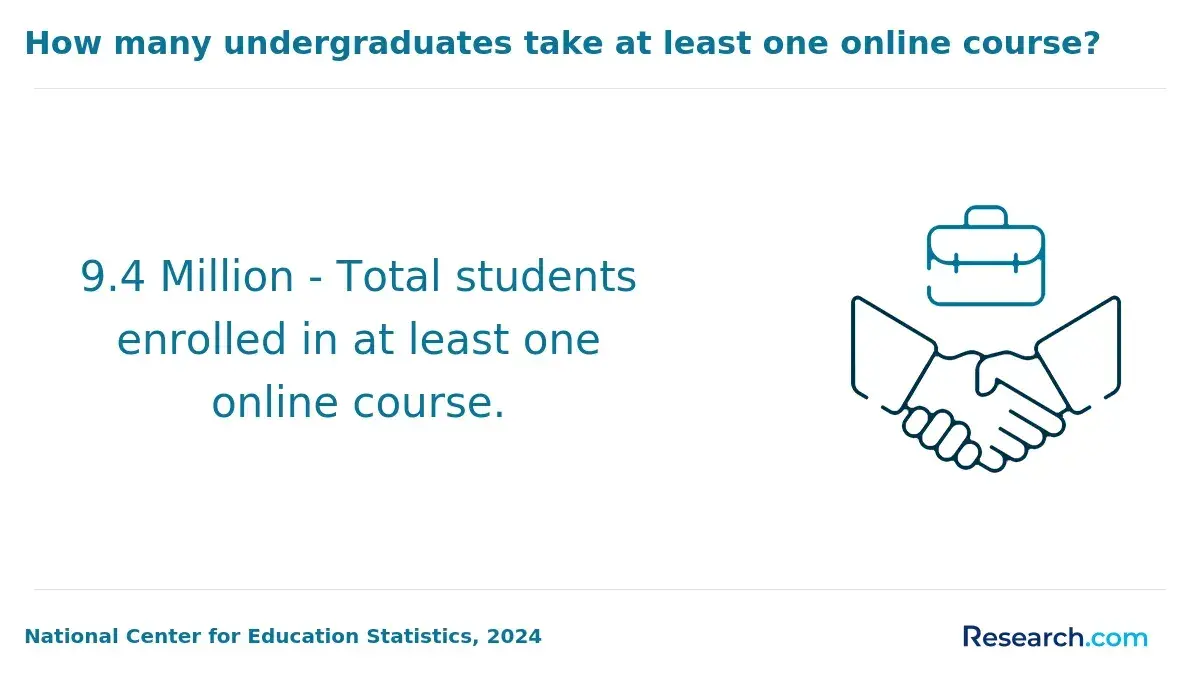
Choosing between marketing educational pathways requires balancing time, cost, and specific employment objectives. Non-degree certificates, often ranging from 3 to 9 months, serve professionals seeking a swift pivot with tangible outcomes such as job placement guarantees within six months or tuition refunds. These programs, typically priced between $3,500 and $8,000, focus heavily on practical skill acquisition and accelerated learning.
Degree programs, spanning 18 to 24 months or longer, carry higher price tags from $15,000 up to $40,000 and are better aligned with roles demanding comprehensive marketing theory and strategic management capabilities. Employers place greater value on such degrees for leadership or cross-functional responsibilities, while certificates often meet the threshold for entry or intermediate digital marketing roles.
For example, a professional transitioning from a non-marketing field with an urgent need for employment might prioritize a short certificate with proven job outcome assurances. Conversely, those targeting advancement into broader leadership roles within marketing teams will face tradeoffs favoring longer degree programs despite greater time and financial investments.
Key factors influencing decisions include program reputation, employer recognition, and format flexibility aligned with work-life demands. Programs lacking credibility or relevance risk resulting in underemployment or stalling career mobility.
What are the admission requirements for competitive online marketing bachelor's and master's programs?
Online bachelor's and master's programs in marketing impose firm academic thresholds, but their practical value hinges on how well applicants align credentials with employer expectations. Bachelor's applicants generally need a high school diploma with roughly a 3.0 GPA and, less frequently, SAT/ACT scores as many top programs waive them.
Master's candidates require a relevant bachelor's degree with a minimum 3.0 GPA plus GRE or GMAT scores, though work experience can exempt some from testing. This threshold reflects the market's demand for candidates who combine academic foundation with applicable skills.
A mid-level marketing manager aiming to pivot strategically must supplement formal requirements with a portfolio that proves leadership in digital campaign execution or analytics. Admission committees prioritize demonstrated outcomes such as measurable ROI growth or revenue impact over paper credentials alone. This practical evidence bridges academic study and professional advancement, particularly in executive and advanced programs offered by leading institutions.
Key factors influencing admission success include:
- Relevant job history showcasing quantifiable marketing outcomes
- Letters of recommendation from industry supervisors attesting to specific skills and leadership
- Personal statements with clear, functionally oriented career goals aligned with digital marketing specialties
Top-tier hybrid models emphasize not just theory but measurable contribution to marketing functions, preparing candidates for rigorous study that directly correlates to workplace performance and mobility.
What marketing careers and advancement paths can online marketing graduates pursue?
Graduates of online marketing programs face a competitive labor market where advancing beyond entry-level roles requires more than academic credentials. For instance, marketing managers often transition from executing campaigns to managing cross-functional teams and budgets, demanding both strong analytical abilities and leadership agility. Employers value candidates who can adapt to technology shifts without losing sight of strategic goals.
Market research analysts typically start with data gathering before progressing to specialized fields like consumer behavior analysis or competitive intelligence. Mastery of advanced analytics tools and the ability to communicate insights clearly are critical to professional growth.
Public relations specialists encounter sector-specific demands, from crisis communication to digital outreach, especially in healthcare, finance, or technology. Demonstrated competency in remote collaboration and relevant certifications increasingly influence hiring decisions.
Online marketing credentials can pose networking challenges that slow career mobility. To mitigate this, supplementing studies with internships or mentorships provides practical exposure and stronger employer appeal. Success in this field often hinges on combining formal education with project management experience and proven teamwork in virtual environments.
Key workforce realities to consider include:
- Compliance and regulatory constraints in certain industries that shape role responsibilities.
- Agency environments requiring rapid response to client demands and tight deadlines.
- Employer preference for candidates showing both digital marketing acumen and remote work readiness.
These dynamics clarify why strategic planning beyond coursework plays an essential role in leveraging an online marketing degree for sustainable employment gains.
What salary ranges and job outlook can experienced marketers expect after upskilling online?
Salary outcomes for marketers investing in online upskilling vary sharply based on specialization, demonstrating the tangible value of targeted skill acquisition. Entry to mid-level roles incorporating automation skills often start near $65,000, with significant upward movement possible upon mastery of AI integration, personalization engines, and marketing automation platforms.
Digital marketing managers focusing on data analytics or AI-driven strategies command higher compensation, typically ranging from $90,000 to $115,000, reflecting employer demand for technical proficiency. Employers increasingly expect credentials beyond generic certificates, favoring project-based experience that signals readiness for strategic roles involving campaign optimization and customer experience innovation.
This is evident in roles supported by the "AI in Digital Marketing" program, where professionals are positioned for the 10% projected growth in marketing analyst jobs due to AI and automation adoption, according to U.S. Department of Labor data. Professionals aiming to pivot across marketing functions-content creation, SEO, paid media, or analytics-may gain an additional $15,000 to $25,000 annually when supplementing domain expertise with technical upskilling.
Yet, tradeoffs include mandatory continuous learning amid fast technology evolution and sector-specific salary growth disparities: tech and finance sectors usually outpace retail in compensation growth and adoption speed. The decision to upskill must account for regional economic conditions and industry demand forecasts to maximize ROI and secure roles offering upward mobility. Aligning educational investments with employer expectations and practical work experience is crucial for sustainable salary advancement and role flexibility.
How should professionals evaluate and choose a reputable online marketing program?
Choosing an online marketing program requires more than surface-level curriculum review; relevance to specific career objectives and measurable outcomes must drive selection. A product marketer transitioning into growth marketing, for instance, benefits most from programs delivering applied skills in performance metrics and optimization tools rather than general theories.
Verification of program credibility hinges on transparency around graduate employment rates and tangible career progression, not superficial marketing claims. Professionals balancing work and study should weigh programs that offer cohort-based, live sessions and real-world case projects against purely asynchronous options, as interactive formats improve retention and practical application.
Cost must be analyzed alongside hiring support. A $3,000 six-month program with strong employer networks and job placement may justify its price tag over a $500 course lacking career services, especially for professionals needing swift role adaptation. Additionally, alignment with industry-recognized standards ensures credentials retain long-term value amid evolving employer expectations.
Other Things You Should Know About Marketing
In 2027, top online marketing programs for career mobility include courses from institutions like Wharton Online, Kellogg School of Management, and LinkedIn Learning. These programs offer comprehensive curricula covering brand management, digital strategy, and data analytics, equipping professionals with versatile skills applicable across marketing functions.
Workload intensity is a critical factor for employed marketers balancing upskilling and job duties. Programs with asynchronous formats and modular coursework reduce conflict with work schedules but may extend time to completion. Intensive, cohort-based formats accelerate learning and networking but require significant time commitment, which can lead to burnout. Choose a program structure aligned with your current professional bandwidth to ensure sustainable progress toward career goals.
Employer valuation of online marketing credentials varies by industry and company size. Large firms and tech-forward sectors prefer credentials tied to recognized universities and programs emphasizing data-driven skills. Smaller businesses or startups may prioritize demonstrated practical skills and portfolio outcomes over credential origin. Assess industry hiring patterns, and when possible, select programs known for embedding real-world projects that can be showcased during job applications.
Many programs align coursework with the Google Ads certification, Meta Certified Digital Marketing Associate, and HubSpot Content Marketing Certification. Some also prepare students for Salesforce Marketing Cloud credentials. These alignments matter because employers often use them to verify platform skills, campaign execution, and marketing automation knowledge.
References
- Careerfoundry - Digital Marketing https://careerfoundry.com/en/digital-marketing
- Best Digital Marketing Online Courses Learn & Get Hired 2026 https://visionclick360.com/digital-marketing-online-courses-career-growth/
- Digital Marketing Salary in India 2025: Role-Based Breakdown & Career Growth https://mycaptain.in/blogs/digital-marketing-salary-india-2025
- Best Online Digital Marketing Courses for Career Training https://www.turingcollege.com/blog/best-online-digital-marketing-courses
- The Role of Digital Marketing in Public Higher Education Organizations in Attracting Younger Generations - Expert Journal of Marketing https://marketing.expertjournals.com/23446773-904/
- 8 Top Marketing Certification Programs That Will Advance Your Career in 2026 | Modern Marketing Institute https://www.modernmarketinginstitute.com/blog/8-top-marketing-certification-programs-that-will-advance-your-career-in-2026
- CourseCareers https://coursecareers.com/blog-posts/digital-marketing-certificates-compared
- What Type of Digital Marketer Can I Become? https://www.learndirect.com/pillar/what-type-of-digital-marketer-can-i-become
- What does a marketer earn? - WerfSelect https://werfselect.nl/en/marketing-en/what-does-a-marketer-earn/
- What’s the Difference Between Online vs. On-Campus Digital Marketing Master’s Programs? | Digital Marketing Institute https://digitalmarketinginstitute.com/blog/whats-the-difference-between-online-vs-on-campus-digital-marketing-masters-programs