2027 Best Online Marketing Degrees for Market Research Careers

Co-Founder and Chief Data Scientist
Choosing the right online marketing degree to enter or advance in market research presents a complex challenge: balancing program flexibility with the depth of analytical training employers demand. The U. S. Department of Education's 2024 data shows a 13% rise in enrollment among adult learners pursuing online degrees in business fields, signaling increased competition and diverse candidate profiles.
This shift demands scrutiny of programs that not only fit irregular schedules but also deliver skills tied directly to data interpretation, consumer insights, and digital toolsets crucial in market research roles. This article evaluates top online marketing degrees designed to meet these practical and career-driven criteria, guiding readers toward informed decisions that align with real workforce needs.
Key Things You Should Know
- Data from the U.S. Bureau of Labor Statistics projects 10% growth in market research analyst roles through 2032, favoring degrees with extensive data analytics over general marketing, creating a tradeoff between specialization and broader credential appeal.
- Employers prioritize candidates with proficiency in advanced statistical software and real-world research experience; programs lacking integrated internship pathways see 25% lower job placement rates according to the 2024 Georgetown University report.
- Cost and duration vary widely: accelerated online market research degrees reduce time-to-employment by up to 40% but often at a 20% higher tuition cost, introducing a critical timing versus affordability tension.
What is an online marketing degree with a market research focus, and who is it best for?
An online marketing degree program with a market research specialization offers targeted training in data analysis, consumer behavior, and research methods designed for direct applicability in market research roles. Unlike broader marketing degrees that emphasize branding or promotions, this specialization equips students for positions such as market research analysts and consumer insights specialists, prioritizing skills in quantitative and qualitative data interpretation.
Employers expect candidates, particularly in retail or product development sectors, to proficiently manipulate complex datasets using tools like SPSS, SQL, and Excel to generate actionable business strategies with minimal onboarding. Graduates from the best online marketing degrees for market research careers are more likely to meet these practical demands straightaway.
Success in these online programs requires disciplined time management due to limited in-person mentorship and greater reliance on virtual internships, case studies, or capstone projects. Students must actively pursue these experiences to gain hands-on skills. Employment projections from the U.S. Bureau of Labor Statistics indicate a 7% growth rate for market research analyst roles through 2034, underscoring expanding demand for professionals who can translate consumer data into competitive advantage.
This pathway suits working professionals seeking a strategic pivot or enhancement in marketing analytics without on-campus attendance. Those exploring financial disciplines alongside marketing might compare this path to an online degree in finance for complementary quantitative rigor.
How can an online marketing degree prepare you specifically for market research careers?
An online marketing degree sharpens specific analytical skills crucial for market research, such as data interpretation, customer segmentation, and familiarity with digital analytics tools like Google Analytics and CRM software. For instance, graduates applying these skills in retail can strategically tailor product placements and promotional campaigns according to consumer behavior insights.
This practical application illustrates how an online marketing degree enhances market research skills by bridging theory with actionable outcomes. Preparing for a market research career with an online marketing degree involves navigating program variability, particularly regarding quantitative rigor.
While many programs include hands-on projects and case studies simulating real-world challenges-like evaluating marketing campaigns or spotting emerging trends-lack of advanced statistical training can limit eligibility for technically demanding roles involving predictive modeling or econometrics. The labor market reflects the value of these competences through robust demand and competitive pay, with median wages around $76,950 annually per the U.S. Bureau of Labor Statistics.
However, the flexibility online degrees offer working professionals comes with the need for self-motivation and proactive pursuit of internships or practical experience to translate coursework into employability. Prospective students should evaluate offerings carefully, considering both curriculum depth and alignment with desired market research roles. Those researching options may find the best colleges for social media marketing a relevant resource for benchmarking program quality.
What types of online marketing degrees lead to market research roles (associate, bachelor's, master's)?
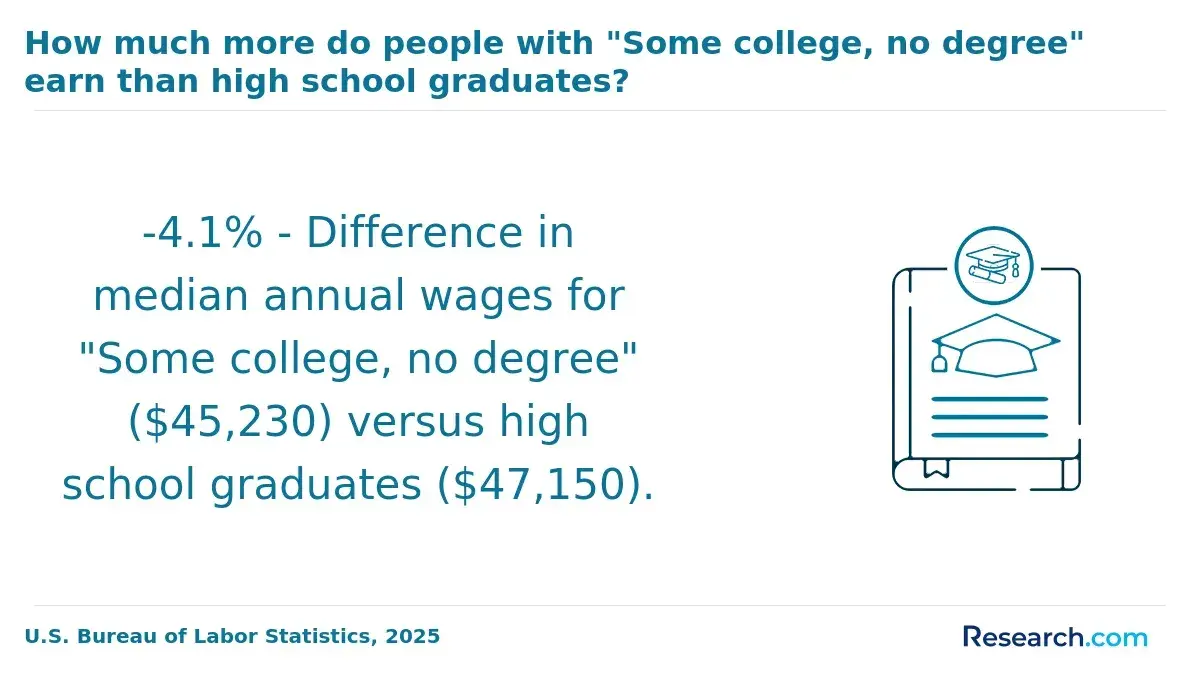
Choosing among associate, bachelor's, and master's online marketing degrees for market research careers requires balancing educational depth, cost, and employer expectations. An associate degree offers only the basics of data gathering and consumer analysis, generally limiting candidates to entry-level or support roles, often necessitating additional certifications or experience to compete.
Bachelor's degrees hold practical value by integrating coursework in statistics, digital analytics, and consumer psychology, coupled with hands-on projects using real datasets. This prepares graduates for independent data interpretation and strategic roles widely preferred by hiring managers who prioritize candidates with substantial market research methodology experience, including CRM and survey software competency. Online bachelor programs typically embed internships or practical components that increase employability.
For those targeting senior or specialized data modeling positions, master's degrees in marketing analytics or market research are increasingly required, emphasizing advanced quantitative techniques and experimental design. Market realities reflect that mid-level market research analysts earn median salaries around $95,000, justifying investment in rigorous analytical and communication skills development.
Practical tradeoffs also exist: while associate pathways reduce upfront investment, reaching analyst-level responsibilities often demands supplemental credentials or significant work experience. Professionals should weigh these variables when considering construction management degree online programs or comparable alternatives within applied business disciplines.
How do online marketing programs for market research compare with campus-based options?
Choosing between online marketing degree programs versus traditional campus degrees for market research hinges on practical tradeoffs related to experiential learning and employer expectations. While comprehensive online programs, such as Florida International University's online marketing bachelor's, deliver rigorous analytics training and report early-career earnings averaging $53,157, these figures mirror traditional campus outcomes, signaling growing acceptance of online credentials in roles focused on consumer insights and data analysis.
Comparing online and campus-based marketing education for market research careers reveals important distinctions beyond academics. Online pathways offer flexibility vital for working professionals balancing competing priorities but require deliberate efforts to obtain internships or real-world projects that campus students access more directly through face-to-face networking and mentorship.
For example, a professional pivoting into market research at a consumer goods firm can rely on remote internships and virtual data labs embedded in top online programs to demonstrate relevant skills. Employers in industries like pharmaceuticals or professional services often prioritize hands-on client engagement and alumni connections, advantages more readily available through on-campus experiences.
Students must weigh delivery mode against their ability to secure applied experience and build networks essential for competitive entry. For those evaluating healthcare sector advancement, related specialized degrees such as the MBA in healthcare management reflect similar considerations around flexibility and experiential demands.
What should you look for in accreditation and program quality for online marketing degrees?
Employers typically use accreditation as a practical filter when assessing online marketing degrees, making program credibility vital for hiring and promotion decisions. Regional accreditation recognized by the U.S. Department of Education or CHEA remains the baseline, while supplementary endorsements from bodies like AACSB or ACBSP serve as stronger differentiators. Choosing a program without such credentials can limit access to data-driven marketing roles where verifiable expertise matters.
Curriculum design heavily influences employability. Programs that integrate applied learning-such as real-world campaign projects and use of current marketing research tools-better prepare students for the evolving digital marketplace. Faculty with active industry roles or research responsibilities ensure course content remains relevant to market needs.
Cost is a determining factor for working professionals. Average in-state tuition for online master's in marketing is approximately $20,500 annually-about $8,500 less than in-person equivalents-offering financial relief but demanding scrutiny on return-on-investment relative to salary trajectories.
For students pursuing the shortest MBA, flexibility also frames success. Asynchronous delivery paired with effective career services and networking access supports professionals balancing work and study. Conversely, outdated platforms or limited interaction reduce practical value and undermine immediate application of skills.
What core courses and specializations build strong market research skills in online marketing programs?
Programs emphasizing core courses in data analysis, consumer behavior, and research methods offer essential skills for evidence-based marketing decisions. Key classes in quantitative methods, econometrics, and statistics equip students to design targeted surveys and interpret large datasets-critical for roles like retail marketing where segmentation analysis directly impacts campaign effectiveness.
Practical competency also depends on specialized coursework in digital analytics, CRM software, and AI-driven research tools. Proficiency with platforms such as Google Analytics and Tableau aligns with employer expectations, especially in fast-paced sectors like e-commerce and technology where real-time consumer insight is business-critical.
Global market challenges necessitate inclusion of competitive intelligence and cross-cultural research methodologies. Candidates targeting multinational corporations must comprehend international consumer trends and regulatory constraints, expanding the curriculum beyond domestic focus.
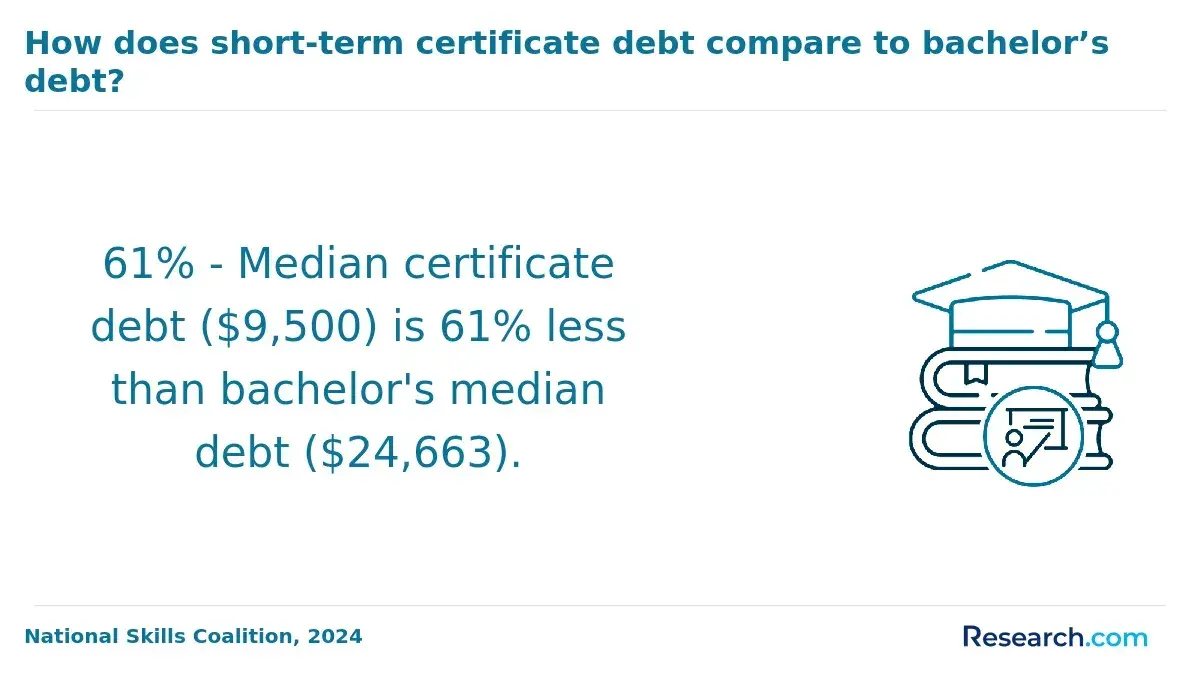
From a financial perspective, cost differences present a significant consideration. The average online marketing bachelor's program charges roughly $320 per credit for in-state students, offering a cost-effective alternative to private campus programs averaging $550 per credit, enhancing accessibility without necessarily lowering program quality.
- Strong emphasis on statistical and econometric analysis supports precise market segmentation.
- Specialized digital analytics training readies graduates for AI-enhanced tools used in real-time data interpretation.
- Global market curricula respond to multinational research demands and regulatory factors.
- Online program pricing models reduce financial barriers while maintaining skill relevance.
What are typical admission requirements and time to completion for online marketing degrees?
Admission requirements for online marketing degrees tailored to market research careers demand a mix of academic credentials and relevant experience, reflecting employers' rising standards for quantitative expertise. Bachelor's programs primarily require a high school diploma and sometimes standardized tests, though many waive these now. Graduate degrees necessitate an undergraduate degree, often in business or economics, transcripts, and occasionally GRE scores.
Relevant professional experience in data analytics or research can materially strengthen applications and offset weaker academic records. Time to degree completion varies significantly by enrollment status and credit acceleration. Full-time bachelor's students typically finish in four years, but transferring credits or continuous enrollment can shorten this to two or three years. Part-time learners often take five to six years.
Master's programs in marketing or market research usually last one to two years full-time, extending to three or more for part-time students balancing employment obligations. Employers increasingly prioritize candidates skilled in statistics, consumer psychology, and applied data analytics, especially as market research roles are projected to grow 19% from 2021 to 2031 according to ASU Online citing the Bureau of Labor Statistics.
Selecting an accelerated program focusing on practical analytics can expedite workforce readiness but demands greater upfront commitment. Conversely, slower pacing accommodates working professionals yet delays labor market entry or advancement, forcing candidates to weigh timing against career goals.
How much do online marketing degrees for market research cost, and what financial aid is available?
Cost considerations for online marketing degrees with a focus on market research present immediate tradeoffs between affordability and program depth. Public state universities often offer lower per-credit tuition-typically $300 to $800 in-state-making them financially accessible but potentially limited in specialty course options. Private institutions charge more, between $600 and $1,200 per credit, which may include accelerated paths or niche concentrations that extend credit requirements.
Mid-career professionals frequently rely on employer tuition reimbursement to offset expenses, particularly when seeking to pivot into marketing research roles without disrupting income. Federal aid such as Pell Grants and Direct Loans requires FAFSA completion and accredited enrollment but can substantially reduce out-of-pocket cost. Scholarship opportunities exist but tend to reward academic merit or industry experience more than financial need.
Graduates' reported salaries from online marketing bachelor's programs hover within 3-5% of their on-campus counterparts, suggesting minimal return-on-investment penalties for online formats. For example, a retail marketing professional might accept a modestly lower starting salary for greater scheduling flexibility and continued employment. Yet, employment outcomes hinge more critically on program accreditation and experiential learning offerings than on tuition cost alone-key factors for sustainable career growth in marketing research.
What entry-level and advanced jobs can you get in market research with these degrees?
Entry-level roles for graduates with online marketing degrees often center on practical data handling skills rather than theoretical marketing frameworks. Positions such as Market Research Analyst or Consumer Insights Associate require proficiency in statistical analysis and survey design tools like Excel or SPSS. For example, a Market Research Analyst in retail may dissect purchase behavior data to optimize inventory, balancing quantitative analysis with sector familiarity.
Progressing beyond entry-level demands a blend of advanced analytical capabilities and leadership aptitude. Senior roles-such as Marketing Analytics Director or Consumer Behavior Strategist-entail managing complex projects, applying machine learning techniques, and translating deep data insights into strategic decisions. These positions usually expect a master's credential or significant industry experience, underscoring the value of comprehensive training over faster, certificate-based options.
While short-term certificates and bootcamps can quickly build specific skills, employers prioritize formal degrees combined with hands-on experience for higher-tier roles. Real-world internships and portfolio projects carry substantial weight given competitive entry-level hiring trends, especially as enrollment for online market research and marketing analytics education increased notably between 2022 and 2024, per Coursera's 2025 data.
Long-term success hinges on balancing technical expertise with business acumen, understanding that specialized short courses accelerate entry but often limit cross-industry mobility. Candidates who swiftly apply statistical insights in marketing contexts distinguish themselves in a market that weighs practical impact alongside credentials.
What salary ranges and job outlook can marketing graduates expect in market research roles?
Entry-level market research roles for marketing graduates typically start between $50,000 and $75,000 annually, with significant variation based on industry and location. Consumer goods and healthcare sectors generally offer salaries near the lower end, while technology and finance companies often begin hires around $70,000 or more. Progression beyond 3-5 years can lead to senior analyst positions earning $90,000 to $120,000.
Advancement into managerial roles-such as advertising, promotions, and marketing managers-can push salaries substantially higher, with the U.S. Bureau of Labor Statistics citing a median of $159,660 and a faster-than-average job growth rate of 6% over the decade. These figures underscore the premium placed on candidates who combine research skills with strategic business understanding.
Practical differentiation comes from mastering cross-functional skills like data analytics and strategic communication. For instance, a researcher adept in predictive analytics within retail might transition to managing product campaigns earning upwards of $150,000. Conversely, specialists focused narrowly on data collection without interpretation often encounter restricted career mobility and stagnant pay.
Graduates aiming to remain competitive should prioritize programs that embed applied analytics and real-world research experiences. Employers seek those who can translate complex data into actionable insights rather than merely produce reports. Neglecting this skill set risks stalling professional growth despite market demand.
Other Things You Should Know About Marketing
Choosing between a broader marketing degree and a specialized one depends on your career goals. Broader programs offer flexibility to pivot within marketing roles but may not provide deep market research skills. Specialized degrees focus more on analytics, consumer behavior, and data interpretation, which employers in market research prioritize. If your goal is a dedicated career in market research, prioritize programs with strong quantitative coursework and hands-on research projects.
Employers prioritize candidates who demonstrate strong analytical skills, experience with data tools, and relevant internships or projects regardless of degree delivery mode. While some employers remain cautious about online degrees, market research roles value proven technical skills over where the degree was earned. To improve employability, online students must supplement education with certifications, portfolio work, or real-world analytics experience to offset any perceived shortcomings.
Most online bachelor’s programs require about 120 semester credit hours, while a master’s degree usually takes 30 to 36 credits. For market research careers, look for coursework in statistics, consumer behavior, research methods, and analytics, because those subjects support survey design and data interpretation.
References
- Navigating Online Program Marketing in a Sea of Change | Carnegie https://www.carnegiehighered.com/online-program-marketing-without-opms/
- Digital Marketing Major https://www.kozminski.edu.pl/en/digital-marketing-major
- Earn an Online Marketing Degree https://www.oedb.org/rankings/online-marketing-programs/
- What is a Market Research Analyst? - Career Insights | Teal https://www.tealhq.com/career-paths/market-research-analyst
- 2025 Most Affordable Online Marketing Degrees https://www.onlineu.com/most-affordable-colleges/marketing-degrees
- "Online Program Marketing: Digital Acquisition Strategy for Online and Hybrid Programs" https://resources.rework.com/libraries/higher-education-growth/online-program-marketing
- Core skills you need for a marketing career | edX https://www.edx.org/resources/core-skills-to-launch-your-career-in-marketing
- Tuition-Free Distance Learning Program in Marketing - UNYBT https://unybt.com/tuition-free-marketing/
- The 8 Types of Market Research - Qualtrics https://www.qualtrics.com/articles/strategy-research/market-research-types/
- Careers in Marketing: What Can You Do with a Marketing Degree? https://www.mastersincommunications.com/faqs/careers-in-marketing