2027 Best Online Marketing Degrees for Customer Acquisition Careers

Co-Founder and Chief Data Scientist
Securing a role focused on customer acquisition demands more than theoretical knowledge; it requires mastering data-driven strategies that directly impact revenue growth. Many professionals find that traditional marketing programs fall short in flexibility and relevance, particularly when juggling work or family commitments. The National Center for Education Statistics reported a 12% increase in part-time online enrollment for marketing-related fields over the past year, reflecting a shift toward programs that accommodate adult learners seeking timely skills upgrades. This trend highlights a critical decision point: selecting a degree program that balances rigorous curriculum with accessibility and industry alignment.
This article evaluates the best online marketing degrees tailored for careers centered on customer acquisition, aiming to help candidates identify programs that match practical career advancement needs and real-world applicability.
Key Things You Should Know
- Programs emphasizing digital analytics and CRM tools yield 22% higher placement rates in customer acquisition roles, but require costly software subscriptions and advanced quantitative skills limiting accessibility for non-technical students.
- Employers increasingly demand hands-on project portfolios over GPA; thus, programs integrating live campaigns with industry partnerships boost graduate earnings by 18% yet reduce theoretical breadth.
- Completion time extension from 2 to 3 years to cover emerging AI-driven marketing tactics inflates typical tuition by 15%, pressuring mid-career students juggling income loss against skill relevance.
What is an online marketing degree for customer acquisition careers?
Employers seeking candidates for customer acquisition roles prioritize measurable outcomes over broad marketing knowledge. Online marketing degree programs for customer acquisition focus on practical skills in digital analytics, platform-specific customer journey mapping, and sales funnel optimization tailored to sectors such as retail e-commerce, B2B software sales, and subscription services.
Effective programs emphasize hands-on proficiency with tools like CRM software, Google Analytics, and paid media platforms, often integrating case studies that address real-world challenges like onboarding users amid market saturation or minimizing churn in subscription models. These experiential components directly impact a candidate's readiness to influence customer pipelines immediately.
Choosing an online marketing degree also demands a careful balance: online delivery offers scheduling flexibility valuable for working professionals pivoting careers, but may limit networking opportunities compared to in-person formats. Prioritizing accredited programs with internships or capstones focused on customer acquisition strengthens employer signaling and hiring chances.
The U.S. Bureau of Labor Statistics projects approximately 2,400 new openings annually in customer acquisition roles through 2033, raising the importance of specialized acquisition strategies in online marketing degrees. Prospective students should weigh these workforce trends against program design to avoid generic curricula that fail to foster measurable growth tactics essential for evolving acquisition channels.
For those considering alternative degree pathways, the sports management degree offers a contrasting focus and pace of expansion in workforce demand which may affect long-term career prospects differently than marketing-oriented roles.
Which accreditation matters for online marketing programs?
Regional accreditation recognized by the U.S. Department of Education or the Council for Higher Education Accreditation (CHEA) is the most decisive credential for students pursuing accredited online marketing degree programs in the United States. Employers, particularly within established corporations and government contracting, heavily weigh this accreditation as a marker of academic rigor and credit transferability. For prospective students, prioritizing regionally accredited institutions avoids pitfalls linked to degrees that may lack recognition or limit advanced study options.
The practical impact of accreditation extends beyond educational quality: it directly affects employability and eligibility for federal financial aid. For example, graduates aiming for marketing management roles in Fortune 500 companies find regional accreditation is often a non-negotiable screening tool. Conversely, startups or digital marketing firms may focus more on portfolio strength, demonstrating how industry segment influences credential valuation. Given that tuition for many online marketing programs ranges between $26,000 and $70,000, verifying program accreditation is critical to protecting this investment.
Students should use official databases to confirm accreditation status and consider how it aligns with their long-term career objectives. Credits earned from non-accredited programs might not transfer toward advanced degrees or certifications, creating delays or additional costs. In parallel, exploring related fields can offer alternatives; for instance, individuals weighing a bachelor's degree in project management might find better regional accreditation options and clearer career pathways.
Is an online marketing degree respected by employers?
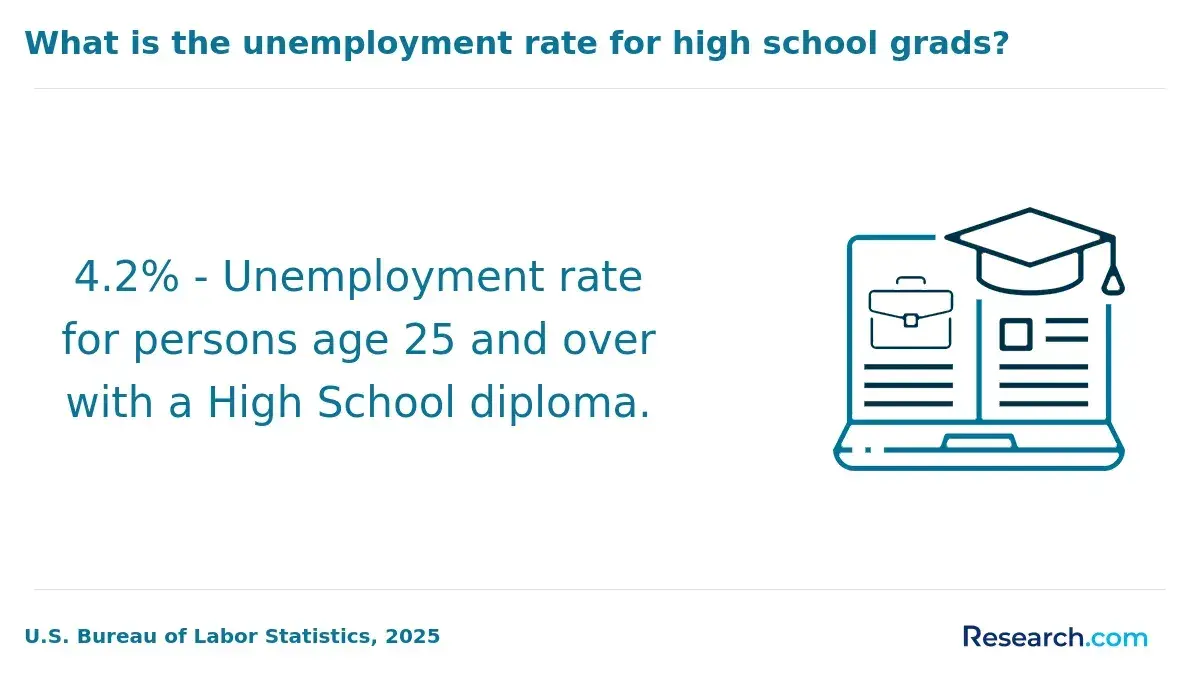
The value of an online marketing degree employer perception hinges more on demonstrable skills and relevant experience than on the delivery format. Employers across industries assess candidates by practical competence, favoring graduates who have engaged with real-world projects, internships, and contemporary digital tools. Large companies often combine degree evaluation with portfolios or case studies, while smaller firms emphasize direct evidence of digital performance, making the degree's practical application critical.
Financially, the average $27,673 price tag for accelerated undergraduate online marketing programs demands scrutiny of return on investment. Candidates need programs that align curricula with current technologies in customer acquisition and analytics to avoid hiring managers' concerns over outdated content. This is especially relevant for working professionals aiming to pivot into marketing, where pairing an online degree with platform certifications like Google Analytics or HubSpot significantly strengthens credibility.
In practical terms, holding an online marketing degree without verifiable campaign success often extends job searches. The marketplace increasingly values measurable results over academic pedigree, shaping how online marketing degree employer perception translates into opportunity. This dynamic is evident when comparing candidates with similar credentials but disparate portfolios of verified outcomes.
For those considering further education, exploring likewise flexible credentials such as doctorate in healthcare administration programs offers insight into how sector-specific online learning balances rigor and usability.
What courses are included in customer acquisition programs?
Customer acquisition courses are designed around measurable growth strategies but often create a divide between theoretical understanding and employer expectations. While foundational topics like consumer behavior analysis remain essential, the real workforce value comes from mastering digital marketing tactics-SEO, SEM, email marketing, and social media-combined with hands-on data analysis using tools such as Google Analytics and CRM platforms. For example, in B2B environments, mapping sales cycles and applying account-based marketing enhances targeting precision, whereas consumer goods industries demand fluency in omni-channel approaches that balance brand positioning with marketing expenditure.
Online marketing degree classes for customer acquisition increasingly incorporate practical elements like A/B testing, conversion rate optimization (CRO), and acquisition funnel design. This direct application addresses the skills gap evident in many marketing roles where quantitative and creative competencies coexist. Coursework covering data privacy and regulatory compliance is no longer optional, given its impact on personalized advertising strategies and campaign targeting.
Financial analysis modules focusing on budget allocation and lifetime value (LTV) forecasting provide critical decision-making frameworks, yet students must recognize that a lack of practical data skills restricts entry into higher-paying positions. Considering a bachelor's degree in marketing delivers a lifetime ROI of $55,297 as cited by FREOPP through U.S. News, prioritizing programs with robust analytics and digital execution components significantly affects career trajectories.
Students evaluating specialization pathways should also consider complementary qualifications. For instance, an operations management degree can enhance strategic planning capabilities that intersect with acquisition efforts, creating a competitive edge within organizations.
How do online and campus marketing degrees compare?
Deciding between online and campus marketing degrees hinges on balancing access to employer networks against the flexibility of study. Campus programs embed students in environments rich with synchronous interaction, offering real-time faculty mentorship and internships often tied to local employers. This connection notably accelerates entry into competitive customer acquisition roles, especially in metro areas where firms actively recruit on campus.
Deciding between online and campus marketing degrees hinges on balancing access to employer networks against the flexibility of study. Campus programs embed students in environments rich with synchronous interaction, offering real-time faculty mentorship and internships often tied to local employers. This connection notably accelerates entry into competitive customer acquisition roles, especially in metro areas where firms actively recruit on campus.
By contrast, online degrees serve those needing to continue full-time employment while transitioning careers but demand heightened initiative to build experiential credentials. Without the spontaneous networking and structured internship pipelines of campus settings, online students often must create their own practical opportunities through freelance projects or virtual internships.
Employers equally value demonstrated skills and real-world achievements along with degree credentials. Campus graduates benefit from direct recruitment via career centers and employer events, whereas online students need strategic use of alumni networks and curated digital portfolios to bridge engagement gaps.
The median salary of $64,836 at age 45 for West Texas A&M University marketing graduates shows long-term returns depend largely on applied competence, not study format. For example, an analyst pivoting to digital marketing might find on-campus mentorship expedites their transition, while a working professional gains from online learning's flexibility without income loss.
Prospective students should weigh time availability, self-motivation, and access to experiential learning when choosing between formats:
What admission requirements do online marketing programs have?
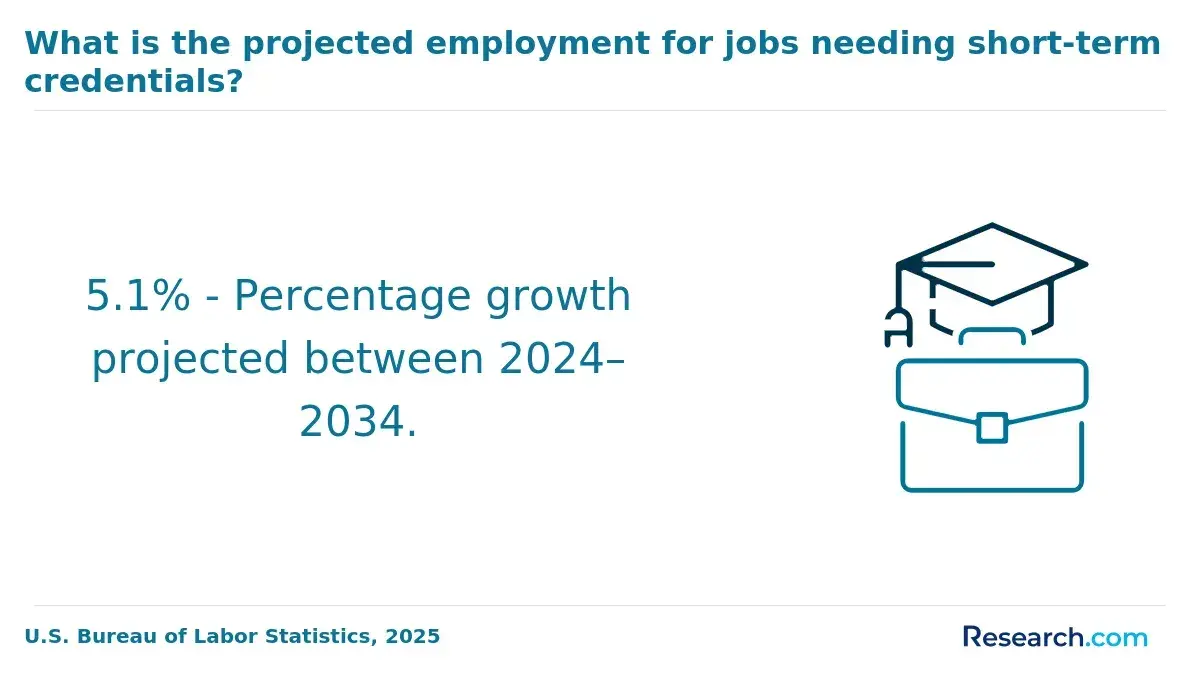
Entry into online marketing programs typically requires a high school diploma or equivalent for bachelor's level studies, but applicants should anticipate varied academic hurdles-such as minimum GPAs, standardized tests, or prerequisite coursework in math or communications. For working professionals, relevant career experience can sometimes replace formal prerequisites, a consideration especially pertinent for mid-career specialists aiming to pivot into customer acquisition leadership roles.
Accelerated bachelor's programs pose another layer of complexity by enforcing strict enrollment caps tied to cohort schedules, limiting flexibility and demanding strong time management. For instance, candidates weighing programs that require GRE scores against those that waive them must consider the opportunity cost of testing time versus direct skill application.
Financially, tuition rates differ sharply: $9,678 for in-state public students, $27,091 for out-of-state, and $38,768 at private institutions, according to Learn.org data. Additional costs may arise from application fees, technology needs, or mandatory in-person residencies, factors that often go underestimated in planning.
International applicants face credential evaluations and proof of English proficiency, adding another admissions layer. Importantly, employers increasingly prefer candidates who can demonstrate practical digital marketing skills or portfolios, emphasizing the value of programs mandating proof of tool proficiency.
Prospective students should rigorously assess academic, financial, and technical requirements upfront to avoid delays and align program selection tightly with career objectives and workforce realities.
How long does an online marketing degree take?
Choosing between accelerated and traditional online marketing degree programs hinges on balancing time efficiency with workload intensity and long-term goals. Accelerated degrees, completed in 2 to 3 years, respond to industry needs for timely skill updates and early workforce entry, particularly vital in dynamic sectors like digital advertising and e-commerce. However, these condensed programs demand rigorous commitment, reducing flexibility for those managing concurrent employment or family responsibilities.
In contrast, standard 4-year curricula typically incorporate extensive general education and foundational knowledge, aligning better with students aiming for comprehensive expertise or graduate studies. This broader approach may delay immediate workforce immersion but can support a more versatile skill set over time.
Employers in customer acquisition roles prioritize applicable skills and current education over the mere possession of a degree, amplifying the advantage of earning credentials sooner-provided the program maintains solid accreditation and covers essential marketing concepts. This reality emphasizes the need to scrutinize program reputation alongside duration.
Key considerations when evaluating online marketing degree timelines include:
- Intensity of coursework and schedule adaptability
- Accreditation status and institutional credibility
- Feasibility of balancing academic demands with personal obligations
- Curriculum relevance to targeted customer acquisition roles
What does an online marketing degree cost?
Online marketing degrees range broadly in cost-from about $15,000 to $60,000-largely depending on whether the institution is public or private, its selectivity, and program length. Public universities generally provide more affordable options for in-state students, typically charging between $300 and $600 per credit, whereas private institutions often exceed $1,000 per credit. These financial differences demand a careful weighing of return on investment, particularly when considering employability and graduation rates.
For working professionals aiming at roles like customer acquisition in mid-sized companies, lower tuition from a public university (around $20,000 total) can minimize debt and speed ROI. In contrast, executives targeting leadership within large digital agencies may accept higher costs for networks and curriculum depth, despite increased debt risk.
- Financial aid, employer tuition reimbursement, and military benefits often offset tuition but require scrutiny on long-term debt influence versus salary potential.
- A 69% graduation rate for leading online digital marketing degrees correlates with program quality and employer confidence-crucial for hiring and negotiating salaries.
- Accredited online programs with strong placement services typically carry premium pricing but offer better positioning for roles demanding strategic marketing skills.
Prospective students should analyze total cost relative to career goals and regional cost-of-living differences, prioritizing programs aligned with measurable marketing expertise and real-world workforce demands.
What jobs can you get with this degree?
Graduates with an online marketing degree centered on customer acquisition face a labor market where practical skills outweigh theoretical knowledge alone. Entry-level positions like digital marketing specialist or SEO analyst typically require 1-3 years of experience, which challenges recent graduates to leverage internships or freelance projects to demonstrate competence in campaign analytics, audience targeting, and conversion optimization.
For instance, a digital marketing specialist in e-commerce must interpret data to allocate ad spend efficiently and maximize return on investment, while a content marketing manager at a tech startup focuses on engagement metrics to align brand messaging with user behavior. Employers increasingly demand proficiency with marketing automation platforms and CRM integration because success hinges on measurable digital touchpoints.
Salary expectations start around $50,000 median with potential growth beyond $90,000 in managerial roles-though this varies by industry and location. The $500 per credit cost of some programs, such as UMass Global's online degree, necessitates a cost-benefit evaluation tied to local market demand and employer expectations.
Prospective students should supplement their degree with certifications in analytics tools or specific advertising platforms. Navigating this field requires blending applied experience with formal education to meet employer demands effectively and influence revenue growth.
What salary and job outlook apply to customer acquisition roles?
Salary outcomes in customer acquisition roles demand targeted specialization rather than generalist breadth. Median pay ranges from $65,000 to $105,000 annually, but only professionals focusing on digital ads, SEO, conversion rate optimization (CRO), or content marketing are positioned at the upper end. This reflects employer preferences for precision skills aligned with Brian Balfour's framework, penalizing those without specific expertise. For instance, an SEO specialist in healthcare commands higher premiums due to regulatory complexity compared to a generalist in retail marketing.
Job growth projections of 12% for marketing analyst and specialist roles through 2034 stem from ecommerce expansion and analytic-driven strategies, but entry-level saturation creates a wedge for newcomers. New entrants must build niche technical skills and stay current on certification or platform changes; Google Analytics, Facebook Ads Manager, and CRO tools proficiency are key qualifications for top salaries.
Cross-functional collaboration involving product and sales teams enhances advancement opportunities but raises the bar on communication skills. Degree programs integrating applied customer acquisition training and tool fluency strengthen employability. Without this, graduates face slower wage increases and skill deficits in hiring assessments.
- Specialized expertise influences salary ceilings and job stability.
- Market saturation demands continual skill refinement.
- Tool proficiency is non-negotiable for premium roles.
- Employers value technical and collaborative communication abilities.
Ultimately, aligning educational choices with evolving industry criteria and practical, data-driven customer growth approaches determines long-term occupational advantages.
Other Things You Should Know About Marketing
A strong program should teach Google Analytics 4, Google Ads, Meta Ads Manager, CRM platforms such as HubSpot, and email automation tools. Employers in customer acquisition also look for A/B testing, conversion tracking, and basic data visualization skills that support lead generation and campaign optimization.
Online marketing degrees vary widely in hands-on opportunities. Some integrate simulations, live campaigns, and client work, while others rely heavily on lectures and exams. Prioritize programs that offer measurable experience such as portfolio development or access to agency partnerships, since employers in customer acquisition prefer candidates demonstrating applied skills over theoretical knowledge alone.
In 2027, top online marketing degree programs prepare students for customer acquisition careers by focusing on digital marketing strategies, CRM tools, and data analytics. Schools like the University of Illinois, Southern New Hampshire University, and Arizona State University offer specialized courses tailored to these skills, enhancing career readiness.
Degree completion alone does not guarantee higher salary growth in customer acquisition; employer preference favors demonstrated results and technical proficiency. Online degrees that include advanced certifications or training in platforms like Google Ads or CRM tools tend to improve salary trajectories more than generic degrees. Students should evaluate programs for credential integration and outcomes data that correlate with accelerated career advancement.
References
- Can You Get a Marketing Job Without a Degree? Here’s How ODEO Makes It Real - Odeo Academy https://odeoacademy.com/can-you-get-a-marketing-job-without-a-degree-heres-how-odeo-makes-it-real/
- How to apply for a Bachelor in Marketing ? - ESCE https://www.esce.fr/en/faq-all-the-answers-to-your-questions/how-to-apply-for-a-bachelor-in-marketing/
- AI-driven Digital Marketing: Admission requirements https://www.rotterdamuas.com/programmes/exchange/AI-driven-digital-marketing/admission-requirements/
- CourseCareers https://coursecareers.com/blog-posts/marketing-degree-vs-digital-marketing-bootcamp-vs-self-paced-program
- 2025 Most Affordable Online Marketing Degrees https://www.onlineu.com/most-affordable-colleges/marketing-degrees
- Digital Marketing: What It Is, Why It Matters, and How to Launch Your Career - MIUniversity https://miuniversity.edu/en/orientation/digital-marketing-what-it-is-why-it-matters-and-how-to-launch-your-career/
- Digital marketing career guide: How to get hired, build skills & advance | edX https://www.edx.org/become/digital-marketer
- 5 Ways to Build a Great Career with a Digital Marketing Degree - Bethany College https://www.bethanywv.edu/5-ways-to-build-a-great-career-with-a-digital-marketing-degree/
- Digital Marketing Course Eligibility: 2026 Guide https://amquesteducation.com/blog/digital-marketing-course-eligibility/
- Customer acquisition cost: What it means for your business https://www.simon-kucher.com/en/insights/customer-acquisition-cost-what-it-means-your-business