2027 Online Management Information Systems Degrees With Systems Analysis Coursework

Co-Founder and Chief Data Scientist
Professionals aiming to pivot into MIS roles often face a critical hurdle: securing relevant practical expertise without disrupting ongoing careers. Employers increasingly expect candidates to demonstrate proficiency in systems analysis as part of MIS competencies, yet traditional degree programs typically demand rigid on-campus attendance that conflicts with full-time employment.
Data from the National Center for Education Statistics reveals a 12% annual rise in online enrollment for technology-related degrees, reflecting a shift toward flexible learning models that accommodate adult learners balancing work and study. This trend signals growing acceptance but also highlights the need to carefully evaluate programs for substantive systems analysis coursework that impacts employability.
This article examines online management information systems degrees offering systems analysis components, focusing on program structure, practical training, and alignment with industry demands to guide informed enrollment decisions.
Key Things You Should Know
- In 2026, 68% of MIS graduates with systems analysis coursework secure roles in IT consulting or business analytics within 6 months, yet these positions often demand continuous certification investment, complicating ROI timing for students.
- Employers prioritize candidates demonstrating applied systems analysis skills validated by project-based assessments; purely theoretical online MIS degrees without portfolio components yield 22% lower job placement rates, per a 2024 report.
- Online MIS programs offering accelerated systems analysis tracks reduce average completion time by 30%, but cost premiums averaging 18% may limit accessibility, disproportionately affecting mid-career pivots from non-technical sectors.
What is an online management information systems degree with systems analysis coursework?
An online management information systems degree that integrates systems analysis coursework is not merely about technical fluency but about bridging IT infrastructures with business strategy. Graduates prepared this way tend to excel in roles that demand clear evaluation and redesign of organizational workflows, especially in sectors such as healthcare and manufacturing.
For instance, a systems analyst in healthcare might reengineer patient data systems to reduce errors and boost compliance, a tangible impact reflecting the wage premium these professionals command, with a median annual U.S. salary of $114,270.
Students considering distance learning management information systems degrees focused on systems analysis coursework should weigh the balance between theory and applied practice. Core competencies include mastering UML modeling, data flow diagrams, and requirements engineering, all essential for translating complex technical needs into actionable solutions.
However, online delivery demands strict time management to engage effectively with case studies and project-based assignments that simulate real challenges.
Employers prioritize candidates who demonstrate measurable improvements in system performance and process efficiency. Therefore, the curriculum's alignment with actual business problems-rather than abstract theory-is critical. Career trajectories for graduates often hinge on their capacity to adapt in environments defined by rapid IT evolution and cross-functional collaboration.
Some prospective students may also explore complementary areas such as hospitality management courses online to diversify applicable business contexts and increase strategic versatility.
How does an online MIS degree compare with a campus program for systems analysis training?
Online management information systems systems analysis training offers theoretical parity with campus programs but sacrifices key experiential learning and networking that employers value. Real-time collaboration and troubleshooting skills, often developed through on-campus labs and group projects, remain challenging to replicate fully online.
While some online formats now integrate synchronous virtual labs and industry-driven projects, these demand higher self-discipline and technical setup from students.
Working professionals often leverage online MIS coursework to immediately apply systems analysis insights in their roles, balancing time constraints with practical gains. Recent graduates without workplace experience face a steeper hurdle online, missing informal campus interactions that cultivate vital teamwork and communication skills sought in industries like healthcare IT and financial services.
The U.S. Bureau of Labor Statistics forecasts 10% growth for computer systems analysts through 2032, translating to about 33,000 openings annually. Employers increasingly seek candidates with solid theoretical foundations coupled with demonstrated project-based competencies—outcomes campus programs tend to support more seamlessly via internships and face-to-face mentoring.
Sectors requiring rapid innovation or complex stakeholder engagement may especially benefit from traditional campus exposure for immediate feedback and immersive learning.
Students must balance cost and flexibility against access to experiential resources; hybrid models mixing online theory with in-person labs are emerging as practical compromises. Prospective learners aiming for a computer science degree online or similar pathways should carefully evaluate these tradeoffs within the broader campus vs. online management information systems and systems analysis education landscape.
What admissions requirements do online MIS programs with systems analysis typically have?
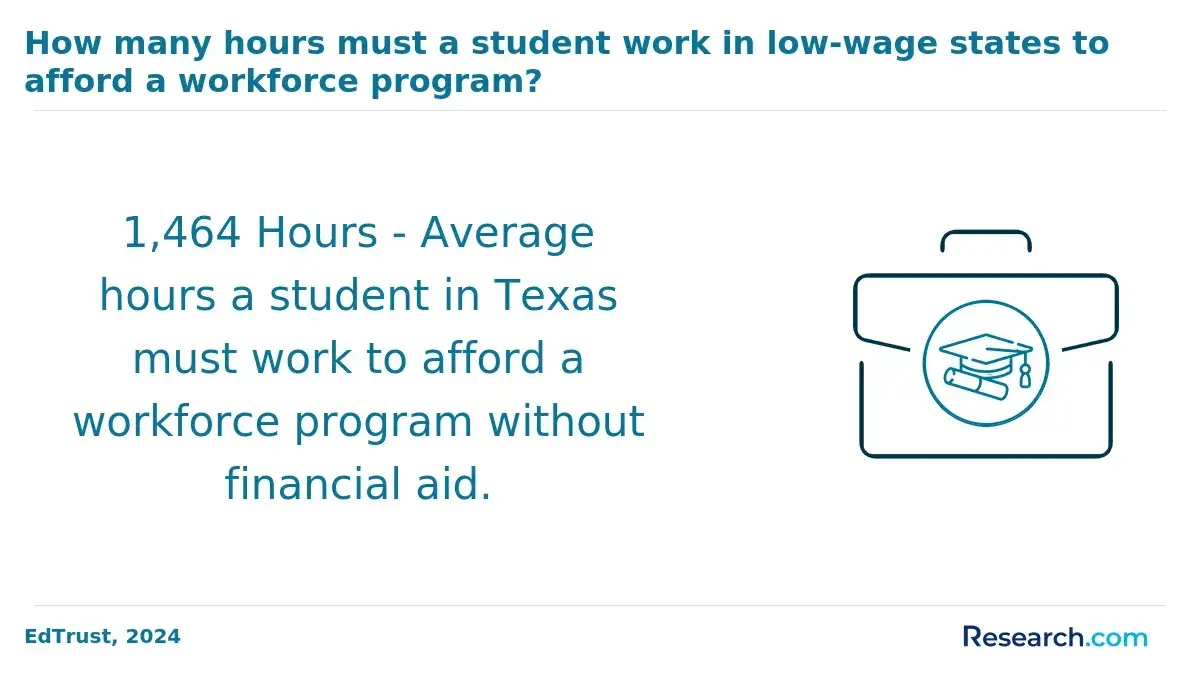
Admission criteria for online management information systems programs with systems analysis coursework prioritize applicants who demonstrate readiness for analytical and technical demands. Most require a bachelor's degree with at least a 2.5 to 3.0 GPA, often expecting prior coursework in computer science, mathematics, or business to avoid extending study time through prerequisites.
Programs emphasizing systems analysis coursework prerequisites for MIS programs thus favor candidates with foundational knowledge to maintain a manageable learning curve and program duration.
Work experience, while not universally mandatory, frequently enhances admission prospects—especially for mid-tier or executive tracks—by linking academic learning to workplace realities. For example, healthcare IT professionals transitioning into MIS benefit from documented experience that accelerates acceptance and enriches coursework relevance.
Application packets typically request standardized test scores, though many programs waive GRE or GMAT to accommodate working adults. Letters of recommendation vary in influence, with admissions committees placing greater importance on demonstrated analytical abilities and project management skills. A compelling personal statement that ties past experience to career objectives and systems analysis strengths strengthens candidate positioning.
Applicants must also consider practical elements such as persistent internet access and dedicated study hours, as systems analysis demands sustained engagement.
According to Hakia's 2025 report, MIS graduates' median starting salary hit $68,000 in 2024, with advanced systems-focused roles often approaching six figures. Those evaluating this pathway might also visit the best online business degree resources for complementary insights into business fundamentals underpinning effective systems analysis education.
Which accreditation and quality standards should online MIS programs in the U.S. meet?
Employers hiring MIS graduates prioritize candidates from regionally accredited online programs recognized by the U.S. Department of Education, as this ensures foundational academic rigor and federal aid eligibility. Accreditation from agencies like the Higher Learning Commission (HLC) or the Middle States Commission on Higher Education (MSCHE) confirms adherence to strict academic standards.
Beyond institutional accreditation, program-specific validation such as ABET's Computing Accreditation Commission is often decisive, signaling curriculum depth in systems analysis, database management, and information systems design.
This level of accreditation directly impacts workforce outcomes, especially in regulated industries like healthcare and finance, where technical proficiency in compliant data systems mitigates costly errors or security risks. However, adherence to U.S. quality standards for management information systems degrees online does not guarantee student success metrics.
Data from the 2023 IPEDS and a 2025 Hakia study reveal median annual tuition for online MIS programs at $16,850—about 35% above on-campus costs—and graduation rates lower online (58%) compared to on-campus (64%). This divergence reflects challenges faced by working professionals juggling coursework and responsibilities.
Prospective students should weigh accreditation alongside graduation rates and transparent job placements. Employers increasingly value graduates with strong completion records and practical experience, often through internships or capstone projects integrated into the curriculum.
For those seeking a focused pathway in cybersecurity within MIS, the best online cybersecurity degree programs for veterans offer additional industry-relevant options.
What systems analysis courses and technical skills are included in an online MIS curriculum?
Systems analysis training within online management information systems programs must bridge technical rigor and sector-specific demands. Core competencies focus on gathering precise requirements, using UML for process modeling, and conducting feasibility studies that factor in regulatory and operational realities across industries such as healthcare and manufacturing.
Graduates must produce system design documentation that directly supports software lifecycles under compliance constraints, a capability that distinguishes them in competitive job markets.
Proficiency with data flow diagrams, entity-relationship models, and business process reengineering is essential for aligning IT solutions with organizational workflows.
Practical skill sets also include SQL and database management, foundational for structuring enterprise data critical to logistics and finance sectors reliant on robust data exchange and integration. Familiarity with middleware technologies and Agile project management tools addresses real-world challenges in systems integration and team collaboration.
Advanced coursework in business intelligence, data analytics, and cybersecurity equips analysts to evaluate risk and design resilient architectures. Employers increasingly expect candidates to navigate cross-departmental coordination and iterative development cycles, reflected in case-study-based curricula that simulate these environments.
According to BestColleges' 2024 technology education report, online tech and computing bachelor's programs, including management information systems, saw enrollment growth near 12% from 2020 to 2023, signaling evolving workforce demands amid widespread digital transformation efforts.
How long does it take to earn an online MIS degree and how is it structured?
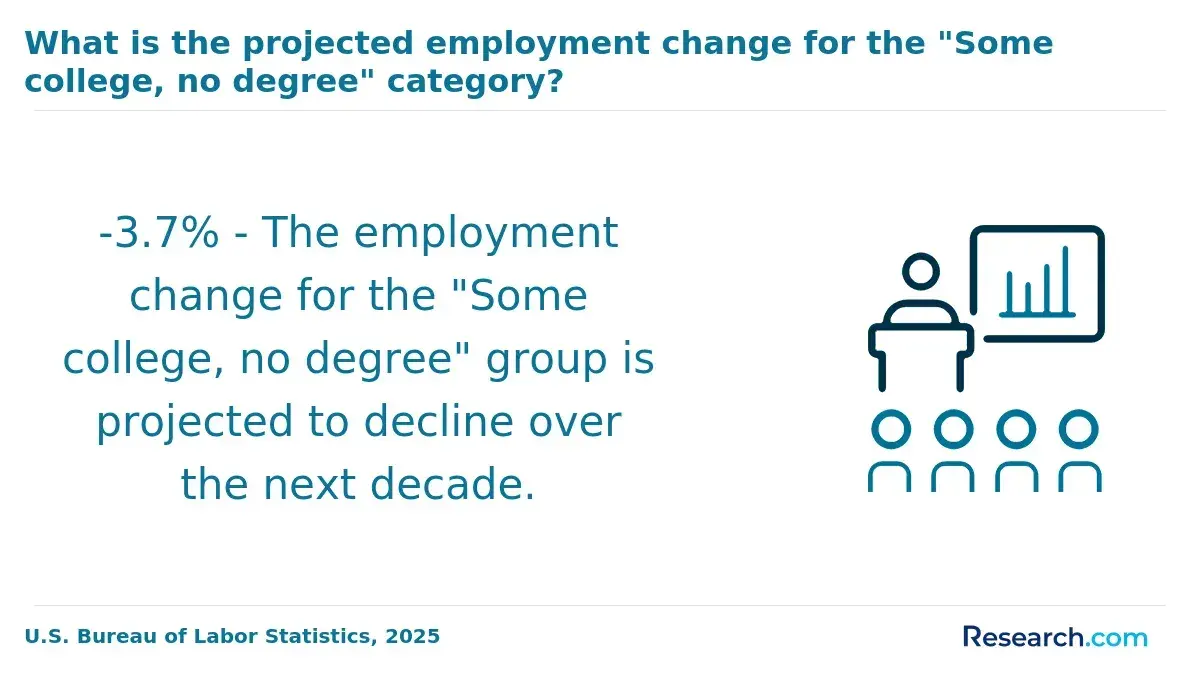
Completion timelines for online management information systems degrees vary substantially, impacting career transition strategies and employment readiness. A full-time bachelor's program generally extends over four years but may be shortened to about 2.5-3 years with transfer credits or increased course loads; master's degrees require 1-2 years full-time, with part-time options stretching to three or more years. Certificates, focused on niche technical skills, typically last 6 to 12 months, suiting working professionals needing quick competency updates.
Courses blend IT fundamentals and business workflow insight with systems analysis techniques encompassing requirements engineering, workflow modeling, and project management.
These skills respond directly to labor market shifts, where demand for business systems analysis roles increased by over 50% from 2019 to 2023. Programs balance theory with applied projects, reflecting tools and practices used in consulting and enterprise settings.
Students must weigh enrollment mode tradeoffs: full-time paths offer structured progression and faster completion, while part-time learners juggle work-study balance, extending duration but maintaining income.
Success hinges on mastering documentation, validating user requirements, and agile stakeholder communication—capabilities employers prioritize for controlling project risk and costs.
Realistic assessment of program structure and time investment allows candidates to align education with professional goals and workforce realities without sacrificing skill depth essential for competitive employment.
How much do online MIS degrees cost and what financial aid options are available?
Investing in an online management information systems degree requires careful financial planning due to variable costs ranging from $15,000 to $50,000. Public universities typically charge $300 to $600 per credit hour for in-state students, while private institutions often exceed $1,000 per credit.
Spreading enrollment part-time can ease immediate expenses but prolongs overall financial commitment. Prospective students must also account for additional fees—technology and course materials alone can add 10-20% to quoted tuition.
Federal aid through FAFSA unlocks Pell Grants and Direct Unsubsidized Loans, but eligibility hinges on income, enrollment, and prior borrowing history. Employer tuition reimbursement programs may cover full tuition but require early HR engagement to navigate approval and reimbursement timelines effectively. Private scholarships targeting MIS or IT fields exist but demand proactive research and application.
From a workforce perspective, asynchronous online courses can maintain steady income flow, critical for working students. According to recent labor statistics, operations research analysts—a common MIS analytics role—command a median wage near $100,000 with projected job growth around 23% through 2032. However, accruing high debt without solid employer backing or a clear advancement strategy risks delayed ROI or underemployment.
What entry-level and midcareer jobs can a systems-focused MIS graduate pursue?
Entry-level positions for systems-focused management information systems graduates, such as business systems analyst or IT support analyst, require foundational skills like systems modeling and requirements gathering but have limited scope for strategic influence without experience.
For example, a healthcare business systems analyst optimizing electronic records workflows directly affects operational efficiency but typically remains a tactical contributor.
Progressing to midcareer roles—including senior systems analyst or enterprise architect—demands not just technical proficiency but the ability to integrate complex systems with organizational goals and lead cross-functional initiatives.
This shift often requires project management experience and fluency with cloud and AI-driven analytics platforms. A senior analyst in finance designing data pipelines to ensure regulatory compliance while enabling risk prediction illustrates this complex integration.
Employer priorities highlight skills in translating data insights into actionable organizational strategies, with a 2024 McKinsey survey noting firms adopting advanced analytics and information systems report substantially higher profit gains.
However, transitioning industries adds challenges: moving from retail to manufacturing systems analysis necessitates domain-specific supply chain expertise, underscoring that technical skills alone are insufficient.
Entry-level candidates improve prospects by focusing on certifications or internships in modeling languages such as UML or BPMN and visualization software to bridge skill gaps and accelerate advancement. Midcareer professionals must demonstrate leadership in deploying evolving technologies amid increasingly interdisciplinary demands.
What salary ranges and job outlook can MIS graduates with systems analysis skills expect?
Salaries for MIS graduates with systems analysis skills vary widely due to sector, geography, and specialization. Entry-level positions typically range from $65,000 to $85,000 annually, while mid-career professionals can expect between $90,000 and $120,000.
For example, a systems analyst in healthcare IT working on electronic medical record systems in urban centers can command salaries at the higher end of the scale, while roles in manufacturing or logistics may face more competition despite industry modernization efforts driving demand.
Projected employment growth of 26% through 2032 for IT business analysts underscores strong market demand, particularly where digital transformation intersects with industry-specific needs like finance and government. Employers prioritize candidates who blend technical systems analysis with applied business insight to translate requirements into actionable outcomes.
Tradeoffs are critical: candidates must decide whether to pursue narrowly focused certifications or broaden their skillsets in emergent areas such as cloud computing and data analytics. These choices influence not only starting salary but also long-term adaptability and job stability. Networking and project experience accrued during online programs further impact employment outcomes.
Financially, roughly 78% of online MIS undergraduates access financial aid, which softens upfront costs, and about 60% report income increases post-degree. This suggests that aligning coursework with real-world employer expectations and continuous skills updating is essential for maximizing return on investment.
How can students choose a reputable online MIS program that fits their career goals?
Programs in management information systems that omit substantial updates in AI, analytics, and business intelligence risk leaving graduates behind evolving employer demands. Since 2021, more than 70% of top online MIS programs revised curricula to deepen integration of these competencies within systems analysis and design, aligning academic training with skills needed for data-driven decision-making and automation challenges.
Prospective students should rigorously evaluate accreditation status—such as AACSB or ABET—and verify whether programs offer industry-aligned specializations that reflect sector-specific systems analysis needs, for instance, in healthcare informatics or financial IT. This focus is vital because roles and expectations differ sharply across industries.
Flexibility in course delivery is another critical factor, particularly for professionals balancing work and study. Asynchronous models support this pragmatic need but should not substitute for programs incorporating applied projects and hands-on tools training; students lacking exposure to real-world analytics platforms face steeper hurdles entering roles like MIS analyst or systems architect.
Reviewing graduate outcomes and employer partnerships helps gauge a program's tangible connection to the labor market. Lastly, tuition costs must be measured against potential earnings gains and program content depth—high price points without robust AI or analytics coursework may undercut return on investment, especially for mid-career pivots targeting competitive MIS pathways.
Other Things You Should Know About Management Information Systems
Accelerated online MIS degrees compress coursework into shorter timeframes, increasing workload and limiting time for applied practice, which can weaken skill mastery in complex systems analysis topics. Traditional-paced programs allow more time for absorption and practical projects, fostering deeper understanding at the cost of longer completion time. Prospective students should assess their capacity to manage intensive study without sacrificing comprehension or real-world application. Employers often value demonstrated project experience over speed of degree completion.
Because online degrees sometimes carry employer bias, graduates need to supplement transcripts with tangible proof of systems analysis skills. This can include detailed portfolios of case studies, code samples, and system design diagrams created during coursework or internships. Certifications aligned with industry technologies further validate expertise. Being able to discuss how you applied systems analysis tools and methods in realistic scenarios is essential to overcoming doubts about remote or online learning formats.
Online MIS programs with systems analysis coursework often teach process mapping, UML diagrams, SQL, Excel modeling, and requirements-gathering tools. Many include case studies using ER diagrams, business process models, and project-management software, with 3-credit courses that build documentation and workflow analysis skills.
References
- How to Choose the Right Online Business Program for Your Career Goals https://www.abms.ch/post/how-to-choose-the-right-online-business-program-for-your-career-goals
- Types of Financial Aid for Online Colleges https://www.umassglobal.edu/blog-news/types-financial-aid-online-colleges
- Management Information Systems (Online Program) https://www.simpson.edu/academics-programs/all-programs/management-information-systems-online-program/
- The Need of Accreditation in Online Degree Programs https://www.onlinecu.in/blog/cu/the-importance-of-accreditation-in-online-degree-programs.php
- Tuition and Costs for Online Students https://umontana.edu/how-to-apply/tuition-costs-online.php
- Certificate in Information Systems Design & Analysis Course - Informa Academy https://informaconnect.com/systems-design-analysis/
- Online MIS Degrees | Accounting.com https://www.accounting.com/degrees/information-systems/masters/
- Top Jobs for Management Information Systems Graduates - Biz Systems News by Workato https://bizsystemsnews.com/top-jobs-management-information-systems/
- Quality Standards and Accreditation of Distance Education Programs in a Pandemic - OJDLA https://ojdla.com/articles/quality-standards-and-accreditation-of-distance-education-programs-in-a-pandemic
- Masters in Information Systems | Degree Information Systems | University of Phoenix https://www.phoenix.edu/online-information-technology-degrees/information-systems-masters-degree.html