2027 Best Online Legal Studies Degrees for Long-Term Career Stability

Co-Founder and Chief Data Scientist
Professionals seeking to enter or advance in legal careers must navigate a fragmented education market where program quality varies widely and long-term job stability hinges on both credentials and practical experience. With remote work reshaping hiring priorities, 45% of adult learners now prefer programs offering asynchronous scheduling, according to the National Center for Education Statistics.
This shift demands flexible, reputable online legal studies degrees that deliver credible skill-building without sacrificing employer recognition. Identifying programs with proven outcomes and strategic structuring becomes essential for career pivots or advancement in a competitive legal workforce. This article evaluates top online legal studies degrees that align with these real-world demands and stability goals.
Key Things You Should Know
- Legal studies degrees show a 12% wage premium over paralegal certificates but require 25% more time and financial investment, challenging candidates to balance immediate income needs against long-term growth potential, per 2024 Bureau of Labor Statistics data.
- Employers prioritize graduates with accredited legal studies programs exhibiting practical casework skills; non-accredited online degrees reduce job placement rates by 18%, indicating essential program quality evaluation for workforce relevance.
- The 2024 National Center for Education Statistics reveals a 20% enrollment surge in online legal studies prompted by remote work trends, yet attrition rises 15% in programs lacking synchronous interaction, impacting timely degree completion and cost efficiency.
What is an online legal studies degree and how does it differ from a law degree?
Choosing an online legal studies degree over a traditional law degree decisively shapes career pathways and professional capabilities. Unlike law degrees, which prepare graduates to pass the bar exam and directly practice as attorneys, legal studies programs target practical legal support roles such as paralegals, mediators, and compliance officers. This distinction means that while graduates gain operational skills in documentation, research, and case management, they cannot advance to attorney licensing.
Employers consistently value the hands-on competencies that legal studies emphasize, especially for paralegals and legal assistants where job growth is projected at 12%, and for mediators/arbitrators with a 10% increase. For example, a compliance analyst with a legal studies degree can effectively navigate regulatory frameworks without engaging in courtroom litigation, a strategic advantage in corporate or government settings.
When weighing online legal studies degree vs law degree options, candidates must consider tradeoffs: faster, less costly entry into the workforce versus limited eligibility for courtroom roles. The flexible online format suits those balancing employment, but success requires discipline to manage study effectively.
Students seeking a low cost online general studies degree should carefully assess how program length and content align with their career objectives. Understanding the differences between online legal studies programs and traditional law degrees is essential to making a tactical educational investment that matches workforce demands.
Are online legal studies degrees respected by employers and suitable for long-term careers?
Employers' acceptance of online legal studies degrees recognized by employers is uneven, heavily influenced by the nature of the role and industry. Large law firms often prefer traditional or hybrid degrees with strong accreditation, prioritizing practical training and rigorous credentials. Conversely, online programs tend to suit roles where passing the bar is not required, such as paralegals, compliance officers, or policy advisors. For instance, a healthcare compliance officer leveraging an online legal studies degree must still obtain relevant certifications and hands-on experience to stay competitive in a regulated environment.
Long-term career prospects with online legal studies degrees depend on aligning education with clearly defined vocational goals and confirming that programs offer applied skills like legal research, document preparation, and case management software proficiency. Employers frequently demand demonstrated competencies that some online courses omit, making internships or firm partnerships vital for bridging skill gaps.
Transitioning to licensed legal roles from online legal studies degrees requires additional formal education and credentials, especially for litigation or advocacy positions. Candidates should weigh program cost, reputation, and practical elements against career objectives, keeping in mind that specialized and regulated fields maintain skepticism toward purely online credentials.
For professionals evaluating their path, understanding these distinctions can be critical. Some roles, like an FBI profiler, demand credentials and skills beyond what typical legal studies programs cover, reinforcing the need for tailored educational choices that reflect workforce realities.
How can I choose the best accredited online legal studies program in the United States?
Programs designated as the best accredited online legal studies programs in the United States increasingly reflect practical adjustments in regional and ABA accreditation standards, particularly allowing up to 50% of JD credits to be earned online. This shift means students can complete nearly half their law education remotely, but selecting programs without substantial ABA-aligned coursework risks diminished employer recognition, particularly in competitive legal markets.
Assessment of program value demands attention to experiential elements such as internships or externships tailored to target sectors. For instance, paralegals pursuing corporate law roles should prioritize programs with focused corporate law curricula and virtual practicums that connect students to active business environments. Meanwhile, those aiming for government or nonprofit sectors benefit from curricula emphasizing public policy and compliance. These practical pathways directly influence employability in fields defined by specialized compliance and negotiation skills.
Employers tend to favor graduates from programs validated by accreditation and strong employment outcomes, highlighting the need to review graduate placement rates and bar passage data where relevant. Online legal studies degrees for career stability in the US require reliable technology platforms with responsive faculty interaction; asynchronous courses lacking meaningful live engagement may hinder skill development essential for client negotiation and courtroom communication.
Balancing tuition costs against financial aid options relative to program reputation is crucial, especially given the steady expansion of remote legal services nationally. Consider also cross-disciplinary alternatives-such as a criminal justice online degree-which may offer viable pathways depending on career objectives and labor market dynamics.
What types of online legal studies degrees exist and which level should I pursue?
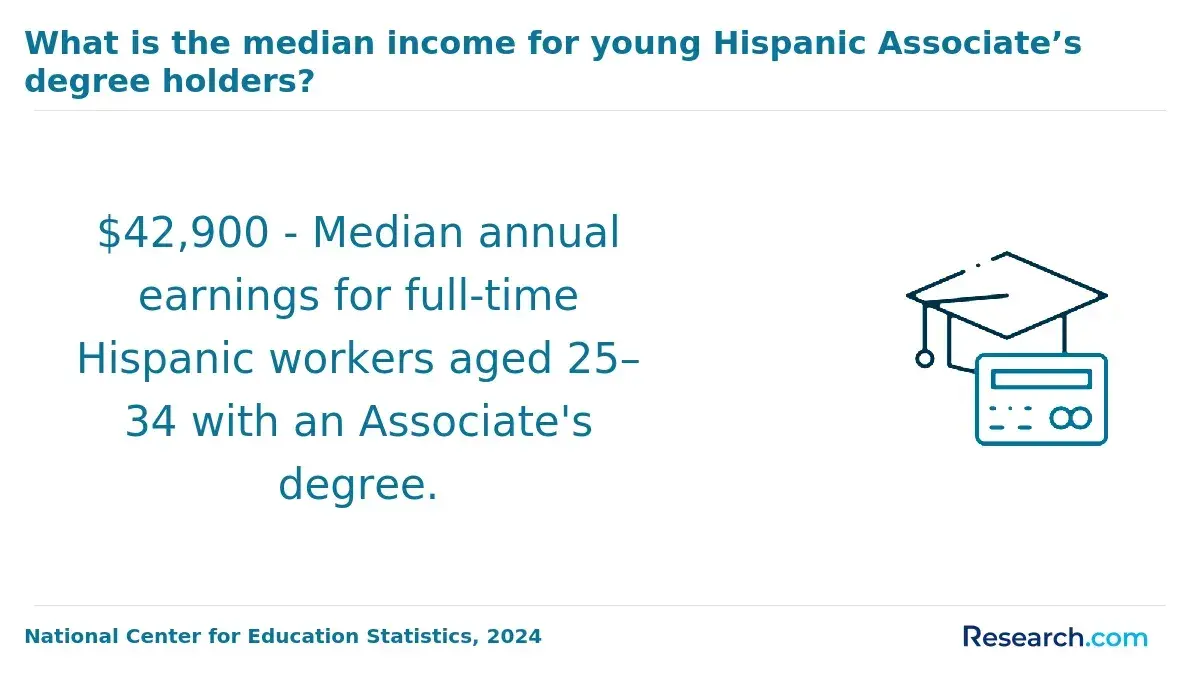
Choosing the appropriate level of online legal studies degrees directly shapes workforce opportunities and earning potential. An associate degree targets those seeking prompt entry into legal assistant roles with a median wage near $62,890, emphasizing practical office skills and foundational legal knowledge but limiting upward mobility without further education. For students aiming to meet growing employer preferences or pursue management roles, a bachelor's degree broadens expertise in legal theory and research, aligning better with a labor market where median wages for legal occupations reach $82,430. This level addresses a critical inflection point for job stability and wage growth.
Master's degrees cater to professionals focusing on specialized fields such as compliance or policy analysis, often required for regulatory positions with higher salaries but involve significant investment of time and resources. A practical scenario illustrates this: a paralegal with compliance ambitions may pursue a master's, while someone entering legal support from another industry might start with an associate or bachelor's degree. This reflects real-world employer expectations where advanced degrees unlock distinct legal functions and regulatory roles.
Career pivots and timing are crucial considerations; balancing existing experience against long-term income goals helps determine the optimal degree level. Those interested in expedited pathways might also explore options like the accelerated architecture degree, demonstrating the value of program duration in professional planning. Understanding the types of online legal studies degrees available and the best online legal studies degree levels to pursue requires assessing both practical outcomes and market demand.
What courses and concentrations are typically included in an online legal studies curriculum?
Legal studies curricula that concentrate on compliance, regulatory affairs, criminal justice, or paralegal studies tailor skill sets to distinct sectors such as government, corporate legal departments, or law firms. Many students overlook how narrowly focused coursework impacts employability, risking investments in broad foundational classes that don't translate directly into job-ready competencies. For example, a healthcare compliance officer requires targeted expertise in health law and privacy regulations, while corporate paralegals benefit most from courses on contract management and intellectual property.
Practically oriented training in legal writing, case analysis, and technology tools like e-discovery software is increasingly demanded by employers. Without this, graduates may struggle to adapt theoretical knowledge into the workflow of legal document review, risk mitigation, or statutory interpretation.
Advanced subjects such as dispute resolution and international law cater to those targeting roles in multinational entities or NGOs, where cross-jurisdictional legal fluency is essential. Yet, these specializations often entail a tradeoff in time and tuition versus immediate regional job market alignment.
Salary data from The Best Master's Degrees referencing PayScale indicates legal professionals holding master's degrees earn over $101,000 on average, supporting the financial advantage of focused graduate-level specialization.
- Alignment between curriculum content and sector-specific demands is fundamental for avoidable re-skilling.
- Legal technology proficiency constitutes a baseline expectation in many legal occupations.
- Practical skills acquisition trumps theoretical breadth for immediate employability.
How do online legal studies programs compare with on-campus options for flexibility and quality?
Online legal studies programs offer scheduling flexibility essential for working professionals and caregivers aiming to balance education with ongoing commitments. However, this flexibility often shifts the burden of time management entirely onto students, challenging those who struggle without structured class schedules and diminishing opportunities for real-time networking and faculty mentorship vital in legal careers.
Program quality varies significantly. Some accredited online providers maintain rigorous curricula comparable to traditional programs, while others compromise academic standards, reducing employer confidence. Legal employers value tangible competencies and practical experience, which online formats may fail to provide unless they include in-person or hybrid internships. This exposure bridges theory with workplace demands and often defines employability.
Cost remains a critical factor. Accredited online bachelor's degrees in legal studies typically charge around $750 per credit, leading to tuition costs exceeding $90,000 for a 120-credit program. Students should weigh these expenses against savings from avoided commuting or housing costs but remain cautious about limited scholarship availability and potential debt accumulation.
For entry-level roles, an online legal studies degree might suffice, but advancement in prestigious firms or government agencies frequently depends on in-person networking and recognized institutional reputations. Conversely, flexible online options facilitate mid-career pivots into compliance or contract management if supplemented with targeted practical experience.
What are the admission requirements and application materials for online legal studies programs?
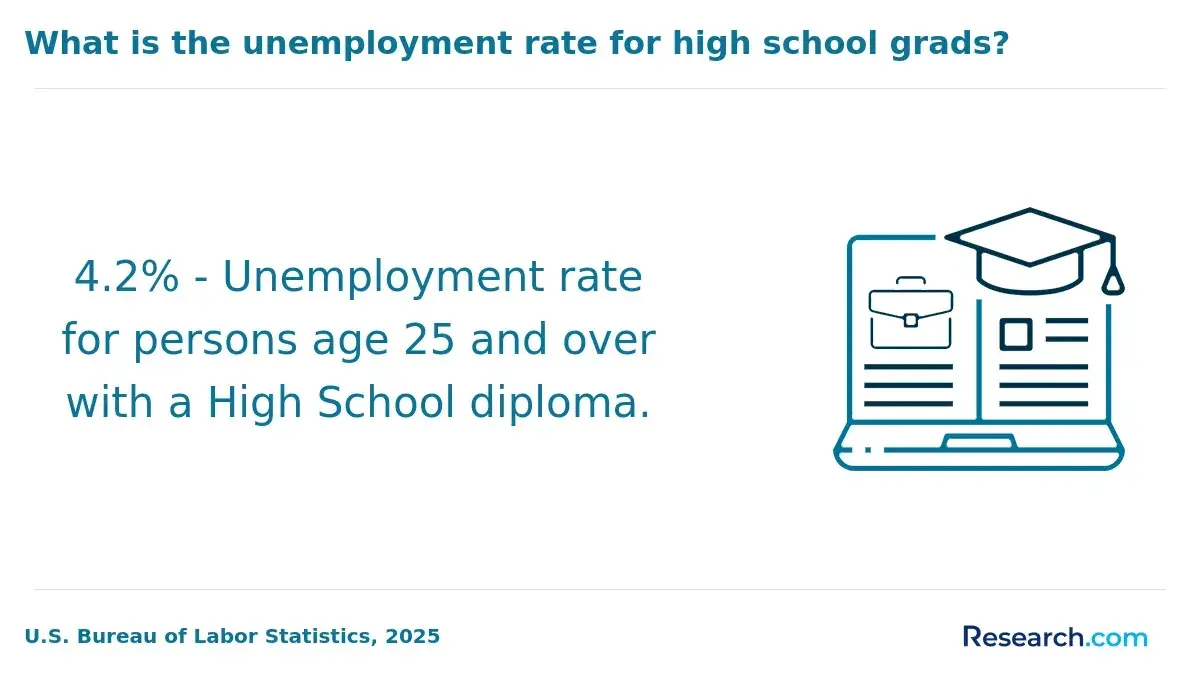
Admission to online legal studies programs typically hinges on a baseline high school diploma or its equivalent, but the nuances in evaluation go beyond basic academics. Transcripts must verify prior achievement, often requiring a GPA between 2.0 and 3.0, reflecting how program selectivity influences entry hurdles. Applicants should expect to submit a detailed application with a personal statement that clarifies their legal career goals. Additionally, some schools may ask for one or two recommendation letters from instructors or supervisors who can speak to the applicant's capabilities and work ethic.
Standardized tests such as the SAT or ACT are less commonly mandated, especially in programs geared toward working adults. However, competitive options may still request these scores as a measure of academic readiness. For those targeting roles like compliance officers-where median annual wages hover around $75,140 with projected growth near 5-6% through 2032 according to U.S. Bureau of Labor Statistics data-emphasizing relevant certifications or regulatory experience in application materials can strengthen candidacy and employment prospects.
Technical proficiency is another practical prerequisite. Reliable internet and comfort with digital platforms are non-negotiable since online program demands rest on consistent access and independent learning skills. International applicants or students with previous college credits must also provide supplemental documentation such as credential evaluations or TOEFL scores. These layered requirements are crafted to ensure students are academically qualified and operationally equipped to succeed in legal studies' online environment and its career implications.
How long do online legal studies degrees take and what do they cost to complete?
Completing an online legal studies degree within one to three years hinges on program design and student pacing, directly influencing post-graduation workforce positioning. Accelerated tracks under 12 months suit professionals needing expedited credentials, but these trade deeper curriculum coverage for speed-appropriate for roles demanding timely regulatory responsiveness. In contrast, traditional programs exceeding two years accommodate comprehensive learning but may delay entry or advancement.
Cost ranges widely from about $15,000 to over $40,000, with online tuition largely standardized regardless of residency, limiting financial advantage from in-state rates. Additional expenses like textbooks, technology fees, and licensing exams, especially for paralegals or compliance professionals, factor into total investment. Candidates transitioning from unrelated fields may accept these upfront costs expecting returns through eligibility for roles blending legal literacy with industry experience.
Employer demand for formal credentials in sectors such as corporate compliance, government, and human resources increasingly prioritizes both speed of completion and specialized content. For example, healthcare compliance officers favor programs emphasizing current regulatory changes with shorter timelines. Meanwhile, policy analysts often tolerate lengthier paths for comprehensive legal grounding.
- Asynchronous coursework and pacing flexibility critically support nontraditional students balancing careers and caregiving.
- Graduates finishing within 18 months show approximately 25% higher employment within six months compared to longer programs.
Decision-making about online legal studies programs should weigh timing tradeoffs, cost factors, and employer expectations to align credentials with realistic career trajectories and evolving market demands.
What careers can I get with an online legal studies degree, and what are the salary ranges?
Salary prospects for graduates holding an online legal studies degree vary widely by role and sector, affecting long-term career decisions. Paralegals generally earn $50,000 to $65,000 annually, while compliance officers command higher salaries typically between $75,000 and $95,000 depending on industry specifics and experience. Contract analysts, often in corporate or government settings, earn $65,000 to $90,000. Court clerks' salaries hover around $40,000 to $55,000 but may fluctuate based on local government budgets.
The real-world value of an online legal studies degree hinges strongly on program accreditation and employer recognition. For example, Washington University in St. Louis' online Master of Legal Studies benefits from American Bar Association acquiescence, signaling rigorous standards increasingly associated with market trust. This distinction is critical in competitive spaces like corporate legal departments or government agencies, where a recognized credential supports upward mobility.
Employers prioritize demonstrated legal knowledge, regulatory compliance skills, and critical thinking over the mode of study. Practical role differences matter: a healthcare compliance officer navigates complex federal rules, whereas paralegals concentrate on precise case research. Graduates must weigh regional demand, credential validity, and salary tradeoffs when selecting roles and programs.
Key considerations include targeting programs aligned with American Bar Association standards to avoid future credentialing issues and focusing on positions with clear salary growth to justify the investment in their online degree.
Do I need certification or licensure after an online legal studies degree, and what are the options?
An online legal studies degree alone does not meet the criteria to practice law, as it lacks eligibility for bar exam qualification. Individuals aiming to become licensed attorneys must complete a Juris Doctor (JD) and pass their state's bar exam. However, certification plays a crucial role for other legal careers such as paralegals or compliance officers, where employers demand proof of specialized skills beyond academic credentials.
Certification bodies like the National Association of Legal Assistants (NALA) and the National Federation of Paralegal Associations (NFPA) offer pathways that many graduates pursuing paralegal roles should prioritize immediately after earning their degree. These certifications require passing proctored exams and maintaining competency through periodic recertification, which significantly affect hiring decisions in law firms and corporate legal departments.
Additionally, in sectors sensitive to regulatory standards-finance and healthcare, for example-credentials like the Certified Compliance and Ethics Professional (CCEP) can provide durable career advantages by aligning with increasing industry compliance demands.
While there are 41 online legal studies programs in the U.S. as of 2025, graduates must be strategic: the degree alone seldom suffices for meaningful employment without certification, internships, or apprenticeships. This creates a clear tradeoff between accessible online education and the necessity to invest additional time and effort into practical qualifications to meet employer expectations.
Other Things You Should Know About Legal Studies
No. ABA accreditation is required for J.D. programs, not for most online legal studies degrees. For long-term stability, employers usually look for regional accreditation, a 120-credit bachelor’s structure, and coursework in legal research, ethics, civil procedure, and compliance.
Specialization significantly affects career trajectories, especially in niches such as compliance, court administration, or intellectual property. Prospective students should prioritize programs offering concentrations aligned with targeted sectors that demonstrate steady or growing demand. Choosing a specialized path within legal studies can sharpen expertise, making candidates more competitive than those with generalized credentials.
The duration of online legal studies programs can significantly affect career outcomes. Accelerated programs offer a quicker path to employment but may lead to higher stress and less comprehensive learning. Standard-duration programs provide more in-depth education and networking opportunities, potentially improving long-term career stability.
For career advancement, programs with employer partnerships, internships, or robust alumni networks deliver greater return on investment by easing job placement and providing practical insights. However, if balancing work and study is the primary concern, flexibility must take priority to avoid burnout or dropping out. Working professionals should weigh immediate scheduling needs against long-term employment benefits to choose the best fit.
References
- What Can You Do With a Legal Studies Degree? - Trinity Law School https://www.tiu.edu/law/questions/what-can-you-do-with-a-legal-studies-degree/
- Application Process for LLM & Other Law Programs https://www.lsac.org/llm-other-law-program-applicants/application-process-llm-other-law-programs
- Curriculum | Master of Legal Studies Online Missouri | UMKC https://onlinemls.law.umkc.edu/curriculum/
- Online Bachelor's Degree: Legal Studies https://www.umgc.edu/online-degrees/bachelors/legal-studies
- welcome to ULaw Online https://www.law.ac.uk/locations/online/
- Is Online Law School Worth It for Your Career Goals? https://online.law.tulane.edu/blog/why-online-law-school
- Types of Law - 21 Fields of Law Explained | Different Areas of Law https://www.collegesoflaw.edu/blog/2018/11/06/different-fields-of-law-explained/
- Juris Doctor (J.D.) https://onlinemasteroflegalstudies.com/law-degrees/juris-doctor/
- Best Online Master of Studies in Law Programs for 2025 https://www.princetonreview.com/law-school-rankings/best-online-master-studies-in-law-programs
- Online Bachelor in Legal Studies (BSLS) Degree https://www.southuniversity.edu/online/degrees-programs/criminal-justice-and-legal-studies/legal-studies-bs