2027 Sports Performance Roles You Can Target With a Kinesiology Degree

Co-Founder and Chief Data Scientist
Securing a specialized sports performance role with a kinesiology degree increasingly requires navigating a shifting landscape of employer expectations amid evolving workforce demands. While kinesiology graduates often possess foundational expertise, differentiating oneself in a market where nearly 60% of health and fitness-related roles now prefer candidates with hands-on applied skills or certifications intensifies pressure on new entrants.
This mirrors findings from the U. S. Bureau of Labor Statistics showing significant growth in allied health occupations requiring adaptive learning pathways and practical experience. For those balancing career pivots or upskilling, understanding which roles align with diverse kinesiology backgrounds directly informs strategic educational choices.
This article identifies the range of sports performance positions realistically accessible with a kinesiology degree and offers clarity on aligning education with concrete career opportunities.
Key Things You Should Know
- Labor market data from the U.S. Bureau of Labor Statistics shows that only 28% of kinesiology graduates entering sports performance roles secure jobs within two years due to rising employer demands for certifications beyond the degree, impacting early career ROI.
- The sector's 12% projected growth through 2030 reflects increasing employer preference for multidisciplinary skill sets, forcing candidates to balance core kinesiology expertise with data analytics and tech integration to remain competitive.
- Programs averaging $25,000 annual tuition pose timing and financial access challenges, as longer internships and certifications delay full-time employment, pressuring students to evaluate opportunity costs against long-term salary premiums revealed by recent NACE salary surveys.
What is a kinesiology degree and how does it prepare you for sports performance careers?
Graduates holding a kinesiology degree often enter sports performance careers where scientific precision and applied expertise intersect. This degree offers a distinct advantage over general fitness certifications by emphasizing data-driven movement analysis, anatomy, and physiology critical for customizing sport-specific training and rehabilitation.
Professionals in these roles measure metrics like muscle activation and force production to shape training loads that reduce injury risk while optimizing athletic output.
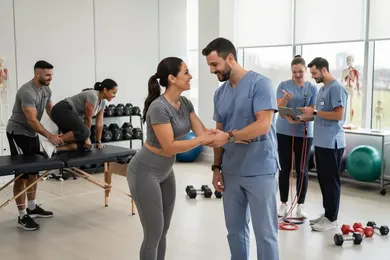
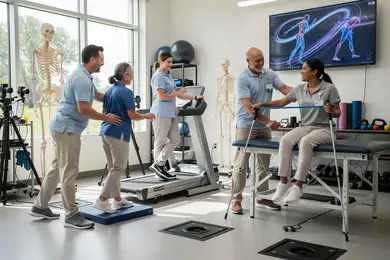
In practical environments, such as professional or collegiate athletic settings, kinesiology-trained staff provide both analytical insights and hands-on monitoring. Employers value familiarity with lab technologies and motion analysis software, along with the ability to convert complex physiological data into actionable plans communicated across interdisciplinary teams.
For those considering career opportunities with a kinesiology degree in sports, this blend of technical and clinical skills directly influences team performance and athlete longevity.
Market data supports steady demand in this niche. The U.S. Bureau of Labor Statistics projects a 10% increase in exercise physiologist positions through the next decade, translating into roughly 1,600 openings annually and signaling stable employability for kinesiology graduates. Students weighing this path should also examine allied healthcare options such as ASN nursing online to compare training duration, curriculum focus, and job market dynamics.
What sports performance roles can you pursue directly with a kinesiology degree?
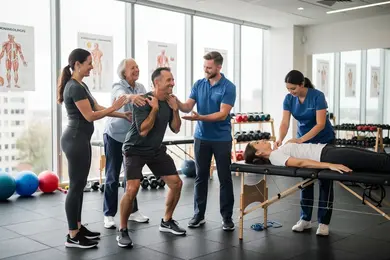
Employers in sports performance increasingly seek candidates with practical certifications and hands-on experience in addition to a kinesiology degree. Entry-level roles such as athletic trainer or strength and conditioning coach are accessible without further advanced degrees, but progression to higher-tier positions typically requires recognized certifications and documented internships.
Athletic trainers employed by professional sports teams or healthcare settings earned a median wage of $60,250 in May 2024, reflecting steady demand but also competitive hiring standards.
Strength and conditioning coaches emphasize applied anatomy and physiology knowledge, often gained through kinesiology programs, but credentials beyond the degree enhance employability in competitive gyms or sports academies.
Biomechanist roles particularly highlight the need for strong data analysis and technology integration skills, frequently necessitating interdisciplinary training with computer science or engineering disciplines. The kinesiology degree lays foundational expertise for exercise physiologists working in clinical or sports contexts; however, advanced certifications may be essential for specialized clinical positions.
Planning for postgraduate certification and strategically acquiring relevant experience mitigate common employer concerns about practical readiness. Students navigating sports performance careers with a kinesiology degree should consider how these tradeoffs affect wage growth and job stability. Compared to alternative educational paths, kinesiology alone predominantly leads to entry- to mid-level opportunities.
An alternative or complementary pathway involves examining the value of a bachelor of science in healthcare administration, which may broaden administrative and leadership prospects within sports and health sectors.

How do kinesiology graduates work with athletes in strength and conditioning positions?
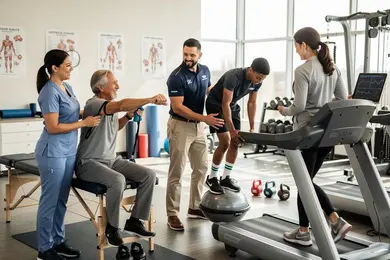
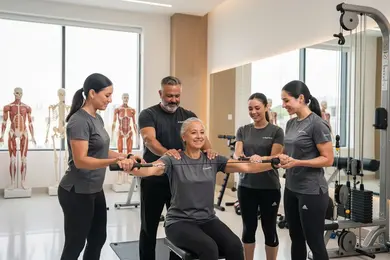
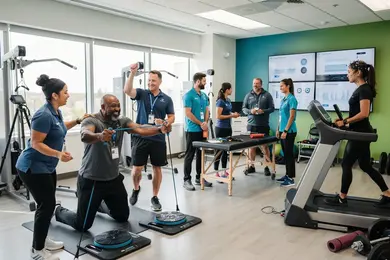
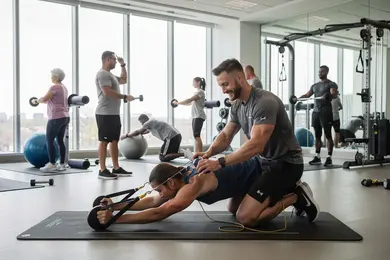
Strength and conditioning roles for kinesiology graduates require applying biomechanical assessment and exercise physiology to optimize athlete performance within sport-specific contexts. These positions demand technical skill in interpreting workload data and adjusting training programs weekly, often integrating advanced wearable tech and motion capture systems to mitigate injury and overtraining risks.
For instance, collegiate football strength coaches monitor workload to balance explosive strength development against recovery needs, illustrating the blend of physiological insight and data-driven decision-making vital to success.
Market expansion in athlete performance analytics, projected to reach $13.8 billion by 2030, reflects growing employer expectations for kinesiology graduates who combine practical coaching expertise with proficiency in data synthesis platforms.
Those pursuing strength and conditioning career paths for kinesiology graduates must negotiate tradeoffs such as limited entry-level roles offering direct athlete contact versus evolving demands for extensive performance data management.
Successfully navigating these challenges requires continuous upskilling, gaining experience through internships in professional or collegiate settings, and clarifying certification expectations. This nuanced career path showing how kinesiology degrees enhance athlete performance coaching demands practical familiarity with rehabilitative protocols supporting rapid return to play while optimizing physical progression.
Prospective students should weigh these realistic workforce requirements carefully while also exploring hybrid educational opportunities—for example, individuals interested in administrative or support roles might consider a healthcare administration degree online California to complement their kinesiology background and broaden postgraduate options.
What are the key duties of a sports performance specialist versus a personal trainer?
The operational distinction between a sports performance specialist and a personal trainer centers on focus and complexity. While a specialist uses sport-specific conditioning, biomechanics, and exercise physiology to optimize competitive athletic performance, a personal trainer delivers general fitness programs geared toward weight management, basic strength, and cardiovascular health.
This influences educational requirements and workplace expectations, reflecting the evolving kinesiology landscape and highlighting the gap between specialized sports performance coaching and personal training roles.
Sports performance specialists integrate injury prevention, recovery protocols, and sport demands with interdisciplinary support from coaches and medical staff. For example, in a collegiate football setting, a specialist designs training that balances explosive power and endurance while accounting for prior injuries and competition schedules.
By contrast, personal trainers typically operate independently in gym settings with less collaboration, focusing mainly on improving client motivation and habits.
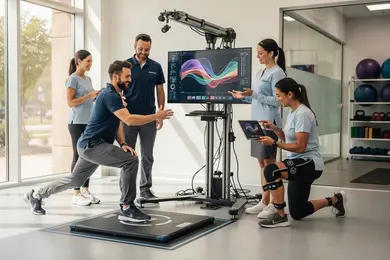
Job preparation for sports performance roles demands advanced kinesiology knowledge and certifications, alongside familiarity with technologies such as GPS tracking and force plates. One practical implication is the importance of aligning education with employer expectations to ensure long-term viability.
According to the U.S. Bureau of Labor Statistics, exercise physiology jobs are projected to grow 10% from 2023 to 2033, underscoring the relevance of specialized training in these emerging roles.
In evaluating sports performance specialist duties versus personal trainer responsibilities, prospective students should consider the tradeoffs between the detailed, interdisciplinary focus required in sports performance and the broader accessibility of personal training.
For those exploring pathways that balance cost with market relevance, researching the cheapest MSN online programs can clarify options beyond traditional kinesiology roles.
Which kinesiology courses best align with careers in sports analytics and performance data?
Biomechanics, exercise physiology, and advanced statistics are critical in kinesiology programs tailored for sports analytics and performance careers. Mastery in biomechanics enables assessment of movement and force patterns essential for interpreting athlete data and injury risk. 4
However, theoretical knowledge alone is insufficient without skills in data analytics—proficiency in software such as R or Python and practical experience with large datasets are baseline expectations.
A tangible example is a sports analyst on a professional team who must synthesize physiological metrics with real-time game data to optimize player performance while mitigating injury. This integration requires not just foundational kinesiology knowledge but rigorous quantitative training and hands-on use of wearable technology or motion capture devices.
Programs lacking applied labs or internships may leave graduates underprepared for high-demand roles where communication of data-driven insights to coaches and medical staff is paramount.
Key course components that align with employability include:
- Biomechanics and movement analysis
- Exercise physiology for training responses
- Statistics with regression and predictive modeling
- Practical labs involving wearable tech and motion capture systems
The median annual wage for fitness trainers and instructors was $46,180 in May 2024, illustrating economic opportunities contingent on specialized skills. Students weighing their coursework options should prioritize those combining physiological understanding with rigorous data analytics to meet evolving workforce demands.
What certifications strengthen your eligibility for sports performance jobs with a kinesiology degree?
Securing certifications such as the Certified Strength and Conditioning Specialist (CSCS) fundamentally shapes employability trajectories for kinesiology graduates seeking roles in sports performance. Employers prioritize CSCS due to its stringent focus on applied biomechanics, training program design, and physiological testing, making it a practical gateway to strength coach positions.
In contrast, the Certified Athletic Trainer (ATC) credential explicitly prepares professionals for acute injury diagnosis and rehabilitation, often required by collegiate and professional sports teams.
Beyond these, certifications like the Certified Exercise Physiologist (ACSM-EP) and Certified Functional Strength Coach (CFSC) extend opportunities into clinical, wellness, and private training sectors. The ACSM-EP is particularly relevant within employer-sponsored wellness initiatives, a sector forecasted to grow substantially, signaling diversified demand for kinesiology practitioners.
Nutrition credentials such as the Certified Sports Nutritionist (CISSN) complement core sports performance roles by enabling athletes' tailored dietary programming but require additional time and education investment.
Practical challenges arise from balancing certification requirements—including supervised hours and continuing education—with degree workloads and financial constraints. A strategic approach often entails securing a primary credential like CSCS early to access entry-level roles, then layering specialized certifications to pivot or deepen expertise over time.
How do online kinesiology programs compare to campus programs for sports performance preparation?
Online kinesiology programs inherently limit access to crucial hands-on training—specifically clinical and laboratory experiences—compared to campus-based formats. This gap significantly affects skill development in biomechanics, exercise physiology, and injury prevention, which employers in sports performance view as non-negotiable competencies.
For instance, a kinesiology graduate pursuing work with collegiate athletes must demonstrate proficiency in real-time assessment and intervention, typically acquired through supervised campus practicums. Online students face the added responsibility of independently sourcing accredited local internships, which often entails inconsistent mentorship and variable exposure quality. Delays or gaps here can hinder employability and timely graduation.
Prospective students must weigh the flexibility of remote study against the operational necessity of experiential learning. This balance is especially pertinent for working professionals who may prefer online options but must proactively ensure practicum arrangements meet employer and accreditation standards.
Labor market data forecasts modest growth and ample openings in roles tied to kinesiology, particularly within academic and athletic institutions. Prioritizing program formats that integrate theoretical knowledge with verified applied experience offers a measurable advantage in candidacy for these positions.
What is the typical salary range for sports performance roles available to kinesiology majors?
Salary outcomes for kinesiology majors in sports performance vary considerably based on role specialization, certification, and employer type. Entry-level positions, such as athletic trainers or exercise physiologists in smaller or public institutions, typically start between $35,000 and $45,000 annually.
However, those holding advanced credentials or working as strength and conditioning coaches at collegiate or professional levels can expect salaries ranging from $60,000 to $85,000 or higher.
Deciding whether to pursue additional qualifications like the Certified Strength and Conditioning Specialist (CSCS) certification or graduate education often hinges on desired job stability and earning potential. This choice directly affects one's competitiveness in a labor market where employment for coaches and scouts is expected to grow by 9% over a decade but remains highly competitive.
Practical considerations also include geographic cost of living and the employer's emphasis on analytics or sports technology proficiency. For example, kinesiology professionals targeting youth and community sports might accept lower wages but benefit from steadier, localized job availability, whereas those aiming for elite sports organizations face fewer openings but markedly higher compensation and responsibility.
Work environments like private sports facilities or university athletic departments frequently offer better pay but require managing complex programs, including athlete evaluation and injury prevention, underscoring the tradeoff between salary and job scope.
What is the job outlook for sports performance careers that hire kinesiology graduates?
Employment for sports performance roles employing kinesiology graduates is growing, with a 7% job growth projection for health education specialists from 2023 to 2033 by the U.S. Bureau of Labor Statistics. This demand is concentrated in physical therapy clinics, sports teams, corporate wellness, and community health, all requiring expertise in exercise science, injury prevention, and performance analytics.
However, these positions often attract competitive applicant pools, making specialized certifications and hands-on internship experience critical differentiators. Graduates entering this market should anticipate roles that integrate biomechanics, nutrition counseling, and data-driven training methodologies.
Workforce expectations vary by setting and credential levels. Clinical employers typically seek advanced knowledge in rehabilitation alongside kinesiology fundamentals, often mandating additional licensure.
In contrast, strength and conditioning positions with collegiate or professional sports organizations prioritize demonstrated outcomes in athlete development and sport-specific conditioning experience.
Corporate wellness programs prefer candidates who combine kinesiology skills with business acumen and strong communication to deliver scalable health initiatives that impact productivity.
Key practical factors include willingness to relocate or work unconventional hours, which affect opportunities in high-demand urban and sports hub markets. Kinesiology graduates without postgraduate qualifications generally access entry- to mid-level roles, with salary and advancement tied to proven technical skills and measurable client improvements.
Ongoing education to keep pace with evolving exercise technologies and regulatory changes remains essential for sustained employability.
How can you evaluate and choose an accredited kinesiology program focused on sports performance?
Choosing an accredited kinesiology program focused on sports performance means prioritizing rigorous institutional and specialized program credentials that align with labor market realities. Regional accreditation recognized by the U.S. Department of Education is a baseline—programs lacking this often struggle to gain employer trust.
Specialized accreditation or approvals related to rehabilitative exercise science indicate a curriculum designed to meet the demands encountered by practitioners in physical therapy and athletic training settings.
Consider the rapid growth in allied roles such as physical therapist assistants, projected by the U.S. Bureau of Labor Statistics to increase employment by 19% between 2023 and 2033. Programs incorporating coursework in anatomy, injury mechanics, and hands-on rehabilitative techniques, alongside practical clinical partnerships, better prepare students for real-world application and employability.
Outcome data—graduation rates, licensure success, and job placement—should guide decisions, as less accredited or lower-ranked options may offer flexibility but typically lack vital employer connections and applied learning opportunities essential for competitive entry into the field.
Full-time, in-person programs often enable supervised clinical internships necessary for skill development, whereas online or hybrid formats must ensure equivalent fieldwork supervision. Evaluating faculty professional backgrounds in relevant sports science or rehabilitation also indicates alignment with current industry standards and practical mentoring.
For learners seeking greater flexibility, an online exercise science degree can provide a pathway into careers in fitness, rehabilitation, and sports performance while accommodating work or family commitments. Prospective students should confirm that online programs offer appropriate field experiences, certification preparation, and employer-recognized accreditation to support long-term career success.
Other Things You Should Know About Kinesiology
A kinesiology degree provides foundational knowledge and practical skills, but most employers in sports performance expect relevant certifications to demonstrate specialized competencies. Prioritize certifications related to strength and conditioning, exercise physiology, or athletic training to access higher-level roles and responsibilities. Without these, career advancement can be significantly slower, as employers often require proof of applied skills beyond academic coursework.
A kinesiology degree provides a solid foundation in human movement, making it possible for working professionals to transition into sports performance roles. However, balancing work and study may require substantial time management skills, as internships and practical experience are often necessary for effective transition.
Early specialization in areas like sports biomechanics or rehabilitation can create immediate job readiness but reduces exposure to complementary skills such as nutrition, psychology, or analytics. A broader curriculum supports versatility and adaptability in the evolving sports performance field but may delay mastery of niche competencies. Students targeting immediate employment in specific roles should focus on specialization, while those seeking long-term flexibility should maintain a wide academic scope.
Kinesiology graduates in sports performance increasingly work within multidisciplinary teams including coaches, dietitians, and medical staff, requiring strong communication and collaboration skills. Independent roles exist but are usually limited to specific settings like private training or consultancy, which demand business acumen in addition to kinesiology expertise. Graduates should prioritize programs that incorporate teamwork and real-world collaboration experiences to meet employer expectations effectively.
References
- Is a Kinesiology Degree Right for You? | Corban University https://www.corban.edu/is-a-kinesiology-degree-right-for-you/
- Kinesiology Program - Avila University https://www.avila.edu/academics/college-of-science-health/department-of-kinesiology/
- Kinesiology Online Master's: See & Compare Top Programs https://www.edumed.org/online-schools/kinesiology-degrees/masters/
- How to choose what certifications are right for you https://engineeredbodies.ca/2016/10/23/how-to-choose-what-certifications-are-right-for-you/
- What Does a Personal Trainer Do? Duties, Salary & More | ISSA https://www.issaonline.com/blogs/training-tips/what-does-a-personal-trainer-do-duties-salary-more
- Specialist personal trainer roles - becoming a specialist PT https://www.hfe.co.uk/personal-trainer/articles/specialist-personal-training-roles/
- The Benefits of a Strength & Conditioning Coach vs Personal Trainer | Carter & George https://www.carterandgeorge.co.uk/blog/strength-conditioning-coach-vs-personal-trainer/
- How Kinesiology Can Help Boost Athletic Performance | Back in Motion Health https://backinmotionhealth.com/blog/how-kinesiology-can-help-boost-athletic-performance/
- Kinesiologist vs Strength Coach vs Personal Trainer vs… - Vital Performance Care https://vitalperformancecare.com/trainer-vs-strength-coach/
- Personal Trainer Course vs Fitness Trainer Course at eta College https://etacollege.com/choosing-your-fitness-path-what-sets-a-fitness-instructor-apart-from-a-personal-trainer/