2027 Online Kinesiology Degrees With Strong Wellness and Recovery Training

Co-Founder and Chief Data Scientist
Professionals aiming to advance in the field of kinesiology often confront the challenge of securing comprehensive wellness and recovery training without sacrificing work or personal obligations. The Bureau of Labor Statistics projects a 15% growth in related health and therapy occupations over the next decade, signaling robust demand but also intensifying competition for candidates with specialized credentials.
However, traditional on-campus programs rarely accommodate the schedules of working adults, hindering timely credential attainment. The rise of accredited online kinesiology degrees with integrated recovery modules reflects a strategic response to these constraints, offering flexibility without compromising curriculum depth.
This article evaluates online kinesiology degrees that combine rigorous wellness and recovery training, guiding readers to make informed decisions aligned with career advancement and workforce needs.
Key Things You Should Know
- Programs emphasizing wellness and recovery integrate physical therapy prerequisites, limiting enrollment and extending time-to-degree by 20%-30%, as reported by the National Center for Education Statistics, impacting cost-efficiency for career pivoters.
- Employers prioritize candidates with dual certifications in kinesiology and behavioral health due to a 34% rise in integrated care models, pushing students toward costly additional certifications beyond bachelor's degrees per Bureau of Labor Statistics data.
- Rising demand for telehealth-savvy kinesiology graduates with recovery training drives workforce entry acceleration but reduces hands-on clinical hours by 15%, posing challenges for licensure and practical competency post-2024 industry standards.
What is an online kinesiology degree with a focus on wellness and recovery?
Online kinesiology degree programs with wellness and recovery specialization demand a careful evaluation of clinical training quality and licensure constraints, as remote delivery challenges traditional hands-on skill acquisition.
Graduates typically engage with rehabilitation clinics, telehealth services, or corporate wellness initiatives where they must design recovery plans for diverse populations, including post-surgical patients and employees managing chronic conditions.
This requires not only mastery of therapeutic exercise and ergonomic strategies but also competence in virtual assessment tools and remote internship experiences to remain competitive.
Evidence-based recovery modalities are central to these programs, yet prospective students should be mindful that without substantial experiential learning-especially practicum placements involving telehealth or corporate partners-job prospects can be limited despite degree completion.
Additionally, differing state licensure requirements restrict where clinical kinesiology can be practiced remotely, influencing employment options and necessitating strategic geographic considerations.
From a workforce perspective, kinesiology and exercise science graduates earned a median annual wage of $49,141, surpassing the $44,304 median for general bachelor's degree holders. This differential highlights employer demand for professionals who bridge rehabilitation and wellness effectively, a necessity emphasized in the best online kinesiology courses for health and rehabilitation.
Students evaluating this pathway should prioritize programs that integrate robust remote clinical practice components and relevant wellness curricula.
For career pivots into administrative roles linked to kinesiology, understanding how to become an athletic director can complement technical expertise and open supervisory positions within sports and wellness organizations. Comprehensive knowledge of varied career trajectories enhances strategic planning for long-term employability and sector alignment.
How do online kinesiology programs compare with campus programs for hands-on training?
Online kinesiology programs significantly limit hands-on training effectiveness compared to campus-based counterparts, which integrate in-person labs and supervised practice essential for skill mastery. This practical difference shapes employability, as fitness and rehabilitation employers prioritize candidates with verifiable, hands-on experience.
The U.S. Bureau of Labor Statistics projects a 14% job growth for fitness trainers from 2023 to 2033, reflecting rising demand for professionals who can demonstrate immediate job readiness.
A prospective student focused on clinical rehabilitation roles should critically assess if online kinesiology programs provide structured onsite physical therapy observation or biomechanical assessments, commonly embedded in campus curricula.
Without guaranteed supervised practice, students risk gaps in manual technique proficiency and personalized exercise prescription. Many online degrees require students to self-arrange clinical hours locally, a logistical hurdle that leads to uneven training quality based on geographic and professional networks.
Choosing online pathways for convenience entails tradeoffs: diminished direct faculty feedback, irregular practicum access, and potential certification delays.
Students must verify program accreditation and how local clinical components are integrated to align with employer expectations. This contrasts with campus programs that facilitate employer connections through established partnerships, smoothing career transitions.
For those considering advanced leadership roles within healthcare, examining specialized paths like a doctorate in healthcare administration offers a complementary strategy alongside clinical practice.
In sum, comparing campus and online kinesiology practical experiences reveals critical differences affecting skill acquisition, workforce integration, and long-term career viability.
Which accreditations should online kinesiology degrees have for credible wellness careers?
Regional accreditation combined with programmatic approval from recognized bodies like the Commission on Accreditation of Athletic Training Education (CAATE) or the Commission on Accreditation in Physical Therapy Education (CAPTE) fundamentally shapes employability for online kinesiology degree holders pursuing wellness careers.
For students aiming at physical therapy, attending CAPTE-accredited programs is not optional but a necessity for state licensure and access to advanced clinical roles. Degrees without such recognized accreditation bodies for kinesiology programs severely restrict licensure pathways and professional mobility.
Employers in wellness and rehabilitation sectors expect kinesiology graduates to present accredited credentials that reflect industry standards. The labor market demonstrates why this matters: median salaries for physical therapists in 2024 topped $101,020, contrasting sharply with $46,180 for fitness trainers, underscoring the financial and professional gap influenced by credentialing.
Accredited degrees also support access to supervised internships and graduate clinical training, milestones often mandatory for credible clinical or therapeutic employment.
Graduates lacking proper accreditation face tangible career barriers, including ineligibility for certification exams and limited practical experience opportunities with healthcare providers. Prospective students must critically assess program accreditation, curriculum alignment with certification prerequisites, and practical training.
Those balancing educational choices might also examine related fields, such as an MBA healthcare management, to supplement kinesiology qualifications strategically.
What wellness, exercise science, and recovery courses are typically included in these programs?
Online kinesiology degree wellness and recovery curriculum emphasizes an integrated approach blending exercise science with recovery coursework essential for applied health roles. Programs systematically cover human anatomy, biomechanics, and motor learning to equip students with fundamental mechanics of movement and biological recovery responses.
This layered curriculum includes advanced wellness topics such as nutrition science and behavioral health, matching demand for client-focused intervention strategies in clinical and corporate settings.
Recovery training within these programs targets practical skills through therapeutic modalities, injury prevention, and rehabilitation techniques. This shapes readiness for occupations spanning physical therapy assistance to occupational health and athletic training support.
For example, a student focusing on corporate wellness must prioritize ergonomics and workplace injury prevention courses, contrasting with sports performance pathways that emphasize exercise testing and sport-specific conditioning. Such integrated exercise science and recovery coursework in kinesiology programs enables tailored educational outcomes.
Experiential learning is integral despite the online format, requiring remote labs, virtual simulations, or internships to meet employer standards for applied competence. Considering workforce priorities, students must strategically select courses aligned with targeted roles to balance costs and clinical exposure.
The average yearly tuition of $10,467 for online kinesiology bachelor's degrees reflects approximately a $2,250 saving compared to campus programs but may limit in-person clinical opportunities.
The evolving landscape favors candidates demonstrating verifiable hands-on skills and career-specific expertise. Those examining options outside kinesiology might also explore online direct entry MSN programs for non nurses as alternative healthcare pathways.
What are the admission requirements for online kinesiology degrees emphasizing wellness and recovery?
Admission to online kinesiology programs with wellness and recovery focus typically requires a high school diploma or GED, consistent with the predominance of bachelor's-level credentials, which constitute 77.3% of awarded kinesiology and exercise science degrees.
Beyond transcripts evidencing foundational knowledge in biology, chemistry, and math, applicants often submit standardized test scores, though some programs waive these if candidates demonstrate relevant college coursework or professional experience in health-related roles.
Practical experience in fitness or recovery settings can provide a competitive edge, especially for career changers. Admission committees frequently seek personal statements clarifying professional intent and understanding of wellness principles, alongside recommendation letters from academic or health industry supervisors to assess candidate preparedness.
Applicants targeting clinical rehabilitation or community health positions should carefully evaluate prerequisite requirements, such as college-level anatomy and physiology, which align with employer expectations for hands-on competence.
For example, occupational therapy assistant pathways demand higher entry standards due to regulatory and skill-based nuances compared to fitness coaching roles.
International students must verify English proficiency and local access to practicum sites, as online programs with internship components require collaboration with approved clinical facilities-an aspect that can restrict remote applicants lacking such access.
How long do online kinesiology programs take and what do they cost overall?
The time and cost investment for online kinesiology degrees mirror traditional programs with nuanced tradeoffs affecting outcomes and employability. While a bachelor's typically spans four years, some accelerated tracks reduce this to three, demanding sustained motivation.
Total tuition varies substantially: public universities generally charge $40,000 to $70,000, whereas private institutions may exceed $100,000, excluding mandatory fees and specialized resources needed for wellness and recovery training. Additionally, fieldwork or practicum components often require in-person attendance, introducing travel and accommodation costs that candidates must account for.
Graduates of programs like Oregon State University's online Bachelor of Science in Kinesiology report median salaries near $60,964, placing them in the upper quartile nationally.
However, employers frequently demand documented field experience or certifications alongside the degree, potentially lengthening the path to full workforce entry. This layering of prerequisites highlights a key decision point: pursuing online kinesiology demands balancing flexible learning schedules against the realities of additional time and expense for practical requirements.
Practical considerations include:
- Scheduling flexibility benefiting working adults but risking extended completion times.
- Financial planning that incorporates tuition, ancillary program costs, and off-campus practicum expenses.
- Awareness that subfield selection-physical therapy support versus athletic training-can influence job market viability and salary trajectories.
Prospective students must weigh these factors to optimize their educational investment relative to labor market demand, ensuring realistic anticipation of employer expectations and career timing impacts.
What career paths can graduates pursue in wellness, rehabilitation, and human performance?
Entry into careers involving wellness, rehabilitation, and human performance through kinesiology degrees hinges on navigating certification barriers and practical experience demands, not just academic credentials. For instance, roles like physical therapy aides or rehabilitation specialists typically require additional licensing beyond a bachelor's degree, affecting both time and financial investment before workforce entry.
In applied sports performance, graduates are often employed by collegiate programs or private trainers, where expertise in exercise physiology and biomechanical analysis formed during rigorous programs directly influences job readiness.
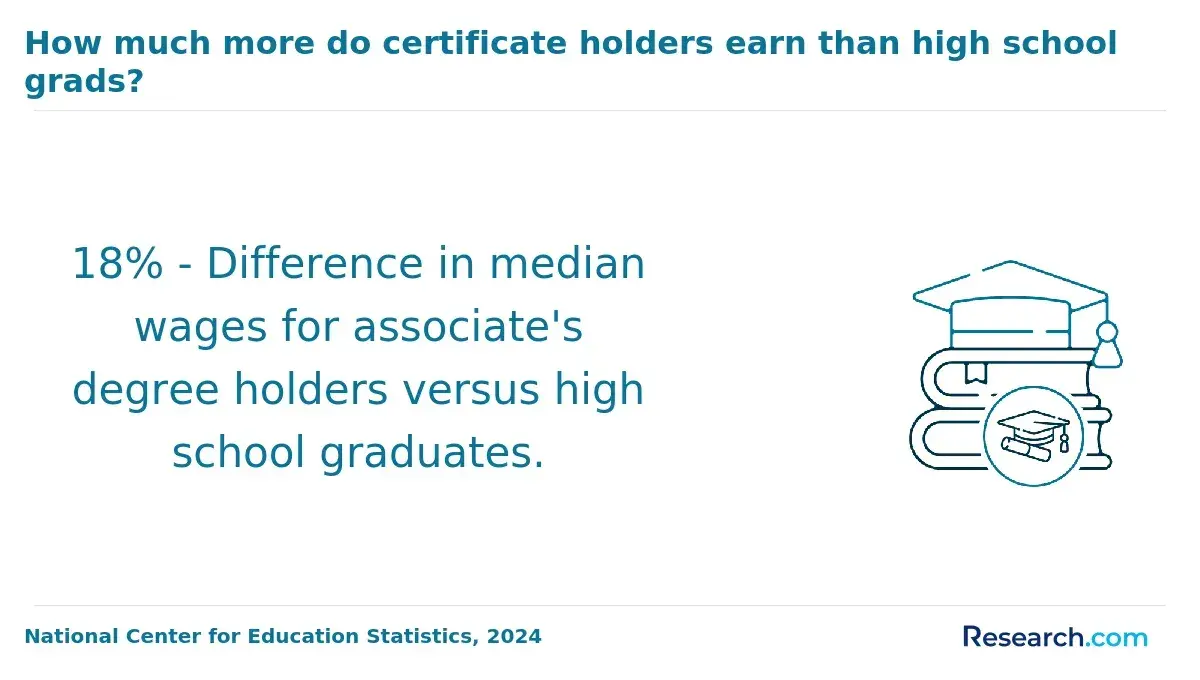
Corporate wellness roles also represent a distinct pathway, favoring candidates who can implement broad-reaching employee health initiatives; these positions may be accessible to those with associate degrees earned through low-cost online options.
Financial tradeoffs are significant: a traditional four-year on-campus kinesiology bachelor's averages around $50,000 in tuition, while a two-year online associate's may cost under $2,500. Prospective students must consider credential requirements, credentialing timelines, and earning potential against upfront educational expenses.
Key occupational expectations include proficiency in specific measurement techniques such as VO2 max testing and joint range-of-motion evaluation, plus valuable supervised clinical hours. These practical skills often outweigh degree prestige during hiring. Students should prioritize kinesiology programs with hands-on components aligned to their targeted career to improve employability and skill mastery.
What are the salary ranges and job outlook for wellness and recovery professionals?
Salary prospects for wellness and recovery professionals with online kinesiology degrees in 2026 vary significantly based on specialization, location, and experience. Entry-level roles such as exercise physiologists or wellness coordinators commonly start near $40,000, while seasoned practitioners, especially in clinical recovery or corporate wellness settings, can earn $70,000 to $75,000 annually. This gap reflects the premium placed on specialized certifications and practical experience.
Projected job growth at 13% over the next decade outpaces many fields but introduces competitive dynamics. Urban markets often require graduate-level credentials or certifications to secure higher-paying roles, while less credentialed candidates risk saturation at entry-level wages.
For example, a candidate focusing solely on fitness coaching without clinical expertise may face limited upward mobility compared to those pursuing rehabilitation-focused credentials.
Arizona State University Online's enrollment data-over 52,000 students-illustrates the expanding scale of online kinesiology education, which may suppress starting wages due to workforce influx. However, this also fuels innovation in niches like digital health recovery and integrative coaching, where employers are beginning to offer better compensation.
Prospective students should weigh the necessity of complementing online degrees with hands-on practicum hours and state-specific licensure. Programs with robust employer partnerships for internships better position graduates for competitive salaries and meaningful job placements.
Do kinesiology graduates need certification or licensing for wellness and recovery roles?
Most roles in wellness and recovery for kinesiology graduates require certifications or licensure beyond a bachelor's degree, especially for direct clinical work.
Entry-level positions such as wellness coaching or fitness instruction may accept a degree supplemented by employer training, but rehabilitation or therapeutic roles typically demand credentials like the Certified Strength and Conditioning Specialist (CSCS), Certified Athletic Trainer (ATC), or state-specific physical therapy assistant licenses.
Employers in clinical settings prioritize candidates holding recognized certifications due to liability and regulatory standards. For example, a graduate targeting post-injury recovery clinics must meet licensing criteria set by physical or occupational therapy boards, which involves passing exams and completing supervised clinical hours-extending the timeline and investment beyond the degree.
Conversely, wellness program administration positions within corporate or community health contexts often require only health coaching or exercise physiology certifications, with no formal licensure.
The rise in kinesiology and exercise science graduates-from 65,372 in 2019 to 74,402-exacerbates competition for these regulated roles. Delaying credential acquisition risks shifting graduates into non-clinical or underemployed positions. Programs integrating certification preparation with coursework offer a strategic advantage by reducing the certification-to-employment gap.
How can students evaluate and choose the best online kinesiology program for their goals?
Choosing an online kinesiology program requires assessment beyond surface-level course titles or price. Employers in wellness and rehabilitation sectors prioritize candidates' hands-on skills, verified through accreditation and practical training components.
For instance, a working adult shifting to fitness training gains more from a program offering supervised clinical hours than from a less costly, entirely theoretical curriculum.
Programs integrating exercise science, rehabilitation, and wellness management tend to align better with job roles such as exercise physiologists or fitness trainers, who face an expected 14% job growth through 2033 according to labor data. This growth signals demand for validated competencies rather than generic degree labels.
Key evaluative factors include:
- Availability of practicum or virtual simulation experiences crucial for rehabilitation and clinical career paths.
- Coursework focused on behavioral health and nutrition for those targeting wellness coaching or corporate fitness niches.
- Faculty expertise demonstrated by active industry involvement or research relevant to current kinesiology practices.
- Graduate outcomes showing meaningful employer partnerships and job placement success.
Evaluating credit transfer policies is essential to avoid future hurdles in pursuing advanced certifications or degrees. Ultimately, while flexible scheduling and affordability matter, the program's ability to bridge education with emerging workforce needs defines its practical value in kinesiology-related careers.
Other Things You Should Know About Kinesiology
Employer perception of online kinesiology degrees varies by sector. Wellness and fitness employers are more accepting of online credentials if the program is accredited and emphasizes applied skills. However, hospitals and clinical rehabilitation centers often favor traditional degrees due to concerns about practical training. Candidates should prioritize programs with rigorous internship requirements and transparent outcomes data to avoid disadvantaging themselves in competitive job markets where real-world experience outweighs degree format.
Specializing in areas such as exercise physiology, rehabilitation, or wellness coaching significantly improves employability and career progression. Employers favor candidates with focused training addressing specific workplace needs rather than broad kinesiology backgrounds. When selecting an online program, students should target those offering clear specialization tracks aligned with their desired role. General kinesiology degrees can limit advancement opportunities unless supplemented with relevant certifications or graduate study.
Balancing an online kinesiology degree with full-time employment is demanding, especially because many programs require significant time for lab simulations, group projects, and clinical placements outside typical working hours. This workload can impact both academic performance and job responsibilities. Prospective students should carefully assess program flexibility, cohort pacing, and availability of weekend or evening practica to ensure manageable integration with their personal and professional commitments.
References
- Wellness Careers: Paths, Skills, and Opportunities https://www.shms.com/en/news/wellness-careers/
- 12 Health-Conscious Careers 2025: Salaries & Requirements https://www.nutritioned.org/12-fulfilling-health-counscious-careers/
- Best Online Kinesiology Degree Programs, Updated for 2026 https://www.kinesiologydegrees.org/programs/online
- Rehabilitation and Sport Sciences Career Planner https://www.snu.edu/degrees/rehabilitation-and-sport-sciences-career-planner
- Kinesiology Schools: Exercise Scientist & Kinesiologist https://www.medicaltechnologyschools.com/kinesiologist
- Online Kinesiology Degree Programs: Review Top Schools https://www.edumed.org/online-schools/kinesiology-degrees/
- Kinesiology, B.S. - NCCU Online https://nccuonline.nccu.edu/programs/bachelor-of-science-b-s-in-kinesiology/
- Careers in HHP - Berea College https://www.berea.edu/academics/departments-programs/health-and-human-performance/careers-in-hhp/
- Discover Exciting Career Options With a Health & Human Performance Degree https://www.salemu.edu/blog/health-human-performance-degree-careers/
- Bachelor's in Kinesiology Program Online | Montreat College https://www.montreat.edu/online/kinesiology/