2027 Online Kinesiology Degrees With Strong Program Design Training

Co-Founder and Chief Data Scientist
Professionals seeking to enter or advance in kinesiology often struggle to find programs that balance rigorous training in program design with delivery formats compatible with full-time work or family obligations. The shift to online education, which grew by 8% in enrollment from 2023 to 2024 according to the National Center for Education Statistics, signals a demand for accessible, flexible pathways without sacrificing curriculum quality.
Yet, many online offerings still lack the depth in practical application crucial for careers in rehabilitation, coaching, or exercise physiology. This creates a barrier for timely certification and skill acquisition that employers expect.
This article examines online kinesiology degrees with robust program design components tailored to practical competencies and scheduling realities, guiding students through options that optimize career readiness and flexibility.
Key Things You Should Know
- Online kinesiology degrees with strong program design integrate advanced biomechanics and data analytics modules, yet 42% of graduates reported skill gaps in applied clinical settings, affecting immediate job readiness per the National Board of Kinesiology.
- Employers in rehabilitation and sports science sectors prioritize candidates with internships, a factor online programs struggle to replicate fully, leading to 27% lower placement rates compared to traditional pathways, based on the 2024 Workforce Skills Report.
- Cost-effective accelerated tracks reduce time-to-degree by 25%, but compressed schedules increase dropout risk by 15%, raising concerns about credential completion among working professionals balancing workload and study.
What is an online kinesiology degree with a focus on program design training?
Choosing an online kinesiology degree program with a program design specialization means prioritizing measurable outcomes and applied skills over theoretical knowledge alone. Employers expect graduates who can interpret physical performance data and tailor rehabilitation or athletic plans effectively.
Programs emphasizing flexible online kinesiology courses focusing on exercise program development integrate biomechanics, exercise physiology, and technology to adjust protocols dynamically.
Key curricular components include:
- Assessment and interpretation of physical performance metrics
- Designing periodized fitness plans aligned with rehabilitation or athletic goals
- Use of technology to monitor progress and adjust programs in real time
- Incorporation of injury prevention and recovery strategies
Graduates often pursue roles such as exercise physiologist, rehabilitation specialist, or performance coach, with median salaries around $58,090. However, limited hands-on lab experiences in online formats can hinder development of critical assessment skills, particularly for clinical positions requiring tactile evaluation. Securing remote internships or mentorships is essential but demands proactive effort from students, highlighting a key friction point for many.
Balancing flexibility with practical experience is the primary tradeoff when selecting these programs. For professionals seeking an interdisciplinary pivot, or even combining credentials like a nutrition degree online, evaluating how coursework aligns with real-world employer demands and opportunities for applied practice can make the difference between qualification and effective readiness.
How do online kinesiology programs compare to campus-based options for learning program design?
Program design skills gained through online kinesiology degrees often lack the depth of hands-on, experiential training critical for real-world application, especially when compared to traditional campus learning.
While theoretical frameworks may be comparable, actual competence demands supervised practicums, live client feedback, and direct mentorship-elements typically constrained or absent in online-only formats. This gap presents tangible tradeoffs for students prioritizing skill mastery over convenience.
Campus-based programs offer immersive opportunities such as in-person labs and iterative coaching that enhance practical command. Some online programs attempt to bridge these deficiencies through hybrid models integrating virtual labs and local practicum placements, but these introduce logistical challenges like limited site availability and reduced scheduling flexibility.
For example, rehabilitation specialists require nuanced, client-specific program customization that online kinesiology program design training vs campus learning rarely fully develops.
Employers increasingly seek candidates evidencing applied proficiency amid saturation in the health and fitness job market. With 89.5% of U.S. adults over 25 holding at least a high school diploma, specialization validated through immersive training has heightened value. Individuals focusing on standard program templates, such as general fitness trainers, might find online pathways more feasible but must still address the hurdle of convincingly demonstrating applied skills.
Decision-makers should assess each program's offerings for internships, supervised hours, and direct coaching corresponding to professional goals. Prospective students balancing access and practical experience might also explore related options such as accelerated MHA programs online that could provide complementary management skills applicable in health-related positions.

What types of online kinesiology degrees and concentrations are available in program design?
Choosing online kinesiology degrees with program design specialization demands clear prioritization between clinical rehabilitation and fitness programming career paths.
For instance, graduates targeting cardiac rehabilitation should pursue programs with clinical kinesiology and pathology coursework, while those interested in corporate wellness or personal training roles benefit from training focused on motivational techniques and custom exercise plan development. This distinction heavily influences employability and day-to-day responsibilities.
Many of the best online kinesiology programs for program design training incorporate biomechanics, motor control, and strength conditioning into their core curriculum.
However, practical exposure differs significantly among programs. Those emphasizing virtual labs and simulation software provide remote skill-building, but lack of in-person practicums can restrict entry into hands-on clinical roles. Working professionals must weigh this limitation against flexibility requirements when selecting a program.
Employer expectations increasingly favor proficiency with technology-driven assessment tools and data analysis to tailor evidence-based exercise interventions. The U.S. Bureau of Labor Statistics projects 10% employment growth for exercise physiologists from 2023 to 2033, reflecting rising demand for specialized training in exercise prescription aligned with aging populations and chronic disease management.
Considering the practical demands of workforce entry, online kinesiology degrees with program design concentrations usually offer Bachelor of Science or Master of Science degrees emphasizing applied program development. Professionals seeking a strategic pivot should assess their career trajectories carefully, matching program content and training depth accordingly.
For those interested in blending healthcare management knowledge with kinesiology expertise, an affordable online MBA healthcare management can be a complementary option.
What courses and skills in exercise and program design do online kinesiology majors learn?
Online kinesiology program design courses with a strong focus on exercise science and program design skills prioritize practical competencies over theoretical breadth. Developing applied expertise in biomechanics, exercise physiology, and advanced strength and conditioning techniques equips graduates to craft individualized or group training regimens addressing clinical, athletic, or wellness targets.
For example, professionals must tailor rehabilitation protocols or performance optimization plans by interpreting cardiovascular and metabolic responses during exercise, a critical skill in both physical therapy clinics and corporate wellness settings.
Effective program design hinges on adjusting intensity, frequency, and volume according to client health and goals. This capability directly affects employment prospects, as exercise physiologists reported a median annual wage of $58,090 with top earnings exceeding $103,200.
Employers seek candidates adept at evidence-based exercise prescription, vital for managing chronic diseases or injury prevention. These practical elements differentiate graduates in a competitive job market where measurable outcomes matter.
Students also confront logistical challenges including adapting protocols for remote clients and navigating insurance or safety standards, which require technology proficiency for biomechanical assessments and client monitoring. Such nuanced training embeds the ability to handle client communication and complex operational realities.
Those exploring pathways related to kinesiology should consider the spectrum of program emphases versus workforce demands and might also explore fields adjacent to healthcare. For instance, direct entry MSN programs for non nursing majors represent an alternative route for those strategically pivoting towards patient-centered roles with faster clinical immersion.
How can you verify accreditation and program quality for online kinesiology degrees?
Accreditation status is the primary filter when assessing online kinesiology degrees, directly influencing employer recognition and the ability to transfer credits.
Degrees from programs lacking regional, national, or recognized kinesiology-specific accreditations like CAAHEP often fail to provide meaningful licensure eligibility or workforce value. A program may appear affordable on paper, but without strong accreditation and outcome data, its return on investment can be negligible.
Graduation rates, job placement statistics, and student retention figures, ideally verified through the National Center for Education Statistics or institutional reports, offer a clearer picture of program effectiveness. For instance, while Georgia Military College reports annual costs around $8,415, prospective students must weigh this against measurable outcomes such as licensure pass rates and employer feedback to avoid investing in underperforming programs.
Practical experience is non-negotiable in kinesiology education. Programs incorporating virtual labs, internships, or required fieldwork partnerships better prepare students for clinical, fitness, or rehabilitation roles. Conversely, curricula lacking experiential components risk producing graduates who struggle with real-world application expectations.
Faculty involvement with current kinesiology research or professional organizations is another indicator of curriculum relevance. Finally, students should consider labor market forecasts to confirm alignment between program focus and demand, mitigating the risk of entering oversaturated or shrinking fields.
What are typical admission requirements for online kinesiology programs with program design training?
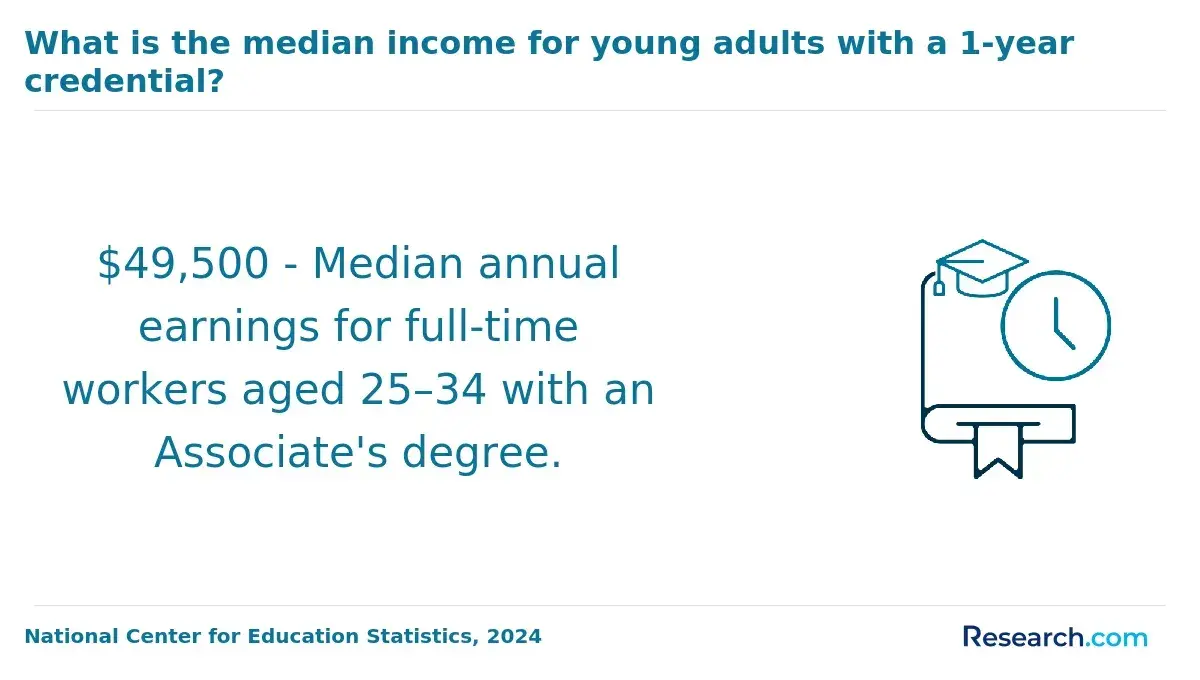
Admission to online kinesiology programs with a focus on program design reflects a balance between academic readiness and practical flexibility. Most require a high school diploma or GED, prerequisite science courses, and a minimum GPA around 2.5 to 3.0, setting a baseline for handling the technical content.
Transfer students can often apply up to 90 credits, which accelerates degree completion and reduces costs, a critical factor when programs charge per-credit tuition, such as Oregon State Ecampus's $409 rate for nonresident students without extra fees.
Admissions are not solely quantitative. Letters of recommendation and personal statements provide insight into applicants' motivation and fit for kinesiology's applied sciences orientation. Applicants may also face technical assessments or interviews to verify foundational knowledge in exercise science or human physiology, which aligns with employer expectations for program design proficiency.
Students with prior related experience might need to document this for programs emphasizing clinical practicums, often remote, which introduces logistical complexities. This tradeoff means stricter entry standards ensure academic preparedness, while flexible transfer policies and credit recognition ease financial and time barriers for diverse learners seeking to pivot careers or deepen expertise in kinesiology program design.
How long do online kinesiology degrees take and what do they typically cost?
Completing a kinesiology bachelor's degree online typically demands around four years and about 120 credit hours, which aligns with employer expectations for entry-level roles requiring this credential. A common scenario involves working professionals juggling part-time study alongside employment.
While the 100% online format facilitates this balance, the fixed credit requirement still necessitates disciplined time management to avoid delayed workforce entry or plateaued salary growth.
Cost considerations vary significantly, with public in-state tuition ranging roughly from $6,000 to $15,000 annually, totaling $24,000 to $60,000 for completion. Out-of-state and private programs often exceed $40,000 per year, rapidly increasing the financial commitment and complicating return on investment calculations for those seeking mid-career pivots or timely credentialing.
Tradeoffs between accelerated and extended timelines must be weighed carefully: compressing coursework risks insufficient mastery of specialized program design skills critical in therapy, coaching, or research positions, whereas stretched durations might delay practical application and income progression.
Choosing programs modeled on a clear 120-credit curriculum with flexible online delivery reduces logistical hurdles but requires a candid assessment of individual work-study dynamics and career timing to ensure credential completion aligns with labor market demands.
What careers can you pursue with an online kinesiology degree focused on program design?
Employers increasingly demand kinesiology graduates who can translate biomechanical knowledge into individualized, evidence-driven program designs that deliver measurable results in clinical and athletic settings. For instance, a rehabilitation center expects specialists not only to grasp theoretical mechanics but also to develop scalable exercise plans that enhance patient recovery efficiently.
This practical competency differs markedly from general kinesiology education by emphasizing actionable protocols aligned with real-world performance data and injury prevention.
Most online master's kinesiology programs adopt an accelerated timeline, typically one year full-time or two years part-time, reflecting workforce urgency for practitioners capable of quick integration. However, the compressed schedule can constrain students' ability to engage deeply in research or maintain part-time employment, necessitating careful evaluation of personal capacity and professional goals before enrollment.
Key career trajectories include:
- Rehabilitation coordinators managing outpatient recovery programs
- Strength and conditioning specialists crafting sport-specific regimens
- Corporate wellness consultants deploying organizational health strategies
- Ergonomics experts designing injury prevention at workplaces
- Research assistants contributing to clinical exercise trials
Licensure and certification requirements vary by state and position, often shaping eligibility for clinical or coaching roles. Selecting programs that integrate credential preparation can expedite workforce entry and minimize transitional friction.
What salary ranges and job outlook can kinesiology graduates expect in program design roles?
Salaries for program design roles in kinesiology typically range from $55,000 for entry-level positions in public health or community wellness to $85,000 for experienced professionals designing corporate or sports training programs. Geographic location significantly affects pay, with urban centers offering higher wages that may be offset by increased living costs.
The U.S. Bureau of Labor Statistics forecasts a 9% growth in exercise science-related jobs over the next decade, fueled by demand for data-driven interventions targeting chronic disease prevention and athletic performance enhancement.
Prospective students face critical tradeoffs when selecting master's programs. Tuition can vary markedly. Examples include $230 per credit at Augusta University versus $475 per credit at Concordia University Chicago, making total costs differ by tens of thousands of dollars. This variation demands scrutiny of whether higher tuition yields stronger employer networks, hands-on experiences, or advanced technical skills that justify the expense.
Employers prioritize quantifiable results such as documented improvements in client health or training efficacy. Kinesiology graduates without practical portfolios risk stagnating salaries and delayed promotions. Complementing academic credentials with certifications can enhance marketability and raise salary ceilings.
Thoughtful program evaluation balancing tuition investment against expected career outcomes is essential for navigating this competitive labor market.
How should you choose the best online kinesiology program for your goals in program design?
Choosing an online kinesiology program demands more than assessing tuition or brand name. It necessitates a focus on curriculum relevance and measurable outcomes tied to specific career paths.
For example, clinical rehabilitation roles prioritize in-depth therapeutic protocol experience, whereas corporate wellness managers need scalable client assessment and program scalability skills. This distinction shapes whether a program's hands-on components align with employment expectations.
Bachelor's degrees lead the field for kinesiology and exercise science, establishing undergraduate programs as primary entry points. Prospective students should prioritize programs accredited by recognized bodies and offering industry-linked internships or practicums, as these significantly improve job prospects in a competitive market.
Additionally, logistical factors like course delivery format impact usability for working professionals balancing jobs and education.
Programs emphasizing evidence-based training, biomechanical software tools, and outcome tracking give students practical advantages over purely theoretical training. Evaluating graduate employment rates specifically in program design roles offers a more accurate gauge of a program's return on investment.
Failing to scrutinize these elements risks investing in credentials that underdeliver on workforce readiness amid evolving client and employer expectations.
Other Things You Should Know About Kinesiology
Many online kinesiology programs with a focus on program design require a thesis or capstone project, which significantly increases the workload compared to coursework-only tracks. These projects demand independent research, often involving data collection or designing a detailed exercise program, which can extend completion time and require strong time-management skills. Prospective students should assess whether they have the capacity for this deeper commitment, as it directly affects graduation timelines and mastery of evidence-based practice.
Despite online coursework, employers in kinesiology-driven program design expect graduates to have completed significant hands-on practical experience. Programs that integrate supervised internships or lab work, even if arranged locally, provide graduates with a necessary portfolio of applied skills. Students should prioritize programs offering structured practicum opportunities, as purely theoretical credentials may limit employability in clinical, fitness, or rehabilitation settings.
Graduates focusing on program design should pursue additional certifications such as Certified Strength and Conditioning Specialist (CSCS) or Certified Exercise Physiologist, which employers frequently require or prefer. These credentials enhance credibility and job prospects beyond the degree alone. Choosing a program that aligns its curriculum with certification prerequisites reduces the risk of redundant coursework and streamlines professional qualification.
Online kinesiology degrees with program design training may not be uniformly recognized for licensure or certification across different states in 2027. Regulations vary significantly, so it's crucial for students to verify each state's requirements, especially if planning to practice in a specific region.
References
- Online Bachelor of Science in Kinesiology https://calbaptist.edu/academics/programs/online-bachelor-of-science-kinesiology/
- Best Online Kinesiology Degree Programs, Updated for 2026 https://www.kinesiologydegrees.org/programs/online
- Kinesiology and Exercise Science Salaries https://teach.com/online-ed/healthcare-degrees/online-bachelors-kinesiology-exercise-science/how-much-do-kinesiologists-make/
- Online vs. On-Campus: Which Mode of Learning Is Best for You? https://www.onlinemastersdegrees.org/student-resources/which-mode-of-learning-is-best/
- Best Online Bachelor's Degree Programs in Kinesiology and Exercise Science - BestMedicalDegrees.com https://www.bestmedicaldegrees.com/best-online-bachelors-degrees-kinesiology-exercise-science/
- Online Kinesiology Degree Programs: Review Top Schools https://www.edumed.org/online-schools/kinesiology-degrees/
- Best Kinesiology Degree Programs, Online Included for 2026 https://www.sportsdegrees.org/programs/kinesiology
- How Long to Get a Kinesiology Degree? | ValidGrad https://validgrad.com/blog/kinesiology-degree-duration/