2027 Online Kinesiology Degrees With Strong Movement Analysis Training

Co-Founder and Chief Data Scientist
Health professionals seeking advancement in movement analysis often confront a bottleneck: programs emphasizing practical biomechanics and clinical application are scarce online, impeding those balancing work with education.
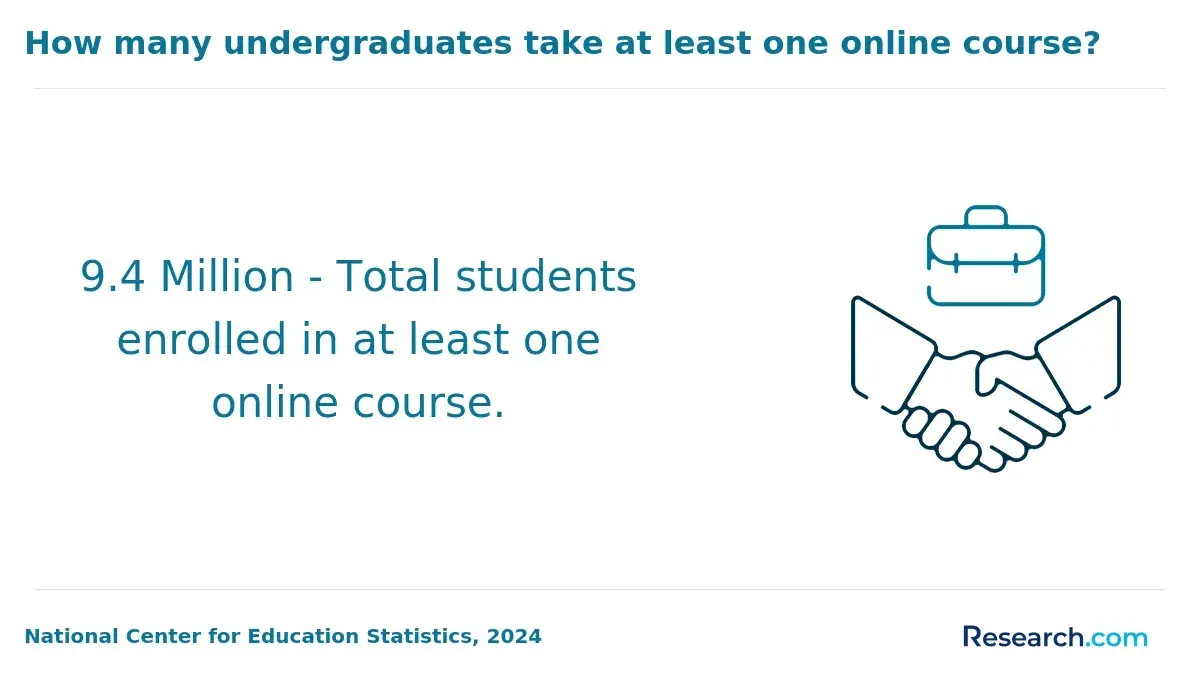
This gap persists despite a 17% surge in adult enrollment in accredited remote science programs reported by the National Center for Education Statistics in 2024, signaling demand for accessible, rigorous training tailored to mid-career specialization. Yet, many online kinesiology degrees lack robust modules in movement analysis, a skill core to employability in rehabilitation, sports science, and ergonomic consulting roles requiring precise diagnostic expertise.
This article evaluates online kinesiology degrees that integrate comprehensive movement analysis curricula, aiming to guide professionals in selecting programs that enhance career mobility through practical, applied training rigor aligned with evolving workforce demands.
Key Things You Should Know
- Online kinesiology degrees with strong movement analysis training average 20% lower tuition yet extend completion time by 6-12 months due to asynchronous lab simulations, raising opportunity costs per federal education data.
- Employers prioritize accredited programs integrating 3D motion capture and force plate analytics, with 68% of U.S. biomechanics labs requiring demonstrable experience, per a 2024 National Academy of Sciences workforce survey.
- Programs lacking in-person practical components risk diminishing graduates' readiness for clinical or sports performance roles, restricting immediate employability despite theoretical proficiency, as indicated by 2024 Bureau of Labor Statistics job placement metrics.
What is an online kinesiology degree with a focus on movement analysis?
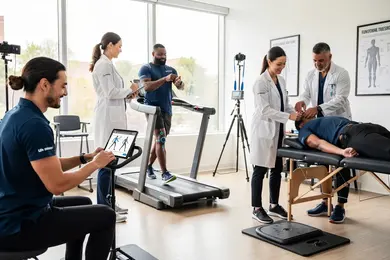
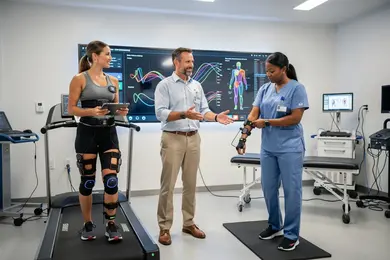
Specializing in movement analysis within online kinesiology degrees demands balancing technical skill acquisition with real-world application hurdles. Graduates must master biomechanical assessment tools such as 3D motion capture and electromyography to meet the precise needs of rehabilitation or sports performance roles.
For instance, a clinician analyzing gait data remotely can tailor stroke rehabilitation plans without requiring in-person visits, demonstrating tangible benefits of data-driven evaluation.
These online kinesiology degrees with comprehensive movement analysis typically require reliable internet and local practicums, reflecting a tradeoff between flexible asynchronous study and mandatory hands-on experience. Failure to complete in-person components can limit credential recognition, a critical consideration often overlooked by prospective students.
Career trajectories in this niche show positive trends. According to the U.S. Bureau of Labor Statistics, exercise physiologists earn a median wage of $54,860 with a 10% employment growth projected from 2024 to 2034, well above average. Employers increasingly seek candidates with demonstrable expertise in objective movement assessment linked to measurable outcomes.
When comparing programs, prospective students should examine local internship opportunities and software platforms, as proficiency with specific movement analysis tools impacts employability in clinical, research, and sports settings. Those evaluating the best Canadian online kinesiology programs focused on movement study must weigh these practical elements carefully alongside curriculum content.
More detailed pathways and program options can be explored through the typical offerings of the online degree in exercise science.
How does an online kinesiology program compare to campus-based options for movement analysis?
Online kinesiology movement analysis training comparison reveals that virtual programs replicate theoretical components such as biomechanics and motor control effectively but fall short in hands-on skill development crucial for many employers.
Campus versus online kinesiology programs for movement analysis show a key limitation: practical techniques like manual muscle testing require tactile feedback that online formats struggle to provide. Accredited online programs often require local internships or practicums, but the quality of these experiences varies, and this inconsistency affects graduates' job readiness in clinical and athletic settings.
Consider a physical therapy assistant trained entirely online who excels at interpreting gait data software yet risks underperformance in manual assessments without in-person supervision. Employers, especially in physical therapy where median wages are $101,020 annually, prioritize applicants with proven practical skills to minimize training time and ensure patient safety.
Students facing geographic or scheduling challenges opt for online kinesiology programs for flexibility but must proactively secure local clinical placements to achieve comparable movement analysis proficiency to campus cohorts. Evaluating a program's partnerships with healthcare or sports facilities against career goals is critical to avoid practical skill gaps.
Balancing theoretical learning and practical exposure is essential to fully meet employment standards. For those exploring alternative healthcare fields, comprehensive comparisons with pathways such as healthcare administration can provide strategic options.

Which accreditations should online kinesiology degrees have to be considered reputable?
Choosing an accredited online kinesiology degree program in the US is pivotal for ensuring your qualification holds practical value in competitive job markets. Regional accreditation from bodies such as the Higher Learning Commission (HLC) or the Southern Association of Colleges and Schools Commission on Colleges (SACSCOC) is a non-negotiable baseline; without it, graduates often encounter barriers to licensure and limited employer recognition.
Beyond general accreditation, recognized kinesiology certification standards for online degrees demand scrutiny. Programs aligned with national competencies in movement science and biomechanical analysis, or certified by entities like the Commission on Accreditation of Allied Health Education Programs (CAAHEP), substantiate the skill set needed for rehabilitation and movement evaluation roles.
In clinical settings, degrees reflecting standards from the Council on Academic Accreditation in Audiology and Speech-Language Pathology (CAA) or the National Strength and Conditioning Association (NSCA) better prepare candidates for employer expectations emphasizing applied competencies over theory alone.
Cost considerations must be balanced with credential legitimacy. For instance, the online M.S. Kinesiology at Avila University charges $20,150 in total tuition—a moderate investment—in contrast to less accredited, cheaper alternatives that risk long-term employability.
Weighing tuition versus accreditation and curriculum rigor is essential, as this impacts future salary potential and promotion eligibility.
Finally, prospective students should consider resources like this healthcare administration degree cost analysis to benchmark expenses when pivoting careers or advancing within kinesiology-related fields.
What coursework and lab experiences build strong movement analysis skills online?
Online kinesiology movement analysis coursework demands a precise balance between technical skill development and real-time feedback, a challenge for many remote learners. Practical competencies arise from analyzing human motion with video analysis software, wearable sensors, and motion capture tools.
For instance, students often collect gait data through smartphone apps and conduct comparative assessments, a capability directly transferable to rehabilitation and athletic performance roles where data interpretation impacts patient or client outcomes.
Virtual lab experiences for movement analysis training frequently employ asynchronous modules with scheduled live sessions to offset limited instructor contact. This format requires students to self-motivate while navigating potential technology barriers such as reliable high-speed internet and compatible devices.
Programs that embed case studies on movement disorders or ergonomics provide the applied context employers prioritize, as graduates must translate biomechanical data into effective intervention plans in clinical or fitness environments.
Cost considerations also affect decision-making; for example, the online M.S. Kinesiology at Corban University charges $27,000 total for 2026-2027, equating to $750 per credit. Budget-minded students often compare these investment factors alongside quality indicators to identify the best pathway.
Professionals assessing educational options may also review broader analyses such as best value nursing education online WGU to understand pricing and delivery trade-offs across health-related fields.
What admission requirements and prerequisites do online kinesiology programs typically expect?
Admission into online kinesiology master's programs often requires more than just academic records; the expectation is for candidates to demonstrate applied expertise relevant to movement analysis. Employers in clinical and athletic settings favor graduates who combine theory with practical experience, typically evidenced through internships or clinical assistantships.
For those transitioning from unrelated fields—such as nursing—completing prerequisite coursework in anatomy and biomechanics can extend time-to-degree and increase upfront costs.
Typical admission criteria include a bachelor's degree in kinesiology, exercise science, or biology with a GPA ranging from 3.0 to 3.5. Applicants usually need documented laboratory or clinical experience and letters of recommendation affirming research competence. Some programs may still request GRE scores, though this is less common.
Financial investment is significant; for example, the University of Mary charges around $670 per credit. This cost underlines the importance of balancing program rigor with expected employability outcomes. Candidates must also provide a clear statement of purpose outlining career goals aligned with workforce demands.
How long do online kinesiology degrees take and what do they cost?
Completion time for online kinesiology degrees fluctuates significantly based on prior credits and program design, impacting both cost and employability. Students leveraging transfer credits from previous coursework or associate degrees can finish in under two years, as seen with options at institutions like California Baptist University, where completion can be accelerated to 16 months. This acceleration reduces opportunity costs, enabling faster entry or reentry into the workforce.
Expenses correspond closely with institution type and residency status: public universities typically charge $5,000 to $15,000 annually for in-state students, while private programs like California Baptist University approximate $35,000 total tuition. These cost differences intersect with student circumstances to determine financial feasibility and return on investment.
Employers prioritize timely graduation and applicable hands-on experience over simply total cost spent. Programs incorporating virtual labs and movement analysis enhance practical readiness but may increase fees. The tradeoff between accelerated degree pathways and depth of experiential learning is critical for those aiming to meet evolving workforce demands.
Consider a working professional with an associate degree pursuing kinesiology online to pivot careers rapidly: selecting a program with generous transfer policies and integrated practical components provides a strategic balance between efficiency, cost, and job market alignment.
What careers can a kinesiology graduate with advanced movement analysis pursue?
Graduates specializing in advanced movement analysis within kinesiology face a complex tradeoff between credentialing hurdles and market opportunities. Physical therapy roles require licenses that add substantial time and expense but offer higher salaries and clinical autonomy.
Alternatively, positions in sports performance or ergonomic consulting demand strong technical skills in biomechanical data interpretation but less formal licensure, influencing income variability and employability.
For example, a physical therapist utilizing gait analysis technology can detect subtle biomechanical inefficiencies unseen in standard exams, enabling interventions that accelerate recovery timelines.
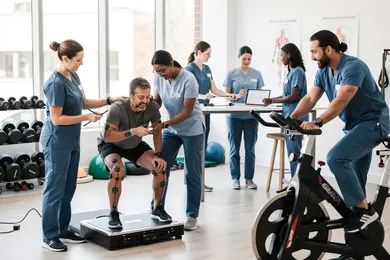
In contrast, sports performance analysts integrate motion capture with force plate data to refine athlete training regimens, primarily within professional or collegiate athletic programs where measurable performance gains are rewarded.
Workplace ergonomics consulting addresses musculoskeletal risks through movement assessments, a growing sector underscored by repetitive strain injuries identified by the U.S. Bureau of Labor Statistics as a leading cause of lost workdays.
Cost considerations critically impact prospective students: East Central University Online charges $331.80 per credit for Oklahoma residents versus $668.80 for non-residents, a gap requiring careful evaluation against local job markets and credential costs.
Online kinesiology programs that emphasize practical movement analysis paired with supplementary certifications and clinical experience better position graduates to meet employer expectations and adapt to sector-specific credential demands.
What salaries and earning potential can graduates with movement analysis training expect?
The salary outlook for graduates trained in movement analysis varies significantly by role, sector, and credentials. Entry-level salaries typically range from $55,000 to $75,000 annually, reflecting data from the U.S. Bureau of Labor Statistics on related positions such as exercise physiologists ($58,000 median) and biomechanists ($69,000 median).
However, earning potential expands meaningfully—by 15-25% within five years—for those who acquire advanced certifications or graduate degrees, especially in clinical or research roles involving rehabilitation technologies or athletic performance.
Employment setting strongly influences compensation. Professionals in private sports performance or elite athletic programs tend to command higher salaries, whereas public health and academic research positions align closer to median wages. Practical skills like proficiency with motion capture and data analysis software increasingly affect hiring and salary negotiations.
For candidates balancing cost and outcomes, schools like Avila University, recognized for affordable online master's programs, can reduce debt burden—an important factor since reduced financial strain enhances net lifetime earnings. However, specialization comes with trade-offs:
- Hospital-based rehabilitation roles usually require state licensing or certifications, increasing upfront investment but yielding $10,000-$20,000 higher pay on average.
- Athletic training or wellness consulting positions may value hands-on portfolio experience over formal credentialing, which can limit salary ceilings and long-term advancement.
These distinctions affect strategic decisions for students seeking sustainable careers in kinesiology and underscore the importance of aligning credentials, skills, and sector choices with realistic income expectations and career objectives.
What certifications or licenses relate to kinesiology and human movement professionals?
Certification choices in kinesiology disproportionately affect career trajectories, depending on workplace context and professional focus. For instance, selecting the Certified Exercise Physiologist credential from the American College of Sports Medicine (ACSM) positions graduates for roles centering on rehabilitation and wellness, while the Certified Strength and Conditioning Specialist (CSCS) by the National Strength and Conditioning Association (NSCA) aligns with athletic performance.
Practitioners aiming to work in clinical or state-licensed settings must navigate additional licensure requirements, such as the Certified Kinesiologist credential that mandates state exams in jurisdictions recognizing it as a licensed profession.
Employers generally require at least a bachelor's degree incorporating roughly 120 credit hours and 38 courses covering anatomy, biomechanics, and movement analysis, as exemplified by programs like the online kinesiology degree at Arizona State University. However, credentials alone are insufficient; preferred candidates often demonstrate sanctioned internships or clinical hours validating applied expertise.
Navigating credential cost, continuing education demands, and labor market disparities between fitness, clinical, and sport specialties often forces candidates to weigh breadth against depth. For example, pursuing multiple certifications without aligned market demand may dilute focus without improving employability.
How can students evaluate and choose the best online kinesiology program for their goals?
Choosing an online kinesiology program requires rigorous evaluation of curriculum specificity aligned with targeted career outcomes. Employers in fields like athletic training or rehabilitation prioritize graduates with hands-on expertise in movement analysis, biomechanics, and functional anatomy.
A student aiming for exercise science roles must ensure the program includes detailed physiological assessment training, while sports management aspirants should seek courses in organizational behavior and sports psychology.
Accreditation is fundamental: regional accreditation and recognition by bodies such as the Commission on Accreditation of Allied Health Education Programs affirm the program's legitimacy. Faculty actively engaged in movement science research or clinical practice add measurable value by enhancing both instructional quality and industry connections.
Flexibility in practical experiences varies and can influence employability. Programs that integrate local internships or virtual simulation labs better prepare students for physical skill application demanded by positions in health clubs or occupational therapy. Limited practicum opportunities risk leaving graduates less equipped for hands-on roles.
Graduate placement outcomes are a critical factor. Programs tied to specific regional labor markets specializing in exercise science, sports management, and allied health domains typically offer more tangible returns on investment. Cost and program length must be balanced against personal career timelines, especially when accelerated formats may enable more efficient entry or transition into the kinesiology workforce.
Lastly, robust technological platforms and peer interaction tools support the complex skill development integral to mastering movement analysis and functional kinesiology competencies.
Other Things You Should Know About Kinesiology
Online kinesiology programs in 2027 often integrate both specialization and broad movement analysis in their curriculum. This balanced approach enables students to gain comprehensive knowledge while also allowing them to concentrate on niche areas such as biomechanics, motor control, or exercise physiology. Schools provide tailored electives and interdisciplinary courses to accommodate diverse career paths.
Online kinesiology degrees often rely on virtual simulations, recorded demonstrations, and at-home assignments for lab components, which limits hands-on tactile practice and direct instructor feedback. Programs with hybrid or local partner lab access provide better skill application opportunities. When selecting an online program, prioritize those offering in-person lab options or significant interactive components to develop proficient movement analysis skills effectively.
Online programs offer flexibility but can demand intense self-discipline due to compressed content delivery and limited synchronous interaction. Students balancing work and study should select programs that allow part-time pacing and provide access to faculty for timely guidance. Overestimating one's ability to self-manage may lead to skill gaps, especially in complex subjects like movement analysis that benefit from iterative practice and feedback.
Employers increasingly accept accredited online kinesiology degrees but often expect graduates to supplement coursework with internships or hands-on experience to validate movement analysis competencies. Graduates lacking practical exposure may face challenges in clinical settings requiring nuanced assessment and intervention skills. Prioritizing programs with integrated practicum or strong employer connections improves hiring prospects and readiness for clinical demands.
References
- Bachelors in Kinesiology Degrees, Online Included, Updated 2026 https://www.kinesiologydegrees.org/programs/degree/bachelors
- How to Become a Kinesiologist - Education & Certification https://www.medicaltechnologyschools.com/kinesiologist/how-to-become-a-kinesiologist
- The lab - Movement Lab Training and Learning https://movement.es/en/the-lab/
- Certification Programs - LABAN / BARTENIEFF Institute of Movement Studies https://labaninstitute.org/certification-programs/
- Kinesiology Online Master's: See & Compare Top Programs https://www.edumed.org/online-schools/kinesiology-degrees/masters/
- Courses to build research skills https://research.viu.ca/research-courses
- Online Bachelor’s in Kinesiology and Exercise Science Programs https://teach.com/online-ed/healthcare-degrees/online-bachelors-kinesiology-exercise-science/
- Careers - Vault https://vault.com/professions/exercise-physiologists/requirements
- MBA Career Paths & Salaries: What Can You Earn? https://online.aurora.edu/career-outcomes/mba-salary-expectations-by-industry/
- Career impact | Masters in Financial Analysis | London Business School https://www.london.edu/masters-degrees/masters-in-financial-analysis/career-impact