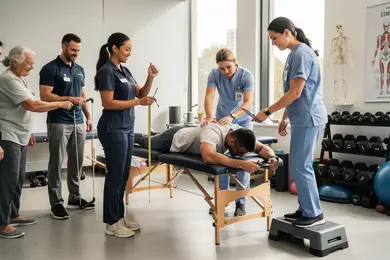
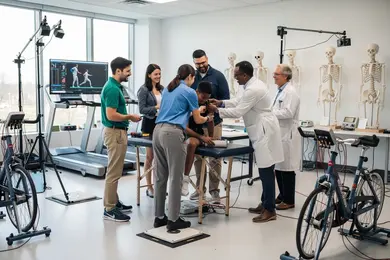
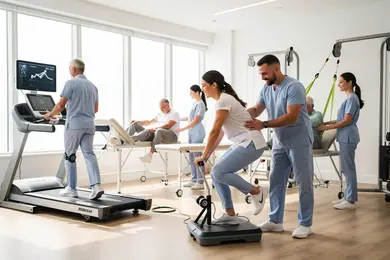
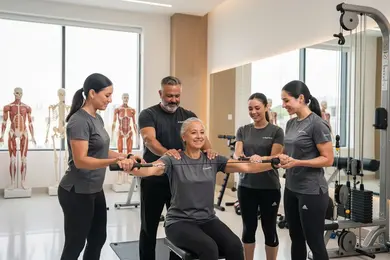
2027 Online Kinesiology Degrees With Sports Performance Career Alignment

Co-Founder and Chief Data Scientist
Graduates and professionals targeting sports performance roles often encounter a critical barrier: aligning flexible education with fast-changing employer expectations in a competitive job market. With 45% of adult learners juggling education alongside full-time work and family responsibilities, according to the National Center for Education Statistics in 2024, the rigidity of traditional kinesiology degrees limits timely career advancement and geographic mobility.
The growing demand for sports performance expertise paired with the necessity of accessible online learning calls for nuanced program selection that balances clinical knowledge, applied skills, and credential recognition. This article examines online kinesiology degree options designed for sports performance career alignment, helping students optimize education pathways for real-world impact and workforce readiness.
Key Things You Should Know
- Online kinesiology degrees in 2026 show 22% higher program costs than in-person options, delaying return on investment for working professionals balancing tuition debt against salary growth projections from Bureau of Labor Statistics data.
- Employers prioritize hands-on clinical internships for sports performance roles; purely online programs risk limiting job placements in NCAA and professional sports settings where practical experiential credentials remain irreplaceable.
- Growth in sports performance jobs outpaces average at 13% annually, intensifying competition for graduates from online kinesiology pathways who must strategically supplement virtual credentials with certifications or local fieldwork to meet market expectations.
What is an online kinesiology degree with a sports performance focus, and who is it best for?
Pursuing an online kinesiology degree with sports performance specialization suits individuals targeting roles that require detailed expertise in biomechanics, exercise physiology, and sport-specific conditioning. This focused approach differentiates itself from more general exercise science degrees by prioritizing measurable athletic performance improvements and injury prevention protocols. Professionals aiming for strength and conditioning coaching or athletic training positions benefit most, while those seeking clinical healthcare roles will find additional certification and in-person training necessary.
Cost considerations are significant. Online kinesiology programs typically cost around $10,467 per year, which is roughly $2,247 less annually than traditional on-campus equivalents. This pricing gap makes online options attractive for working adults or athletes balancing employment and education. However, students should carefully assess their need for hands-on experience, as practical labs and internships remain crucial. Programs incorporating clinical placements or partnerships with local sports organizations provide a stronger pathway for credentialing.
Those selecting from the best online kinesiology programs for sports performance careers must weigh the limitations of remote study in securing essential practical hours. Without prior experience, students may struggle to meet employer expectations in applied settings, reducing competitiveness for some job markets, such as those focusing on in-person athlete management. Conversely, specialized online degrees align well with careers in high school athletic programming, collegiate sports support, or private sports performance consulting.
For students interested in management roles within athletics, exploring athletic director jobs reveals the necessity of operational knowledge alongside kinesiology skills, further influencing educational and experiential decisions.
How do online kinesiology programs compare to campus programs for sports performance careers?
Online kinesiology programs for sports performance offer theoretical parity with campus options but fall short in delivering essential hands-on experience. Employer demand in fields like athletic training and exercise physiology heavily favors proven applied skills through clinical hours, lab work, or internships-experiences more readily accessible in traditional settings. For instance, an aspiring exercise physiologist must fulfill supervised practice hours critical for licensure and job readiness, which campus programs facilitate through direct access to biomechanics equipment and clinical populations, unlike many online formats.
The benefits of online kinesiology degrees for sports careers include scheduling flexibility and often reduced costs; however, these come with tradeoffs. Remote learners must be more proactive in securing quality internships, and networking opportunities with local sports organizations or healthcare providers are less naturally embedded compared to on-campus peers. These gaps can impact onboarding speed and employer preference. The U.S. Bureau of Labor Statistics projects a 9% growth rate for exercise physiologists from 2024 to 2034, equating to about 1,700 new jobs annually, underscoring the market's practical skill emphasis.
Students weighing these pathways should plan to integrate supervised, in-person clinical experiences to meet licensure requirements and enhance hireability. Considering the healthcare administration degree market can offer comparative insights into online program returns and real-world applicability.
Are online kinesiology degrees respected by employers and graduate schools in sports performance?
Employment outcomes for online kinesiology degrees recognized by sports performance employers hinge heavily on program accreditation and applied experience. While an 85% job placement within six months underscores general market acceptance, the decisive factor remains a candidate's practical skills, internships, and certifications rather than the modality of degree delivery. For example, graduates who complete programs with mandated clinical hours or partnerships with local sports entities navigate hiring pipelines more smoothly for roles like athletic trainers or rehabilitation specialists. Without such experience, candidates often encounter significant barriers.
Graduate school acceptance of online kinesiology programs in sports performance reflects a similarly pragmatic stance. Advanced programs prioritize degrees with substantive accreditation and curriculum rigor in biomotor sciences and biomechanics, ensuring students meet licensure and certification standards. Prospective students must confirm their chosen online degree aligns with these criteria to avoid hindrances in both licensure and future credentialing opportunities.
Decision-makers should weigh three core factors when selecting online kinesiology degrees: program reputation, integration of hands-on learning, and employer network strength. Ignoring in-person practicums or enrolling in non-accredited programs frequently leads to extended job searches and restricted graduate pathways. For professionals also considering cross-disciplinary credentials, exploring options such as a masters in healthcare administration may provide strategic value and broaden career flexibility.
What accreditation and program quality standards should online kinesiology schools meet?
Online kinesiology program accreditation standards significantly shape graduate readiness and career trajectories in rehabilitation and sports performance fields. Programs without regional accreditation recognized by the U.S. Department of Education or the Council for Higher Education Accreditation often limit students' eligibility for licensure and certification exams, impairing employment prospects in competitive healthcare markets. For example, physical therapy positions, with a median annual wage of $101,020, require documented clinical competence, which non-accredited or purely theoretical programs rarely provide.
Key quality criteria for online kinesiology degrees in the United States include verified partnerships with local healthcare or sports facilities facilitating supervised clinical practicums. Asynchronous programs lacking hands-on modules, laboratory experience, or internships typically restrict graduates' access to state licensure and professional credibility.
Employers seek candidates trained in evidence-based biomechanical, physiological, and neuromuscular coursework aligned with current national standards such as those from the National Strength and Conditioning Association. Graduates from programs without this alignment face challenges advancing within sports medicine or therapy roles.
Students evaluating options should weigh whether programs include specialized accreditations like the Commission on Accreditation of Allied Health Education Programs (CAAHEP), which validate crucial clinical and curriculum standards. For an informed comparison on program quality and outcomes in related fields, resources like Capella vs WGU RN to BSN offer analysis models applicable across healthcare education pathways.
What courses and concentrations are typical in an online kinesiology curriculum for sports performance?
Online kinesiology programs focused on sports performance must balance scientific knowledge with applied skills critical for athletic environments, but students should anticipate challenges in meeting hands-on experience requirements. Core curricula address anatomy, exercise and biomechanical physiology, and motor learning, preparing graduates to understand and influence athlete movement and adaptation. Specializations-such as athletic training, strength and conditioning, sports nutrition, or injury rehabilitation-directly shape the graduate's operational role and marketability.
For instance, an athletic training concentration demands practical mastery of therapeutic modalities, clinical assessments, emergency protocols, and injury rehabilitation strategies. Strength and conditioning pathways emphasize program design that enhances power, speed, and endurance, skills sought in professional and collegiate sports settings. Integrating data analysis with exercise prescription caters to employers prioritizing evidence-based athlete optimization.
However, the necessity of supervised clinical hours or local internships often complicates purely online delivery, requiring proactive coordination with nearby sports organizations or clinics. This experiential component is non-negotiable for certification eligibility and strongly influences employability.
Given the projected 13% job growth through 2033 and a median salary around $60,250 reported by the U.S. Bureau of Labor Statistics, students must weigh programs' applied rigor and certification preparation. Those lacking adequate field training risk reduced competitiveness in a tightening sports medicine labor market.
What are the admission requirements and application materials for online kinesiology bachelor's programs?
Admission to online kinesiology bachelor's programs involves more than submitting transcripts and standardized test scores, especially as many programs waive traditional SAT/ACT requirements. Successful applicants often present comprehensive materials including an academic history, admissions essays tailored to sports performance or exercise science goals, and letters of recommendation that reflect both academic and athletic contexts.
Practical experience differentiates candidates, particularly for competitive tracks in exercise physiology or sports performance. Certifications like CPR or personal training enhance applications, signaling readiness for the rigorous demands of the curriculum and alignment with employer expectations.
International students and those with nontraditional backgrounds face additional hurdles, such as credential evaluations and proof of English proficiency. Working professionals pivoting careers must often justify gaps in education or employment and may negotiate transfer credits to reduce time-to-degree, affecting overall program costs and return on investment.
Admission rigor correlates with better employment outcomes: exercise physiologists earned a median wage of $58,160 in May 2024, reflecting a field where practical skills and recognized certifications heavily influence hiring decisions. Candidates who meet or exceed standards improve access to accredited programs connected to internships and job placements, critical facets for sustained employability in this specialized labor market.
How long do online kinesiology degrees take, and what do they cost overall?
Choosing an online kinesiology degree requires balancing duration, cost, and career objectives against tangible workforce outcomes. Bachelor's programs typically span three to four years, with acceleration possible through transferred credits or increased course loads, while master's degrees usually take two years full-time or up to three for part-time students managing professional commitments. This timeline materially affects earning potential, especially when comparing immediate workforce entry post-bachelor's with delayed but potentially higher-paying roles requiring a master's qualification.
Costs vary significantly by institution and program type: public universities charge $15,000 to $30,000 for bachelor's tuition in-state, private nonprofit programs range from $35,000 to $70,000, and master's degrees cost between $20,000 and $50,000 or more for specialized or accelerated paths. Additional expenses like lab practicums and certifications further impact total investment, a critical element for candidates weighing debt against salary uplift.
Median post-degree salaries hover around $48,500, with top earners approaching $87,000, illustrating a meaningful but selective return on investment. Working professionals pursuing part-time master's studies must consider employer tuition support and the tradeoff between advancing credentials and immediate income. Strategic evaluation must factor in whether longer, costlier programs align tightly with specific career tracks like sports performance consulting or advanced rehabilitation, where employers value specialized skills.
What sports performance careers can an online kinesiology degree prepare you for?
Selecting an online kinesiology degree demands careful consideration of how theoretical training translates into tangible career outcomes. Graduates targeting clinical roles, such as physician assistants, must plan for additional accredited education beyond the undergraduate program to meet certification requirements and employer expectations. This pathway offers a strong median salary of $133,260 (2024) and a projected 28% job growth by 2033, driven by increasing integration of advanced practice providers in sports medicine and rehabilitation.
In contrast, strength and conditioning coaching positions often require supplementary certifications from recognized organizations like the NSCA. Practical experience is a non-negotiable component, meaning new graduates frequently start in entry-level roles such as athletic training or fitness instruction to build credibility. The kinesiology curriculum provides foundational knowledge in anatomy, motor learning, and nutrition, but employers prioritize proven applied skills and hands-on exposure.
Distance learners face a notable challenge securing substantive internships or practicum placements with sports teams or healthcare settings. Without immersive field experience, graduates risk lagging in competitive job markets centered on sports performance or clinical practice. Proactively seeking professional networks and certifications is essential to overcoming the theoretical emphasis typical of online kinesiology programs.
What salary ranges and job outlook can kinesiology graduates expect in sports performance roles?
Salaries for kinesiology graduates aiming at sports performance roles show clear differentiation based on certification and geography. Certified professionals in urban settings typically start around $52,000 annually, while uncertified counterparts may begin closer to $40,000, usually in supporting roles with less independence. This wage gap reflects employer preference for specialized credentials beyond a bachelor's degree, such as the Certified Strength and Conditioning Specialist (CSCS), which can significantly enhance earning potential and job competitiveness.
Projected job growth of approximately 10% through 2030 favors candidates combining academic knowledge with applied expertise in biomechanics, exercise physiology, and data-informed performance analysis. Employers in collegiate athletics, professional sports organizations, and private training centers prioritize graduates demonstrating both practical skills and certifications.
Tradeoffs include higher living costs and credential requirements in metropolitan areas despite better pay. Early-career professionals should anticipate upfront investments in certification exams and internships as necessary steps to avoid wage stagnation or transition into broader fitness roles.
How do certifications and state requirements affect sports performance and strength coaching careers?
Certification and licensure demands impose practical constraints on careers in sports performance and strength coaching that often outweigh educational pedigree alone. For example, NCAA strength coaching roles nearly always require Certified Strength and Conditioning Specialist (CSCS) certification, creating a gatekeeper effect where candidates without this credential face limited access despite related academic qualifications. Similarly, state licensure for exercise physiologists mandates formal registration, meaning professionals must navigate varying regional legal frameworks to practice legitimately. These credential requirements shape not only hiring decisions but also the content and structure of academic programs, which must match certification prerequisites to avoid costly additional training or delays entering the workforce.
Graduates from kinesiology or related degrees frequently encounter a need for supplemental certification or post-graduate coursework, adding financial and time burdens that can significantly impact return on investment. Working professionals should anticipate ongoing continuing education and credential renewals to preserve licensure status amidst evolving industry standards.
Aligning academic choices strategically with certification and licensure criteria improves professional stability and mitigates risks associated with noncompliance or underqualification in this specialized labor market.
Other Things You Should Know About Kinesiology
Many online kinesiology programs require some form of practical experience, such as internships or supervised fieldwork, but the extent varies widely. Programs that mandate on-site clinical or sports performance placements better prepare students for employer expectations by developing applied skills and professional networking opportunities. When evaluating programs, prioritize those with structured practical components closely aligned with sports performance settings to reduce your onboarding time after graduation.
Different kinesiology programs may emphasize strength and conditioning, rehabilitation, or exercise physiology within sports performance. Choose a program aligned with your targeted career niche, as the specific curriculum and practical training directly impact your preparedness for specialized roles. If your goal is coaching elite athletes, a program focused on strength and conditioning with certifications embedded could provide immediate employment advantages over a more generalist kinesiology track.
Online kinesiology degrees can sometimes limit networking opportunities compared to traditional campus programs, potentially affecting access to internships and industry contacts crucial in sports performance careers. To mitigate this, select programs with strong alumni networks, partnerships with sports organizations, or virtual career services. Investing in these aspects is necessary if your priority is rapid career advancement; otherwise, advancement may require supplementary certifications or experiential learning outside the degree.
References
- Best Online Master's Programs in Exercise Science https://www.onlineu.com/degrees/masters-exercise-science
- Is a Kinesiology Degree Right for You? | Corban University https://www.corban.edu/is-a-kinesiology-degree-right-for-you/
- What Can You Do with a Kinesiology Degree? https://www.nec.edu/news/what-can-you-do-with-kinesiology-degree
- Bachelor's in Kinesiology Program Online | Montreat College https://www.montreat.edu/online/kinesiology/
- Online Kinesiology Degree Programs: Review Top Schools https://www.edumed.org/online-schools/kinesiology-degrees/
- Strength & Conditioning Coach Certification - Elevate Your Fitness Career https://plyofitacademy.com/blog/strength-conditioning-coach-certification-elevate-your-fitness-career
- Defining and Exploring Available Careers in the Performance Field https://blog.teambuildr.com/navigating-a-career-in-the-performance-field
- Best Online Kinesiology Degree Programs, Updated for 2026 https://www.kinesiologydegrees.org/programs/online
- Bachelor's Degree in Kinesiology | UT San Antonio | Undergraduate Program in Kinesiology | Earn Your Degree (MS) in Kinesiology https://future.utsa.edu/programs/undergraduate/kinesiology/
- Kinesiology vs. Exercise Science vs. Sport Performance https://www.pointloma.edu/resources/health-sciences/kinesiology-vs-exercise-science-vs-sport-performance