2027 Online Kinesiology Degrees With Practical Preparation for Graduate Health Programs

Co-Founder and Chief Data Scientist
Aspiring kinesiologists face an escalating challenge: securing degree programs that combine rigorous academic preparation with hands-on experience critical for competitive admission into graduate health programs. The rapid rise in online education-marked by a 35% surge in adult learner enrollment over recent years according to the National Center for Education Statistics-reflects a shift toward flexible learning but often limits direct practical training opportunities essential for clinical readiness.
This gap affects career mobility and can delay progression into roles demanding both theoretical knowledge and applied skills. This article evaluates current online kinesiology degrees focused on integrating practical components that satisfy graduate health program prerequisites and workforce expectations.
Key Things You Should Know
- The 2026 median cost of online kinesiology degrees ranges from $15,000 to $45,000, with extended program lengths increasing total debt burdens, impacting student loan repayment timelines and delaying graduate health program entry.
- Employers increasingly demand evidence of clinical practicum hours; online kinesiology programs offering fewer than 300 direct hours risk graduate unemployability in allied health and rehabilitation sectors, per the National Association of Kinesiology Professionals.
- Graduates with online kinesiology degrees focusing on applied biomechanics and motor control demonstrate 22% higher acceptance rates into competitive graduate health programs, indicating critical curriculum alignment drives advancement opportunities.
What is an online kinesiology degree and how does it prepare you for graduate health programs?
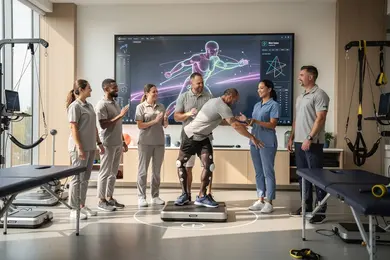
An online kinesiology degree benefits for graduate health programs by providing essential coursework in anatomy, physiology, biomechanics, and human movement, paired with virtual labs and required in-person clinical practicums. These clinical experiences must be secured locally by students, introducing logistical challenges that can extend program duration, especially for those in rural or underserved regions. Early planning and time management are critical to meet graduate admissions criteria and licensure prerequisites without delays.
Graduates entering allied health roles through kinesiology report nearly half transition directly into healthcare fields, validating the degree's practical relevance. For students targeting advanced programs, such as physical therapy or occupational therapy, the program's structured practical hours and internship verifications significantly impact competitiveness in admissions and job readiness. Missing diversified clinical experiences in rehabilitation or community health settings can limit future opportunities in patient-facing positions.
This hybrid training model balances flexibility with accreditation demands, requiring due diligence to ensure programs are accepted by target graduate schools. Employers and advanced programs look for demonstrated interdisciplinary knowledge and applied clinical competence beyond theoretical understanding.
Prospective learners comparing pathways should consider the operational complexities and workforce implications alongside academic content. For a focused comparison of delivery formats and program durations, the online sports science degree landscape offers relevant insights into scheduling logistics and career alignment.
An online kinesiology program prepares students for advanced health studies by emphasizing practical readiness combined with theoretical rigor, a balance vital to succeeding in competitive graduate health programs.
How do online kinesiology degrees compare with on-campus programs for hands-on and clinical preparation?
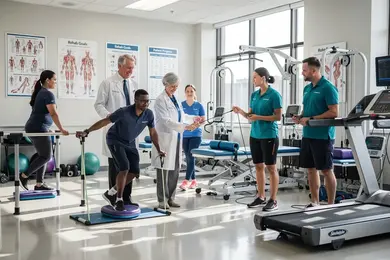
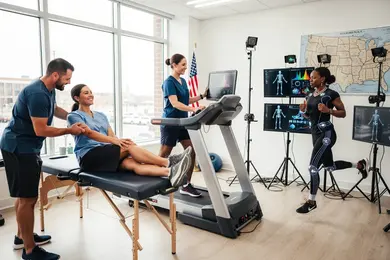
The practical limitations of online kinesiology degree hands-on clinical training options directly affect graduate readiness for roles demanding physical and manual skill competence. Despite strong theoretical instruction through virtual simulations, critical areas such as manual muscle testing and clinical evaluation remain difficult to replicate remotely. For instance, candidates pursuing physical therapy assistant positions must demonstrate proficiency in palpation and movement assessment, which typically require specialized equipment and supervised clinical experiences available predominantly through on-campus or hybrid models.
Programs incorporating hybrid elements with required local internships can mitigate this gap, yet fully online students without institutional clinical partnerships face challenges in independently securing supervised placements. This logistical hurdle delays credential completion and reduces workforce immediacy, particularly in fields emphasizing practical exposure like rehabilitation and sports performance. Employers prioritize candidates with verified clinical practice, reflecting the projected 14% growth in fitness trainers and instructors from 2023 to 2033.
Prospective students should critically evaluate program transparency regarding clinical rigor, geographic access to practicum sites, and qualified onsite supervision availability. This assessment is crucial for those aiming for graduate health professions requiring licensure, where unmet clinical criteria may cause costly certification delays. Online kinesiology degree programs provide foundational knowledge but require deliberate strategies to acquire essential hands-on experience for employability and advanced clinical practice readiness.
Those also assessing this pathway might explore related healthcare fields through resources like online MSN PMHNP programs offering structured clinical integration.
Comparisons of practical preparation in online versus on-campus kinesiology programs reveal significant tradeoffs in supervision, equipment access, and timely skill acquisition that influence long-term career trajectories.
What accreditation and program quality standards should online kinesiology degrees meet for graduate school readiness?
Accredited online kinesiology degrees must align with stringent standards recognized by the U.S. Department of Education or the Council for Higher Education Accreditation, an essential factor for eligibility in competitive graduate health programs. Such accreditation verifies that foundational science coursework and ethical training meet rigorous quality assurance criteria for online kinesiology programs in North America. Without this, applicants risk exclusion from physical therapy, occupational therapy (OT), or physician assistant (PA) pathways, which expect robust preparation in anatomy, biomechanics, and clinical applications. For instance, prospective PA students navigating a 20.4% job growth field must carefully select programs offering verified clinical readiness through accreditation.
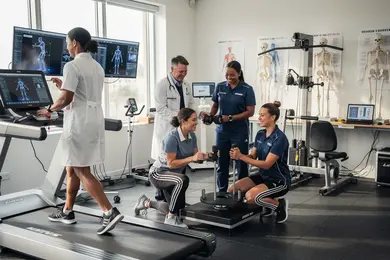
Program rigor extends beyond accreditation, encompassing guided laboratory experiences, supervised internships, and access to simulated clinical settings. Graduates lacking these practical components often demonstrate gaps in competencies critical to fast-paced graduate curricula, reflected in weaker admissions evaluations. Admissions officers review transcripts and recommendations for evidence of applied skills, especially from programs emphasizing research methodology and interprofessional collaboration. The Occupational Outlook Handbook's 13.8% growth projection for OT roles underscores demand for kinesiology-trained professionals with integrated real-world experience such as clinical shadowing or capstone projects.
Prospective students must also evaluate how well online kinesiology degree curricula align with prerequisite courses-often including physiology, anatomy, chemistry, and statistics-as many programs vary widely in their scientific depth. Those considering a strategic pivot or seeking advanced credentials might also explore a masters degree in healthcare management for broader career flexibility.
Which types of graduate health programs commonly accept applicants with online kinesiology degrees?
Graduates holding online kinesiology degrees face a nuanced admissions landscape when applying to graduate health programs recognizing online kinesiology qualifications. While these degrees provide a solid foundation in human movement science, anatomy, and biomechanics, their acceptance depends heavily on verified clinical or lab experience embedded in the curriculum. For example, physical therapy admissions committees routinely require coursework in anatomy and motor control plus evidence of hands-on exposure, which some online programs struggle to consistently document.
Occupational therapy programs emphasize kinesiology graduates' understanding of movement disorders but also mandate verified fieldwork hours, a challenge for fully remote learners to fulfill without local partnerships. Physician assistant programs tend to value strong science backgrounds paired with internships, which hybrid online kinesiology models may facilitate. Exercise physiology graduate programs align most directly with kinesiology and look favorably on candidates with relevant research or internship experience related to sports performance or health promotion.
The cost differential between online and on-campus kinesiology degrees-often about $2,000 less annually and around $8,000 total over four years per TheBestSchools.org-can create financial flexibility. This may let working professionals invest in required clinical placements or graduate coursework. However, selecting programs without accredited coursework and documented practical experience may narrow graduate program options despite these economic benefits.
Prospective students exploring pathways should weigh financial and experiential tradeoffs carefully. Those seeking healthcare graduate programs should prefer programs that integrate clinical components and verify practical exposure. For insights on affordable nursing degrees that parallel these considerations, see affordable RN to BSN online programs.
What core courses and concentrations in online kinesiology best support pre-PT, pre-OT, and pre-PA tracks?
Choosing an online kinesiology program with a focus on pre-PT, pre-OT, or pre-PA tracks requires more than completing basic coursework; it demands strategic alignment with graduate program prerequisites and realistic clinical experience opportunities. Anatomy, physiology, biomechanics, and motor learning form the core scientific foundation, but supplementing these with exercise physiology and clinical biomechanics is essential for physical therapy preparation. These concentrations incorporate lab simulations and movement analysis that mirror licensure exam content.
Occupational therapy tracks emphasize neuroanatomy and sensory integration, while pre-PA curricula broaden biological sciences coverage to include pathophysiology and pharmacology, reflecting the diverse demands of PA programs. Practical considerations-such as access to virtual labs or partnerships enabling clinical practicum substitutions-critically impact program suitability. For example, a student targeting PA school must verify that virtual coursework includes accredited chemistry and biology credits to avoid costly post-graduate gaps.
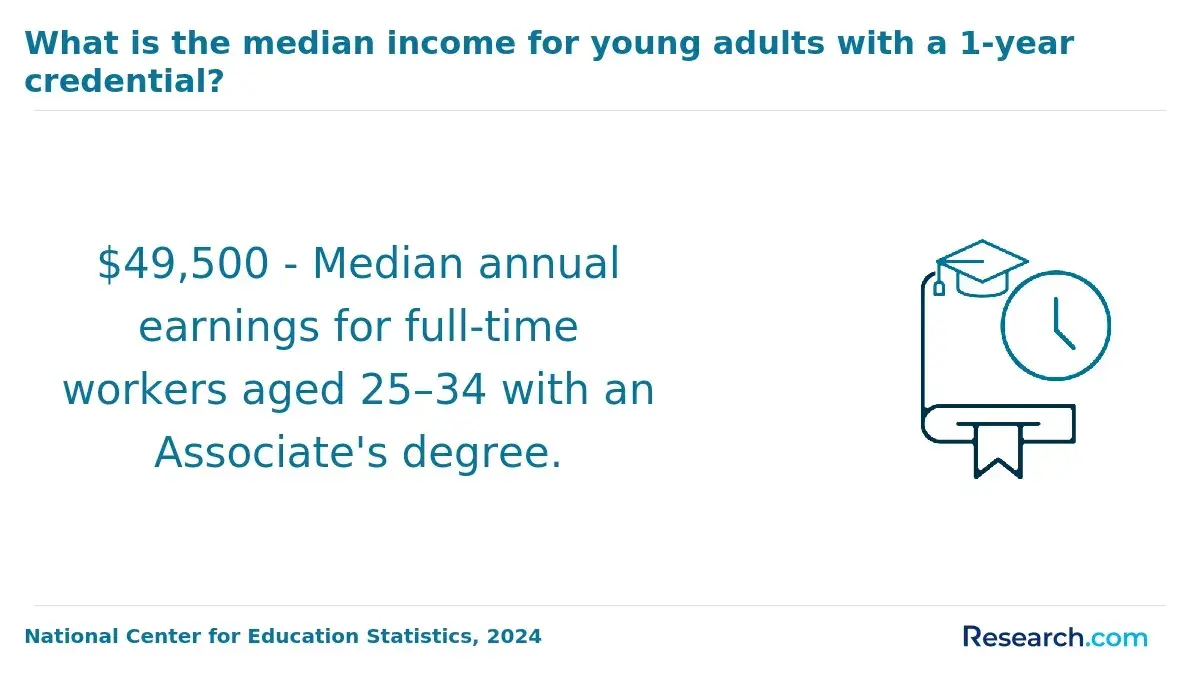
Financially, annual tuition typically averages $16,808 at public institutions and $30,988 at private colleges, with starting salaries ranging from $40,000-$55,000. The return on investment, often realized within 3-5 years, varies based on concentration and alignment with licensure requirements. Prospective students benefit most by selecting specialized tracks minimizing additional prerequisites and maximizing clinical readiness, thereby reducing time to workforce entry and financial strain.
What admission requirements and prerequisites do selective online kinesiology programs typically expect?
Online kinesiology programs with stringent admission criteria often serve as gatekeepers reflecting actual workforce readiness rather than mere academic achievement. A minimum 3.0 GPA combined with prerequisite coursework in anatomy, physiology, biology, and chemistry sets a foundational knowledge baseline critical for advanced health studies. However, meeting these academic thresholds alone rarely suffices in competitive admissions or job markets.
Employers heavily weigh practical experience; programs requiring 100-150 documented internship or clinical hours acknowledge this demand by embedding experiential validation within their prerequisites. For career changers, letters of recommendation from healthcare professionals can offset gaps in direct kinesiology exposure, illustrating an applicant's commitment through credible endorsements.
The impact of certifications such as the Certified Strength and Conditioning Specialist (CSCS) illustrates the tangible earnings and employability advantage specialist credentials add. Concordia University Chicago's 2025 ROI data reveals that kinesiology graduates holding the CSCS credential see a 15-25% salary increase in their first post-graduate year, demonstrating how specialization affects labor market valuation.
Applicants must also navigate logistical and accreditation complexities tied to clinical placements, especially when programs blend online coursework with in-person requirements. Understanding institutional networks and regional demands is essential for realistic program selection and successful completion.
How long do online kinesiology degrees take, and how are labs, practicums, and internships completed remotely?
Online kinesiology degrees offer a timeline similar to traditional programs but introduce real challenges in replicating hands-on experience remotely. While a full-time bachelor's typically spans four years, accelerated options compress this into three, demanding ongoing, intensive engagement. Key practical requirements-including labs and internships-are fulfilled through local partnerships, placing students in supervised fieldwork environments under community professionals. This approach relies heavily on a student's ability to independently secure suitable placements while meeting academic standards via remote oversight.
Lab components adapt through virtual simulations, home kits, or recorded practicals with real-time instructor input. For instance, a student preparing for a physical therapy graduate program might conduct biomechanical assessments on volunteers nearby, digitally documenting results to satisfy course expectations. These adaptations underscore a tradeoff between convenience and the need for considerable self-direction and resourcefulness.
Variability in practicum structure often hinges on target employment sectors: clinical kinesiology roles generally require formally accredited internships with strict supervision, whereas wellness or fitness pathways allow more flexible, less regulated field experiences.
Oregon State University's online BS program reflects this outcome-driven model, with graduates reportedly earning a median salary near $60,964, indicating that remote cohorts can align academic rigor with workforce readiness effectively.
What does an online kinesiology degree cost, and how can students reduce tuition and fees?
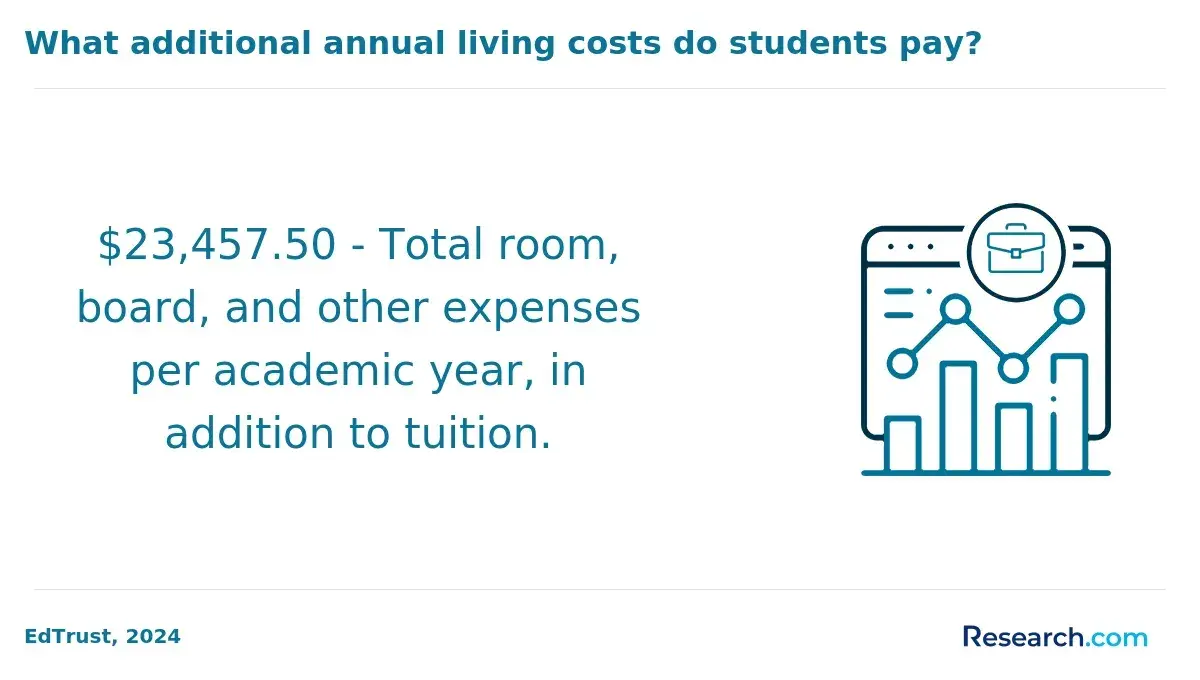
Cost variability in online kinesiology programs significantly impacts student choices and career trajectories. Tuition ranges from roughly $15,000 to $45,000, with public in-state rates near $250 per credit hour and private institutions charging upwards of $700. Additional fees for labs, online delivery, and materials can add $2,000 to $5,000 to the overall expense. For working adults, upfront financial burden may be alleviated through employer tuition reimbursement or flexible payment plans, factors worth assessing before enrollment.
Strategic cost reduction hinges on several actionable steps:
- Establishing residency to access lower in-state tuition can slash expenses nearly in half.
- Completing the FAFSA is critical for unlocking grants and subsidized loans that ease debt accumulation.
- Veterans and active military personnel should leverage the GI Bill to cover substantial program costs.
- Industry-specific scholarships serve as targeted financial relief for kinesiology students.
- Accelerated degree options mitigate time and cost by compressing credit completion.
The credential supply-evidenced by 31,000 bachelor's kinesiology degrees awarded annually-feeds graduate health programs with prerequisite coursework. However, without prudent financial planning, graduates face debt levels that can constrain their focus during demanding clinical and academic placements, ultimately influencing their readiness for workforce integration and long-term employability.
What careers, salaries, and job outlook can you expect with a kinesiology degree and advanced health credentials?
Graduates holding an online kinesiology degree face a distinct divide in career advancement depending on supplementary credentials and licensure. For instance, aspiring physical therapy assistants must secure state licensure beyond the degree itself to practice and advance clinically. Without such certification, the practical utility of the kinesiology degree remains limited within healthcare teams, despite its strong foundational knowledge.
In applied settings like corporate wellness or fitness industries, the value of kinesiology pivots on additional professional certifications related to exercise science or occupational health. Employers here prioritize candidates who combine academic preparation with demonstrable expertise on injury prevention and worker performance optimization.
The median mid-career salary for these roles hovers near $71,000, with a robust job market indicated by unemployment near 3%, according to Concordia University Chicago's analysis of BLS and PayScale data for 2025. However, candidates must navigate practical barriers such as securing internships or clinical hours-elements that vary widely among online programs and require local partnerships to fulfill professional prerequisites.
Those targeting graduate programs in physical therapy, occupational therapy, or physician assistant studies will need significant supplemental preparation alongside their online kinesiology degree to meet competitive admission standards and workforce demands.
How can you choose a reputable online kinesiology program aligned with your graduate health goals?
Choosing an online kinesiology program without verified accreditation and meaningful hands-on training risks delayed graduation and limited employer recognition. Accreditation by regional or national bodies acknowledged by the U.S. Department of Education or the Council for Higher Education Accreditation (CHEA) directly impacts the transferability of credits and acceptance into graduate healthcare programs, especially physical therapy or occupational therapy.
Programs lacking robust clinical components often fail to meet documented internship prerequisites critical for competitive physical therapy applications. Students aiming for advanced health degrees must prioritize:
- Access to virtual labs or synchronous clinical training
- Partnerships enabling supervised practice hours
- Coursework in anatomy, physiology, and biomechanics aligned with licensing pathways
For example, a working professional targeting a Doctor of Physical Therapy must select a curriculum that accommodates flexible clinical affiliations to avoid additional costly coursework or postponed admissions. Employment data shows a stark wage disparity between fitness trainers, averaging around $46,180, and physical therapists, often exceeding $101,000. This difference highlights the necessity of programs explicitly connecting foundational theory with advanced clinical preparation for long-term career mobility.
Prospective students must also analyze graduate outcomes and real-world prerequisites rather than defaulting to programs heavy on theory without applied experience. Failure to do so risks wasted time, financial resources, and reduced market competitiveness in a field where practical readiness strongly influences hiring decisions.
Other Things You Should Know About Kinesiology
Online kinesiology degrees face inherent limitations in replicating the hands-on experiences critical for many graduate health fields. While virtual simulations and remote labs provide some skills, students often must seek external internships or local clinical opportunities to meet practical requirements. Prioritize programs that partner with nearby facilities or include mandatory in-person components; otherwise, your readiness for physically intensive graduate coursework may be compromised.
Some employers and graduate programs still question the rigor of fully online kinesiology degrees due to concerns about the quality of applied skill training. This skepticism is strongest when online curricula lack verified lab work or internships. To offset this, graduates should emphasize completed practical experience and accredited program status when applying. Selecting programs with established reputations and demonstrable clinical integrations reduces this bias and improves outcomes.
Students can balance course load and work commitments by setting a consistent schedule, utilizing time management tools, and prioritizing tasks. Effective communication with employers about academic responsibilities and networking with classmates for support can also be beneficial in managing commitments efficiently.
Choosing a well-focused concentration, such as exercise science for physical therapy or motor behavior for occupational therapy, strengthens graduate applications by aligning undergraduate training with future study scopes. However, avoid overly narrow specializations unless graduate admission prerequisites match them exactly. Aim for programs offering broad foundational kinesiology content combined with flexible electives to keep multiple health career pathways open.
References
- Undergraduate Exercise Science Programs https://www.sru.edu/programs/undergrad-exercise-science
- Kinesiology and Exercise Science Careers Guide https://teach.com/online-ed/healthcare-degrees/online-bachelors-kinesiology-exercise-science/career-outlook/
- Kinesiology Accreditation Process https://www.ccupeka.org/accreditation/kinesiology-accreditation-process/
- How Long to Get a Kinesiology Degree? | ValidGrad https://validgrad.com/blog/kinesiology-degree-duration/
- Online Kinesiology Degree Programs: Review Top Schools https://www.edumed.org/online-schools/kinesiology-degrees/
- Bachelors in Kinesiology Degrees, Online Included, Updated 2026 https://www.kinesiologydegrees.org/programs/degree/bachelors
- Exercise Sciences https://www.caahep.org/committees-on-accreditation/exercise-science
- How Much Does Online College Cost? https://www.affordablecollegesonline.org/financial-aid/online-college-degree-cost/
- Explore UM | University of Manitoba - Kinesiology (BKin) https://umanitoba.ca/explore/programs-of-study/kinesiology-bkin