2027 Online Kinesiology Degrees With Motor Learning Coursework

Co-Founder and Chief Data Scientist
Balancing a full-time job while pursuing a degree in kinesiology with motor learning coursework tests even the most committed professionals. Traditional program schedules rarely align with the needs of working adults, constraining those aiming to pivot into specialized roles such as rehabilitation or athletic training.
Recent data from the National Center for Education Statistics reveals that over 40% of undergraduate enrollments now involve some form of online education, reflecting a broader shift toward flexible learning. This trend matters because it reshapes accessibility and timing, allowing career-oriented individuals to integrate rigorous study without sacrificing income or work experience.
This article examines online kinesiology degrees featuring motor learning coursework, evaluating how these programs address practical barriers and optimize career mobility for prospective students.
Key Things You Should Know
- Online kinesiology degrees with motor learning coursework in 2026 risk underpreparing students for hands-on skill demands; data from the National Center for Education Statistics shows 42% of employers prioritize in-person motor assessment experience.
- Employment projections from the Bureau of Labor Statistics indicate a 15% growth in rehabilitation-related kinesiology jobs by 2032, favoring candidates with integrated neuroscience and motor control training, influencing curriculum investments.
- Average online program costs rose 8% in 2024 per Education Data Initiative, pressuring students balancing tuition with delayed workforce entry, where longer program durations correlate with a 12% decrease in early career earnings acceleration.
What is an online kinesiology degree with a motor learning focus, and who is it best for?
Choosing an online kinesiology degree program with a motor learning specialization entails balancing theoretical rigor with hands-on applicability-a critical consideration given the complex skill set employers demand. For instance, exercise physiologists working in stroke rehabilitation rely on motor learning principles to effectively retrain motor functions, underscoring the necessity of applied competence rather than solely academic understanding.
This specialization requires intensive coursework in neurophysiology and motor behavior, often paired with practical modules. However, students without access to local clinical placements face logistical challenges.
Programs offering regional partnerships or hybrid residencies improve prospects by embedding essential experiential learning, a decisive factor for employment outcomes in fields like physical therapy support or coaching. The best online kinesiology courses for motor learning skills intentionally address this balance.
The labor market reflects strong demand, with the Bureau of Labor Statistics projecting 11% growth for exercise physiologists between 2023 and 2033. Employers prioritize candidates demonstrating measurable motor learning expertise to enhance patient recovery or athletic performance. Students new to anatomy or physiology should expect a steep learning curve, making faculty expertise and employer networks significant factors when selecting programs.
For those comparing options, it's also valuable to examine related fields; for example, a nutritional science degree online offers complementary knowledge in health and performance optimization.
How do online kinesiology programs compare with campus programs for motor learning coursework?
Online kinesiology programs vs campus programs for motor learning reveal critical tradeoffs in hands-on skill acquisition and workforce readiness. Campus-based courses embed direct laboratory access and supervised practice crucial for mastering motor learning techniques, which employers in clinical and sports settings prioritize.
Online programs, while offering flexible theory-heavy instruction, rely heavily on virtual simulations that fall short of replicating tactile learning or real-time physical feedback needed for nuanced motor assessments.
This difference impacts employability, especially in roles like rehabilitation therapy or exercise physiology, where practical competencies are non-negotiable. Graduates aiming for jobs with sports teams or physical therapy clinics benefit from campus program exposure, while those targeting wellness coaching or telehealth may find online delivery sufficient if supplemented by independently secured internships or practicums.
Median annual wages for exercise physiologists were $58,160 as of May 2024, highlighting employer expectations for demonstrable, hands-on expertise.
Key considerations include:
- Verify if online kinesiology motor learning courses provide pathways to quality clinical placements
- Understand employer preferences within your target sector to align practical experience accordingly
- Supplement online theoretical knowledge with local supervised practice to achieve comprehensive motor learning skills
Prospective students balancing work or personal commitments might favor online formats but should be prepared to invest in external field experiences to bridge practical gaps. For strategic insights into related health programs, consider researching healthcare administration alternatives via healthcare administration.
Which types of kinesiology degrees offer online motor learning coursework (associate, bachelor's, master's)?
Online kinesiology degrees with motor learning courses at the bachelor's and master's levels offer distinct practical value tied directly to workforce expectations. Bachelor's programs deliver foundational knowledge in motor control and neuroplasticity but often omit hands-on labs critical for clinical proficiency-a gap that can affect readiness for specialized roles.
In contrast, master's kinesiology programs integrate applied motor learning with evidence-based rehabilitation or sport performance methods, reflecting employer demand for advanced skills in clinical exercise physiology and athletic training.
Associate degree programs generally lack dedicated motor learning content, limiting their relevance for roles beyond entry-level fitness instruction. For instance, advancing from a physical therapy aide position-where an associate degree may suffice-to an exercise physiologist role requires bachelor's or master's credentials emphasizing motor learning expertise.
This progression aligns with labor market data, as the top 10% of exercise physiologists earn upwards of $80,830 annually, correlating with advanced education and specialization in motor learning.
Making an informed choice among kinesiology associate, bachelor's, and master's programs with motor learning components demands balancing academic rigor, clinical applicability, and credential recognition. Those targeting impactful clinical or athletic careers should prioritize programs reflecting these criteria.
More broadly, stakeholders assessing this pathway might consider exploring master's healthcare administration options to complement kinesiology credentials for broader workforce versatility.
What motor learning and control courses are typically included in an online kinesiology curriculum?
Mastery of motor learning coursework in online kinesiology programs requires balancing theoretical insight with pragmatic skill application, a critical distinction often overlooked by students. These courses explore how the brain and body coordinate movement, focusing on motor development, control theories, and the use of data from technologies like electromyography and motion analysis.
This focus is essential for roles such as physical therapist assistants, who tailor rehabilitation strategies based on motor learning principles to enhance neuroplasticity and recovery, as seen in stroke patient care.
Typical motor control classes in kinesiology degrees include:
- Motor Control and Learning
- Neuromotor Rehabilitation
- Biomechanics of Human Movement
- Applied Motor Behavior
- Neuroscience for Movement Science
Students must navigate practical limitations inherent in remote learning, such as limited access to labs, often relying on virtual simulations or local clinic partnerships for hands-on training.
Employers in healthcare and sports domains expect candidates to integrate motor learning concepts into individualized treatment plans; inadequacy here can hinder professional progress and reduce competitiveness in advancing neurorehabilitation methods. The median wage for physical therapist assistants, a common occupation benefiting from this expertise, was $65,510 as of May 2024, reflecting consistent labor market demand.
Prospective students should weigh these practical challenges and workforce expectations carefully. For those considering related health studies, comparison to fields like nursing might be useful-resources such as online BSN programs for non nurses offer accelerated paths with distinct clinical frameworks.
How can you verify accreditation and program quality for online kinesiology degrees?
Accreditation transparency is the decisive factor for online kinesiology degrees to hold weight in employment and certification pathways. Regional accreditation remains the baseline expectation, as employers and certifying bodies systematically discount credentials from nationally accredited or unaccredited schools.
For students aiming at roles like fitness trainers, alignment with certifications from organizations such as the National Academy of Sports Medicine depends on attending programs recognized by key accreditors including the Commission on Accreditation of Allied Health Education Programs (CAAHEP).
Beyond accreditation, evidence of program quality must include faculty expertise, curriculum depth, and objective outcome metrics like graduation and job placement rates. For instance, rehabilitation clinics recruiting fitness instructors generally prioritize candidates who have completed internships or practicum components demonstrating applied motor learning skills.
The ability to transfer credits into graduate kinesiology or physical therapy programs further reduces costly educational detours.
The U.S. Bureau of Labor Statistics reports the median annual wage for fitness trainers was $51,170 as of May 2024, underscoring the necessity for graduates to present verifiable qualifications rather than simply online credentials.
Prospective students should rely on consultative validation through databases like the U.S. Department of Education's DAPIP or the Council for Higher Education Accreditation (CHEA) rather than institutional claims. This strategic due diligence minimizes risk of underqualification and supports alignment with long-term career objectives.
What are the typical admission requirements for online kinesiology programs emphasizing motor learning?
Admission to online kinesiology programs with motor learning coursework demands candidates demonstrate both academic foundation and practical relevance to workforce needs. Beyond high school completion and standardized test scores, applicants must provide transcripts showing prior coursework in biology, anatomy, or exercise science to handle motor learning's technical content.
Some programs waive test requirements if applicants have relevant professional experience or college credits, reflecting an early-filter adjustment for non-traditional students.
A personal statement articulating clear career goals in motor learning's application-such as coaching or rehabilitation-is standard, while recommendation letters typically come from those familiar with the applicant's background in motor skill development or human movement science. Candidates with prior roles in athletics, physical therapy, or coaching gain advantage due to direct applicability of motor learning concepts in these fields.
Technical proficiency is not just assumed; students must confirm access to software or devices for remote labs and simulations integral to training. When programs include interviews, they assess alignment between candidate motivation and program outcomes, recognizing that academic readiness alone is insufficient.
Given that the mean annual wage for coaches and scouts was $47,960 in May 2024 per the U.S. Bureau of Labor Statistics, admission committees also weigh the realistic employment opportunities post-completion. Prospective students should carefully evaluate whether their backgrounds and goals match these admissions prerequisites to optimize the return of their educational investment.
How long do online kinesiology degrees take, and what do they cost overall?
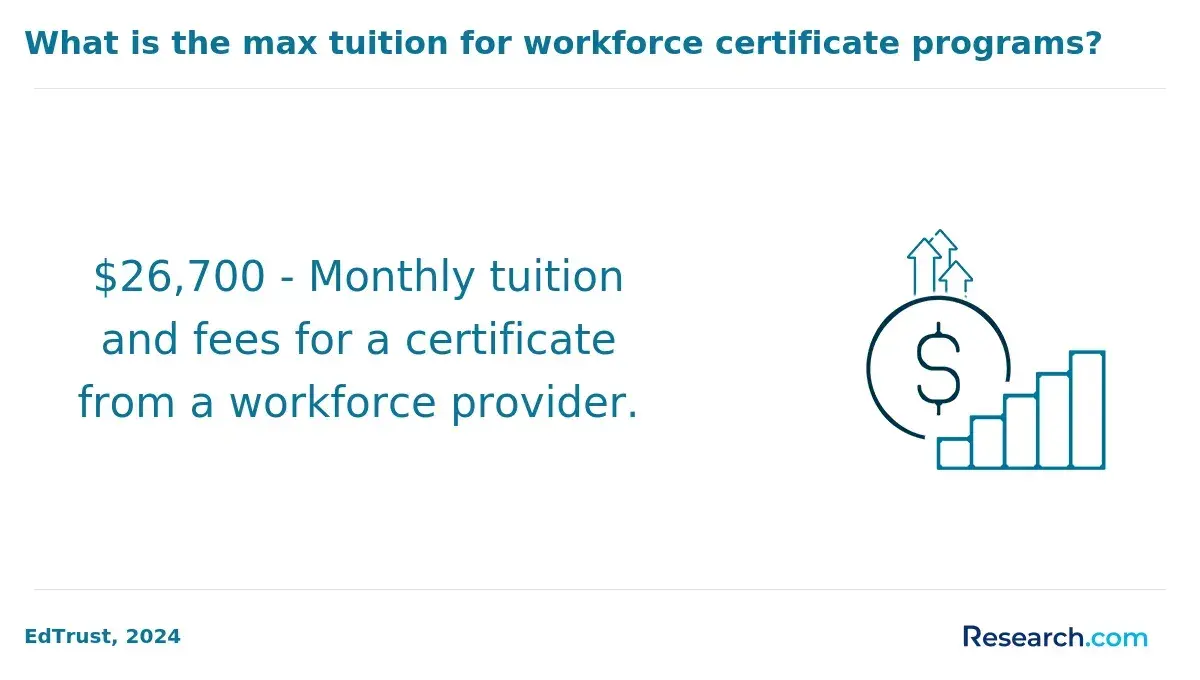
Completing a master's degree in kinesiology generally requires 2 to 3 years, depending on whether students enroll full-time or part-time. Full-time students often finish in around 24 months, while part-time learners balancing jobs tend to extend closer to 3 years. This timeline influences overall cost and momentum toward workforce reentry.
For example, LSU Online's kinesiology master's program mandates 36 credit hours, totaling $23,184, combining tuition and fees. Such figures provide a concrete benchmark for evaluating program affordability in relation to career goals.
Employers favor candidates with specialized expertise in motor learning for roles in physical therapy support, occupational health, or sports performance analysis. This expectation justifies both credit requirements and related expenses. However, spreading coursework longer to manage life responsibilities raises total costs due to prolonged fees and living expenses, delaying salary progression.
Choosing an accelerated full-time path offers quicker access to promotions or career shifts but demands exceptional time management and employer support. Slower pacing reduces immediate pressure but may compromise income growth and career agility. Students must weigh these tradeoffs against personal finance and long-term professional objectives.
What careers can you pursue with an online kinesiology degree focused on motor learning?
Motor learning-focused online kinesiology degrees position graduates for specialized roles where clinical viability depends on additional certifications and practical experience. For instance, motor control specialists develop therapeutic exercise plans tailored to patients recovering from neurological injuries, but most employers require candidates to hold state licensure or credentials such as Licensed Physical Therapist Assistant or Certified Strength and Conditioning Specialist.
Graduates aiming for clinical practice should anticipate arranging supplementary in-person practicums, since online programs alone seldom provide direct patient contact hours vital for workforce entry.
Conversely, performance enhancement coaches in collegiate and professional sports leverage neural motor learning insights to optimize training protocols, a path less constrained by licensure but competitive and reliant on demonstrated outcomes. Industrial ergonomics consulting roles similarly demand the application of motor learning principles to workplace injury reduction, requiring a blend of theory and hands-on assessment skills.
Academic and clinical research roles centered on neuroplasticity and motor skill acquisition offer another avenue, though funding limitations and variable employer expectations influence job stability and progression. Key considerations before enrolling include:
What salary ranges and job outlook can graduates with motor learning training expect?
Motor learning embedded within an online kinesiology master's degree offers entry-level salaries typically between $50,000 and $65,000 annually, rising to $70,000-$90,000 mid-career depending on specialization and industry sector.
However, actual earning potential hinges on the employment environment, credentialing demands, and ability to pivot across roles such as clinical exercise specialist or applied researcher. For instance, clinical roles in healthcare systems may offer higher starting wages but require additional certifications beyond the degree, whereas positions in human factors or assistive technology development often start lower but reward demonstrated expertise with faster advancement.
Projected 10% growth through 2032 for related roles reflects sustained demand primarily driven by aging demographics and increased emphasis on rehabilitation and neuroplasticity. Yet, financial and logistical challenges loom; for example, CSU Bakersfield's 30-unit online M.S. program costs roughly $19,230, requiring candidates to weigh tuition against potential salary gains and the need for internships or practical partnerships to enhance employability.
Students balancing work and study find online flexibility valuable but should anticipate longer completion times and possible credentialing delays that affect cumulative earnings. Navigating these tradeoffs is essential since many motor learning careers demand state licensure or specialized certifications, which extend time horizons and increase costs.
How can you choose the best online kinesiology program for your motor learning career goals?
Success in motor learning careers hinges on selecting a kinesiology program with significant emphasis on specialized coursework that parallels employer expectations, especially in biomechanics, neurophysiology, and exercise science.
Programs like Texas Tech's online B.S. in kinesiology require 36 online kinesiology credits plus 16 credits in life and physical sciences, combining theory with applied sciences to meet workforce demands for rehabilitation, sports training, or ergonomic consulting roles.
Tradeoffs become evident when considering practical experience: rehabilitation therapy demands extensive hands-on internships emphasizing neuroplasticity and motor relearning, which may be underrepresented in some online formats.
In contrast, careers in sports science prioritize biomechanics and data analytics, benefiting from virtual labs and tech integration. Prospective students must assess if programs provide flexible pacing to balance work or personal commitments against the substantial 52-credit requirement.
Key factors influencing graduate employability include accreditation, current alignment with the latest motor learning research from sources like the National Institute of Neurological Disorders and Stroke, and established employer networks providing reliable field placements for authentic skill application.
Considerations for motor learning career pathways:
- Workforce readiness depends on interdisciplinary rigor blending human physiology and motor control.
- Pragmatic evaluation of practicum availability and technology use matters for skills transferability.
- Graduation outcomes and employer relationships strongly affect placement opportunities.
Other Things You Should Know About Kinesiology
Most reputable online kinesiology programs with motor learning focus mandate an internship or practicum to provide real-world experience. These components are essential for developing applied skills and meeting employer expectations in clinical, rehabilitation, or performance settings. When evaluating programs, prioritize those that facilitate local placements or have established partnerships, as purely virtual experiences may lack the practical depth employers demand.
Employer acceptance varies significantly based on the program's reputation, accreditation, and the candidate's demonstrated practical experience. Employers prioritize demonstrated competencies over credential format, so degrees combined with internships or certifications relevant to motor learning improve job prospects. Candidates should target programs with clear pathways to hands-on experience to overcome any bias against online credentials in this applied science.
Choosing a broader kinesiology curriculum can offer more versatility in career options, including fitness, rehabilitation, and health promotion roles beyond motor learning. If your goal is specialization and advanced clinical roles specifically involving motor control and neurorehabilitation, a narrowly focused motor learning program is more efficient. Prospective students should weigh whether breadth or depth better aligns with their career plans and employer demands in their target field.
References
- Online Bachelor’s in Kinesiology and Exercise Science Programs https://teach.com/online-ed/healthcare-degrees/online-bachelors-kinesiology-exercise-science/
- Kinesiology Online Master's: See & Compare Top Programs https://www.edumed.org/online-schools/kinesiology-degrees/masters/
- What Can You Do With a Kinesiology Major? | USAHS https://www.usa.edu/blog/what-can-you-do-with-a-kinesiology-major/
- Kinesiology Program Quality Indicators | Washburn University https://www.washburn.edu/academics/college-schools/arts-sciences/kinesiology/quality-indicators.html
- What Can You Do with a Kinesiology Degree? https://www.nec.edu/news/what-can-you-do-with-kinesiology-degree
- Exercise Science Degree Programs, Online Included for 2026 https://www.kinesiologydegrees.org/programs/exercise-science
- Salaries | Explore Careers | CareerOneStop https://www.careeronestop.org/ExploreCareers/Plan/salaries.aspx
- Online Kinesiology Degree – Bachelor's in Kinesiology – ECU Online https://online.ecok.edu/online-degrees/bs-bachelors-kinesiology/
- How to Choose the Right Degree for Your Career Goals https://www.odljain.com/blog/how-to-choose-the-right-degree-program-for-your-career-goals.html