2027 Online Kinesiology Degrees With Long-Term Career Stability in Kinesiology

Co-Founder and Chief Data Scientist
Professionals seeking advancement in the kinesiology field must often navigate a fragmented educational landscape where access, flexibility, and rigorous credentialing heavily influence career trajectories.
With nearly 65% of adult learners enrolling in online programs in 2024, according to the National Center for Education Statistics, the growing demand for remote education options simultaneously pressures students to balance academic rigor against practical constraints like employment and family. This dynamic shapes not only enrollment timing but also the viability of long-term career stability within kinesiology-related roles.
This article precisely evaluates online kinesiology degree options, focusing on programs that align with sustainable career growth and real-world employability to guide strategic education decisions.
Key Things You Should Know
- Graduates with online kinesiology degrees face a 15% salary gap versus those from traditional programs, per the Bureau of Labor Statistics 2024, impacting ROI and potentially limiting upward mobility in clinical roles.
- Health employers increasingly require on-site internships despite online curriculums, creating a barrier for remote students and demanding strategic local partnerships or hybrid program selections.
- Average program duration extends by 20% with accredited online kinesiology degrees, raising total tuition costs and delaying entry into a $49,400 median-wage workforce, as tracked by the National Center for Education Statistics.
What is an online kinesiology degree and how does it prepare you for long-term careers?
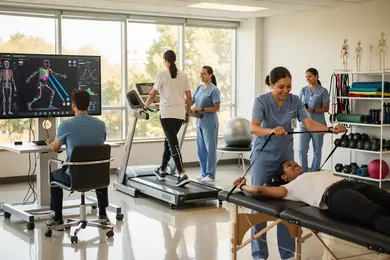
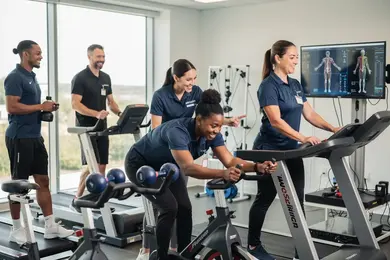
The practical value of an online kinesiology degree lies in its ability to combine theoretical foundations with applied skills essential for diverse healthcare and fitness roles. Graduates often qualify for positions such as physical therapy assistants, exercise physiologists, or occupational therapy aides, roles that demand hands-on biomechanical and physiological expertise coupled with evidence-based intervention strategies.
However, securing local internships to gain supervised experience remains a common hurdle, necessitating proactive planning to meet these program requirements while completing coursework remotely. This balance highlights a key operational tradeoff in online kinesiology degree programs for career advancement.
Working professionals pursuing this path benefit from the flexibility to study without geographic constraints, which facilitates career shifts outside conventional timelines.
The curriculum's focus on motor control, injury prevention, and therapeutic interventions aligns with employer expectations in hospitals, sports organizations, and wellness centers but requires disciplined self-management due to its online nature. Accreditation and relevant certifications remain decisive factors for employers, underscoring the importance of choosing recognized programs.
Long-term career opportunities with online kinesiology degrees are supported by employment growth trends in healthcare, notably a 15% increase forecasted by the Bureau of Labor Statistics over the next decade-significantly higher than average occupational growth.
This expansion reflects heightened demand for rehabilitation and preventative care specialists amid an aging population and healthcare system evolution.
For a comprehensive, data-driven survey of these educational routes, prospective students can consult best online kinesiology programs to assess program quality, outcomes, and alignment with evolving workforce needs.
Are online kinesiology degrees respected and properly accredited like on-campus programs?
Employers in healthcare and fitness sectors prioritize accreditation and rigorous curriculum over the format, making the recognition and credibility of online kinesiology programs directly tied to regional accreditation and experiential training.
Online kinesiology degrees accreditation standards in the United States require the incorporation of hands-on learning elements such as clinical placements or local internships. Without these, candidates may struggle with licensure, certification, and job eligibility in competitive markets.
For example, exercise physiologists and athletic trainers must graduate from accredited programs to sit for state licensure exams or national certification, regardless of whether their degree was earned online or on campus. This practical focus extends to program design, where local, supervised clinical experiences remain essential to meeting workforce competence requirements.
The Bureau of Labor Statistics forecasts a 9% growth in exercise physiologist roles through 2034, underscoring a steady demand for graduates who demonstrate validated professional standards. Skipping accreditation or experiential prerequisites often leads to employment barriers, particularly in clinical or educational settings.
Students evaluating online kinesiology paths should verify accreditation and alignment with state-specific licensure conditions early in their decision process. Similarly, assessing program quality beyond modality prevents costly detours.
For individuals considering health-related degrees, exploring comparative options like accelerated MHA programs online offers alternative routes that balance speed, accreditation, and career outcomes.
Which kinesiology careers offer the best long-term stability and growth potential?
Long-term career options in online kinesiology programs must be evaluated through the lens of stability, compensation, and workforce demand rather than broad appeal. Occupational therapy, physical therapy assistant roles, and exercise physiology consistently offer higher wage ceilings and durable job markets tied to healthcare's expanding needs.
For example, physical therapy assistants enter the field with mid-level salaries around $70,000 and access to certifications that can raise earnings beyond $78,000 annually. These roles reflect employer willingness to invest in skilled rehabilitation personnel amid aging populations.
Exercise physiologists employed in clinical or research environments see sustained growth, particularly when integrated into chronic disease management. Starting salaries range between $50,000 and $60,000, with specialization in areas such as cardiac rehabilitation pushing wages above $70,000.
This sector's resilience stems from healthcare policies prioritizing preventive care, making these kinesiology careers less vulnerable to automation or economic downturns.
In contrast, kinesiology jobs focused solely on fitness instruction or wellness coaching tend to have more fluctuating demand and average earnings in the lower $50,000s, often lacking benefits or clear advancement paths. Geographic variables heavily influence wage potential; urban centers with extensive healthcare networks offer stronger opportunities compared to rural settings.
Individuals aiming to pivot within kinesiology should aggressively pursue credentials aligned with licensed clinical or allied health fields. Employers expect evidence-based skills and formal certifications to drive both hiring and promotion.
Those considering educational investments might also explore a health care administration degree to complement clinical training, broadening career options within healthcare management.
What types of online kinesiology degrees can you earn and how do they differ?
Choosing between online kinesiology degree programs requires careful weighing of immediate employability against long-term career prospects. Associate's degrees, typically two years online, provide a low-cost entry point suitable for fitness or wellness roles but limit advancement in therapy or research fields.
Bachelor's degrees, spanning four years, offer deeper integration of biomechanics, physiology, and exercise science, qualifying graduates for specialized positions and graduate school admission. Master's programs focus on advanced research, clinical skills, and leadership, targeting roles in rehabilitation and academia.
The practical cost versus career ceiling tradeoff is significant: median tuition for a four-year on-campus kinesiology degree exceeds $50,000, while a two-year online associate's averages under $2,500. Employers in healthcare and sports sciences often prioritize bachelor's or higher credentials to validate expertise and practical training, especially for licensing requirements.
Students seeking rapid workforce entry should consider associates but plan possible progression, while those aiming for clinical or research roles often must commit to longer, advanced online kinesiology degree programs.
For students exploring parallel health fields after completing an online bachelor's, some consider transitioning to graduate programs such as direct entry MSN programs for non nursing majors to expand clinical opportunities.
Employers routinely distinguish between these degree types in hiring, underscoring the operational impact of selecting a program aligned with specific career outcomes and evolving workforce expectations.
How do online and campus kinesiology programs compare for labs, internships, and hands-on training?
Online kinesiology programs shift much of the responsibility for meeting hands-on training requirements onto the student, a significant factor that shapes both completion time and employability.
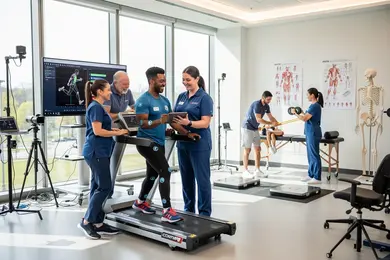
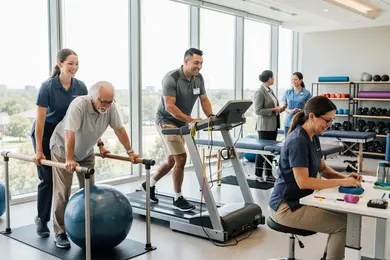
Unlike campus-based programs that embed supervised clinical hours through university-managed facilities, online students must independently arrange accredited internships, often requiring 700 to 1,000 contact hours with certified practitioners. This autonomous coordination can delay graduation and introduce variability in training quality.
Employers in athletic training and exercise physiology prioritize candidates with verified practical experience, making these internships critical. Bureau of Labor Statistics data estimates athletic trainer roles will grow 13% over the next decade, increasing demand for practitioners with proven clinical skills, while exercise physiologists will see a 7% growth rate.
Key considerations for online students include:
- Assessing availability of local facilities that meet program accreditation standards.
- Allocating time and resources to secure qualified internship placements independently.
- Understanding potential tradeoffs in scheduling flexibility versus logistical complexity.
Campus programs typically reduce these burdens by providing a controlled environment for hands-on learning, facilitating smoother transitions into professional roles. Therefore, the choice between campus and online pathways hinges on personal capacity for self-managed fieldwork coordination and aligning with employer expectations for clinical experience.
What courses and concentrations are typically included in an online kinesiology curriculum?
Choosing an online kinesiology curriculum requires balancing theoretical foundations with hands-on competencies essential for employability. Core offerings typically cover human anatomy, physiology, biomechanics, and exercise science, but program value hinges on integration of applied skills such as motor learning and health behavior modification.
For example, students focusing on athletic training must navigate not only virtual coursework but also physical internships involving injury prevention and emergency response-components that are often challenging to schedule alongside remote classes. Those leaning toward exercise physiology should prioritize programs emphasizing metabolic and cardiovascular lab techniques to meet evolving employer expectations.
Accreditation plays a critical role in aligning coursework with state licenses and professional certifications, directly affecting graduates' eligibility for positions in clinical or sports environments.
Employers increasingly expect proficiency in patient assessment and evidence-based interventions adaptable to telehealth or hybrid care delivery, underscoring the importance of practical experience embedded within online curricula.
Workforce data show a projected growth far outpacing average occupational increases: 9% for exercise physiologists and 11% for athletic trainers from 2024 to 2034.
This demand drives a premium for specialized education that bridges theory with real-world skill application. Prospective students must therefore scrutinize program design and logistical feasibility to ensure training prepares them for specific job market requirements.
What are the admission requirements and prerequisites for online kinesiology programs?
Meeting admission prerequisites for online kinesiology programs directly shapes a candidate's trajectory and financial outcome in this competitive field. The baseline is a high school diploma or equivalent, but many programs require standardized test scores unless offset by prior credits or relevant work experience.
Essential coursework typically includes biology, anatomy, physiology, and introductory statistics-each foundational for understanding kinesiology's scientific framework. Variations occur depending on career focus: exercise science tracks demand more math competence for biomechanical analysis, while public health-oriented programs deepen anatomy and physiology knowledge to support program development roles.
Applicants lacking these prerequisites face extended timelines and increased costs due to remedial requirements, which can diminish overall return on investment given average tuition ranges of approximately $16,808 at public institutions and $30,988 at private ones.
Preparing a complete application packet-including transcripts, letters of recommendation, and a personal statement outlining career goals-is crucial. Some programs also expect evidence of clinical or fitness experience, aligning with employer preferences in rehabilitation and athletic training sectors.
For working professionals changing careers, taking prerequisite courses at community colleges before enrolling in kinesiology programs can reduce expenses and better equip students for demanding curricula. Failure to fulfill admission requirements risks exclusion from accreditation-pathway degrees and subsequent certification eligibility, narrowing employability in kinesiology-related roles.
How much do online kinesiology degrees cost and what financial aid can you use?
Choosing an online kinesiology bachelor's degree requires careful financial and career impact analysis rather than surface-level tuition comparisons. Costs range widely, with public institutions generally charging $15,000 to $25,000 for in-state students, while private or accelerated programs may approach $45,000 due to condensed formats or additional fees.
Financial aid options including federal Pell Grants and Direct Subsidized/Unsubsidized Loans through FAFSA are commonly accessible, but graduate-level programs may require Grad PLUS loans with stricter conditions.
Veteran students and their families should weigh GI Bill benefits carefully alongside employer tuition reimbursement plans, which vary significantly in eligibility and amounts. Kinesiology scholarships, although competitive and merit-based, provide targeted relief contributing to affordability.
Unlike clinical health degrees, kinesiology bachelor's programs typically lack specialized loan forgiveness tied to patient care roles, so upfront expenses must be considered prudently.
Long-term salary data from the Bureau of Labor Statistics reveals stark differences: advanced credentialed roles such as physician assistant ($133,260 median), physical therapist ($101,020), and occupational therapist ($98,340) command premium wages well beyond standard kinesiology positions.
For students prioritizing financial return, enrolling in kinesiology programs aligned with clear pathways to these higher-paying clinical professions justifies higher costs and informs strategic financial planning.
What certifications or licenses might you need after a kinesiology degree in different roles?
Licensing and certification paths after a kinesiology degree vary by career focus and carry distinct practical implications. Clinical roles such as physical therapy or occupational therapy require state licensure, which involves passing exams and completing supervised clinical hours-barriers that shape when and how graduates enter the workforce.
Conversely, graduates pursuing exercise science roles like personal training or strength coaching typically obtain industry certifications emphasizing hands-on skills rather than formal licensure.
Management and consulting positions, including health services management or safety engineering, rely on specialized credentials in administration or risk management, which correlate with median salaries exceeding $100,000, more than doubling earnings in general fitness areas. This wage discrepancy underscores the value of targeted certification aligned with specific career trajectories.
Employers increasingly expect kinesiology graduates to complement degrees with certifications tailored to niche demands, such as sports nutrition for athletic performance specialists or continuing education for rehabilitation professionals maintaining state licenses. Failure to maintain valid credentials restricts practice scope and limits career mobility.
Students must weigh tradeoffs: time and financial investments in certification preparation and renewal can delay full workforce integration. Early specialization requires commitment to exams and supervised experience, sometimes graduate study, thereby extending transition timeframes and costs.
How can you choose a reputable online kinesiology program aligned with your career goals?
Choosing an online kinesiology program demands prioritizing accreditation and curriculum specificity tied to tangible workforce outcomes. Accreditation from entities like the Commission on Accreditation of Allied Health Education Programs (CAAHEP) secures essential credibility and eligibility for professional licensure, which directly impacts job prospects.
A program's curriculum should align with your targeted subfield-whether clinical rehabilitation, athletic training, or wellness coaching-and incorporate core subjects such as exercise physiology, biomechanics, and motor learning, along with practical experiences through practicum or partnerships with health organizations.
Employment data offers a critical lens: programs reporting graduate placement near 85% within six months and 90% in health-related sectors, as noted by the National Center for Education Statistics, demonstrate alignment with employer demand.
For instance, aspiring sports performance professionals must verify that faculty connections and internships support entry into professional sports or collegiate settings, which differ significantly from corporate wellness pathways.
Flexibility through asynchronous coursework combined with accessible advising and career support can alleviate common completion barriers for working adults or caregivers, enhancing eventual employment odds.
However, prospective students must weigh upfront costs against expected salary trajectories by sub-discipline-entry-level rehabilitative kinesiology roles often yield lower initial pay compared to exercise science positions in corporate wellness, influencing ROI and long-term career sustainability.
Other Things You Should Know About Kinesiology
Employers in clinical or rehabilitation environments often prioritize hands-on experience and practical skills over the degree format. While an online kinesiology degree can cover theoretical knowledge effectively, programs that integrate in-person internships or partnerships with healthcare providers better prepare graduates for these settings. Candidates without adequate clinical hours may face challenges securing positions requiring direct patient interaction, so prioritizing programs with robust practicum components is essential for employability in these fields.
Online kinesiology degrees tend to demand significant self-discipline and time management since students must balance asynchronous coursework with personal and professional obligations. For working professionals, this format offers flexibility but often increases the need for independent learning and regular engagement with digital platforms. Students should assess their capacity for consistent self-directed study and choose programs that provide strong faculty support to mitigate the risk of falling behind.
For leadership or research careers in kinesiology, graduate-level online degrees offer more targeted training in data analysis, program development, and evidence-based practice. Undergraduate programs build foundational knowledge but typically lack depth in these areas, which employers often require for advanced positions. Prioritizing graduate education will enhance competitive advantage and career progression in academic, clinical research, or administrative roles within kinesiology-related organizations.
References
- Online Exercise Science Degrees: Top School Review https://www.edumed.org/online-schools/exercise-science-degrees/
- What Can You Do with a Kinesiology Degree? https://www.nec.edu/news/what-can-you-do-with-kinesiology-degree
- How to Become a Kinesiologist - Education & Certification https://www.medicaltechnologyschools.com/kinesiologist/how-to-become-a-kinesiologist
- How to Choose the Right Degree for Your Career Goals https://www.odljain.com/blog/how-to-choose-the-right-degree-program-for-your-career-goals.html
- Which Kinesiology Track Option Should I Choose? | UT Permian Basin Online https://online.utpb.edu/about-us/articles/kinesiology/which-kinesiology-track-option-should-i-choose
- Kinesiology and Exercise Science Careers Guide https://teach.com/online-ed/healthcare-degrees/online-bachelors-kinesiology-exercise-science/career-outlook/
- 2026 Best Online Kinesiology Degrees https://www.onlineu.com/degrees/kinesiology
- Financial Aid For Online Colleges https://www.affordablecollegesonline.org/financial-aid/financial-aid-for-online-colleges/
- Top 5 Kinesiology Programs in 2026 https://bold.org/blog/best-kinesiology-programs/