2027 Online Kinesiology Degrees for School-Based Movement Careers

Co-Founder and Chief Data Scientist
Professionals seeking to enter or advance in school-based movement careers face the urgent challenge of balancing demanding work schedules with educational requirements that often lack flexibility.
With nearly 45% of adult learners reporting that balancing life commitments hinders degree completion, according to the National Center for Education Statistics, online kinesiology programs offer critical solutions. These programs expand access while accommodating varied timelines and geographic constraints, directly addressing workforce gaps in school settings grappling with demands for evidence-based physical activity interventions.
This article examines online kinesiology degree options tailored to school-based careers, highlighting program structures, admissions flexibility, and career alignment to guide informed enrollment decisions.
Key Things You Should Know
- Online kinesiology degrees reduce geographic barriers, but the average tuition variance of 27% nationally impacts total cost-of-education decisions, directly influencing student debt load and time-to-completion pressure per National Center for Education Statistics 2024 data.
- Employers in school-based movement careers prioritize internships and fieldwork experience, with 62% of surveyed districts in 2024 reporting online degree holders face skepticism without robust practicum records, affecting job placement rates.
- Graduates from online kinesiology programs must navigate credentialing delays: state licensure boards reported a 19% longer processing time in 2024 for remote learners, complicating timely entry into workforce roles reliant on certifications.
What is an online kinesiology degree and how does it prepare you for school-based movement roles?
Online kinesiology degree programs for school movement careers offer a distinct blend of theory and applied science tailored for education settings, yet they demand careful consideration of practical tradeoffs. Graduates emerge with specialized skills in motor development, injury prevention, and adaptive movement programming—essential for roles like physical education specialists or school wellness facilitators. These programs emphasize evidence-based strategies to manage concussion risks, accommodate disabilities, and promote physical literacy within diverse student populations.
This pathway requires securing local practicum placements independently, which can pose a significant hurdle given that real-world, in-person experience remains irreplaceable despite the asynchronous coursework. Working adults and those outside urban centers benefit from flexible scheduling, but accessing supervised school-based practicums is critical to meet certification requirements linked to employment.
Cost is another practical consideration: the median tuition for online bachelor's kinesiology programs stands near $10,467 annually, approximately $2,000 less than traditional on-campus options, reducing financial barriers without lowering academic demands.
Employers prioritizing candidates trained through accredited online kinesiology curricula expect measurable competence in assessing functional capacities and tailoring student-centered movement activities.
For prospective students preparing for school-based movement roles with kinesiology education, understanding these operational realities is vital to navigating the career benefits and constraints realistically.
To evaluate program quality and options aligned with workforce outcomes, consider consulting the best online exercise science degree rankings and resources.
What school-based careers can you pursue with an online kinesiology degree?
Graduates of online kinesiology programs aiming for school-based movement therapy careers should anticipate demanding real-world constraints beyond degree completion. Roles such as exercise physiologists and athletic trainers require not only biomechanical and motor learning expertise but also practical skills in managing student schedules, safety protocols, and injury rehabilitation within school environments.
Employers favor candidates with certifications like Certified Athletic Trainer (ATC) or valid state teaching licenses, reflecting the necessity of credentialing for teaching or clinical roles in schools.
Careers in school physical education and movement kinesiology are projected to grow 10-15% through 2033, signaling demand that surpasses average occupational growth. However, these positions often require navigating complex dynamics such as coordinating with academic staff, addressing diverse student needs, and advocating for health initiatives to non-specialist stakeholders.
Online programs that lack clinical practicum options may leave graduates ill-prepared for these workforce realities.
Key practical considerations include balancing kinesiology theory with direct experience working with youth populations and adapting programs accordingly. For students also considering healthcare transitions, understanding what is the easiest RN to BSN online program can offer alternative pathways that blend well with school-based health roles, broadening employment prospects.
How do online kinesiology programs compare with on-campus options for aspiring school movement professionals?
Online kinesiology degree programs for school movement careers provide theoretical knowledge comparable to traditional on-campus options but reveal distinct challenges in acquiring hands-on skills crucial for educational settings.
Students pursuing online formats must proactively secure supervised local internships or clinical placements to develop practical competencies like physical assessments and motor skills observation. Without this, readiness for roles involving direct interaction with children in schools can be compromised, where immediate feedback and real-time observation are essential.
Employers in education commonly favor candidates who have completed on-site practicums, valuing demonstrated applied experience alongside academic credentials. However, online programs offer critical flexibility for working professionals or those in remote areas who cannot attend in-person classes.
This creates a tradeoff between convenience and readily accessible faculty mentorship or university-facilitated placements that simplify entry into school-based kinesiology positions.
Average tuition recovery for BS kinesiology graduates is within 3 to 5 years, with an estimated lifetime earnings ROI near 2000% compared to non-degree paths, based on Concordia University Chicago's analysis of BLS and PayScale data.
Prospective students should verify that online credentials meet state-specific licensure and employer accreditation requirements, as policies vary across districts.
For working adults evaluating program options, balancing flexible learning against rigorous practicum needs is critical. Exploring pathways such as a hospital administration course online might also provide alternative career avenues within related health fields.
Comparison of online and on-campus kinesiology degrees for educators therefore demands careful assessment of practical skill access, employer recognition, and state certification rules affecting employability.
What types of online kinesiology degrees support school-based movement careers (AA, BA/BS, MS)?
Choosing an online kinesiology degree program for school movement careers requires weighing the practical tradeoffs between educational level and employability within educational settings. An accredited kinesiology associate and bachelor's degrees for educators differ significantly in career trajectory.
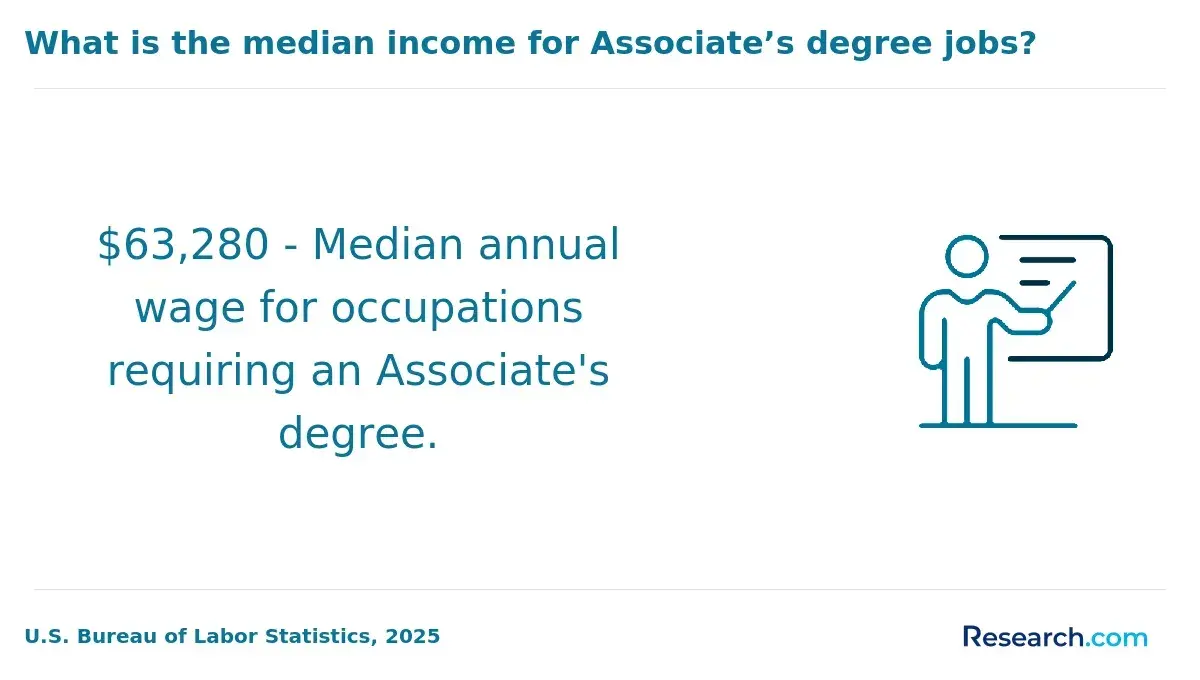
Associate degrees offer foundational competencies suitable for paraprofessional roles such as physical activity aides, yet they restrict upward mobility in licensed or salaried positions due to limited clinical or pedagogical exposure.
Bachelor's degrees in kinesiology are more aligned with full professional roles, integrating biomechanics, motor development, and applied exercise physiology with compulsory practicum experiences.
Graduates are positioned for roles including physical education teachers or adaptive physical activity specialists, reflected in national data where 85% secure employment or further graduate study within six months, 90% of which is health-related. This underscores how a bachelor's degree is often essential for meeting the applied knowledge employers expect in school-based movement careers.
Master's level programs add value primarily for professionals aiming to lead rehabilitation initiatives or school wellness programs, though they entail heavier financial and time commitments and usually require prior experience. For those weighing a strategic pivot or advancement, program accreditation, practicum alignment, and licensure relevance are critical factors impacting long-term outcomes.
Prospective students may also consider exploring accelerated BSN programs for non nurses California to strategically transition within broader health and education sectors
How can you verify accreditation and program quality for online kinesiology degrees?
Accreditation extends beyond institutional approval and significantly impacts employability and certification eligibility in kinesiology careers. Employers and licensing boards increasingly require graduates from regionally accredited institutions with specialized program accreditation from entities like the Commission on Accreditation of Allied Health Education Programs (CAAHEP) or the National Strength and Conditioning Association (NSCA).
For instance, athletic training graduates without these credentials face greater hurdles attaining licensure or competitive placements, despite median wages around $60,250 and 13% job growth projected by the U.S. Bureau of Labor Statistics.
Key evaluation factors include graduation and certification pass rates, which reflect a program's capacity to prepare students for professional standards. Clinical practicum offerings with verified partnerships enhance real-world readiness through supervised experience, a decisive factor for school-based employment. Programs lacking these often leave students underprepared or unable to meet state licensure requirements.
Consider also the reputational impact: alumni networks and employer feedback provide insight into a program's standing and practical value. Unaccredited or non-specialized programs risk restricting access to federal financial aid, scholarships, and timely workforce entry, delaying income and career progression.
What courses and specializations in online kinesiology best align with K-12 movement and wellness work?
Choosing an online kinesiology degree designed for K-12 movement and wellness careers involves balancing cost, credential relevance, and practical skill development. Online programs typically concentrate on exercise physiology, motor development, biomechanics, and health promotion with an emphasis on programming for diverse youth populations, including adaptive physical education for students with disabilities.
The cost advantage is notable: online bachelor's degrees average about $10,467 annually, roughly $2,000 less per year than traditional on-campus options, which usually total near $50,000 over four years. This financial difference often makes online pathways more accessible to working professionals or career changers who cannot pause employment or relocate.
Employers in public school systems prioritize certification and leadership preparation for roles overseeing intramural activities or compliance with wellness policies. Programs integrating applied research and student fitness data analytics respond to growing demands for evidence-based interventions in school settings.
Graduates are expected to collaborate with multidisciplinary teams and possess expertise in pediatric exercise science, behavioral health, nutrition, and inclusive fitness. Practical roles include physical education instructors, wellness coordinators, or after-school program specialists—positions requiring not just theory but applied skills tailored to youth wellness environments.
What are typical admission requirements and time to completion for online kinesiology programs?
Choosing an online kinesiology program involves balancing program length, prerequisite demands, and local practicum availability against career goals and earning potential. Bachelor's degree programs typically require a high school diploma or GED, with some insisting on preparatory coursework in biology or anatomy.
Graduate pathways demand a relevant bachelor's degree, often a GPA minimum of 3.0, and may require GRE scores. Relevant work experience in health or education sectors enhances admission prospects for specialized tracks.
Completion times vary: standard bachelor's degrees usually span four years, but accelerated formats and credit for prior learning can reduce this to 2.5-3 years. Graduate certificates or master's programs typically take 1.5 to 3 years depending on enrollment status and thesis requirements. Students aiming for school-based movement careers must consider fieldwork logistics, which can delay graduation if local practicum sites are limited.
Employers prioritize candidates with practical experience and credentials beyond entry-level degrees. According to Concordia University Chicago's analysis of BLS and PayScale data, kinesiology professionals in advanced roles earn around $70,000, increasing to $85,000 with certifications or graduate education. This wage progression justifies extended study for many, despite a longer time to completion.
Prospective students should carefully evaluate whether programs offer expedited coursework alongside recognized experiential learning components, ensuring local practicum placements to avoid enrollment extensions and maintain salary momentum in the kinesiology workforce.
How much do online kinesiology degrees cost, and what financial aid options are available?
Choosing an online kinesiology degree requires grappling with substantial financial commitments that can influence career trajectories differently based on individual circumstances. Bachelor's programs cost between $15,000 and $40,000, while graduate options extend from $20,000 to over $50,000, excluding ancillary expenses like textbooks or tech fees. Paying per credit suits working professionals needing flexible pacing but prolongs debt and time to credential completion.
Financial aid availability is nuanced. Federal aid through Pell Grants and Direct Loans applies primarily to accredited institutions; targeted scholarships for kinesiology are scarce, requiring proactive application efforts. Employer tuition reimbursement offers a partial offset, most accessible in health or school-related employment but subject to restrictive caps. State grants might assist students attending in-state institutions.
Key practical considerations include:
- Potential lost income when shifting from full-time work to study
- Regional wage disparities, with entry corporate wellness roles around $40,000 and sports/exercise science positions generally exceeding $50,000 in urban areas
- The importance of aligning financial outlay with expected salary gains, referencing data from the American College of Sports Medicine and analysis by Concordia University Chicago
Students must weigh these tradeoffs carefully to avoid overextending financially for marginal wage increases, recognizing that program affordability intersects critically with realistic career outcomes.
What are salary ranges and job outlook for school-based kinesiology and movement professionals?
The salary range for school-based kinesiology professionals varies widely depending on certification, job role, and geographic location, with typical annual earnings between $45,000 and $75,000.
For instance, paraprofessionals holding online kinesiology degrees often begin near $45,000, while certified physical education teachers with a bachelor's and licenses can surpass $65,000, particularly in states with strong unions and well-funded districts. Urban and affluent suburban school systems generally offer the highest salaries, influenced by local budgets and credential requirements.
An important consideration for working professionals transitioning into kinesiology careers is the tuition cost disparity driven by residency status. Out-of-state students may pay $200-$400 more per credit hour, potentially increasing total program costs by over $20,000.
This figure can significantly affect those relying on employer reimbursement or personal savings, as it may outweigh initial salary gains if local wages do not compensate sufficiently.
Projected to grow by roughly 8% through 2034, kinesiology-related roles respond to declining youth physical activity and expanded recognition of movement's impact on learning. Selecting programs with established school district ties can mitigate employment risks and enhance job placement.
What certifications or licenses might you need for school-based kinesiology roles, and how do online programs help you qualify?
Securing school-based roles in kinesiology typically hinges on acquiring certifications such as Certified Strength and Conditioning Specialist (CSCS), American College of Sports Medicine (ACSM) credentials, or state teaching licenses in health or physical education.
For exercise physiologists, Clinical Exercise Physiologist (CEP) certification is often required. These certifications are tied to strict state-specific licensure mandates that affect eligibility for positions involving therapeutic or allied health functions. Employers prioritize candidates who provide verifiable documentation of supervised practicum hours and have successfully passed recognized exams.
Online kinesiology programs attempt to address geographic and scheduling constraints by combining coursework aligned with national certification standards alongside clinical placement partnerships with schools or healthcare providers. However, students must proactively manage practicum requirements to avoid delays in certification that can directly impact employability and salary potential in school settings.
The Bureau of Labor Statistics forecasts 7-10% growth for exercise physiologists and even faster expansion in allied movement careers through 2033. This demand increases the value placed on formal credentials supported by rigorous online or hybrid programs. Yet, without completing practicums, graduates risk reduced job competitiveness despite holding degrees.
Key considerations for prospective students include:
- State-specific licensure nuances that determine which credentials are valid
- The necessity of clinical experience to meet certification eligibility
- Tradeoffs between online program accessibility and hands-on training logistics
Other Things You Should Know About Kinesiology
Most online kinesiology programs incorporate virtual simulations and theoretical coursework but offer limited in-person practical training. For school-based movement careers, direct interaction with children and real-world settings is critical, which online programs may not fully provide. Candidates should prioritize programs with hybrid options or established partnerships for local practicums to gain essential hands-on experience valued by employers in education environments.
Employers vary in their acceptance of fully online kinesiology degrees, often scrutinizing program reputation and evidence of practical skills. Degrees from regionally accredited institutions that require fieldwork or internships receive higher trust. Students should select online programs with clear pathways to applied experience and transparent employer connections to avoid hiring biases and improve employment prospects within schools.
Online kinesiology degrees demand consistent self-discipline due to asynchronous lectures, assignments, and often time-consuming study of anatomy and physiology. Balancing coursework with full-time employment limits time for hands-on practice, extending program completion times or reducing immersion in practical skills. Prospective students must realistically assess their time management capacity and seek programs offering flexible pacing and supportive academic advising.
References
- How to Become a Kinesiologist (Degree & Salary) - Natural Healers https://www.naturalhealers.com/blog/applied-kinesiology/
- Online Kinesiology Degree Programs: Review Top Schools https://www.edumed.org/online-schools/kinesiology-degrees/
- ask http://asiakinesiology.net/certification/page1.php
- How Long to Get a Kinesiology Degree? | ValidGrad https://validgrad.com/blog/kinesiology-degree-duration/
- 2026 Best Online Kinesiology Degrees https://www.onlineu.com/degrees/kinesiology
- Kinesiologists and other professional occupations in therapy and assessment | EducationPlannerBC https://www.educationplannerbc.ca/find-your-path/results/career/noc-31204
- Kinesiologists and other professional occupations in therapy and assessment | WorkBC https://www.workbc.ca/career-profiles/kinesiologists-and-other-professional-occupations-therapy-and-assessment
- Online Bachelor of Science in Kinesiology https://calbaptist.edu/academics/programs/online-bachelor-of-science-kinesiology/
- Bachelor's in Kinesiology Program Online | Montreat College https://www.montreat.edu/online/kinesiology/
- Online Bachelor’s in Kinesiology and Exercise Science Programs https://teach.com/online-ed/healthcare-degrees/online-bachelors-kinesiology-exercise-science/