2027 Online Kinesiology Degrees for Pre-Athletic Training Students

Co-Founder and Chief Data Scientist
Students aiming for careers in athletic training often confront conflicting priorities: obtaining a rigorous kinesiology education while managing inflexible schedules, work obligations, or geographic constraints. The challenge intensifies as the Bureau of Labor Statistics projects a 19% growth in athletic trainer employment by 2032, underscoring urgent demand for qualified candidates. Yet traditional programs rarely accommodate the varied timelines and adult learner needs common in this field. This mismatch risks delaying credential completion or restricting access for diversifying professionals.
This article examines online kinesiology degree options tailored for pre-athletic training students, focusing on program accessibility, curriculum quality, and practical career alignment to support strategic educational decisions.
Key Things You Should Know
- State licensure variations for kinesiology-related roles create a tradeoff between fastest degree completion and eligibility for accredited athletic trainer certification, with 42% of states requiring specific coursework rarely offered fully online per the NATA 2024 report.
- Employers prioritize clinical internship depth over GPA, as 68% of recruiters in a 2024 Collegiate Athletic Trainers Society survey favored programs integrating minimum 800 clinical hours to improve job placement rates amidst a 12% sector growth forecast.
- Rising tuition inflation averaging 5.6% annually since 2020 disproportionately impacts pre-athletic students balancing work-study, extending degree timelines by 20% for 37% of candidates surveyed by the NCES, complicating timely entry into competitive post-degree fellowships.
What is an online kinesiology degree for pre-athletic training students and how does it work?
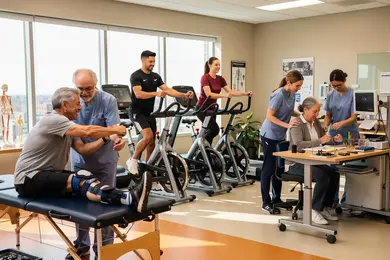
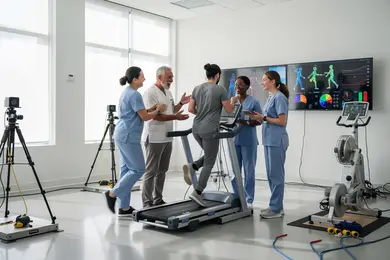
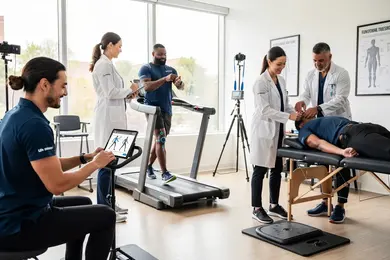
Online kinesiology degree programs for pre-athletic training students present a strategic option when balancing theoretical knowledge with essential clinical exposure. While remote coursework efficiently covers human movement science, injury prevention, and exercise physiology, students must proactively secure localized hands-on experiences such as internships or lab practicums. For working professionals or those geographically constrained, this hybrid model accommodates flexibility but often intensifies demands on time management and networking to meet certification prerequisites.
For example, a part-time employee at a sports clinic can supplement asynchronous online anatomy and biomechanics classes with on-site clinical observation, blending education with practical application. However, the necessity of finding institution-approved local clinical placements introduces variability in program accessibility and duration, an important consideration when comparing programs or evaluating timelines.
The employment outlook validates this pathway's relevance: athletic trainer roles are projected to grow 17% between 2021 and 2031, outpacing average occupations due to heightened sports participation and demand for injury management. Students considering how online kinesiology coursework supports athletic training careers should prioritize curricula integrating accredited clinical experiences and robust certification preparation, alongside career services to address competitive job markets.
For learners seeking faster routes through this educational field, some institutions offer an accelerated exercise science degree online, which can reduce overall completion time but may intensify course loads and practical placement challenges.
How do online kinesiology programs prepare you for admission to athletic training graduate programs?
Online kinesiology programs for athletic training admission present tangible tradeoffs between theoretical preparation and hands-on clinical experience crucial for graduate program entry. Students benefit from curricula emphasizing anatomy, physiology, biomechanics, and exercise science, which fulfill core prerequisites for graduate athletic training programs. However, securing and completing required in-person clinical hours remains a significant hurdle, often necessitating self-directed coordination with local clinical sites or internships to prove competency beyond academic transcripts.
Preparing for athletic training graduate programs through online kinesiology often entails mastering injury prevention, rehabilitation, and therapeutic modalities within a virtual format. These competencies are weighted heavily by admissions committees, underscoring the importance of integrating evidence-based research and data analysis skills to meet evolving employer expectations.
For working professionals pivoting into kinesiology, online study offers flexibility but demands proactive engagement in virtual labs and case studies to approximate real-world clinical decision-making. Graduates entering a labor market with a median annual wage of $62,520 must navigate admission and employment challenges driven by both academic rigor and practical readiness.
Key considerations include program advising quality and adaptability in clinical placement opportunities. Students who strategically select programs that align curriculum with graduate-level competencies and offer robust support are better positioned to streamline their admissions process.
For individuals considering extended academic pathways in related healthcare fields, options like the PhD in healthcare management online may broaden strategic career prospects beyond athletic training specialization.
What accreditation and program approvals should online pre-athletic training kinesiology degrees have?
Accreditation is a strategic filter that shapes the practical value of online kinesiology degree program accreditation, especially for pre-athletic training pathways. Programs approved by the Commission on Accreditation of Athletic Training Education (CAATE) are indispensable for those targeting certification as athletic trainers, as this status directly affects eligibility for the Board of Certification (BOC) exam-an industry gatekeeper in clinical and sports environments. Choosing a non-CAATE program narrows access to hospital, collegiate, and professional team employment, where rigorous clinical requirements and standardized competency evaluation shape hiring preferences.
For students focusing on rehabilitative or exercise physiology roles, regional accreditation alone can suffice, but this specialization limits versatility in athletic training fields. Evaluating approved pre-athletic training kinesiology programs demands careful attention to these accreditation nuances given their long-term influence on credentialing and workplace integration.
Data from OnlineU's 2026 report illustrates how proper accreditation correlates with financial outcomes: Oregon State University's online B.S. in kinesiology graduates rank in the top 25% nationally with a median salary of $60,964, underscoring measurable career returns tied to curriculum standards and credential alignment. Prospective candidates should verify both regional and program-specific accreditation to secure comprehensive training and credential eligibility.
Those weighing accelerated graduate routes might also explore variations in healthcare management credentials; a notable resource on this is the fastest online master's in healthcare management, which presents an alternate but related educational pivot.
How do online kinesiology programs for pre-athletic training compare to campus-based options?
Choosing an online kinesiology degree demands careful consideration of practical training requirements versus tuition savings. Online programs typically cost between $300 and $500 per credit hour, offering a more affordable route compared to traditional campus-based studies. However, this financial advantage comes with the challenge of arranging hands-on clinical experience independently, which is central to pre-athletic training. Students in rural areas, for instance, may encounter significant logistical and financial obstacles securing these in-person placements.
Campus kinesiology programs provide seamless access to biomechanics labs, immediate mentorship, and peer interaction-factors employers prioritize, especially in physical therapy and collegiate athletics. By contrast, online learners must proactively build externship plans alongside coursework. Such dynamics highlight critical differences in educational delivery that influence post-graduation employability and professional readiness.
Working professionals evaluating a comparison of online versus campus kinesiology programs in the US should weigh these tradeoffs: cost efficiency and scheduling flexibility against the need for self-managed clinical hours and local networking. For students prioritizing cost, online study can be strategic, but requires deliberate planning to align with employer expectations for verified hands-on experience.
Those interested in further flexible degree options might explore MSN programs online to understand comparable models in healthcare education delivery.
What courses and concentrations are typical in a kinesiology curriculum for pre-athletic training?
Online kinesiology programs for pre-athletic training students place critical emphasis on applied sciences that directly influence athletic health management and injury prevention outcomes. Unlike traditional degrees that may prioritize theory, these curricula combine biomechanics, physiology, and motor learning with injury assessment and rehabilitation techniques, reflecting core competencies demanded by employers in sports medicine and rehab sectors.
Students face a strategic decision when selecting concentrations such as sport biomechanics or exercise science. For instance, a specialization in sport biomechanics hones analytical skills needed to identify injury risk factors in athletes, a skill highly valued in professional sports settings. Conversely, exercise science tracks align better with roles emphasizing metabolic conditioning and regimen development.
Practical field experience remains a significant barrier in the fully online format. Securing local clinical practicum partnerships requires proactive planning and often shapes the feasibility and timing of degree completion. Financially, tuition disparities-from around $22,200 in-state to over $87,000 out-of-state-may restrict access and influence whether a student can pursue vital post-graduate certifications crucial for employment in athletic training.

What are the admission requirements and prerequisites for online pre-athletic training kinesiology programs?
Admission standards for online pre-athletic training kinesiology programs impose specific academic and practical tradeoffs that directly impact progression and workforce readiness. Most programs require applicants to present a high school diploma or equivalent with a GPA typically between 2.5 and 3.0, alongside essential science prerequisites like biology, anatomy, physiology, and chemistry. These course requirements often serve as gatekeepers; failure to meet them can result in conditional admission or mandated completion before advancing to upper-division work, delaying credential timelines.
Beyond academics, many online kinesiology programs weigh standardized test scores such as the ACT or SAT, though an increasing number waive this in favor of evaluating prior college credits or relevant professional experience. Candidates focusing on athletic training certification should anticipate further expectations, including supervised clinical hours and specialized coursework, which extend beyond foundational kinesiology and affect both program duration and employability.
Transfer considerations also play a pivotal role: some programs mandate that 40%-50% of credits be earned directly from the granting institution, limiting flexibility for working professionals or those with prior degrees. Ignoring these nuances can disrupt course sequencing and postpone entry into critical workforce roles. Given the complex credentialing pathways, applicants targeting physical therapy or exercise science roles must carefully align program prerequisites with professional benchmarks to maintain strategic momentum.
How long do online kinesiology degrees for pre-athletic training take and what do they cost?
Opting for an online kinesiology degree requires careful evaluation of time, cost, and workforce integration factors. Bachelor's programs traditionally span four years full time, but accelerated tracks reduce this to about three years at the expense of heavier course loads and constrained work options. Working students often face five to six years to complete the degree due to pacing limitations.
Financially, public in-state tuition averages $8,000 to $12,000 annually, while private institutions climb to $25,000-$40,000 per year. Total program expenses including fees and materials range from approximately $32,000 at state schools to beyond $140,000 for private universities. Additional costs for certification prep or clinical placements may apply and typically demand in-person attendance.
Students balancing employment may prefer part-time study to avoid income loss, accepting a longer duration and potentially higher cumulative costs. Full-time students without job constraints can expedite graduation and reduce tuition burden but sacrifice immediate income and face pressure on personal time.
Employment outcomes extend beyond athletic training into fields like exercise physiology, where the median wage is $47,940 and top earners exceed $76,000. Employers prioritize foundational knowledge combined with practical skills and clinical experience, factors that can prolong education but enhance employability and job market value.
What careers can you pursue with a kinesiology degree focused on pre-athletic training?
Choosing a kinesiology degree with a focus on pre-athletic training positions graduates for diverse roles that require both specialized certification and practical expertise. For instance, becoming a certified athletic trainer mandates passing the Board of Certification exam, while strength and conditioning coaches often seek credentials from bodies such as the National Strength and Conditioning Association. These certifications crucially influence salary prospects and job security.
Advancing into graduate programs, particularly in athletic training, physical therapy, or occupational therapy, significantly enhances earning potential. Data indicates average salaries around $84,950 for occupational therapy roles and $89,440 for physical therapy positions for kinesiology graduates who pursue these pathways. However, these benefits come with rigorous prerequisites, including clinical hours and comprehensive testing.
Students must weigh the tradeoff between specializing early-which streamlines certification but limits cross-field flexibility-and maintaining a broad kinesiology foundation that supports transitions into biomechanics research or corporate wellness. Employers prioritize candidates with theoretical knowledge combined with hands-on experience, so internships or placements at sports teams and rehabilitation centers are pivotal for employability.
Additionally, the time and financial investment of graduate education necessitate deliberate planning, balancing immediate workforce entry against enhanced long-term income and stability opportunities.
What are the salary expectations and job outlook for athletic trainers and related roles?
Athletic training salaries vary considerably across settings, with median annual pay near $49,860 but rising above $60,000 in professional sports, hospitals, and colleges. This variance reflects how location, specialization, and employer type strongly influence compensation outcomes. Candidates entering secondary education or outpatient rehab often face lower starting salaries around $40,000-$45,000, underscoring the need to weigh geographic and sector choices strategically.
Employment growth for athletic trainers is projected at 16% through 2032, outpacing average occupational growth. This trend is driven by increased emphasis on injury prevention and sports safety, but it also means competition favors credentials coupled with clinical experience. Graduates considering online kinesiology degrees should ensure programs offer robust practicum components to meet employer expectations.
For instance, an investment in an online kinesiology degree priced moderately, like the $24,780 program at Arizona State University, may be justified if graduates access roles near or above the $60,000 salary bracket. However, credentialing via the Board of Certification and potentially advanced degrees remain essential for sustainable career progression and income stability.
Volatility in athletic departments often prompts flexibility toward healthcare employment to mitigate income fluctuations. Making informed tradeoffs between sector, certification timing, and practical experience will determine whether graduates can establish stable, financially viable careers within this competitive field.
How can you choose a reputable online kinesiology program for your athletic training goals?
Employers in athletic training prioritize candidates whose online kinesiology programs include hands-on clinical practicums or internships, as practical experience is often non-negotiable for entry-level roles. Programs focused primarily on theory without such opportunities may limit graduates' eligibility for certification and hands-on credentialing, reducing job competitiveness. One practical tradeoff for students is balancing flexible, asynchronous online coursework against access to recognized clinical partnerships needed to gain experiential training.
Accreditation from agencies recognized by the U.S. Department of Education or CHEA is essential not only for academic rigor but also to access federal financial aid and meet certification board requirements. Curricula that comprehensively cover sports medicine, exercise physiology, rehabilitation, and biomechanics must align with credentialing bodies to ensure relevance and workforce readiness.
Key evaluation criteria include graduation and job placement rates as well as certification exam pass rates. These quantitative outcomes reflect a program's capacity to prepare students for licensure and employment-and should influence selection. Programs that integrate telehealth clinical training respond to evolving industry standards, helping graduates enter digital health roles within athletic training.
With a projected 19% job growth in athletic training through 2032 from the U.S. Bureau of Labor Statistics, prioritizing evidence-based, outcomes-driven programs with practical components is critical for those seeking sustainable employment in this field.
Other Things You Should Know About Kinesiology
In 2027, many athletic training employers view online kinesiology degrees as equally valuable to traditional degrees, provided the program is accredited. Key factors include the reputation of the institution, the accreditation, and the alignment of the curriculum with industry standards.
Online kinesiology degrees demand significant self-discipline, especially since critical hands-on components must be arranged independently, which can conflict with academic deadlines. Students often underestimate the need for proactive scheduling to fulfill practicum hours outside of the virtual classroom. Planning ahead to secure clinical sites near your location while managing coursework deadlines is essential to avoid delays in graduation or licensure eligibility.
Both biomechanics and exercise physiology hold weight, but biomechanics tends to align more closely with athletic training graduate program expectations due to its emphasis on movement analysis and injury mechanisms. Prioritizing biomechanics coursework can strengthen your application by demonstrating advanced knowledge relevant to injury prevention and rehabilitation. However, incorporating key exercise physiology classes is advisable since many programs value a well-rounded foundation, so balance your choices accordingly.
Online programs vary widely in their explicit support for the Board of Certification (BOC) exam preparation, with fewer offering dedicated review courses or simulation labs compared to traditional programs. Choosing an online degree that integrates BOC exam content into its curriculum or provides access to comprehensive preparatory resources increases your likelihood of passing on the first attempt. Without structured preparation, graduates may face additional time and expense pursuing external review, delaying entry into the workforce.
References
- What Can You Do With a Kinesiology Major? | USAHS https://www.usa.edu/blog/what-can-you-do-with-a-kinesiology-major/
- Pre-Athletic Training https://www.pacificu.edu/academics/pacific-priority/pacific-pathways/pre-athletic-training
- Average Athletic Trainer Salary in the US https://www.carerev.com/blog/average-athletic-trainer-salary-in-the-us
- Online Exercise Science Degrees: Top School Review https://www.edumed.org/online-schools/exercise-science-degrees/
- Kinesiology vs. Exercise Science vs. Sport Performance https://www.pointloma.edu/resources/health-sciences/kinesiology-vs-exercise-science-vs-sport-performance
- Online Bachelor of Science in Kinesiology https://calbaptist.edu/academics/programs/online-bachelor-of-science-kinesiology/
- Bachelor’s degree in pre-athletic training and kinesiology https://www.trevecca.edu/academics/program/pre-athletic-training-kinesiology
- Sterling College https://www.sterling.edu/academics/graduate-athletic-training-program/admission-requirements/
- Online Master of Athletic Training Program in Texas - HSU https://www.hsutx.edu/academics/graduate-programs/masters-of-athletic-training/
- Careers in Kinesiology https://www.angelo.edu/career/career-exploration/majors/kinesiology.php