2027 Kinesiology Specializations With the Strongest Long-Term Momentum

Co-Founder and Chief Data Scientist
Professionals pursuing a specialization in kinesiology often face a pivotal dilemma, which is selecting a track with enduring workforce demand that aligns with shifting employer expectations and evolving healthcare models.
The surge in demand for physical rehabilitation and preventive care, driven by an aging population, contrasts with the constraints of program flexibility. Nearly 45% of adult learners prioritize online or hybrid formats, according to the National Center for Education Statistics, highlighting a gap between accessible education and practical career moves.
Navigating this tension is critical to optimize both employability and long-term career resilience. This article identifies kinesiology specializations with the strongest momentum to guide strategic educational decisions aligned with market realities.
Key Things You Should Know
- Specializations in rehabilitation science show 14% projected job growth through 2032 per U.S. Labor statistics, but require costly clinical internships, delaying ROI for candidates prioritizing rapid workforce entry.
- Employers in sports performance increasingly demand dual certification in strength coaching alongside kinesiology, elevating credential complexity and narrowing eligibility despite higher salary premiums.
- Emerging neuromechanics programs attract federal research grants, concentrating academic investment but limiting access due to few nationally accredited programs, affecting geographic and socioeconomic equity in advanced kinesiology training.
Which kinesiology specializations show the strongest long-term growth and career momentum?
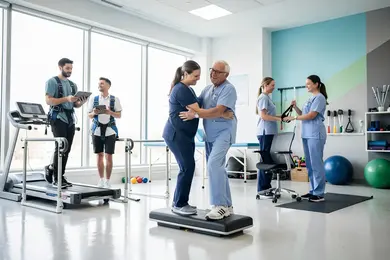
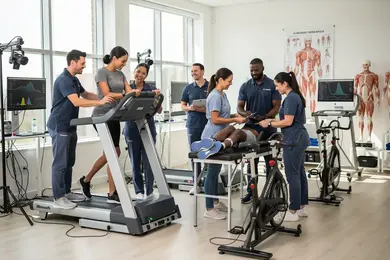
Exercise physiology stands out among kinesiology specializations with strong career growth due to its robust demand tied directly to healthcare trends. The U.S. Bureau of Labor Statistics forecasts a 7% employment increase for exercise physiologists from 2023 to 2033, exceeding average occupational growth rates. This demand primarily arises from healthcare systems and outpatient rehab centers that value professionals skilled in evidence-based exercise programming aimed at reducing hospital readmissions for chronic disease and cardiac patients.
However, this specialization requires rigorous certification, often including a bachelor's degree with clinical internships and potential state licensure, which is a notable commitment compared to broader kinesiology tracks that focus on general fitness or coaching. Graduates targeting hospital or insurance-covered roles must navigate these credentialing hurdles to access faster wage growth and more stable, reimbursement-driven employment opportunities.
The preventive health track, another kinesiology specialization with long-term momentum in kinesiology career paths, emphasizes lifestyle disease prevention through exercise prescription. Public and private health initiatives targeting obesity, diabetes, and sedentary behavior increasingly seek kinesiology graduates versed in chronic disease epidemiology and behavior change strategies, creating expanding job niches within community and insurance-linked programs.
For those considering educational pathways, programs offering an exercise science degree online can provide a strategic advantage by balancing accessibility with specialized coursework essential for these growth areas.
What degrees and training do you need to pursue high-demand kinesiology specializations?
Entry into competitive kinesiology specializations hinges on balancing targeted education with tangible field experience. Most roles require a bachelor's degree in kinesiology, exercise science, or a related field, laying a foundation in anatomy, physiology, biomechanics, and motor control.
Yet, employers often seek candidates with additional credentials such as the Certified Strength and Conditioning Specialist (CSCS), which certifies expertise in athlete monitoring and injury prevention and directly influences salary potential. Typical salaries for strength and conditioning specialists range from $68,089 to $98,564, emphasizing the market value of combining formal education with recognized certifications.
For those evaluating required education for kinesiology career advancement, a master's degree focused on applied exercise physiology or biomechanics can significantly improve employment outcomes, especially when paired with quality internships providing measurable performance improvements or rehabilitation success. Lack of direct industry experience remains a major barrier.
Tradeoffs are evident: accelerated entry may favor certificates and practical training, while health system or therapy roles demand graduate degrees and licensing. Professionals aiming for efficient upskilling might consider programs like the easiest online RN to BSN programs as a comparative lens for streamlined credential pathways.
How do job outlook and salary compare across fast-growing kinesiology careers?
Job prospects and salary trajectories in fast-growing kinesiology careers vary sharply depending on specialization and sector, influencing long-term stability and earning potential. Athletic trainers stand out with a projected 13% job growth between 2023 and 2033, over four times the national average, driven by heightened employer demand for concussion management and integrated athlete health programs in educational, professional sports, and rehabilitation settings.
A 2024 median wage of $60,250 for athletic trainers reflects the specialized, hands-on nature of their role. Other kinesiology-related occupations, such as those in exercise physiology or occupational therapy, demonstrate slower growth rates below 8% and flatter salary prospects, often shaped by healthcare or academic employment contexts.
This illustrates a key practical tradeoff: broader, generalist kinesiology paths face higher competition and limited wage elevation, whereas clinical certifications tied to sports medicine and healthcare institutions improve placement speed and career momentum.
For those evaluating salary trends for fast-growing kinesiology careers in the United States, geographic location, credentialing, and institutional partnerships heavily impact opportunities. Candidates willing to pursue specialized certifications and integrate into healthcare ecosystems benefit from better job security and wage growth.
Long-term job outlook for kinesiology specializations in North America demands careful attention to institutional alignment. For aspirants aiming to pivot or advance, combining a kinesiology degree with a healthcare MBA can further enhance marketability and leadership potential within this complex field.
What are the most in-demand clinical and rehabilitation paths in kinesiology today?
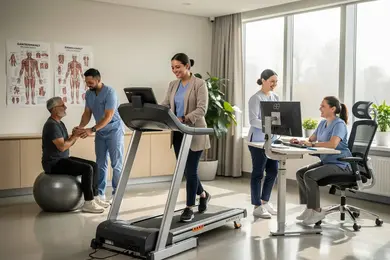
Demand for clinical kinesiology rehabilitation careers with highest demand clearly favors pathways that balance specialized expertise with practical training hurdles. Orthopedic rehabilitation remains vital due to an aging population and rising injury incidence, yet entry requires facility-based experience, often gained through 6-12 month internships or residencies, creating a significant early-career barrier.
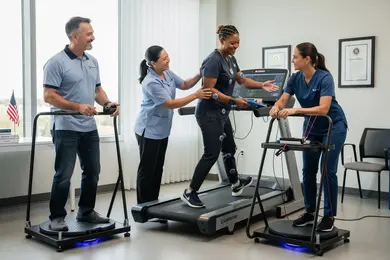
Neurological recovery specialists, working with stroke or brain injury patients, further require advanced clinical skills in motor control and neuroplasticity, supported by multidisciplinary teamwork prevalent in federal healthcare-funded rehab services.
In contrast, top rehabilitation and therapeutic kinesiology specializations in corporate wellness emphasize program management and outcome measurement more than hands-on clinical experience. Their growth, projected at 5-10% annually, stems from employer investments aimed at reducing costs and improving workforce productivity.
Candidates benefit from combining kinesiology knowledge with business acumen and behavioral health analytics, a skill set that differentiates wellness professionals from their clinical counterparts.
Certification such as Certified Strength and Conditioning Specialist (CSCS) or ACSM-CEP improve employability and eligibility for insurance reimbursement roles but extend credentialing timelines.
Prospective students evaluating educational options should weigh clinical role delays and facility experience against more accessible corporate wellness entry points. For those interested in accelerated study formats that align with strategic career shifts, hybrid ABSN programs illustrate how intensive, compressed training models can shorten pathway timelines in related health fields, a factor worth considering for kinesiology career planning.
Which performance, strength, and conditioning specializations offer the best long-term opportunities?
Specializing in performance, strength, and conditioning with a focus on aging populations and medical exercise physiology represents a pragmatic long-term shift in kinesiology careers. Gerokinesiology, a field combining kinesiology and aging, is projected to grow by over 10% due to demographic trends and chronic disease management demands such as diabetes and cardiovascular health.
Practitioners trained to design exercise interventions for older adults increasingly find opportunities in clinical environments, rehab centers, and community health programs, where customized movement strategies directly impact mobility and fall prevention.
This contrasts sharply with traditional athletic performance training, which faces market saturation and volatility tied to discretionary spending. For instance, strength and conditioning professionals addressing aging-related needs must navigate complex considerations like medication effects and pathology, requiring advanced expertise beyond general fitness coaching.
Employers now prioritize measurable outcomes such as functional independence and reduced hospital readmissions, favoring candidates who work effectively within multidisciplinary healthcare teams. However, this integration often introduces communication and regulatory hurdles not found in general sports performance roles.
Emerging specialties leveraging technology, including velocity-based training and AI-driven analytics, offer innovation but require ongoing skill updates and access to niche markets, presenting less stable entry points for many graduates.
How do online kinesiology programs compare with campus-based options for these specializations?
Choosing an online kinesiology program entails tradeoffs in practical training critical for roles in youth athletic training, where employers prioritize hands-on skills in injury prevention and developmentally appropriate methods.
Campus-based programs typically provide access to supervised labs and established clinical placements, which directly affect a graduate's readiness and credentialing timeline, factors essential given the U.S. Bureau of Labor Statistics' projection of 11% growth in athletic training jobs through 2033.
Online programs often substitute in-person experience with virtual simulations or require students to secure local externships. This approach creates variable clinical quality, especially for students outside metropolitan areas who face logistical challenges arranging suitable practical hours independently.
For example, a student in a metro region may leverage campus networks to access youth sports clinics, while a rural online student assumes the burden of identifying and verifying site quality without institutional support.
That said, online kinesiology tracks fit professionals needing theoretical knowledge or research skills without pausing employment. However, these programs demand verified access to accredited clinical sites for certification, complicating the pathway.
Students must balance immediate convenience against employer preferences: campus routes streamline workforce entry by integrating standardized practical training, whereas online options may delay licensure and impact initial earning potential despite offering contemporary kinesiology theory aligned with 2024-2026 standards.
What coursework and skills prepare students for emerging kinesiology roles in health and wellness?
Specialized kinesiology programs must balance technical expertise with behavioral and psychological knowledge to meet evolving workforce demands. Advanced coursework in exercise physiology, motor learning, and behavior change techniques like motivational interviewing and cognitive-behavioral therapy equips graduates to address both physical and mental barriers to sustained fitness adherence.
Employers increasingly expect fluency in digital health tools; skills in wearable sensor data analysis and fitness app integration are no longer optional but essential for translating objective metrics into personalized patient interventions. This blend of data literacy and traditional kinesiology knowledge directly impacts patient outcomes and program retention.
A clinical exercise physiologist managing cardiac rehab patients illustrates this integration: without psychological intervention strategies, even technically sound exercise plans face high dropout rates despite wearable data tracking.
The tradeoff for students lies between broad multidisciplinary training, offering adaptability across wellness roles, versus focused clinical specialization valued by certain healthcare employers. The U.S. Bureau of Labor Statistics projects 10-15% growth in jobs requiring exercise and sport psychology expertise through 2030, reinforcing demand for combined physical and behavioral skill sets.
Prospective students should prioritize accredited programs with hands-on internships, psychological training, and data analytics components to align education with real-world employer expectations and sustain career flexibility.
Which kinesiology specializations require licensure or certification, and how do you qualify?
Licensure separates clinical kinesiology roles from many other specializations, setting a practical boundary that influences career paths significantly. For example, physical therapists must complete an accredited Doctor of Physical Therapy program and pass rigorous exams, including the National Physical Therapy Examination and state-specific jurisprudence tests, to obtain practice authority.
Athletic trainers face a similar credentialing process, requiring BOC certification and state licensure in most areas. Clinical exercise physiologists usually secure certification through the American College of Sports Medicine after meeting educational and clinical hour thresholds.
In contrast, biomechanics and human performance technology roles rarely mandate licensure but depend heavily on recognized certifications such as the Certified Strength and Conditioning Specialist (CSCS) and advanced degrees to establish credibility.
The lack of a licensure requirement in data-centric kinesiology positions means employers prioritize demonstrable expertise over formal authorization. Mid-career salaries around $98,789 reflect this demand for hybrid biomechanics and data science skills. However, such flexibility implies less formal legal protection and limits clinical practice options.
Students must strategically align their educational investments with intended specialization and state regulations. Failure to secure appropriate licensure can block access to regulated clinical roles, while focusing solely on certifications limits patient contact authority but allows entrance into performance consulting or research.
How much do specialized kinesiology programs cost, and what financial aid can students expect?
tuition for specialized kinesiology certificate or post-baccalaureate programs varies widely, typically ranging from $8,000 to $25,000. Public institutions usually offer more affordable options for in-state students, while private schools and accelerated online formats sit at the upper end. More advanced, combined, or graduate-level specializations may exceed $30,000. Students should also account for additional expenses, such as textbooks, exam fees, and clinical practicum costs, which can add $1,000 to $3,000 per year.
Federal aid options are limited for these programs; eligibility for Pell Grants or loans primarily applies to part-time enrollment in qualifying degree tracks. Employer tuition reimbursement represents a significant funding source for many professionals, especially in healthcare or fitness sectors, but it depends on employer policies and proof of relevancy. Scholarships are infrequent and usually require evidence of both academic achievement and alignment with kinesiology or allied health careers.
Consider a working fitness therapy professional pursuing a $15,000 sports nutrition specialization. With a 30% employer contribution plus a $2,000 industry scholarship, out-of-pocket costs could drop to about $8,500.
According to labor data, kinesiology-certified specialists in metropolitan areas often start with salaries above $50,000 and experience accelerated advancement, suggesting a potential return on investment within 2-3 years, contingent on credential recognition and job market demand.
Prospective students must rigorously evaluate program accreditation, credential acceptance by employers, and financial aid terms. Ignoring these factors increases the risk of disproportionate debt relative to early-career earnings, adversely affecting long-term financial and professional stability.
How can you evaluate and choose an accredited kinesiology program aligned with your career goals?
Prioritizing accredited kinesiology programs with direct pipelines into your intended rehabilitation career is critical for tangible employment outcomes. Programs regionally accredited or recognized by bodies like CAAHEP or ACOTE, especially when aligned with physical therapy, occupational therapy, or physician assistant tracks, demonstrate stronger graduate placement in clinical settings, reducing uncertainty about return on educational investment.
Evaluate curricula based on focused, evidence-based competencies such as biomechanics, patient assessment, and exercise prescription tailored to rehabilitation. Programs offering extensive practicum hours across diverse clinical sites improve licensing exam readiness and enhance employer confidence, a key advantage over broader, less specialized degrees.
Labor market data confirms varying demand and wage scales within the rehabilitation segment, where median salaries range widely, from about $73,850 for exercise physiologists to over $230,000 for physicians, reflecting upfront educational commitments and job scope. Programs with established clinical collaborations tend to yield better long-term employability, given the projected 7% to 28% growth in these professions through 2033.
Factor in pragmatic considerations such as program length, flexibility for working students, affordable tuition, and postgraduate support. For example, those pursuing physician assistant roles must weigh part-time options and advisory resources critical for PA school application success. Alumni outcomes and employer feedback remain the most direct indicators of a program's practical value.
Other Things You Should Know About Kinesiology
Employers in kinesiology prioritize hands-on experience over purely academic research for most applied roles, especially in rehabilitation, performance coaching, and wellness programming. While research skills matter in clinical or higher education paths, students aiming for industry positions should prioritize internships, practicum hours, and certifications that demonstrate applied competence. This tradeoff means choosing programs with strong fieldwork components typically improves job prospects more than programs focusing solely on theory.
Longer programs with rigorous practicum demands often yield better preparedness but delay entry into the workforce and increase costs. Candidates balancing work or family obligations may benefit more from shorter or part-time options, though these tend to limit depth of experience and networking opportunities. Prioritize programs that fit your life constraints but maintain a minimum standard of supervised, practical training to avoid underqualification in competitive job markets.
Certifications are essential in many kinesiology specializations, particularly in clinical exercise physiology, personal training, and occupational rehabilitation, as employers expect nationally recognized credentials alongside degrees. Forgoing certification limits advancement and salary potential, even if holding a relevant degree. Candidates should choose specializations where certifications align with their career goals and plan financially and timewise to obtain and maintain these credentials.
Specializing early in a niche kinesiology area may focus your skills, but it doesn't greatly limit career opportunities. Diverse subfields and interdisciplinary roles allow for adaptable career paths, and specialized skills can enhance your value in specific sectors.
References
- Top 20 Careers With a Master’s in Exercise Science | PLNU https://www.pointloma.edu/resources/health-sciences/top-20-careers-masters-exercise-science
- The Best Personal Trainer Specializations in 2025 https://www.ptpioneer.com/personal-training/career-options-for-personal-trainers/
- How to Become a Kinesiologist (Degree & Salary) - Natural Healers https://www.naturalhealers.com/blog/applied-kinesiology/
- Kinesiology Career Pathways: From Fitness to Rehabilitation & Beyond | tulane https://sopa.tulane.edu/blog/kinesiology-career-pathways-fitness-rehabilitation-beyond
- What Can You Do With a Kinesiology Major? | USAHS https://www.usa.edu/blog/what-can-you-do-with-a-kinesiology-major/
- Top Benefits of Becoming a Strength and Conditioning Coach | ISSA https://www.issaonline.com/blogs/strength/top-benefits-of-becoming-a-strength-and-conditioning-coach
- MA in Kinesiology, Financial Aid & Scholarships https://www.stmarys-ca.edu/graduate-professional-studies/graduate-kinesiology/financial-aid-and-scholarships
- 18 Fitness Occupations to Consider for the New Year Ahead - Create https://create.fit/fitness-occupations/
- American Kinesiology Association | Careers in Kinesiology https://americankinesiology.org/careers-in-kinesiology/