2027 Kinesiology Specializations for Fitness and Wellness Careers

Co-Founder and Chief Data Scientist
Professionals aiming to specialize in kinesiology often face a bottleneck: matching program flexibility with the evolving demands of fitness and wellness careers. According to the National Center for Education Statistics, enrollment in online and hybrid kinesiology-related programs surged by nearly 30% in 2023, driven by working adults seeking career pivots or advancement without pausing employment. This shift implies that static, campus-bound curricula fail to serve a substantial portion of applicants requiring accessible, modular learning aligned with industry trends. Navigating specialization choices amid such structural and labor market shifts challenges students to balance educational rigor, timing, and relevance.
This article details kinesiology specializations tailored to optimize career mobility, program adaptability, and employer expectations within fitness and wellness sectors, guiding readers through informed pathways aligned with practical outcomes.
Key Things You Should Know
- Specializing in biomechanics combines high employer demand with a 12% wage premium but often requires additional certifications, extending training time and increasing total education costs by up to 20% per Bureau of Labor Statistics 2024 data.
- Exercise physiology roles show 15% projected job growth; however, many positions prioritize candidates with integrated clinical internships, limiting entry for non-traditional students without healthcare partnerships.
- Sports psychology integration boosts multidisciplinary value yet requires balancing between advanced degrees and real-world client outcomes, creating a bottleneck in accessible certification pathways per recent National Academy of Kinesiology reports.
What are the main kinesiology specializations for fitness and wellness careers?
Choosing among kinesiology specialties for fitness professionals requires weighing distinct workforce demands and credentialing complexities. Exercise physiology offers a path closely tied to healthcare, emphasizing cardiovascular and metabolic function improvements. While its median wage near $58,160 underscores modest compensation, projected job growth at 9% signals expanding opportunities linked to chronic disease management. This specialization typically demands certification or licensure, which may extend time and expense but aligns graduates with regulated clinical roles.
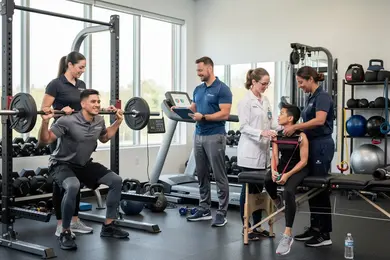
Sports performance optimization appeals to those focused on elite athletic improvement through biomechanics, nutrition, and data-driven training. Here, the ability to interpret real-time metrics and coordinate with teams often necessitates ongoing technical skill development but can position professionals in competitive sports environments with varied employment models.
Rehabilitation sciences concentrate on injury prevention and movement restoration, involving frequent interdisciplinary collaboration. The practical challenges include navigating complex healthcare systems and developing strong communication skills with providers and patients.
Wellness coaching primarily targets behavioral change within community or corporate settings and generally requires only certification. This lower credential barrier facilitates entry but may limit clinical opportunities. Deciding among these paths thus hinges on your intended workplace context and how you balance educational investment against market demand.
Those diversifying their expertise might also explore an online bachelor's degree in nutrition as a complementary pathway. Practical experience remains critical across all tracks; hence programs blending internships with evidence-based curricula enhance employability in top kinesiology career paths in wellness.
How do different kinesiology concentrations prepare you for specific fitness and wellness roles?
Specializing within kinesiology shapes workforce outcomes by aligning specific skill sets with employer demands. For instance, a concentration in sports medicine and injury rehabilitation positions graduates for athletic trainer roles, where clinical certification and practical experience are often prerequisites. Athletic trainer employment is forecasted to grow 13% from 2023 to 2033, with a median wage of $60,250, highlighting robust market demand and specialized training needs.
The exercise physiology track, frequently chosen by those pursuing kinesiology concentrations for wellness career paths, emphasizes managing chronic conditions through tailored fitness regimes. This requires expertise in physiological assessments and client adherence strategies valued in rehabilitation and wellness settings.
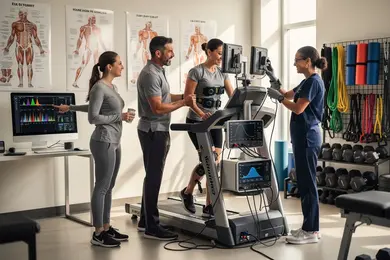
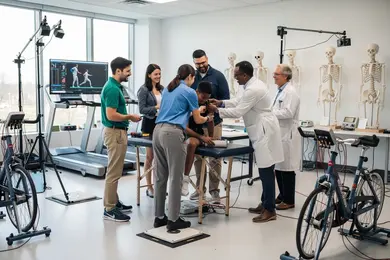
Biomechanics specialization appeals to roles focused on movement analysis and performance improvement using advanced technology, often in research or sports science labs, demanding proficiency in data interpretation and motion software beyond the general kinesiology curriculum.
Prospective students should weigh practical tradeoffs such as certification requirements, balancing clinical versus research skills, and technology fluency. Strategic choice is critical, especially when regional market trends influence demand.
For those seeking related advancement opportunities, exploring a healthcare administration bachelor's degree online can complement kinesiology specializations for fitness professionals by broadening managerial and operational competencies within health and wellness sectors.

What degree levels in kinesiology best support long-term fitness and wellness careers?
Employers seeking candidates for fitness and wellness roles increasingly differentiate between credentials based on applied expertise and specialization. A bachelor's degree in kinesiology degree programs for fitness and wellness careers typically qualifies graduates for entry-level roles like fitness trainers or wellness coaches; however, these positions often suffer from limited career progression and wage growth. In contrast, a master's degree addresses this gap by equipping professionals with advanced skills in exercise physiology and biomechanics, enabling roles such as strength and conditioning specialists, who command salaries between $68,089 and $98,564 annually.
Advanced kinesiology education for long-term career growth includes the ability to integrate evidence-based training methodologies and conduct precise athlete evaluations. Master's programs also facilitate networking and internships that directly influence employment outcomes. A typical career distinction might involve a bachelor's degree holder remaining in a fitness center with stagnant wages, whereas a peer with a master's degree secures a managerial role overseeing athletic performance programs and receives significantly higher compensation.
Choosing between bachelor's and master's pathways requires weighing the financial and time investment against realistic earnings and job stability. Doctoral studies, while valuable for research and academia, generally align less with hands-on industry demands in this field. Those considering further education should explore comparative affordability and potential returns, such as through resources like masters in health administration.
What courses and skills are emphasized in fitness- and wellness-focused kinesiology programs?
Fitness and wellness kinesiology course curriculum focus on developing competencies that extend beyond theory into applied settings such as corporate wellness and athletic performance. Students master skills in biomechanics, exercise physiology, and health behavior modification, with practical training in movement analysis and injury prevention. For example, interpreting physiological data alongside musculoskeletal assessments enables tailored fitness programs that directly impact productivity or rehabilitation outcomes.
Skill sets developed in kinesiology fitness programs address diverse client needs, including those with chronic health conditions, by incorporating risk stratification and adaptive exercise protocols. Communication training is embedded to prepare graduates for counseling and effective teamwork in multidisciplinary environments, which is critical for corporate wellness coordinators managing varied workforce populations and limited budgets. Strategic program management experience-including data-driven outcome evaluation and cost-benefit analysis-offers a significant advantage in roles where employer expectations prioritize tangible health improvements and return on investment.
The career landscape demands adaptability since workplace wellness resources vary widely; for instance, smaller firms may require scalable, low-cost initiatives, while larger employers invest in advanced biometric screening. Starting salaries for corporate wellness coordinators hover around $40,000 annually, with growth tied to program expansion and enhanced data analytics capabilities. These realities underscore the value of balancing scientific rigor with practical flexibility.
Professionals considering shifts into kinesiology-related health roles might also evaluate alternative accelerated paths in healthcare fields, such as online accelerated nursing programs for non nurses, to leverage complementary clinical skills within broader wellness frameworks.
How do online kinesiology programs for fitness and wellness compare with on-campus options?
Choosing between online and on-campus kinesiology programs hinges on the specific competencies employers prioritize and the practical demands of career goals. Programs delivered entirely online often lack the supervised, hands-on labs essential for mastering biomechanics, motor learning, and injury assessment-skills that fitness facilities and clinical employers with certification requirements typically demand. Hybrid models attempt to reconcile this by combining remote theory with scheduled in-person labs, aligning better with employer expectations for applied expertise.
For example, individuals pursuing health and wellness coaching-where the national average salary is $47,397 annually-can leverage online kinesiology programs to gain behavioral science knowledge without sacrificing flexibility or earning power. However, fields like physical therapy assistance and athletic training generally require on-campus study to fulfill clinical hour and accreditation prerequisites.
Decision-makers should consider careers focused on communication, motivational techniques, and program design as optimal for online curricula, while those targeting certified practical skills must weigh the tradeoff of reduced scheduling flexibility for direct mentorship and validated expertise.
Notably, online kinesiology programs vary in employer recognition, which can restrict advancement in specialized healthcare or high-performance sports sectors. Verifying regional licensure alignment and certification acceptance is critical, as these credentials significantly influence hiring outcomes and salary trajectories.
What accreditation should kinesiology programs have for credible fitness and wellness careers?
Accreditation shapes the practical value and mobility of kinesiology credentials in fitness, wellness, and allied health careers. Programs accredited by bodies like the Commission on Accreditation of Athletic Training Education (CAATE) or regional entities such as the Higher Learning Commission (HLC) establish essential standards that align curricula with employer expectations and licensure requirements.
Employers rely on these accreditations as proxies for clinical competence and regulatory compliance. For example, physical therapists, with a median wage of $101,020 and 14% job growth forecasts, and occupational therapists, earning around $98,340 with 11% projected growth, often require kinesiology-linked degrees recognized by accrediting agencies to qualify for licensing, according to U.S. Bureau of Labor Statistics data referenced by ASU Online.
Students aiming for corporate wellness or fitness training roles should assess if certifications emerge from programs accredited by recognized bodies like the National Commission for Certifying Agencies (NCCA). Without this, graduates face limited job placement and may need additional credentials. In practice, those holding non-accredited kinesiology degrees often confront delays and extra costs pursuing certifications to enter clinical tracks.
What are typical admission requirements and program lengths for kinesiology fitness tracks?
Admission standards for kinesiology fitness programs vary, but prospective students must navigate meaningful tradeoffs based on their career objectives. Most programs require a high school diploma or equivalent, with selective tracks demanding prerequisite science coursework and minimum GPAs around 2.5 to 3.0. While standardized tests like ACT/SAT have become less common, personal statements remain significant to gauge genuine commitment. Open admissions in some community colleges speed up entry but may limit future transfer opportunities or credential recognition.
Program length and credential type directly influence employability and earning potential. Certificate or diploma options enable rapid workforce entry within 6 to 12 months, fitting roles such as personal trainers-aligned with a median annual wage of $46,180 (U.S. Bureau of Labor Statistics, 2024). In contrast, associate degrees require about 2 years, offering broader foundational knowledge, while bachelor's degrees extend 3 to 4 years and provide advanced competencies necessary for clinical, supervisory, or specialized positions.
For professionals shifting from unrelated fields, part-time or online delivery expands access but can prolong completion beyond 4 years, delaying income growth. Decision-making must consider how program rigor and length align with employer expectations and career timing:
- Faster credentials favor immediate income but limit advancement scope.
- Longer academic routes prepare students for higher-level roles but require significant time investment.
- Balancing entry barriers with credential value is essential for realistic career planning.
Which fitness and wellness jobs can you pursue with specialized kinesiology training?
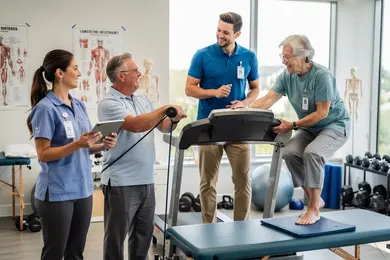
The practical value of specialized kinesiology training lies in its direct applicability across diverse roles tied to movement science and rehabilitation, yet it is essential to recognize the nuanced tradeoffs between broad job eligibility and clinical licensure limitations. For example, a kinesiologist in a rehabilitation clinic focused on elderly patients must develop customized exercise protocols to restore mobility while preventing further functional decline, relying on musculoskeletal knowledge and evidence-based assessments.
In Ontario, projected employment growth for kinesiologists is strong due to demographic shifts causing increased demand in geriatric fitness and chronic disease management settings. This trend is relevant to U.S. students contemplating kinesiology roles in healthcare and wellness sectors where scientific customization of training regimens replaces generic approaches, especially for surgical recovery or injury prevention.
Key workforce realities include:
- Licensing gaps that exclude kinesiology graduates from certain clinical roles like physical therapy without additional certification
- The necessity for ongoing education, specialized credentialing, and experience in multidisciplinary teams managing complex cases
- Networking and practical skill application as critical factors for attaining stable employment
Prospective students must analyze curricula against specific job requirements, balancing broad foundational knowledge with targeted skills such as manual therapy or diagnostic competencies. Employers increasingly prioritize candidates who demonstrate integration of biomechanical principles into performance optimization and injury rehabilitation within wellness centers.
What is the salary potential and job outlook in fitness and wellness kinesiology careers?
Choosing a career in fitness and wellness kinesiology requires balancing realistic income expectations with the operational challenges of different practice settings. In Alberta, Canada, kinesiologists earn an average annual salary of $65,406 or around $36.84 per hour, a figure that surpasses many entry-level health and fitness roles. This wage tends to reflect those working in private practice or mixed-service models where compensation is closely tied to individual certifications and niche expertise.
The employment outlook hinges largely on rising demand for preventive health and rehabilitation, but the path varies significantly depending on work environment. Private practitioners face hurdles such as client acquisition, regulatory compliance, and income volatility especially in early years. Conversely, salaried positions within clinical or corporate wellness sectors may offer steadier pay but limited salary growth unless one pursues management or consultancy responsibilities.
U.S.-based professionals aiming to pivot into kinesiology must consider geographic disparities: urban centers typically offer higher wages yet increased competition and living costs, while rural regions may present fewer openings but stronger community rapport. Augmenting a kinesiology foundation with credentials in exercise physiology, therapeutic techniques, or business skills improves employability and earning potential.
Strategic planning must extend beyond academic qualifications to incorporate ongoing professional development and entrepreneurial aptitude to effectively navigate this evolving field.
Which certifications and licenses align with popular kinesiology fitness specializations?
Securing relevant certifications and licenses is indispensable for kinesiology professionals targeting specific sectors such as athletic training, clinical exercise, or medical fitness. Credentials like Certified Strength and Conditioning Specialist (CSCS) address athletic performance roles, whereas Certified Exercise Physiologist (CEP) and Licensed Exercise Physiologist (LEP) cater to clinical and rehabilitative settings, the latter often requiring state licensure. National personal trainer certifications, while valuable, fall short for clinical populations, necessitating specialized credentials.
The cost of kinesiology education-approximately $50,000 for a four-year on-campus bachelor's degree, with online options reducing annual costs by about $2,000-intersects with certification expenses and timelines, influencing return on investment. For example, a professional shifting from gym-based personal training to clinical rehabilitation must navigate additional licensing requirements and continuing education, which impact both employability and income continuity.
Employers increasingly prioritize candidates who blend academic qualifications with rigorous certifications due to heightened liability and outcome accountability. Those aiming for roles in rehabilitation or hospital environments must plan for state-specific licensing and certification, while commercial fitness facilities emphasize client-oriented credentials.
Key challenges include managing ongoing education mandates and synchronizing certification exams with career moves. Prospective students and practitioners must weigh upfront educational costs and time investments against practical workplace demands and regulatory constraints to achieve a strategic, sustainable kinesiology career path.
Other Things You Should Know About Kinesiology
Early specialization can limit flexibility in career options and may reduce exposure to essential foundational knowledge that employers value. Programs with a broader curriculum in the first two years allow students to assess different pathways while building versatile skills. Prioritizing a broad base before narrowing enables better-informed decisions and improves adaptability in changing job markets within fitness and wellness domains.
Internships provide critical hands-on experience and networking opportunities that are often necessary for entry-level roles in fitness and wellness. Many employers expect candidates to have completed relevant internships or clinical hours. Students must prioritize programs with structured, supervised internships to gain workplace readiness and increase their chances of immediate employment post-graduation.
In 2027, essential kinesiology specializations for fitness and wellness careers include exercise physiology, biomechanics, sports nutrition, and health promotion. These areas offer focused expertise that aligns with trends in personalized fitness programs, performance optimization, and preventative health, enhancing employability and effectiveness in the field.
While program reputation impacts initial job prospects, especially with competitive employers, long-term career success depends more on practical skills, certifications, and professional experience. Candidates from lesser-known programs can compensate by obtaining recognized certifications and completing internships. It's advisable to prioritize programs that emphasize experiential learning and industry connections over brand name alone.
References
- Best Exercise Science Careers - Let's Find out! https://www.ptpioneer.com/personal-training/exercise-science-careers/
- What Can You Do With a Kinesiology Degree? – ECU Online https://online.ecok.edu/program-resources/what-can-you-do-with-a-kinesiology-degree/
- Personal Trainer Qualifications & Certifications to Look For - Crunch https://www.crunch.com/thehub/personal-trainer-qualifications-certifications-to-look-for/
- How Long to Get a Kinesiology Degree? | ValidGrad https://validgrad.com/blog/kinesiology-degree-duration/
- Is a Kinesiology Degree Right for You? | Corban University https://www.corban.edu/is-a-kinesiology-degree-right-for-you/
- Careers in Kinesiology: Experience A Day in the Life! https://www.kinsk.ca/post/a-day-in-the-life-kinesiology-as-a-career
- NASM: Trusted by 1.9M+ Pros | #1 Accredited Fitness Certification https://www.nasm.org/
- The Best Personal Trainer Certification Programs | ISSA https://www.issaonline.com/blogs/training-tips/the-best-personal-trainer-certification-programs
- Careers in Kinesiology https://www.angelo.edu/career/career-exploration/majors/kinesiology.php
- Online Kinesiology Degree Programs: Review Top Schools https://www.edumed.org/online-schools/kinesiology-degrees/