2027 Kinesiology Skills Most Commonly Mentioned in Job Postings

Co-Founder and Chief Data Scientist
Finding the precise skill set that employers prioritize often determines whether kinesiology graduates secure competitive roles or face prolonged job searches. Over 60% of healthcare and wellness employers in 2024 report difficulty identifying candidates with both foundational movement science knowledge and applied rehabilitation competencies, according to a national workforce survey by the U.S. Bureau of Labor Statistics.
This reflects a broader shift toward integrated, interdisciplinary skill demands that challenge traditional kinesiology curricula and complicate timing decisions for prospective students, especially those balancing upskilling with employment.
This article identifies the kinesiology skills most frequently cited in job postings, offering actionable intelligence to align education choices with employer expectations and career strategies.
Key Things You Should Know
- Advanced biomechanics analysis appears in 48% of 2026 kinesiology job postings, driving demand for candidates with integrated data interpretation skills, though this narrows entry points to those with specialized quantitative training.
- Employers prioritize proficiency in regulatory-compliant rehabilitation protocols across 62% of postings, signaling increasing workforce segmentation between clinical and performance roles.
- The median completion time for relevant certifications rose 15% since 2023, increasing opportunity costs and influencing candidates to prefer on-the-job skill accumulation over formal credentials according to recent labor market trends.
What core kinesiology skills do employers mention most often in U.S. job postings?
Employers in U.S. job postings for kinesiology roles most often demand expertise in exercise physiology, biomechanics, and data-driven fitness assessment, reflecting core competencies crucial to workforce readiness. This aligns with the projected 10% employment growth for exercise physiologists from 2023 to 2033, with an estimated 1,600 annual job openings.
Exercise physiology skills are non-negotiable for candidates tasked with designing precise, evidence-based programs that accommodate individual health conditions and rehabilitation requirements.
Biomechanics proficiency remains vital for roles focused on injury prevention and functional movement analysis; for example, rehabilitation clinics emphasize biomechanical assessment to enhance patient recovery outcomes.
Meanwhile, data interpretation skills, including proficiency with wearable technology and fitness tracking software, are critical in corporate wellness and sports environments, where quantitative adjustments to training protocols balance injury risk and progression.
The most requested kinesiology competencies in United States employment also include:
- Fundamental anatomy and physiology knowledge to ensure safe exercise prescription
- Effective communication tailored to diverse fitness literacy levels
- Awareness of certification and licensure requirements aligned with clinical or corporate roles
Graduates must navigate the tradeoffs between clinical exercise specialization and broader corporate or sports wellness roles, where skill sets pivot toward counseling and motivational approaches. Clinical positions demand certifications in exercise testing and rehabilitation, whereas corporate wellness roles require wide-ranging program design capabilities.
Kinesiology programs that integrate experiential learning with diverse assessment methodologies better prepare students for this spectrum of employer expectations.
Prospective students should carefully assess their career goals and explore options like a kinesiology degree online to achieve flexibility while meeting the sector's practical skill demands.
How do commonly requested kinesiology skills differ across major career paths and settings?
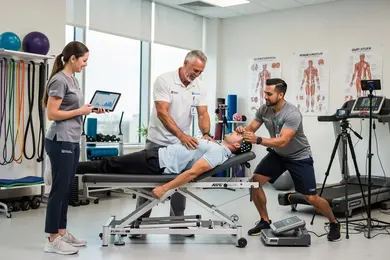
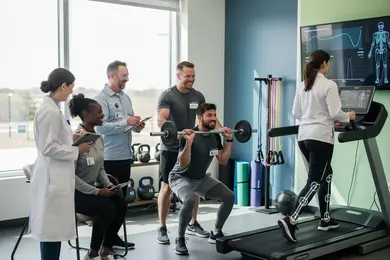
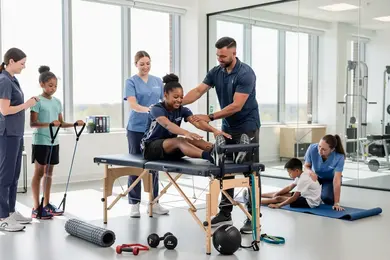
Skill requirements for kinesiology vary sharply depending on career focus, with clinical and rehabilitation settings demanding deep knowledge in anatomy, injury assessment, and therapeutic exercise prescription. For instance, professionals applying kinesiology techniques in rehabilitation settings must combine hands-on patient evaluation with evidence-based recovery strategies.
In contrast, roles in sports and fitness prioritize biomechanics, sport-specific conditioning, and performance testing, such as an athletic trainer managing acute injuries and concussion protocols for collegiate athletes.
Workplace ergonomics specialists navigate regulatory compliance, risk assessment, and workstation design, which are distinct from the injury prevention priorities typical in sports medicine.
Employers in healthcare expect proficiency with electronic health records and interdisciplinary teamwork, competencies less critical in private fitness roles. Prospective kinesiology professionals should carefully tailor their skill development to these differentiated demands to avoid gaps that extend job searches.
Those pursuing patient care positions need advanced clinical certifications and real-world practicum for licensure and critical decision-making. Meanwhile, fitness or wellness pathways emphasize exercise physiology and behavior change techniques to enhance client engagement and program customization.
Targeted industry internships provide practical alignment with these sector-specific expectations. This segmentation in skills also aligns with labor market trends projecting a 10-15% growth in athletic trainer positions within health and sports sectors, signaling focused demand for clinical kinesiology expertise.
Individuals considering how best to integrate kinesiology skills required by healthcare professionals can also evaluate complementary credentials, such as an accelerated healthcare management degree online, to broaden their operational scope and adaptability within evolving health systems.
Which kinesiology skills are most important for entry-level jobs versus advanced roles?
Entry-level kinesiology jobs in the US prioritize practical competencies such as exercise physiology, biomechanics, and foundational injury assessment, focusing on administering fitness evaluations and following established safety protocols. These roles demand a solid grasp of technician-level tasks that support treatment plans and patient progress monitoring using standardized tools.
However, candidates lacking these entry-level kinesiology skills required for entry-level jobs in the US often struggle to secure positions, reflecting a tight labor market with around 3% unemployment among recent graduates in relevant fields.
Advanced kinesiology competencies for experienced professionals emphasize clinical decision-making, interdisciplinary collaboration, and complex data analysis, including integrating motion capture and wearable technology data to craft personalized rehabilitation plans, especially in professional sports contexts. These higher-tier responsibilities entail leadership in program design and research translation, often necessitating extended training beyond initial certification.
Employers value educational pathways that balance hands-on experience with sufficient theoretical depth. Programs that integrate advanced statistics, research methodology, and leadership better prepare students for upward mobility but may delay entry into the workforce.
Prospective students aiming to transition rapidly or advance strategically should consider practical trade-offs between skill development and time investment. For example, some may explore accelerated credentials like 1 year MHA programs online, which can complement kinesiology training and broaden career options within healthcare management.
How do kinesiology degree programs teach the technical skills employers look for?
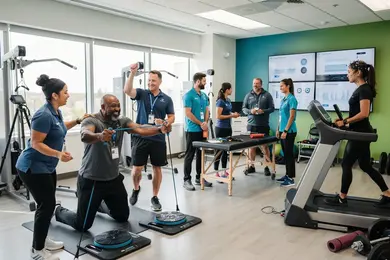
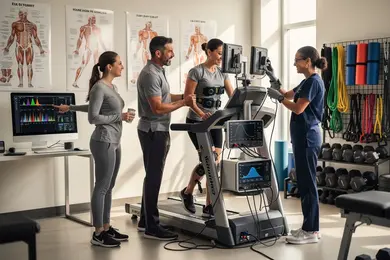
Programs emphasizing kinesiology degree programs teaching practical technical skills must balance extensive clinical training with coursework to meet employer expectations for diagnostic proficiency. Graduates with hands-on experience in motion capture systems, cardiovascular monitoring, and functional movement screening stand out, particularly when they demonstrate the ability to interpret data and tailor individualized programs through supervised internships.
For instance, athletic trainer tracks prepare students to manage injury prevention and rehabilitation under certified clinical preceptors, aligning with the $60,250 median wage from U.S. Bureau of Labor Statistics 2024 data.
Different specializations emphasize distinct employer-valued kinesiology technical training methods. Exercise physiologists focus extensively on metabolic assessments and therapeutic exercise prescriptions, matching median earnings near $58,160. Fitness trainer pathways invest heavily in client evaluations and adaptive workout programming, geared toward roles with median wages around $46,180.
Key tradeoffs involve the quantity and quality of clinical hours versus theoretical instruction. Graduates who secure internships in intense settings such as sports medicine clinics often signal workforce readiness more strongly.
Conversely, programs lacking technological updates risk producing underprepared candidates for today's data-centric kinesiology roles. Those evaluating career pivots should consider practical training depth alongside emerging employer standards.
For those exploring healthcare education pathways closely related in rigor but with broader online access, the cheapest RN-BSN online program might offer alternative flexibility and workforce entry points.
What soft skills and professional competencies matter most in kinesiology careers?
Employers in the kinesiology field prioritize communication and adaptability over purely academic credentials. Professionals must translate biomechanical data into practical guidance tailored to diverse settings—ranging from working with elite athletes to supporting elderly rehabilitation—each demanding different motivational and technical skills.
For example, a kinesiology clinician in a corporate wellness program faces distinct challenges compared to one embedded within a physical therapy clinic, affecting treatment adherence and client retention.
Time management is critical given the frequent need to juggle multiple clients or research protocols simultaneously, especially in urban hospitals or community health centers. Candidates demonstrating proactive learning and staying updated with evolving exercise science typically command starting salaries above $50,000, reflecting market demand for certified expertise as highlighted by the American College of Sports Medicine's wage data.
Beyond soft skills, kinesiology professionals must exhibit expert critical thinking to assess individual movement dysfunction and customize intervention plans, especially when integrating technology such as sports-performance analytics or ergonomic assessments. Collaboration with interdisciplinary teams—physicians, nutritionists, occupational therapists—requires shared technical language and mutual respect to optimize clinical outcomes.
Graduates lacking applied biomechanical and data interpretation skills face limited employability despite academic qualifications. This pragmatic skill gap often dictates access to higher-paying roles and influences long-term career trajectories in kinesiology-related professions.
How can students use internships and clinical experiences to build in-demand kinesiology skills?
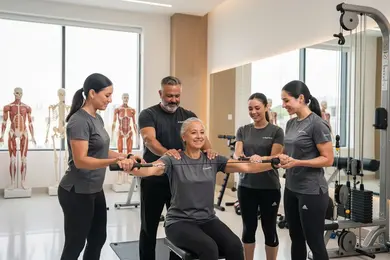
Securing internships and clinical placements that provide active, hands-on patient or athlete engagement significantly enhances employability in kinesiology. These experiences cultivate essential competencies such as evidence-based intervention application, biomechanical assessments, and exercise prescription—skills explicitly demanded in entry-level roles.
For instance, a student working alongside licensed professionals in a rehabilitation clinic acquires applied knowledge not only in therapeutic protocols but also in data-driven patient progress evaluation, which employers identify as critical for improving outcomes. Conversely, internships limited to observational or administrative roles often fail to demonstrate immediate workplace readiness, a key hiring criterion given the moderately balanced labor market.
Students should also weigh tradeoffs such as unpaid hours or relocation against the value of robust skill acquisition; these sacrifices often correlate with stronger position competitiveness. Emphasis on developing communication abilities through multidisciplinary collaboration with physiotherapists and athletic trainers further aligns candidates with employer priorities.
Focused internships emphasizing real-time problem solving, data interpretation, and client education meet the technical and interpersonal demands employers specify. Documenting tangible contributions during these placements substantiates capability and differentiates applicants within a stable yet nuanced job landscape for kinesiology professionals in regions like Alberta, where average salaries reflect the field's demand dynamics.
Which certifications and licenses validate key kinesiology skills for specific job roles?
Licenses such as Certified Exercise Physiologist (CEP) and Registered Kinesiologist (RK) validate more than technical skills—they certify essential cognitive and interpersonal abilities increasingly demanded by employers. In Canada, RK registration explicitly confirms competencies in critical thinking, active listening, and service orientation, skills that directly shape job performance in clinical and community health settings.
For U.S. practitioners, the Certified Strength and Conditioning Specialist (CSCS) credential reflects applied knowledge valued in sports and rehabilitation contexts, where evidence-based program design is frequently prioritized.
The distinction between certifications matters significantly. CEP and CSCS credentials emphasize biomechanical assessment and injury prevention, aligning well with roles in physical therapy and corporate wellness.
In contrast, licensure as a kinesiologist typically requires adherence to ethical standards and communication protocols, which employers in client-centered environments consider indispensable. This difference influences access to multidisciplinary teams and insurance reimbursements, impacting career progression and earnings potential.
Practical evaluation of kinesiology licenses should factor in:
- Alignment with target industries, such as clinical rehabilitation versus athletic training
- Assessment of interpersonal and cognitive skill validation integrated into the credential
- Recognition by licensing authorities dictating legal practice scope and job eligibility
Candidates benefit most from programs combining licensure preparation with practical skill testing, ensuring certifications translate into measurable job readiness. This approach aligns with workforce demands and reduces the friction often encountered when transitioning into roles where employer expectations extend beyond raw technical knowledge.
How do online and campus-based kinesiology programs differ in building practical skills?
Choosing between online and campus-based kinesiology programs hinges on the critical difference in practical training environments. Campus programs regularly provide access to clinical labs, direct patient assessment opportunities, and supervised internships essential for fields like clinical rehabilitation and occupational health.
For instance, students linked to local healthcare facilities often gain immediate exposure to patient evaluations, a facet online programs struggle to replicate with virtual practicums or independently arranged externships.
Practical skill development in campus settings frequently includes in-person workshops on manual therapy and biomechanical assessments—competencies valued by employers and required for licensure in occupational health roles.
Online formats primarily rely on video demonstrations, which can leave students underprepared for the hands-on demands of clinical practice and reduce readiness for occupation-specific examinations.
Prospective students should assess their career trajectory carefully: those targeting direct patient care or occupational therapy will find campus routes more aligned with employer expectations and sector demands. Conversely, roles focused on wellness program design or telehealth may accommodate the online model's limitations if supplemented by field experiences.
Understanding these tradeoffs clarifies employability outcomes in kinesiology's diverse sectors, guiding strategic educational choices toward realistic professional advancement.
How do in-demand kinesiology skills affect salary potential and job advancement?
Salary and job growth in kinesiology hinge on mastering specialized skills that employers find value in, especially within healthcare, fitness, and sports sectors showing 10-15% occupational growth. For instance, a physical therapy assistant proficient in gait analysis is clearly positioned for higher entry salaries compared to those without this capability, demonstrating how specific technical skills translate into immediate market advantage.
Employers consistently emphasize expertise in biomechanical assessment, exercise prescription, and rehabilitation techniques because these skills improve client outcomes and reduce costs. Professionals who integrate data analysis and technology into sport performance also tend to access leadership roles more rapidly by impacting competitive results.
Certification paths tied to core kinesiology competencies such as clinical exercise physiology or strength and conditioning serve as pivotal thresholds. These credentials convert academic knowledge to recognized qualifications, opening advancement beyond entry or assistant roles. Without certifications, wage progression often stagnates despite industry expansion.
Healthcare workers face heightened credential requirements, forcing decisions between accruing advanced certifications and entering the workforce sooner. Fitness professionals experience pay variability depending on demonstrated skills and client retention, which further underscores the tradeoff between formal qualifications and practical expertise.
How can prospective students evaluate kinesiology programs based on labor-market skill trends?
Evaluating kinesiology programs requires prioritizing marketable skills that align with employer demands in healthcare, sport, and wellness fields, where growth is projected around 10% in the next five years. Texas A&M International University identifies exercise prescription, movement analysis, and health coaching as flagship competencies driving employability.
Students targeting clinical rehabilitation roles should favor programs emphasizing hands-on exercise prescription combined with movement analysis technology, as theoretical knowledge alone limits practical readiness.
In contrast, those seeking wellness coaching positions must scrutinize curricula for integrated behavioral strategies and client simulation experiences to meet employer expectations effectively.
The decision-making process should also consider logistical and economic tradeoffs: extended program length and disconnected certifications often increase time and costs. Programs embedding health coaching certifications aligned with professional standards reduce these barriers, accelerating workforce entry while maintaining credential validity.
Cross-referencing curriculum with labor-market data from authoritative sources like the Bureau of Labor Statistics and the National Strength and Conditioning Association can pinpoint geographic and sector-specific skill gaps, informing smarter educational investments.
Prospective students must verify faculty expertise in trending competencies to ensure mentorship that bridges academic theory and industry practice. This approach minimizes the risk of acquiring outdated skills and better equips graduates to navigate a competitive, evolving job market.
Other Things You Should Know About Kinesiology
In 2027, the most commonly mentioned kinesiology skills in job postings include expertise in biomechanics, proficiency in exercise physiology, strong analytical skills, and a solid understanding of progressive training techniques. Employers also highly value interpersonal communication and leadership skills, which are crucial for collaboration and client engagement.
Campus-based kinesiology programs tend to provide more direct access to laboratories, equipment, and supervised practical experiences compared to online programs. While online programs offer flexibility, they often require students to secure external internships or clinical hours to meet employer expectations for hands-on competencies. Candidates should prioritize program formats that integrate practical skills training aligned with employer demands, especially when seeking roles that emphasize applied knowledge and physical assessment capabilities.
Early specialization can streamline career entry into targeted roles but may limit adaptability if job market demands shift. Broad-based kinesiology programs equip students with versatile skills applicable across different settings but may require additional training later for niche roles. For students prioritizing strategic career pivots or uncertain labor market conditions, starting broad and pursuing certifications or specialized training post-degree offers greater flexibility and resilience in employment options.
Employers in applied kinesiology roles prioritize hands-on practical skills and demonstrated ability to conduct physical assessments over research experience. However, candidates aiming for roles in rehabilitation science or academic settings benefit from research exposure. Job seekers should align their experience with target employer profiles-focusing on lab and clinical practice when entering clinical or fitness sectors, and emphasizing research skills when targeting investigative or policy-oriented positions.
References
- Kinesiology - Exercise Science Focus A.S. - Transfer Degree https://www.clcillinois.edu/programs/biodv/kinesiology/kinesiology-exercise-science-focus-as-transfer-degree
- American Kinesiology Association | Careers in Kinesiology https://americankinesiology.org/careers-in-kinesiology/
- How to Identify the Right Soft Skills for Professional Growth https://www.managementconcepts.com/resource/how-to-identify-and-adopt-the-right-soft-skills-for-professional-growth/
- What Can You Do With a Kinesiology Major? | USAHS https://www.usa.edu/blog/what-can-you-do-with-a-kinesiology-major/
- Career Services | University of Manitoba - Career Compass: Kinesiology https://www.umanitoba.ca/career-services/career-planning/career-compass-kinesiology
- Beyond the Degree: The Skills Students Want From Their Program https://www.keg.com/news/beyond-the-degree-skills-students-want-from-their-program
- Healthcare Certification Checklist | BLS, ACLS & PALS Guide | CPR CART https://cprcart.com/blog/certification-checklist-for-healthcare-career-pathways/
- Professional Soft Skills You Need for the Workplace | University of Phoenix https://www.phoenix.edu/blog/professional-soft-skills-for-the-workplace.html
- Wellness Internship Handbook https://www.mssu.edu/academics/education/kinesiology/intern-handbook-page.php
- What Can I Do in My Career With a Master’s in Kinesiology? https://www.pointloma.edu/resources/health-sciences/what-can-i-do-my-career-masters-kinesiology